

Small Desks


Small Desks
A small desk succeeds by how quietly it holds a corner. In a bedroom, a studio, or the end of a hallway, it has to carry a laptop, a lamp, and a day of work without eating the floor or crowding the path you walk every morning. Footprint is the whole argument. The pieces that get it right feel almost weightless in the room, and the ones that get it wrong turn a tight space into an obstacle course.
What makes a small desk actually work in a tight room
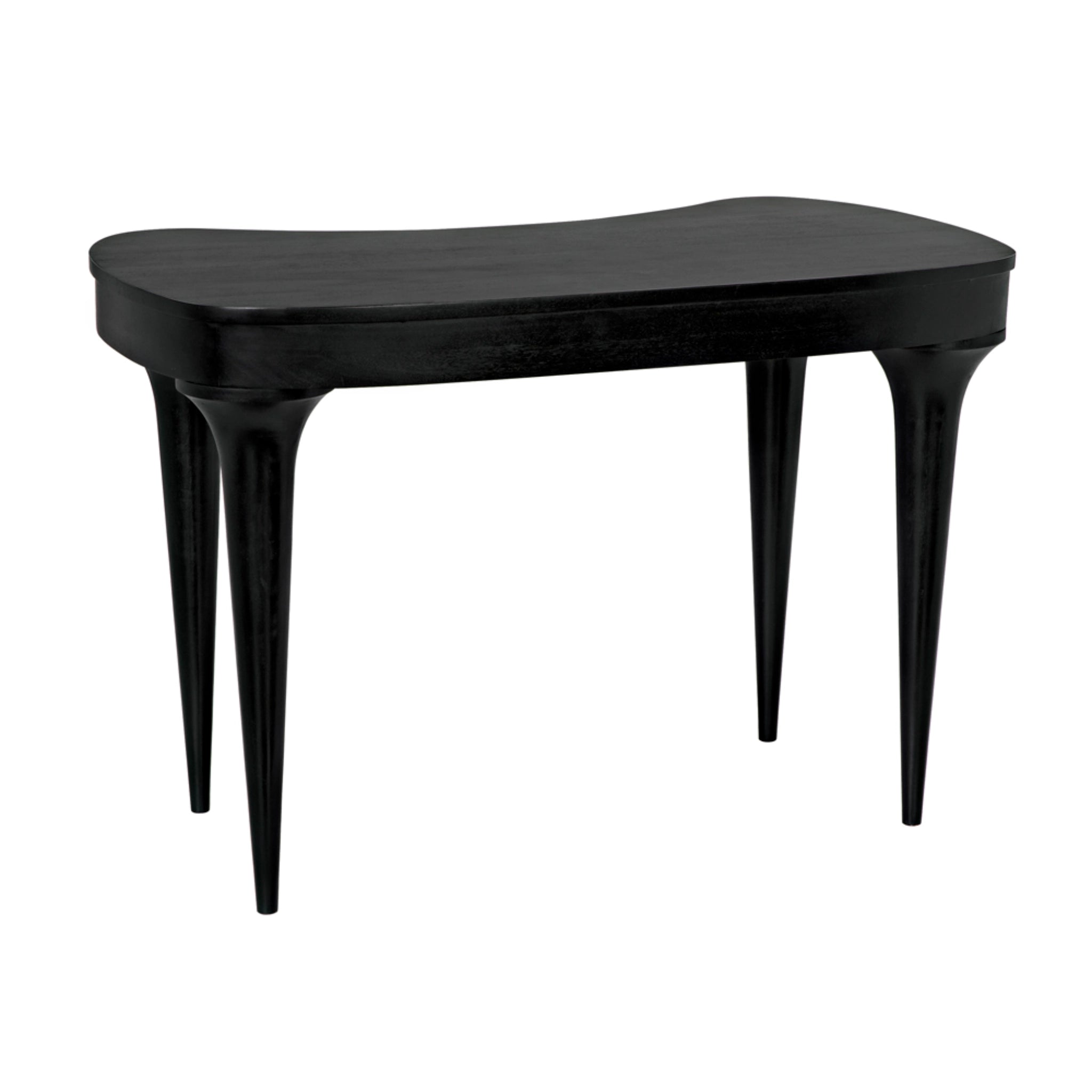
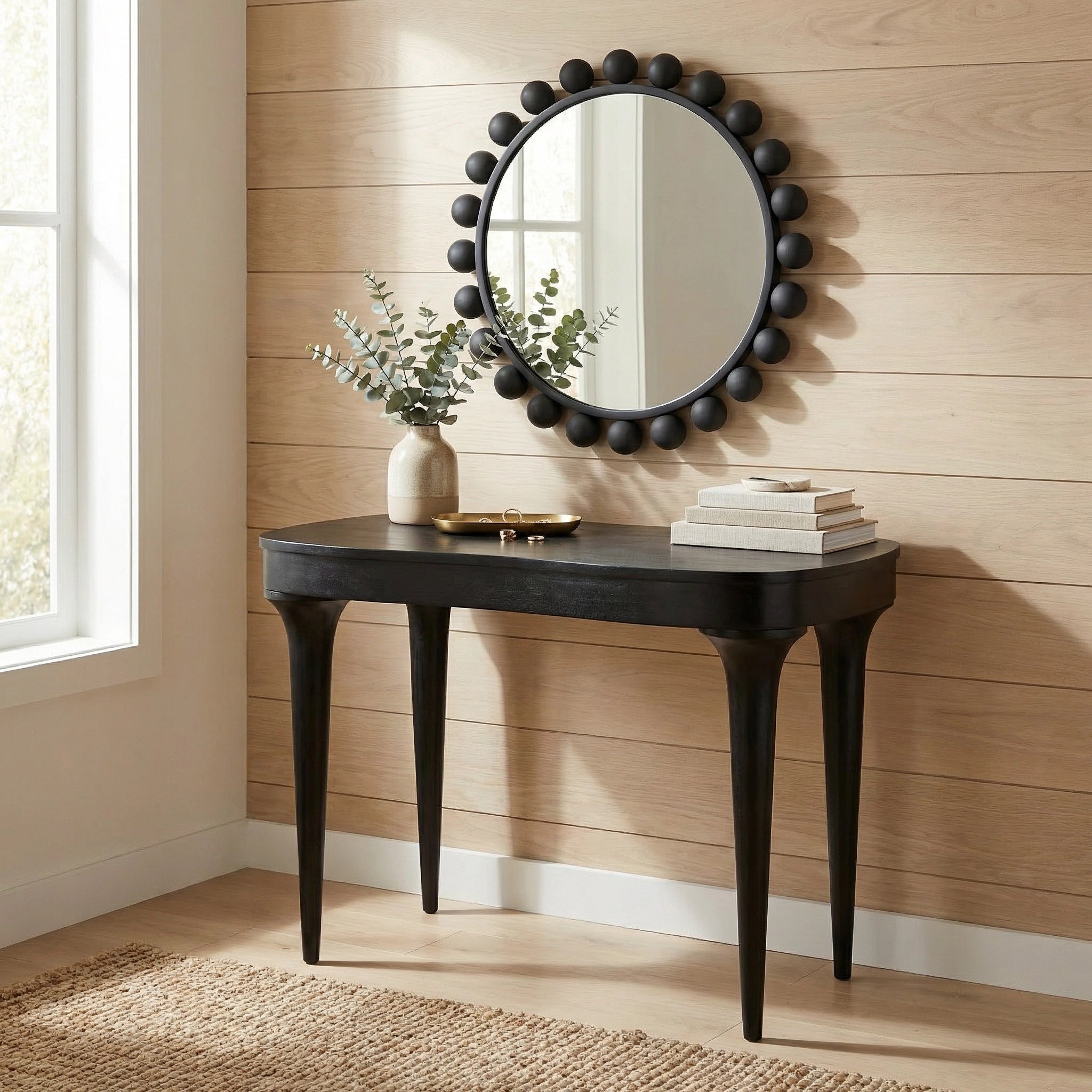
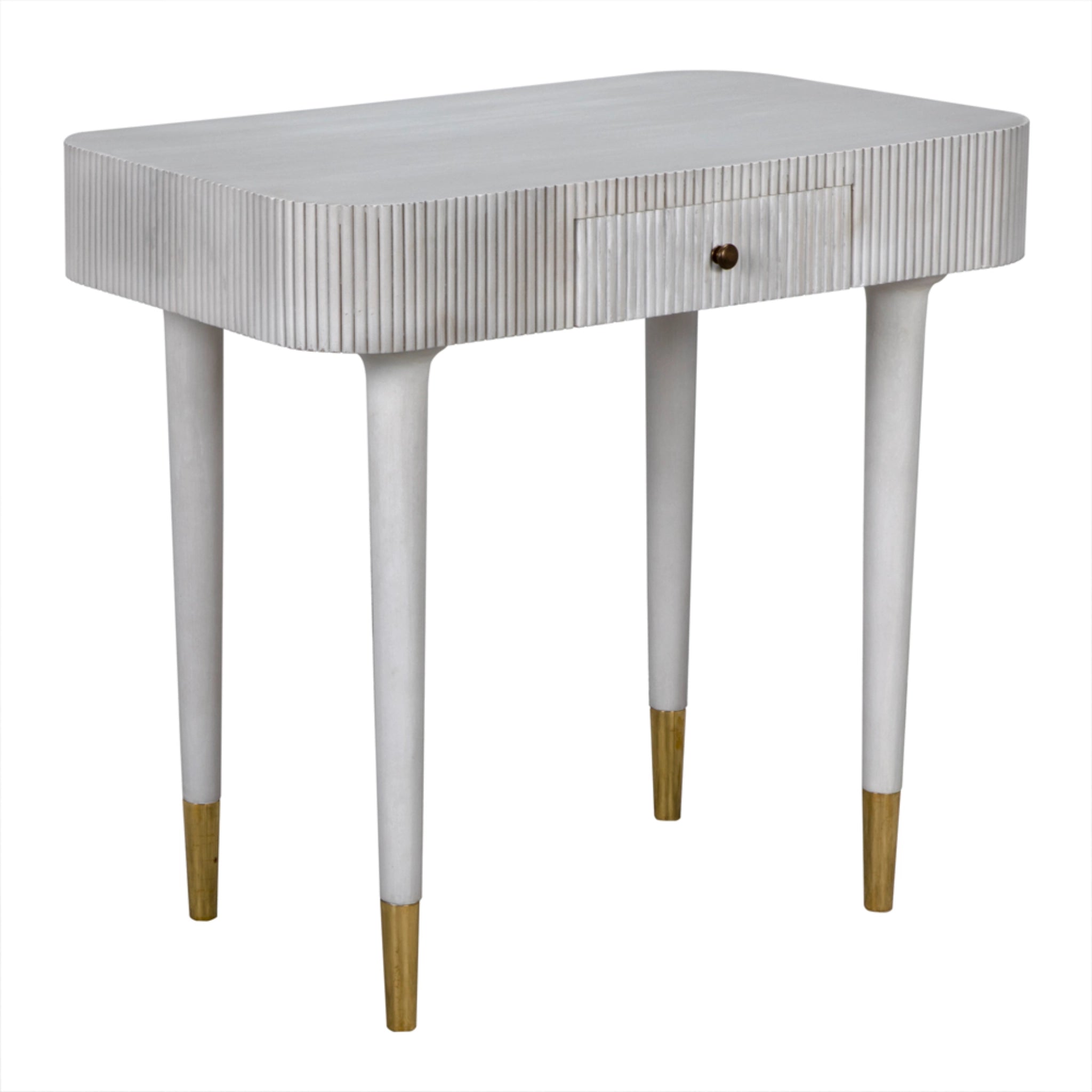
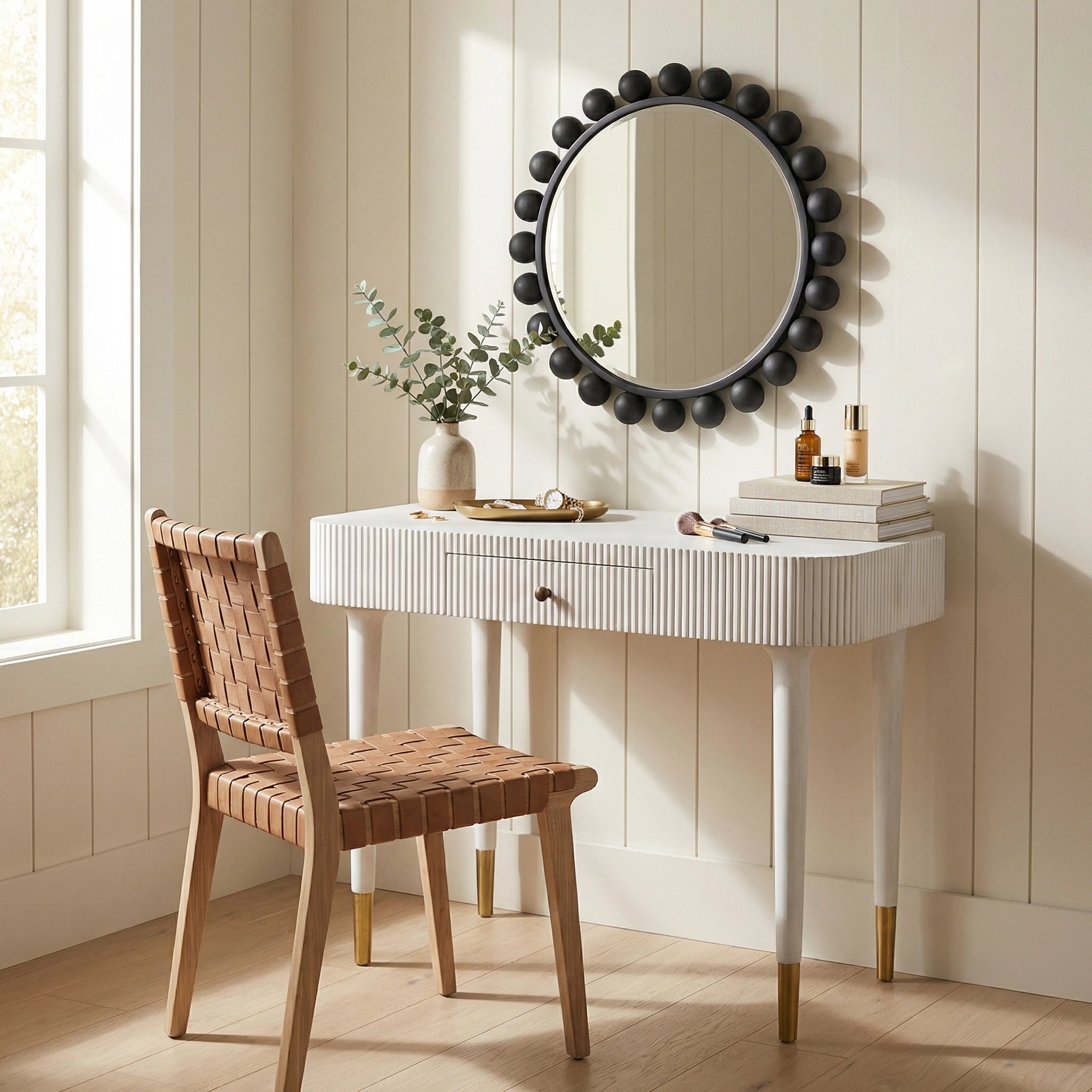
Scale is where most compact desks fail. A shrunken version of a full office desk still reads heavy, thick legs and a deep top pushing out into a room that has none to spare. A better small writing desk keeps a shallow depth, an open base, and a silhouette that lets light travel underneath it. That band of daylight below the top is what keeps a corner feeling open rather than walled off.
Measure the walkway and the knee clearance before you fixate on width. A 34 inch desk that stands proud of the wall can feel larger in the room than a 46 inch one tucked flat against it. Depth is the number that decides whether you can sit and actually work, so protect it even when the whole point is to buy something small.
Small desks for a bedroom corner
A bedroom is where a small desk earns its keep hardest, because it shares the room with sleep. The move worth making is choosing a piece that does a second job, a surface that holds a lamp and a book at night and a laptop by day, so the footprint pays for itself twice. A marble-topped table or a compact acacia desk reads as furniture first and workstation second, which is exactly what a bedroom wants once the overhead light goes off.
Keep the finish warm if the room leans restful. A pale oak or honey acacia top holds the lamplight and stops the corner turning clinical after dark. If the work needs to disappear at night, a slim writing desk with a single drawer will swallow the charger and the notebook that would otherwise sit out on the surface.
Small writing desks and small desks with drawers
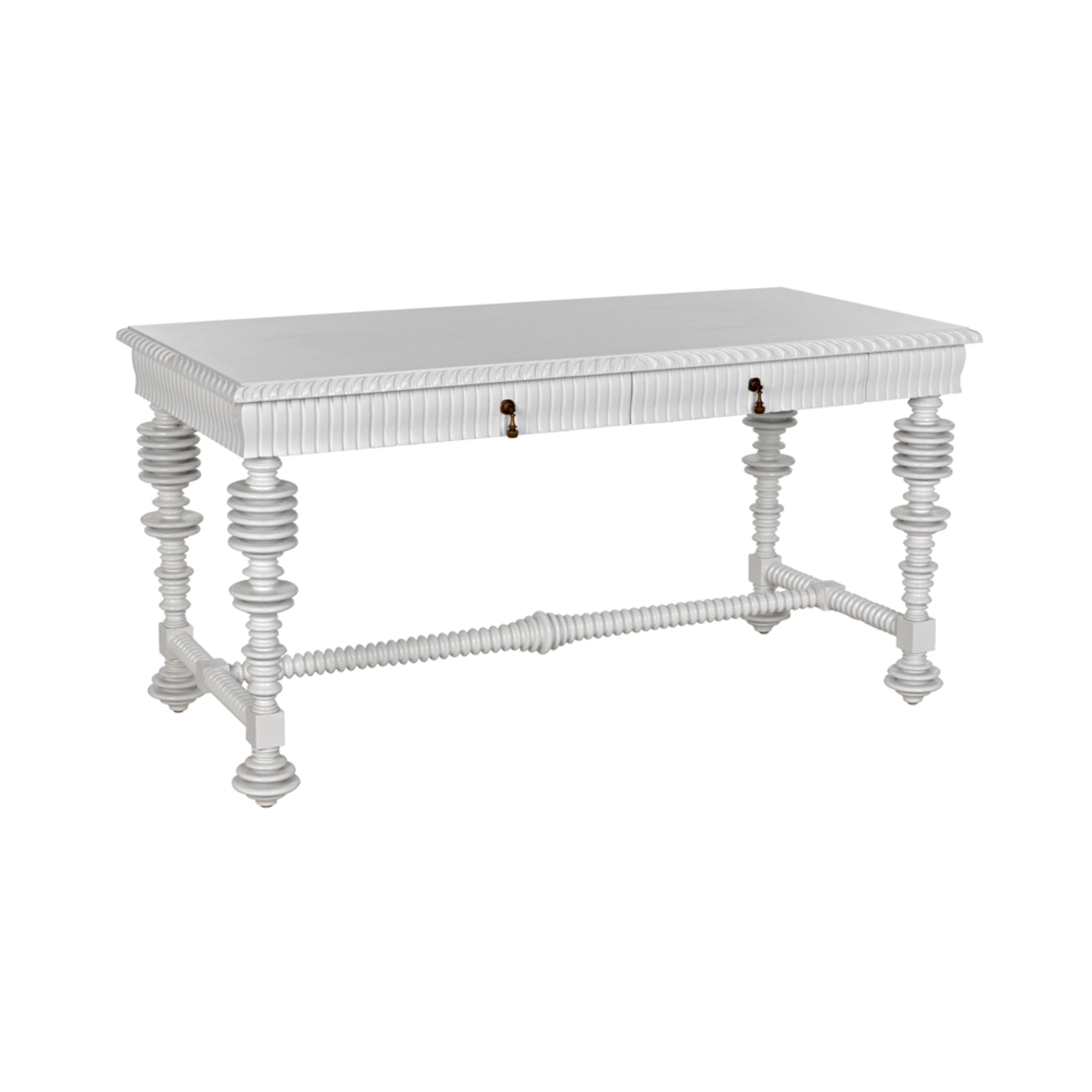
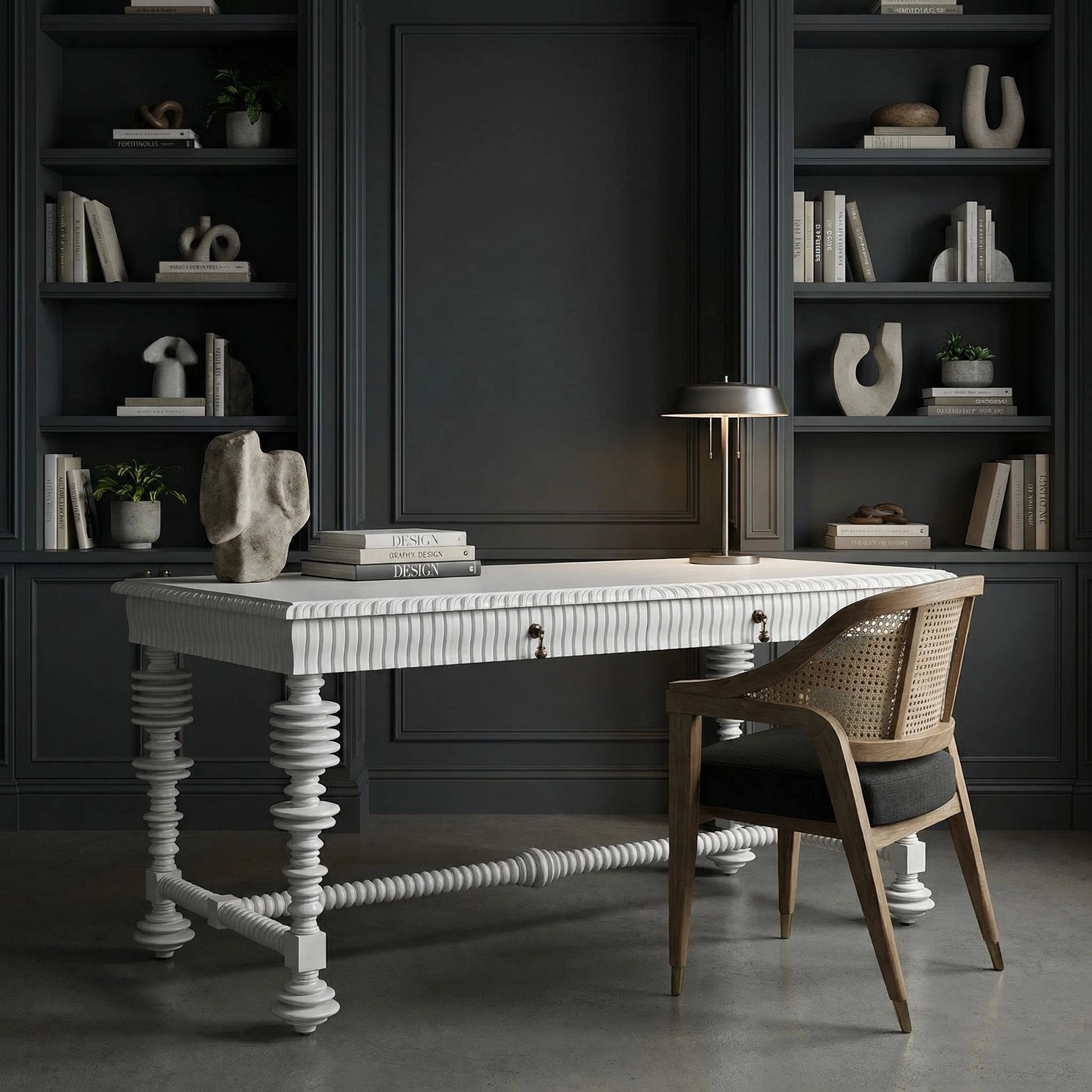
Storage matters more in a small room than a large one, because there is nowhere else for the clutter to land. One drawer under the apron is often enough. If you need more, the full range of desks with drawers runs from single-drawer writing tables to deeper pedestal storage, and it is worth a look before you settle for the first compact option you find.
The trap is buying the smallest thing available and ending up with a top too shallow to use. A small desk with drawers still needs enough surface to spread out on, and that same restraint, choosing function over the smallest possible box, is worth carrying across every piece of office furniture you bring into the room, not just the desk. Choose the storage that fits how you actually work, not the highest drawer count you can wedge into the smallest footprint.
Materials that keep a compact desk from feeling temporary
At a small scale, material does more of the talking, because there is less of everything else to carry the piece. A solid wood top brings grain and weight that a laminate surface never will, and in a compact desk that difference is most of the character. The solid wood desks here run through oak, walnut, mango, and bamboo, each reading differently under a lamp, and any of them makes a small desk feel considered rather than provisional.
Metal-and-wood frames belong in this conversation too. A thin steel base under a wood top keeps the visual weight low and the floor line open, which is precisely what a tight room needs. In daylight the surface does the work. Under warm evening light the grain deepens and the desk settles into the corner instead of announcing itself.
Choosing the right scale for your room
If your space can take a little more, a slightly larger writing desk sometimes solves a room better than the most compact piece in it, so it is worth comparing before you commit to the smallest option on the page. Start with the two measurements that decide everything, depth and clearance, and let the room tell you how small you actually need to go.