

Japandi Platform Beds


That item has been discontinued, but here are similar options.































Japandi Beds for a Quiet, Grounded Bedroom
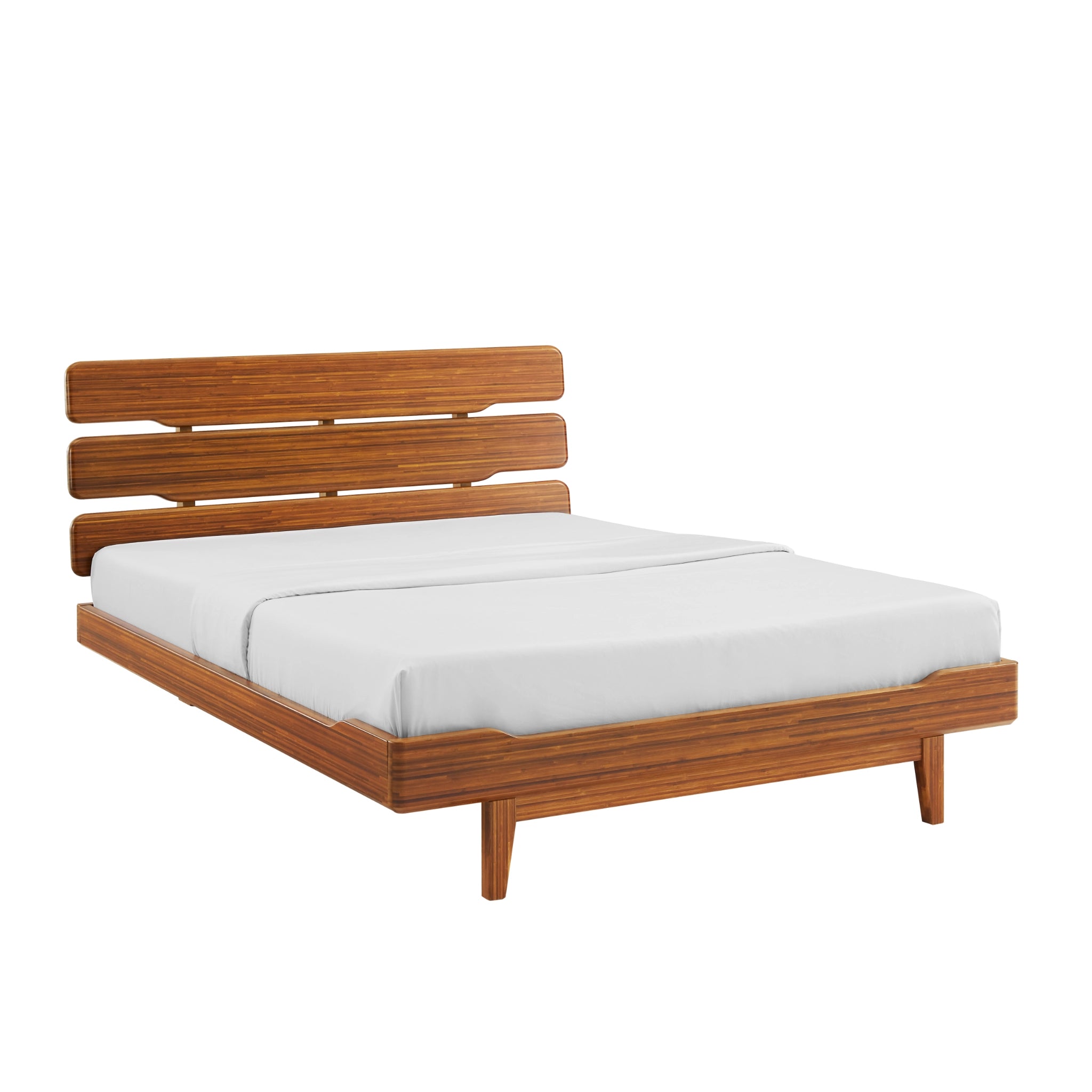
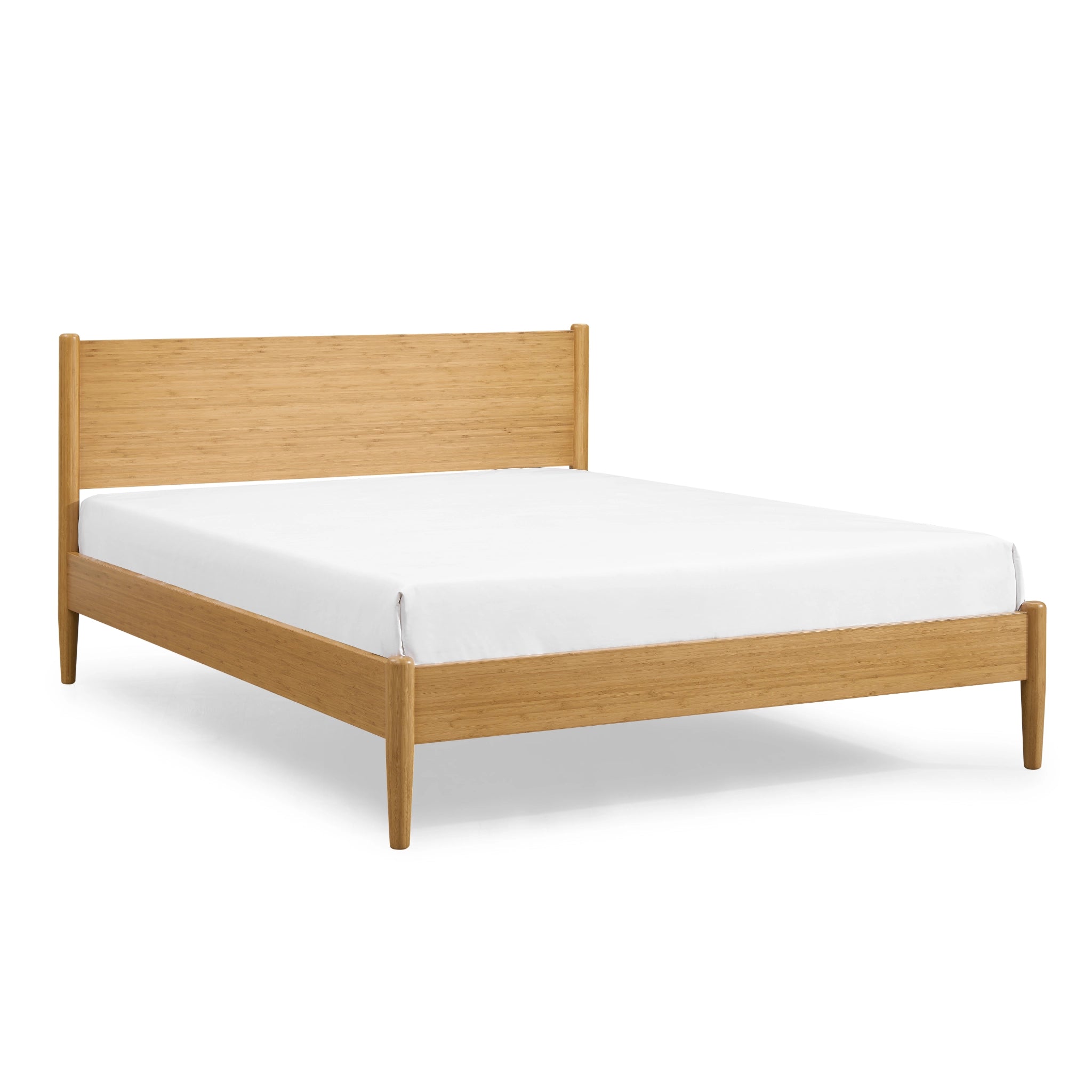
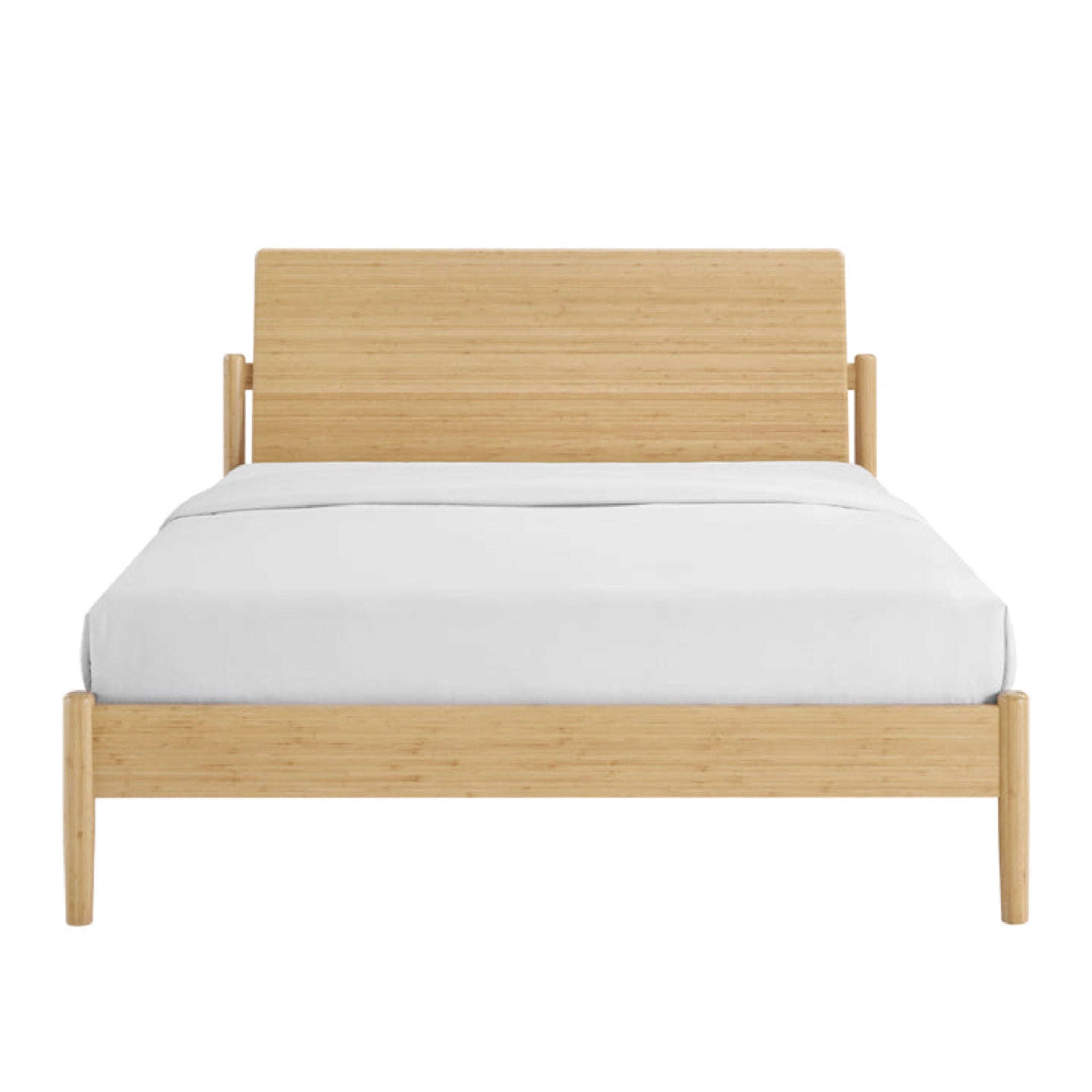
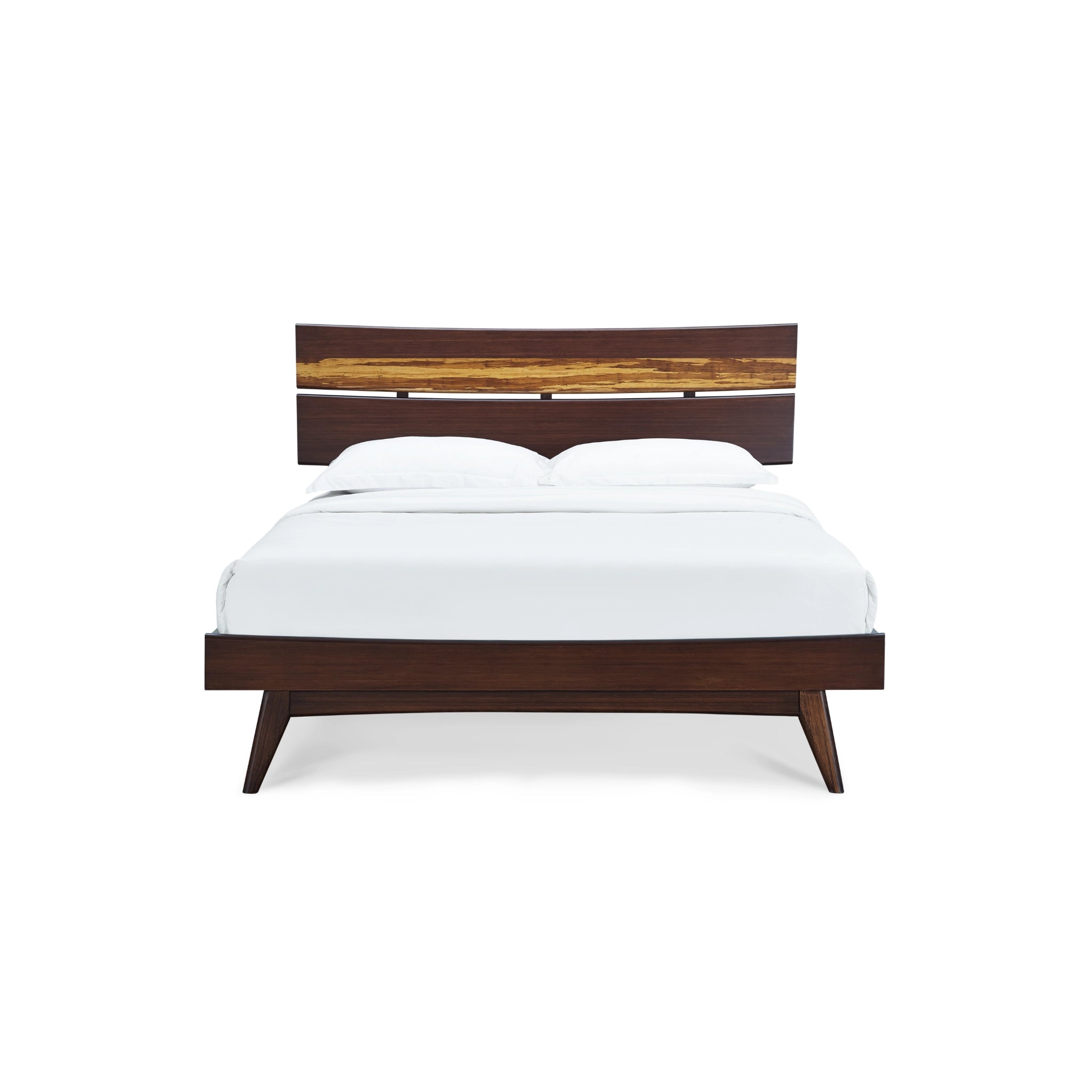
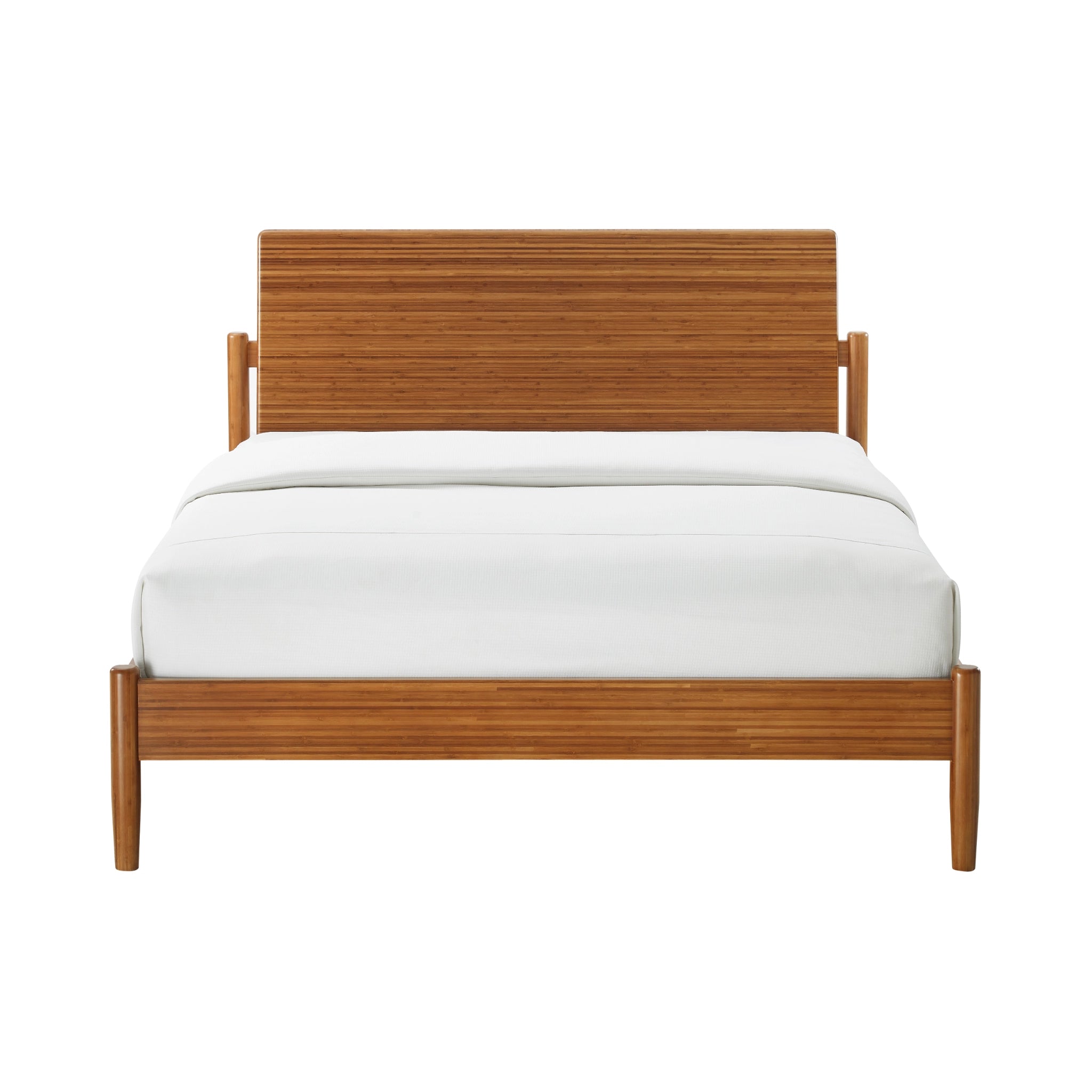
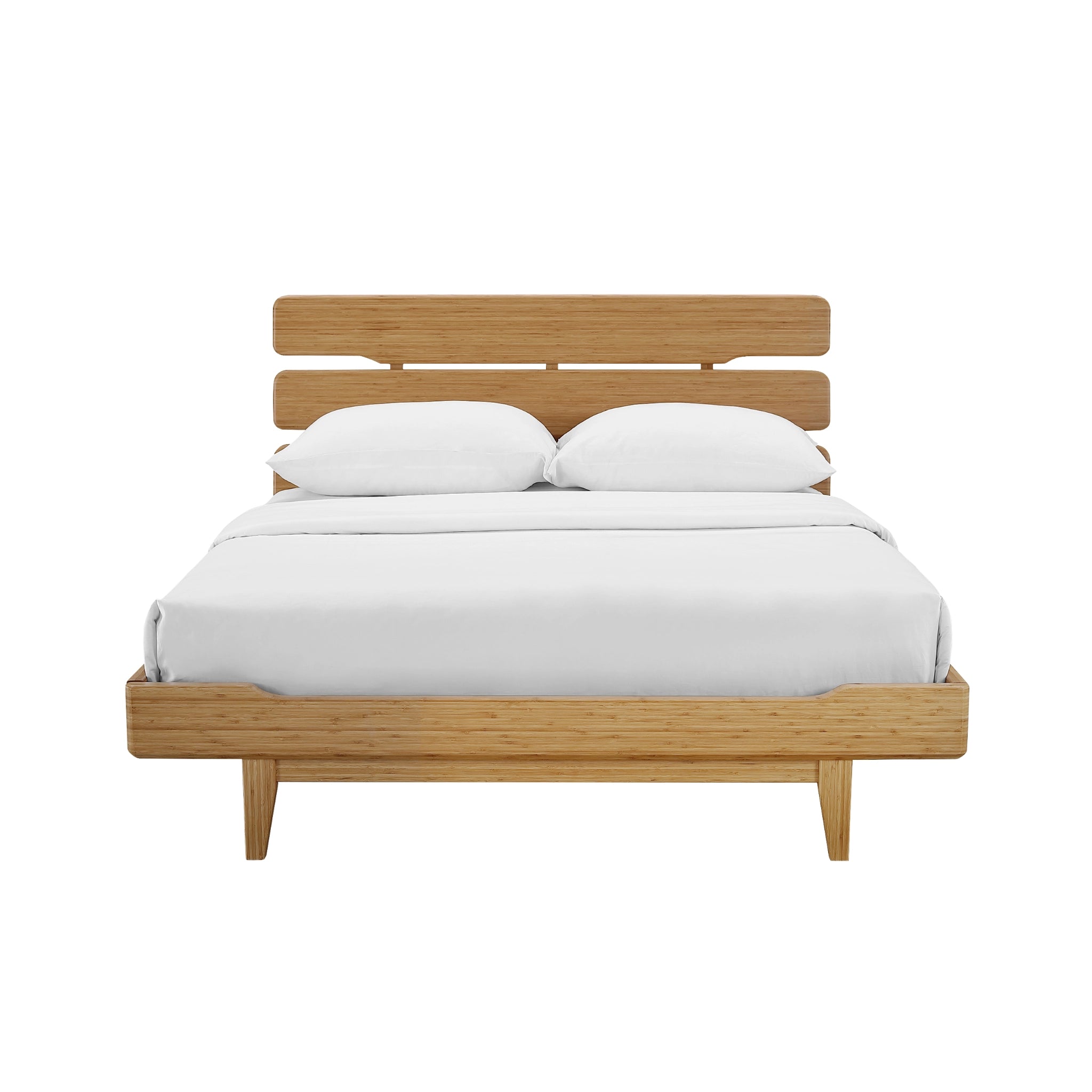
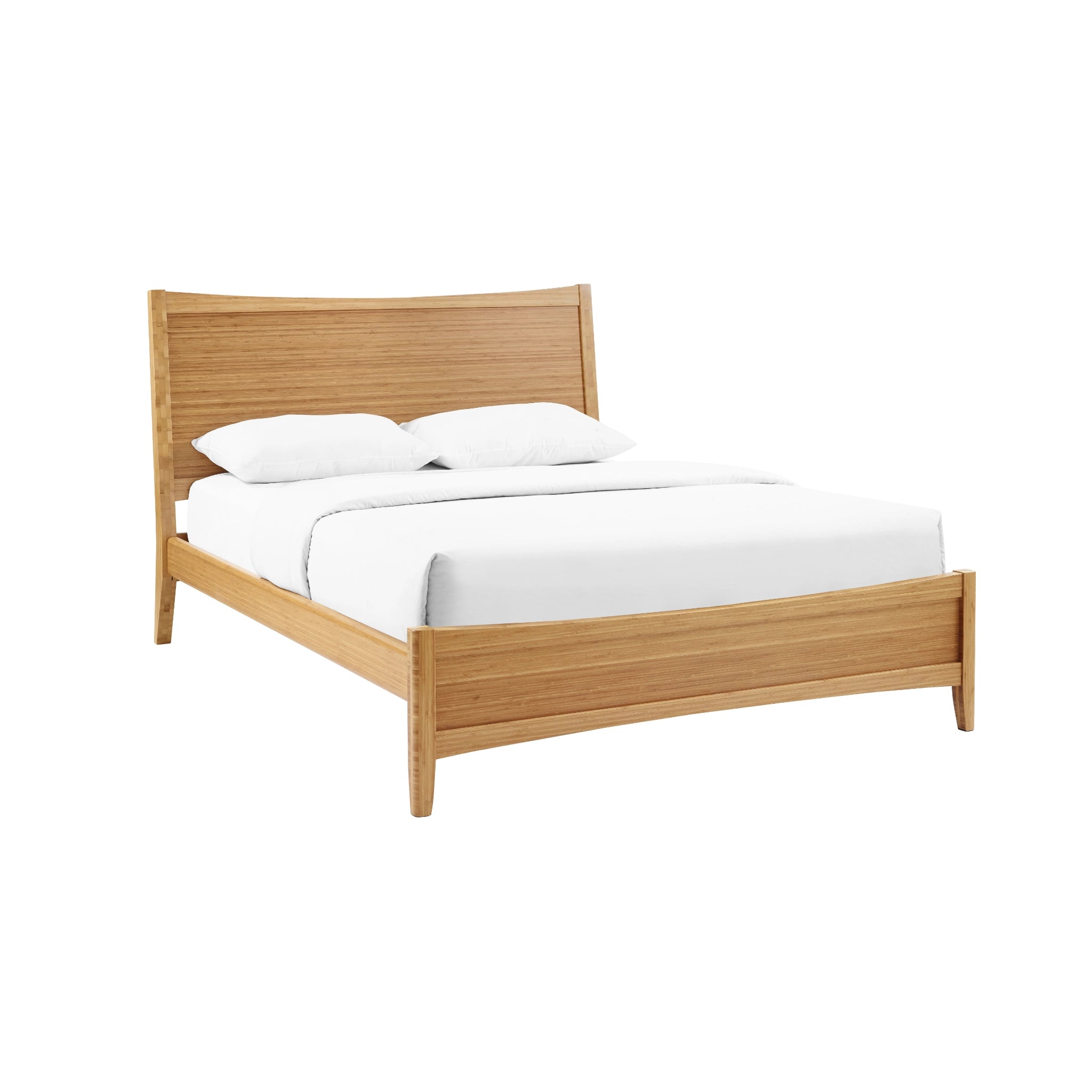
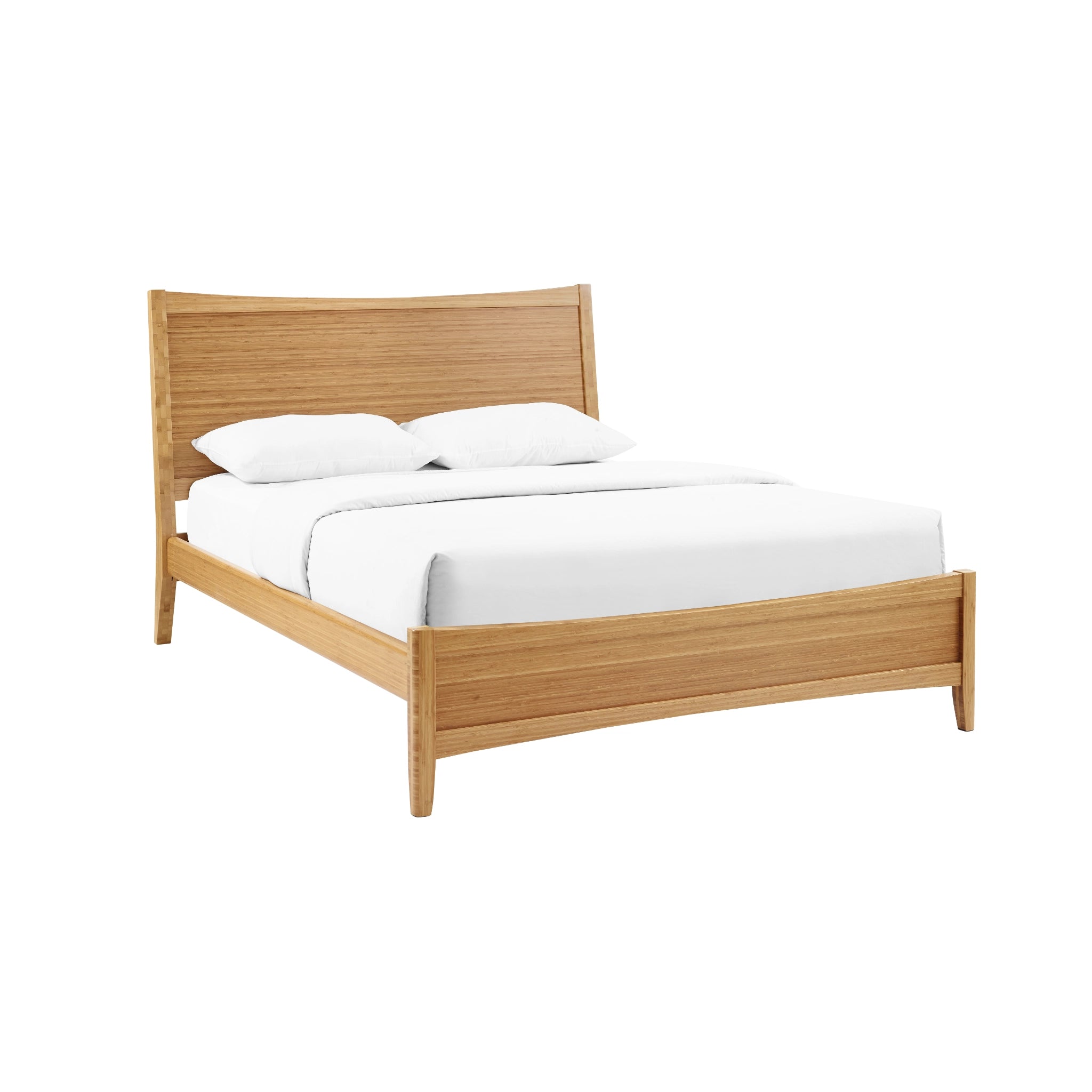
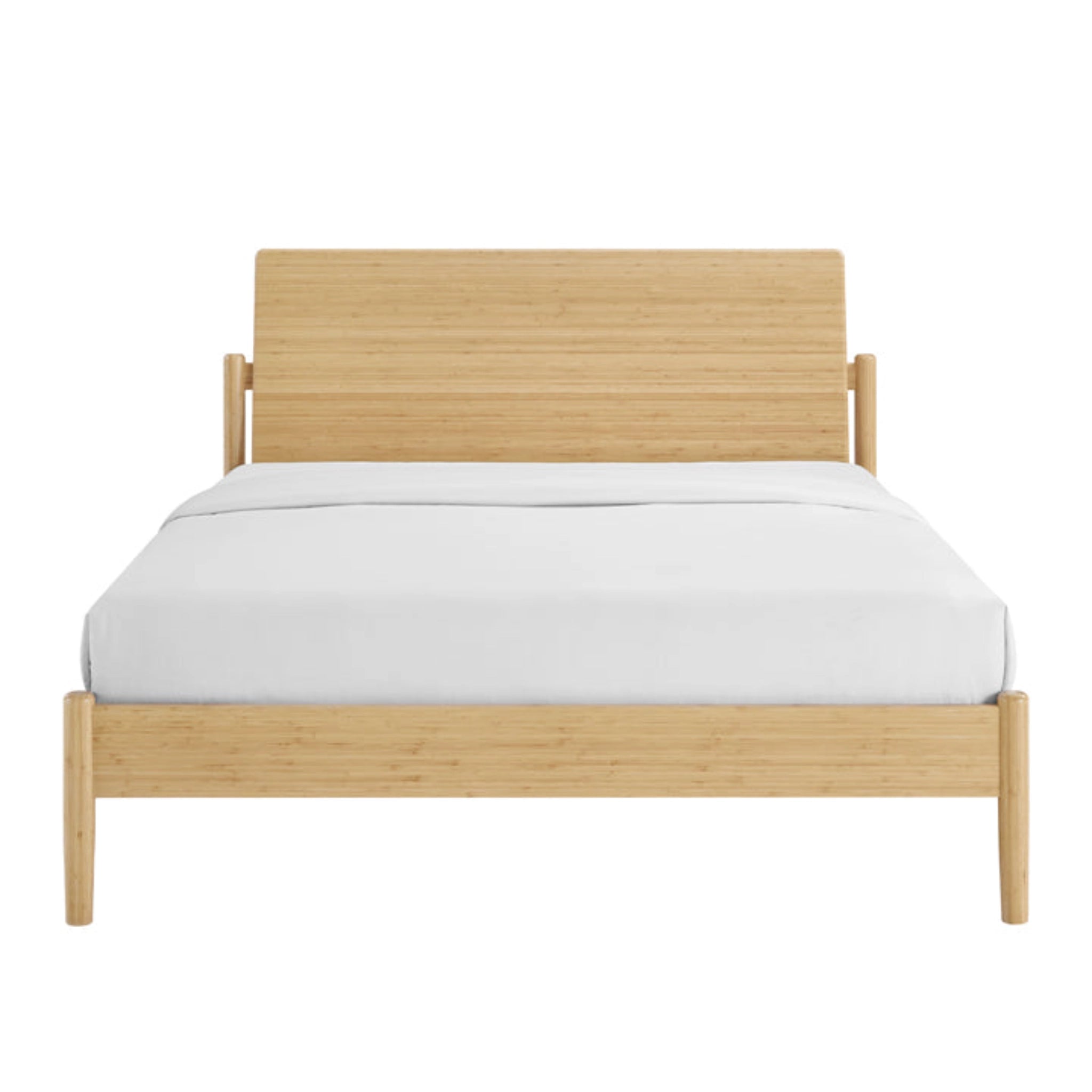
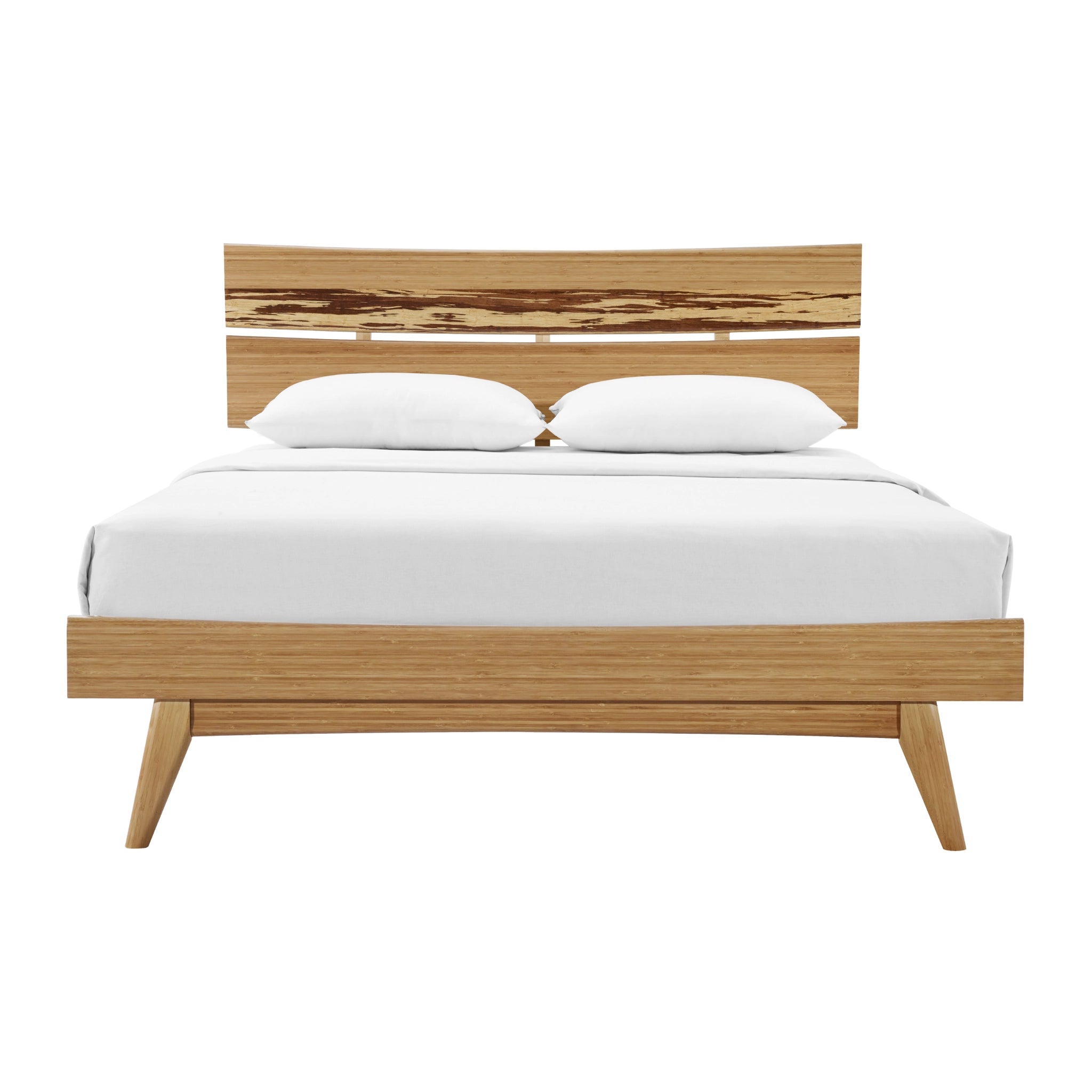
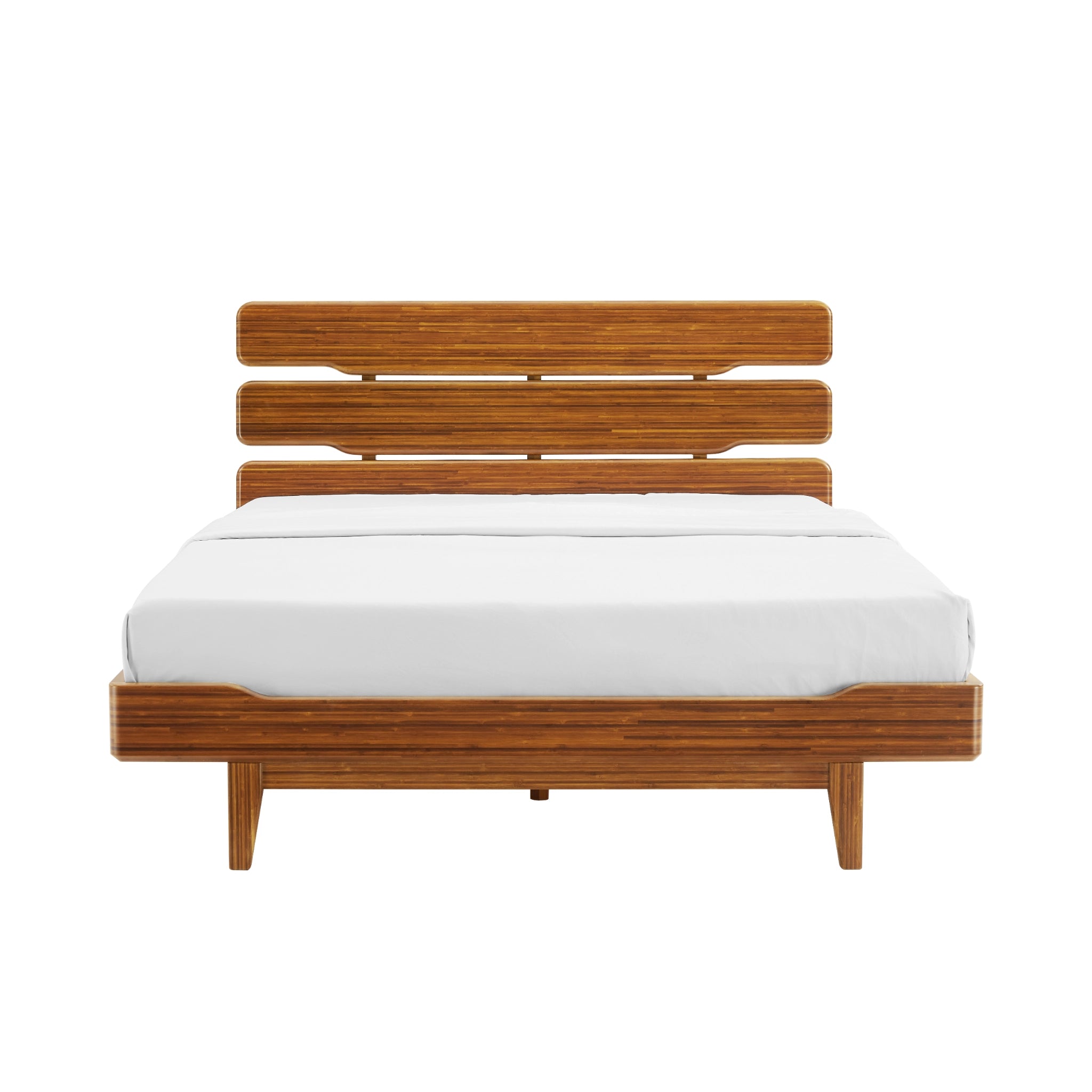
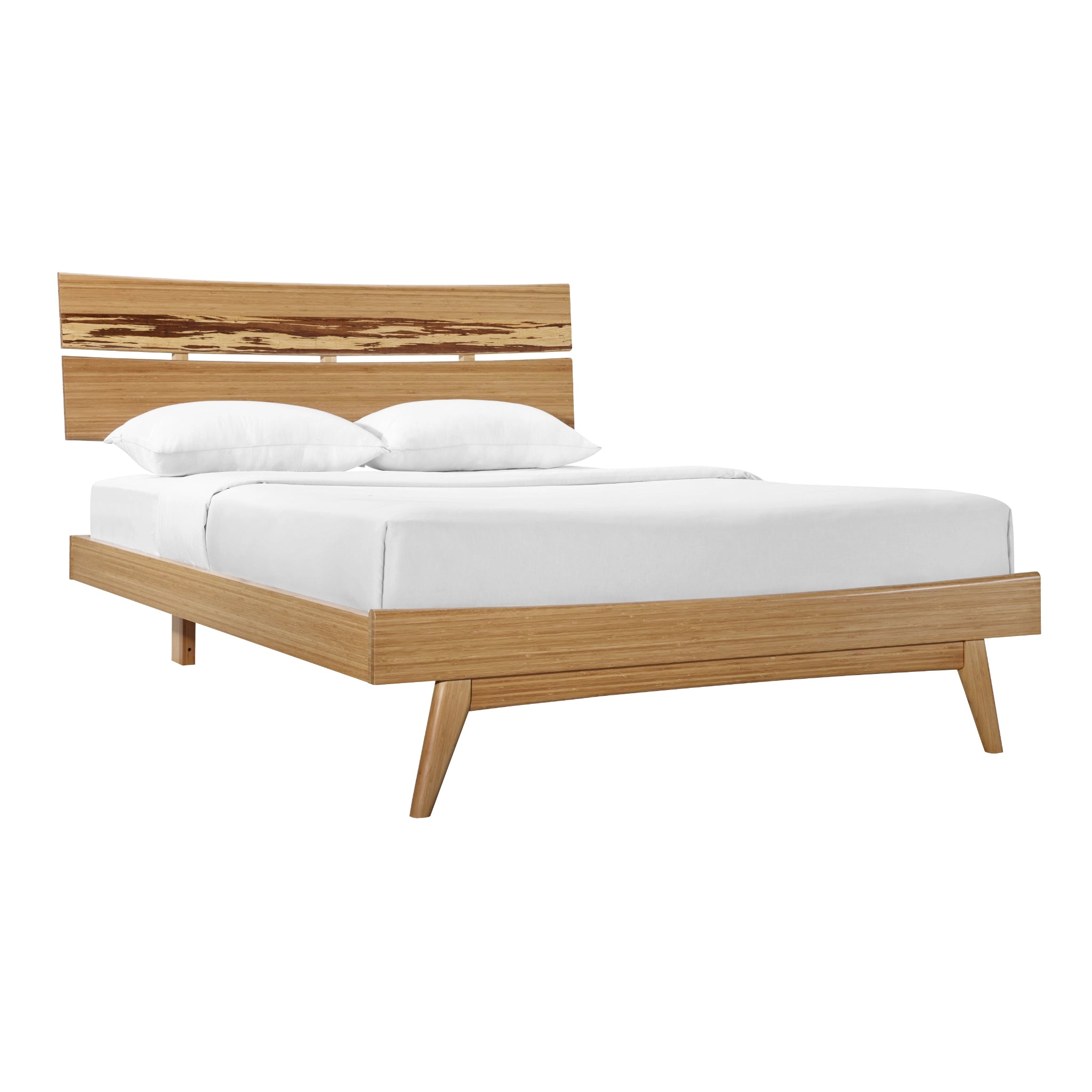
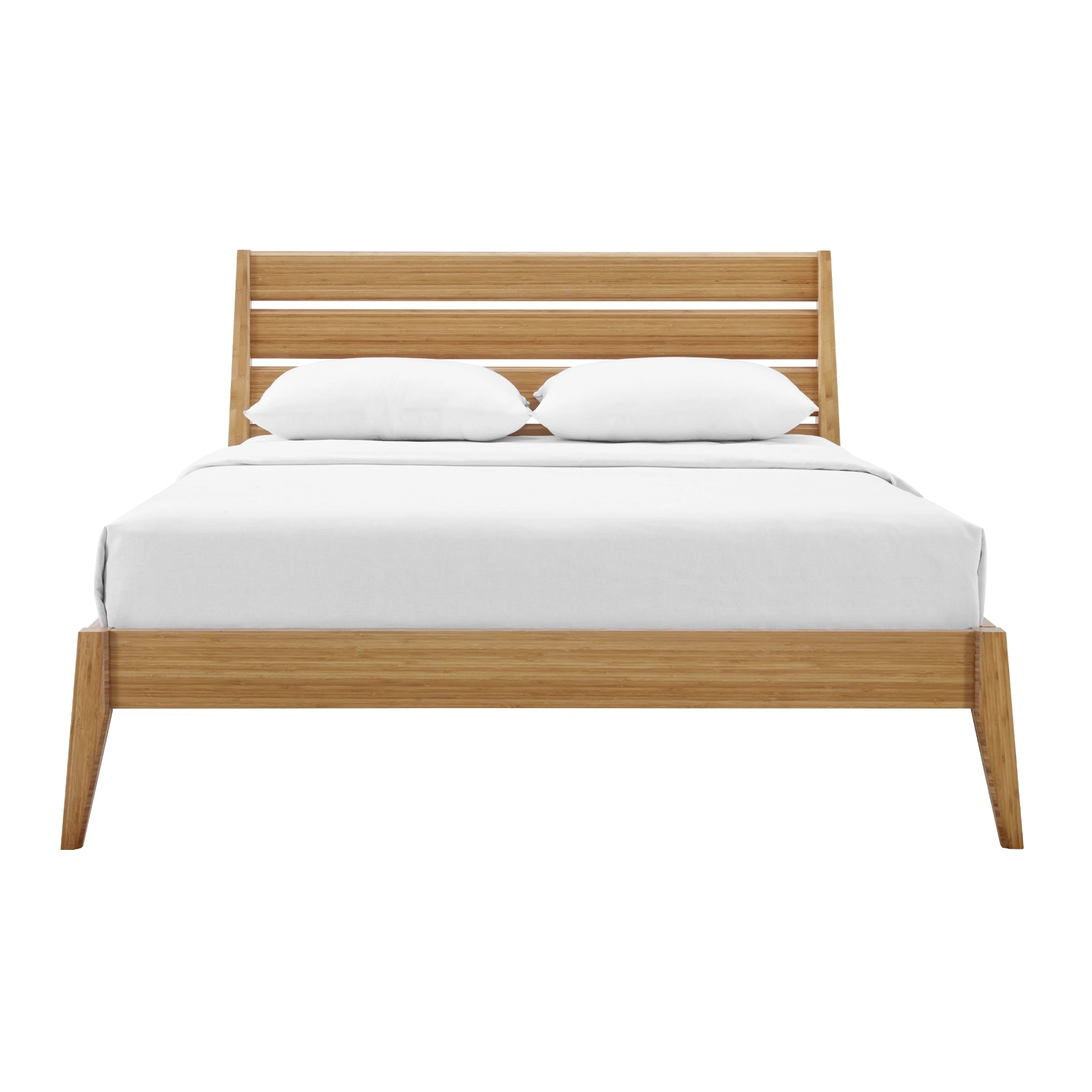
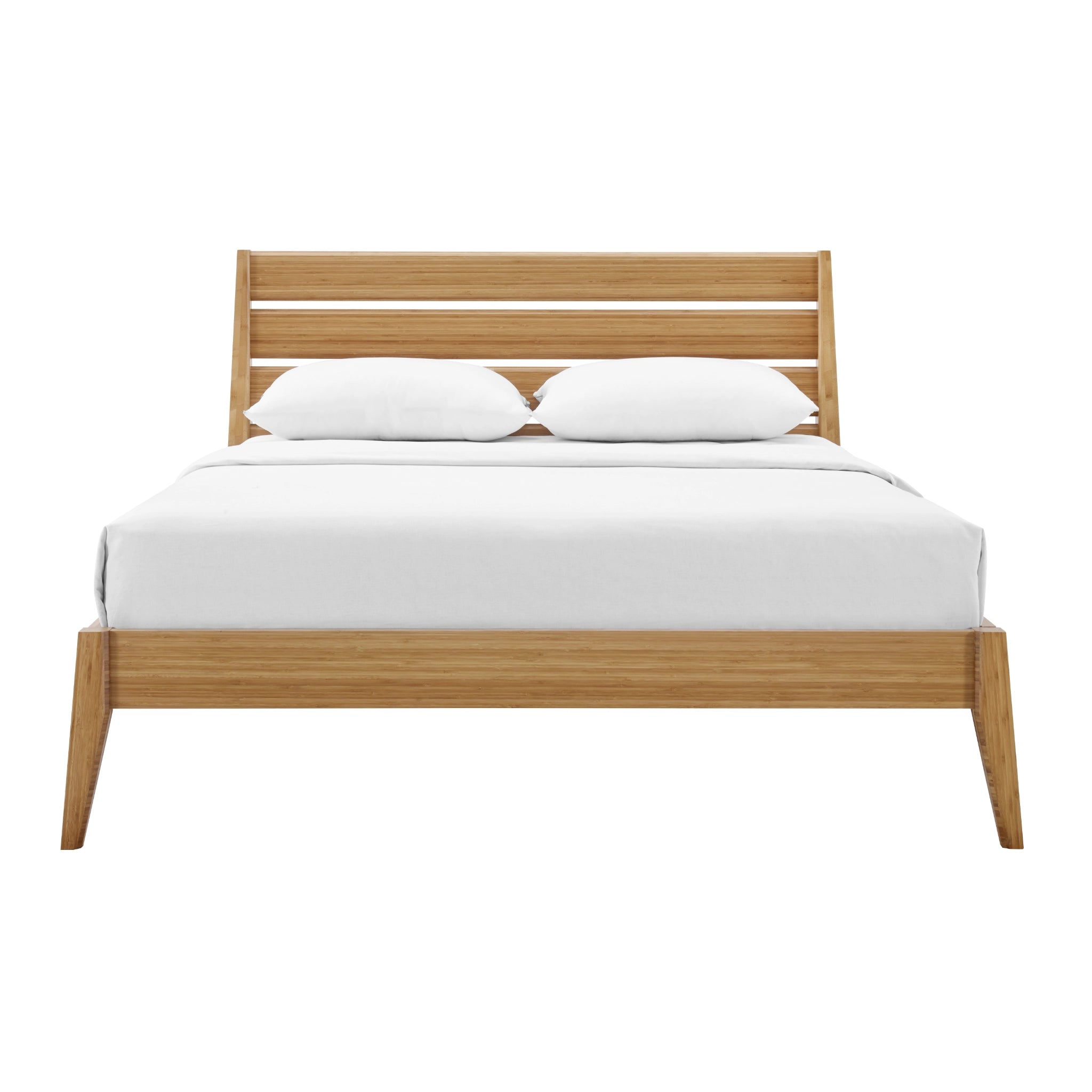
A Japandi bedroom feels most honest when the bed is low, quiet, and absolutely certain of its place in the room. A well considered japandi bed frame keeps the mattress close to the floor so the architecture, textures, and shadows can do most of the work. In this collection, each japandi platform bed is deliberately simple, with softened edges, calm proportions, and a sense of weight that comes from real material rather than ornament.
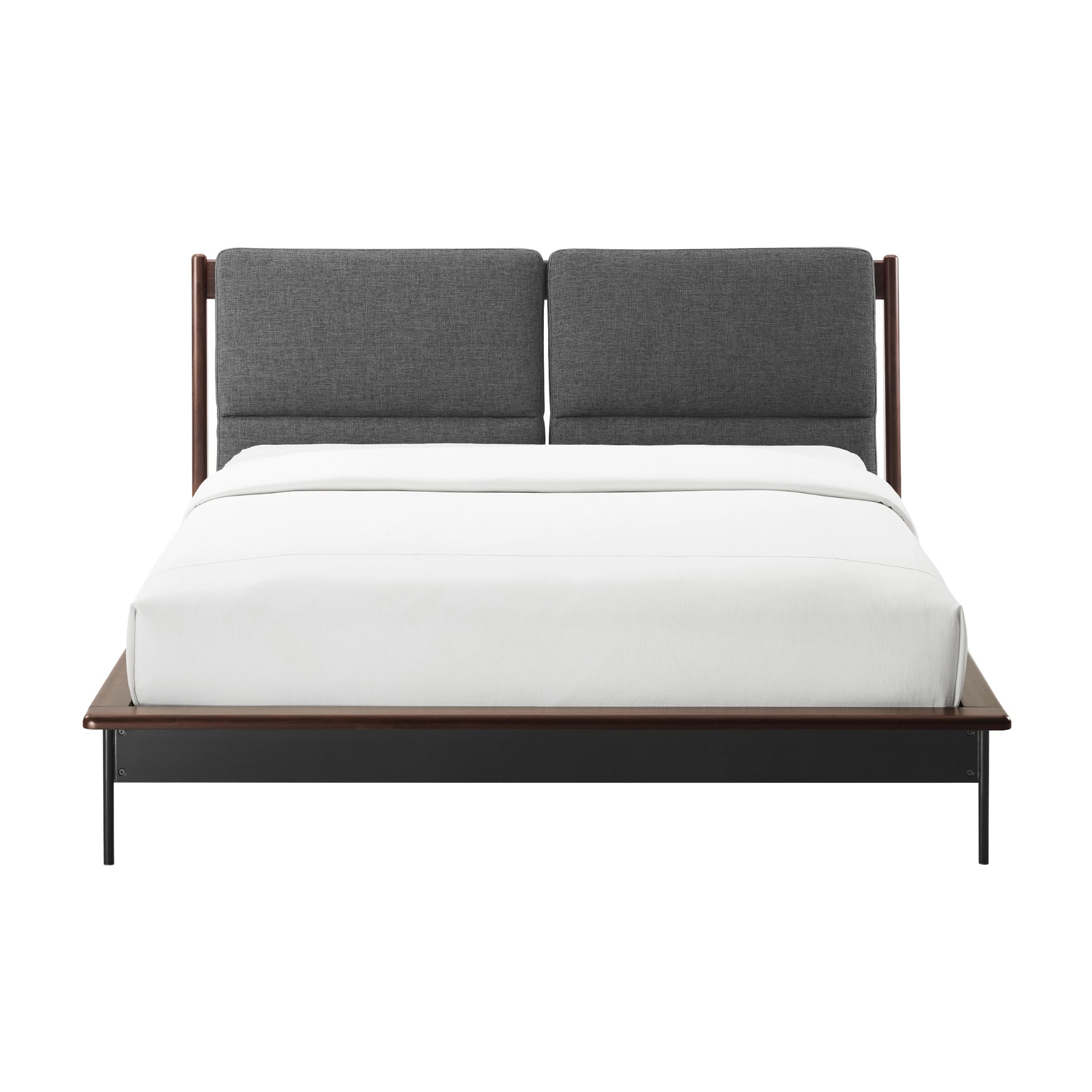
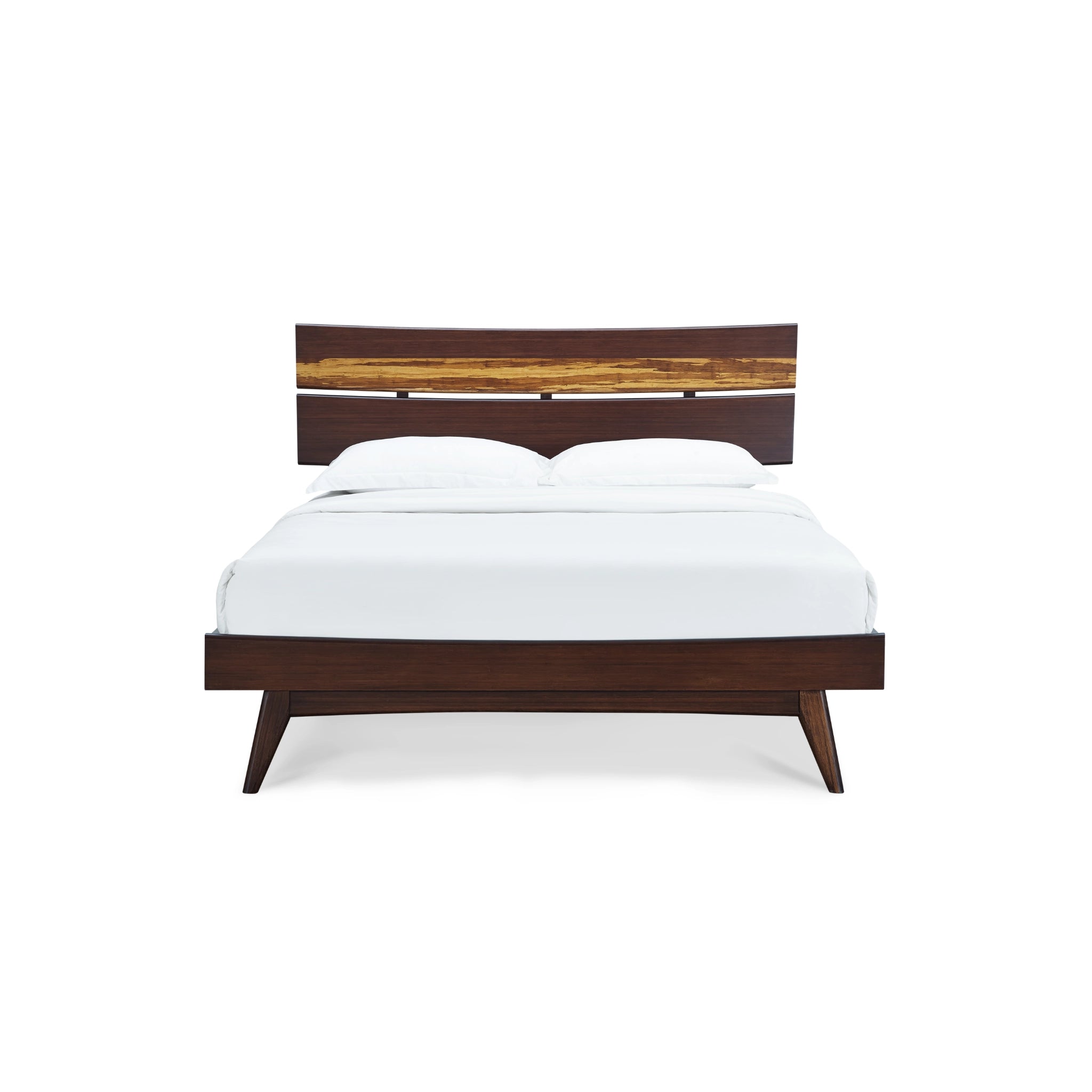
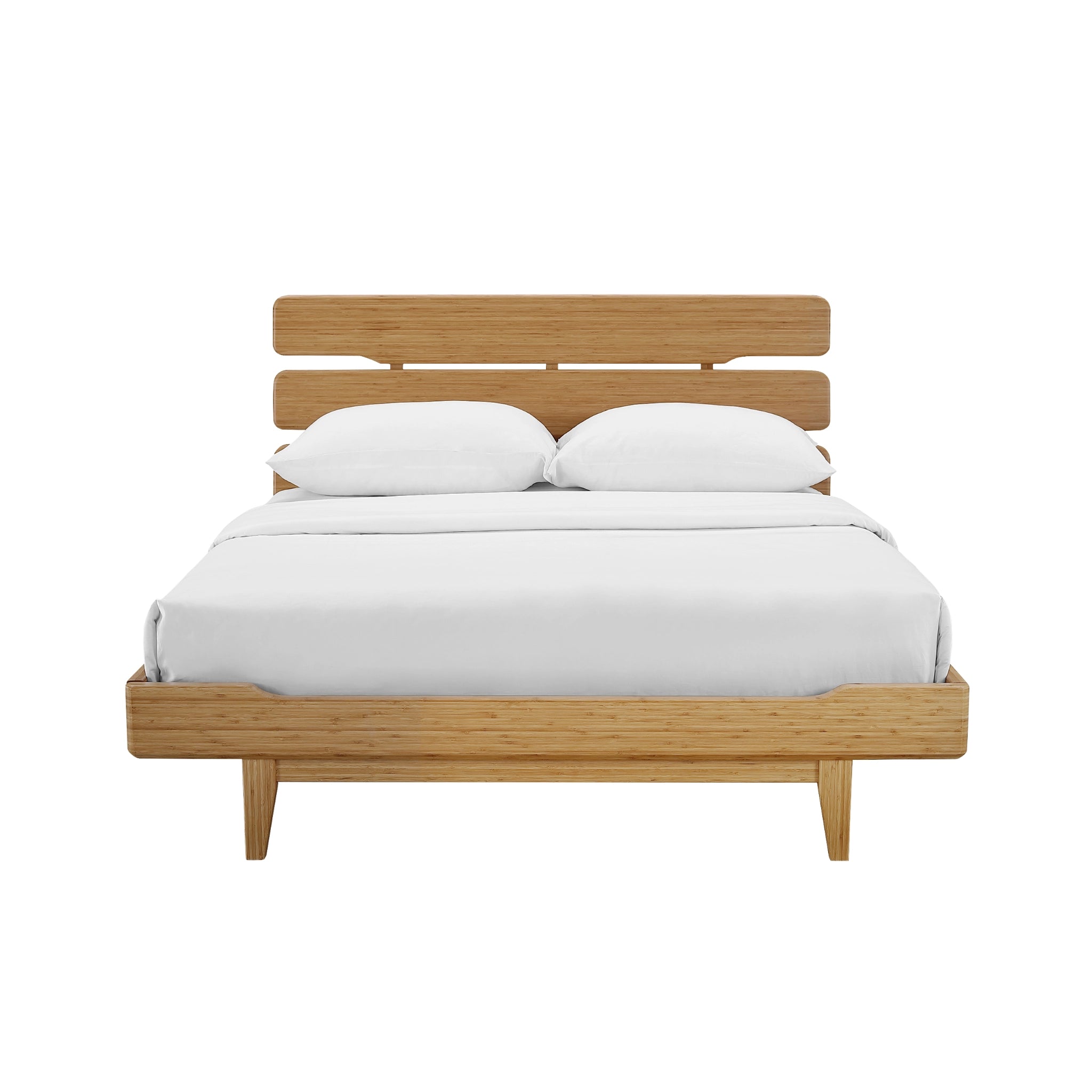
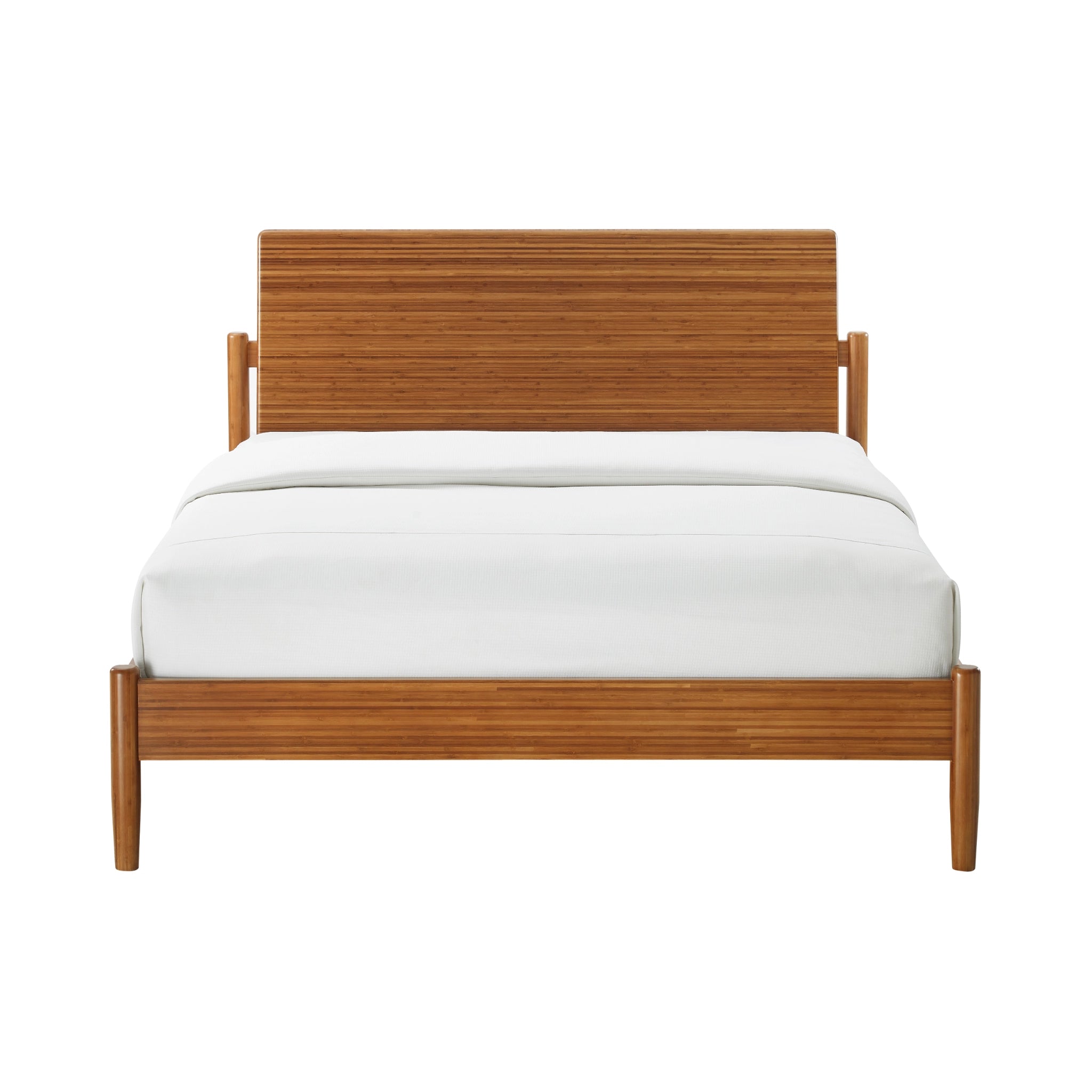
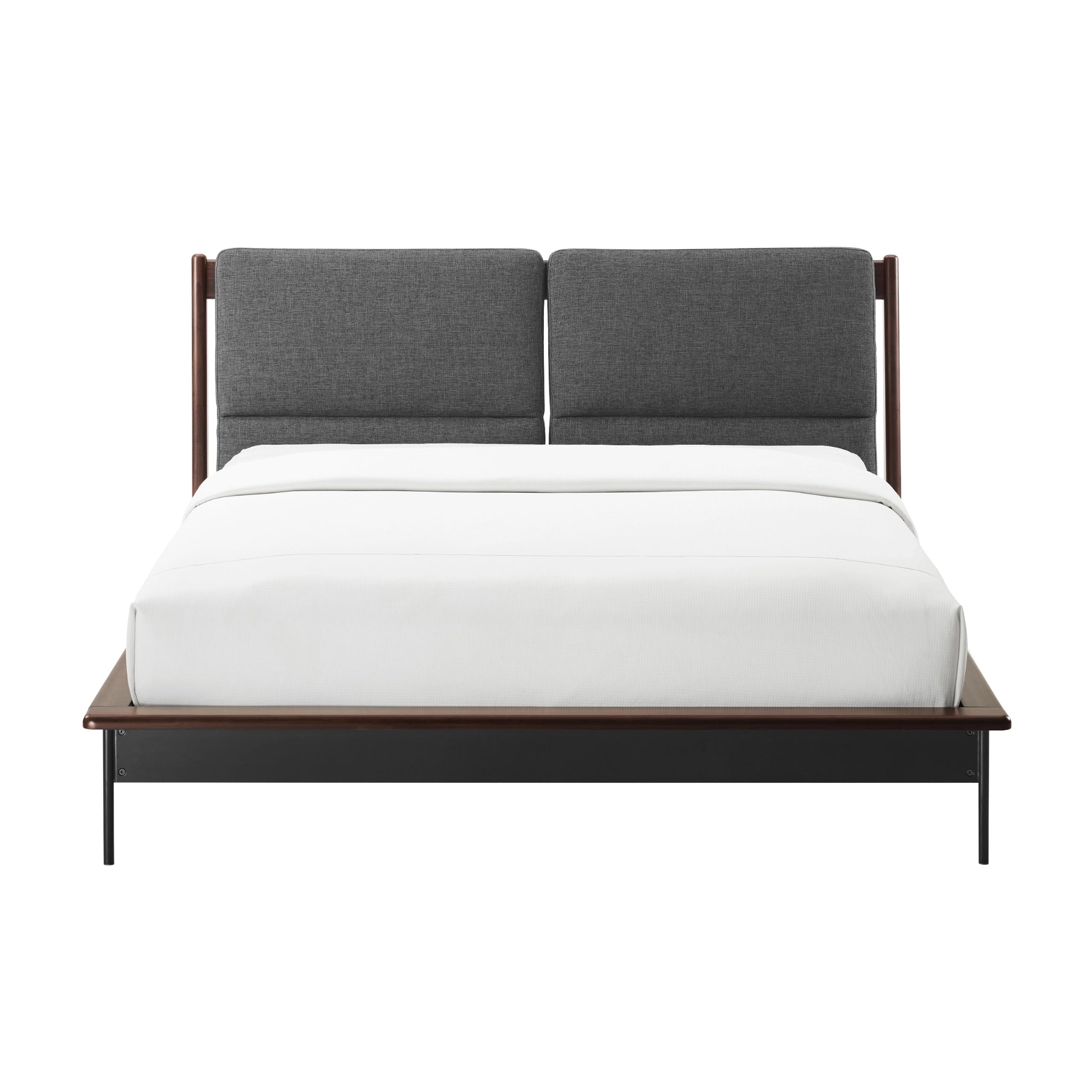
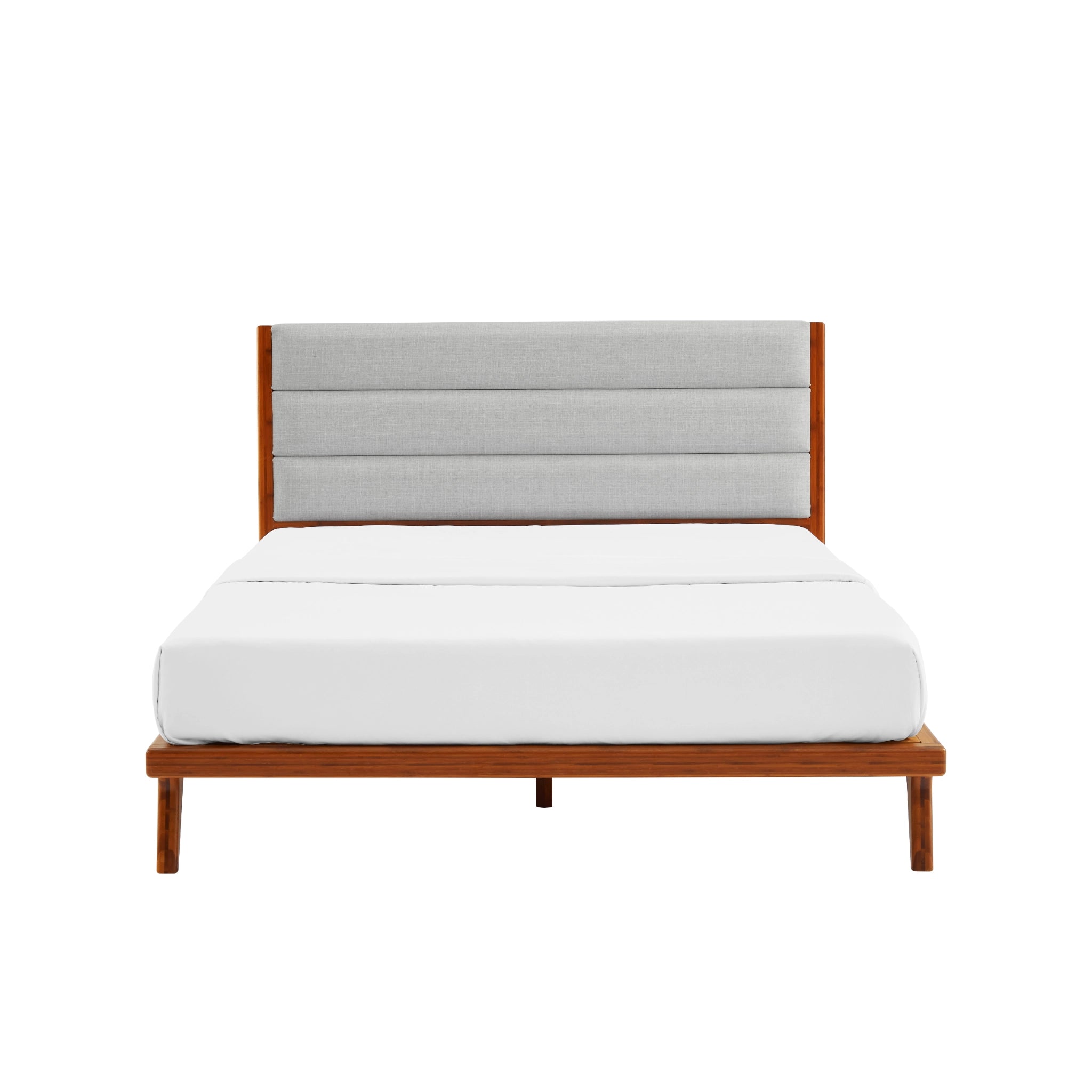
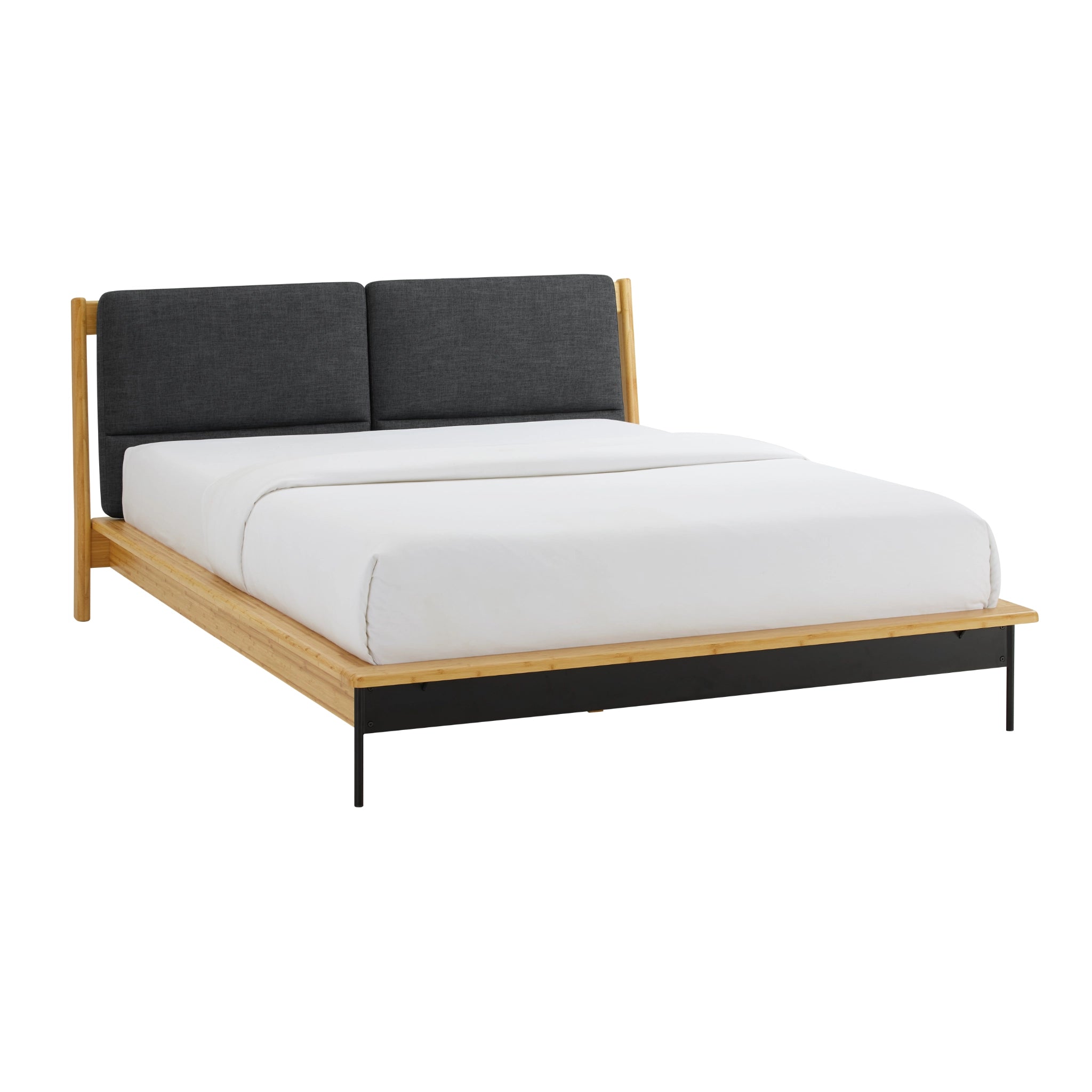
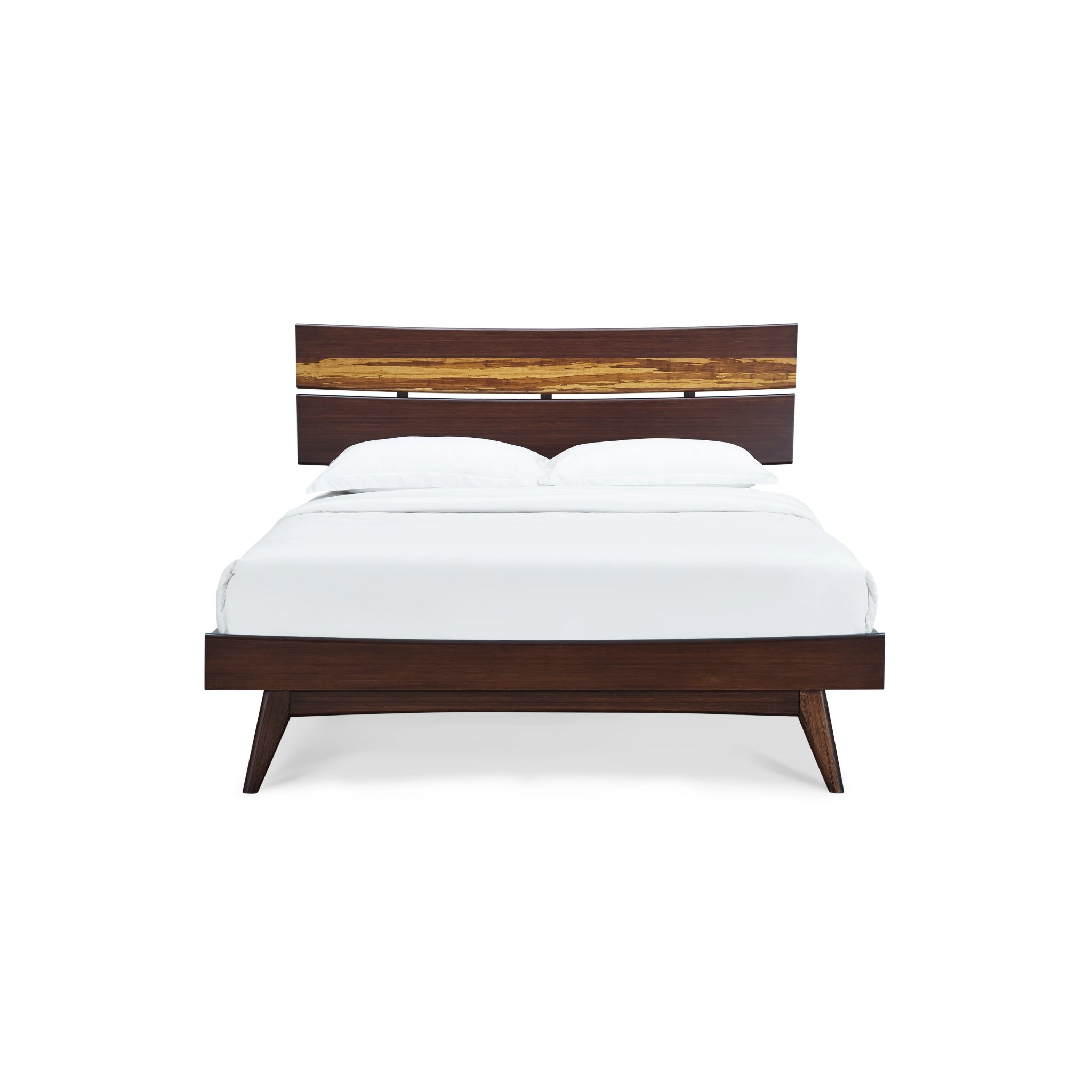
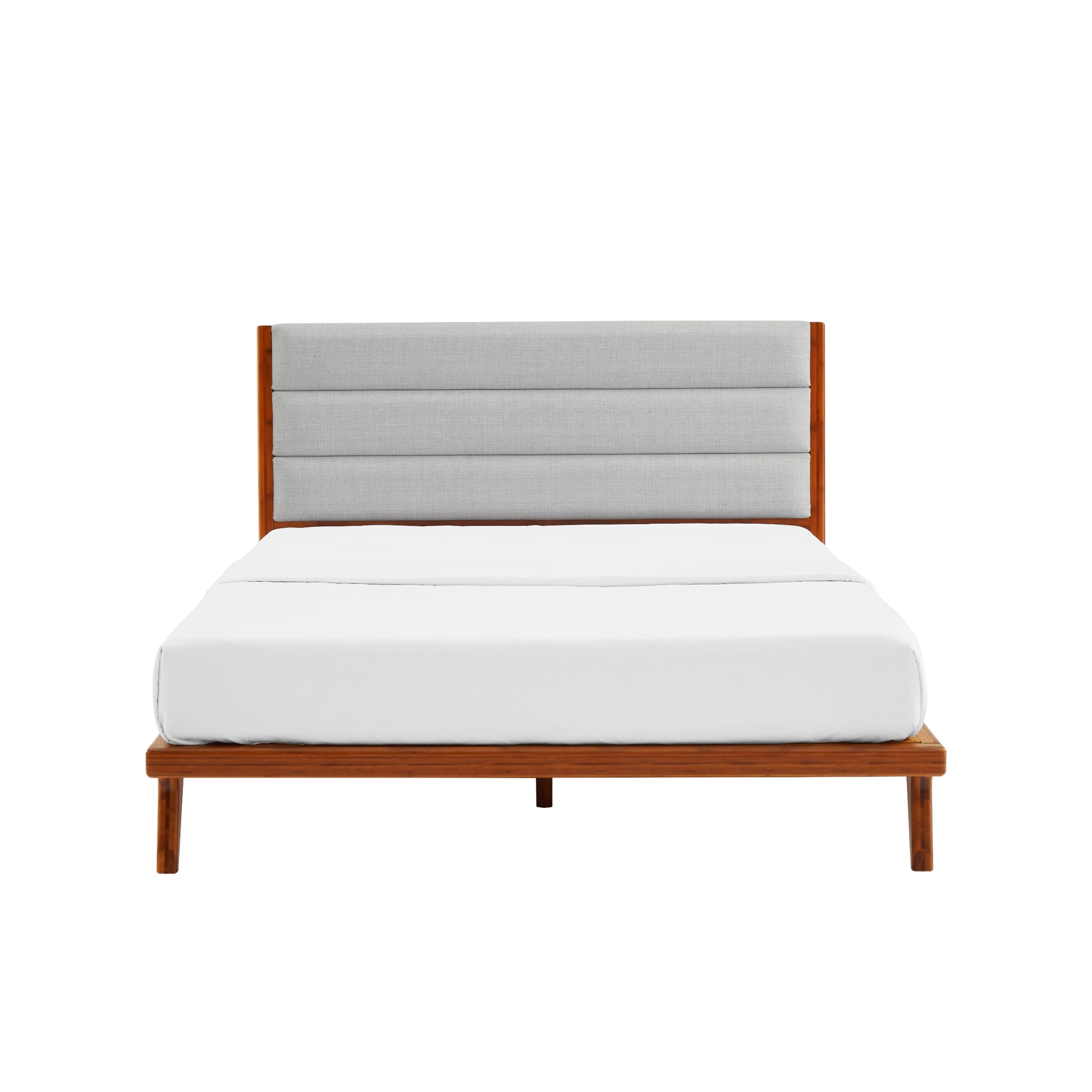
You will see the range. A japandi wooden bed in dark wood that shows its grain, a low profile japandi bed that almost reads as built in, and japandi style beds that balance Scandinavian restraint with Japanese warmth. A japandi headboard might be a slim plank of oak, a woven panel that hints at hand work, or a quiet upholstered plane that supports reading without crowding the wall. Surround these silhouettes with thoughtful japandi bedroom furniture, part of our wider japandi furniture collection, and the space starts to feel like a single composition rather than a set of separate pieces.
At the center of it all sits the minimalist wood bed. In a king or queen size, the frame anchors the room with restrained geometry rather than drama. Twin beds, used in pairs, can turn a guest room into a measured, almost meditative space. California king options belong in wider rooms, where the extended platform and broader headboard can breathe. The intent, as we see it, is that nothing feels rushed or overly styled.
For those building a complete interior, it often helps to see the bed as one element in a larger system of pieces. Pulling in nightstands, consoles, and seating from a collection of luxury modern furniture keeps the level of craftsmanship and finish consistent, so the room reads as intentional, not improvised.
Calm Geometry and Low Profile Proportion
In our view, Japandi beds rely on proportion and restraint more than anything else. When the lines are this quiet, scale becomes the main story.
Most designs sit low. The platform beds keep the mattress closer to the floor, which has a practical and visual effect. In a smaller room, a low frame makes the ceiling feel higher and the walls feel longer. In a larger bedroom, a low profile keeps the composition horizontal, which suits layered rugs, long dressers, and benches at the footboard.
Edges are softened rather than sharpened. Corners are slightly rounded, side rails are slim but confident, and legs are substantial enough to feel stable without looking heavy. Headboards are sized to balance the mattress and the wall. A tall panel may be right for a primary bedroom, while a shorter headboard works better in a room with lower ceilings or layered art. Even when the design leans more contemporary, the geometry stays calm and human.
From our perspective, the frame should feel like a small piece of architecture. A plane of wood, a pad of fabric, a few lines that relate to the other horizontal and vertical elements in the space. Nothing extra, nothing missing.
Materials: Wood, Upholstery, and Honest Finish
To the best of my knowledge, Japandi works only when the materials feel honest. That starts with wood.
A japandi wooden bed most often uses solid wood or carefully selected veneers over a strong core. Oak, ash, and other hardwoods with visible grain give the frame a natural rhythm. Dark wood finishes deepen the mood and pair well with darker walls and layered textiles. Mid tone woods feel softer and more flexible, especially if you are blending existing pieces from different eras. Platform beds in wood with clean rails, carefully resolved joints, and consistent grain feel both modern and quietly traditional.
Upholstery appears where comfort and warmth matter most. Fabric wrapped headboards in linen, wool blend, or textured weaves create a soft surface for your back and introduce another layer of texture. Leather can be beautiful in this context when it is matte and allowed to develop a patina instead of staying glossy. A smooth padded panel fits the aesthetic better than deeply tufted surfaces, since it lets light move across the headboard without visual noise.
Metal details stay small and functional. You might see dark metal brackets, carefully proportioned legs, or discreet fasteners, but they sit in the background. The overall feeling should be of wood, fabric, and light, not of hardware.
For anyone building a darker, more atmospheric home that still leans minimal, it can be helpful to browse a broader palette of Moody home decor to see how these woods and textiles interact with lighting, wall color, and art.
Choosing Size and Height for a Japandi Bedroom
In our judgment, choosing the right scale is where most people need the most guidance. You are not just choosing a size label, you are balancing the bed against the room.
A king frame works well in a larger primary bedroom, particularly if the room is wide or if you plan to float generous nightstands on either side. The bed becomes a low island, with space to walk comfortably around it. A queen size is more flexible. It fits easily in most bedrooms, still feels generous for two people, and often leaves more breathing room for dressers, seating, or a desk.
Twin beds are powerful tools in guest rooms and long spaces. Two low frames with a shared headboard or shelf between them can make a narrow room feel intentional rather than compromised. California king sizes, on the other hand, are best reserved for rooms that can truly handle the additional length without blocking circulation.
Height matters as much as footprint. Very tall frames and very thick mattresses can make a bed feel top heavy, which is at odds with Japandi’s grounded aesthetic. In our experience, most people are most comfortable when the top of the mattress lands somewhere near knee level for easy sitting and standing. A low profile platform keeps that height in check, even if the mattress itself is substantial.
If you want to compare these choices against other silhouettes, AURA’s wider collection of modern platform beds can help you see how different headboard heights, rail thicknesses, and leg styles behave in a room.
Storage, Structure, and Quiet Utility
Japandi interiors may look serene, yet they still need to hold the real contents of a life. That is where storage and construction details quietly matter.
Some frames in this collection integrate storage drawers within the platform. When those drawers sit flush with the rails, finished in the same wood, and open without heavy hardware, the overall silhouette stays calm. This is especially useful in smaller bedrooms, guest rooms, or apartments where a separate chest of drawers would make the space feel crowded. You gain storage without sacrificing the line of the bed.
Structure is less visible but equally important. A true platform base or robust slat system supports the mattress evenly, which protects both comfort and longevity. Hardware should pull the joints tight so the frame feels solid and quiet when you move. In our experienced opinion, you know you have the right frame when you stop thinking about it altogether and simply sleep.
This is where craftsmanship shows itself. Clean joinery, properly sized rails, and thoughtful transitions from leg to frame all contribute to a sense of ease. Even if the design reads as light and minimal, the underlying construction should feel substantial in the hand.
Layering Japandi Bedroom Furniture Around the Bed
From our vantage point, a Japandi bed is the starting point, not the whole story. The room comes together through a sequence of pieces that each know their role.
Nightstands should feel related to the bed, either by wood tone, leg profile, or overall weight. If the frame is very low, you might choose slightly taller tables so your lamp and book land within easy reach. If the headboard is tall and strong, lower nightstands will keep the composition from feeling top heavy. Simple drawers or open shelves help with everyday storage without adding clutter.
Dressers and storage pieces should share the same philosophy. Clean fronts, minimal hardware, and proportions that neither dwarf nor disappear next to the bed. A bench at the foot can provide a place to sit, lay out clothing, or stack books. It also acts as a bridge between the low bed frame and the rest of the furniture.
Color and texture remain restrained. Muted earth tones, soft greys, deep browns, and a controlled use of black let the grain of the wood and the weave of the textiles stand out. A rug sized so it extends well beyond the sides and foot of the bed helps anchor the entire arrangement and softens acoustics.
Lighting should feel warm and considered rather than bright and even. A pair of small lamps, a slim floor lamp, or wall lights with soft shades can keep the space intimate. In a room built around Japandi principles, the bed reads as the calm center that everything else orbits.
This Collection
In our careful evaluation, this Japandi beds collection is built around clarity, restraint, and long term use. Within it, you will find:
- Japandi bed frames in king, queen, full, and twin sizes, scaled for both primary suites and smaller rooms
- Japandi platform bed designs in solid wood, many with low profile platforms that sit close to the floor
- A range of japandi wooden bed silhouettes, from very minimal frames to pieces with slightly more sculpted headboards
- Low profile japandi bed options that nearly blend into the architecture, ideal for darker, more cinematic interiors
- Japandi style beds with simple japandi headboard treatments in wood and fabric, plus select frames with integrated storage drawers for real world function
- Minimalist wood bed designs that pair naturally with other modern and traditional pieces without feeling trend driven
To the best of our knowledge, Japandi is at its strongest when the bed feels like an essential, not an accessory. These pieces are chosen to do exactly that. They hold the room steady, let the materials and light speak, and quietly support the way you rest, read, and live inside a darker, more layered home.