
Office Furniture
Study By Aesthetic




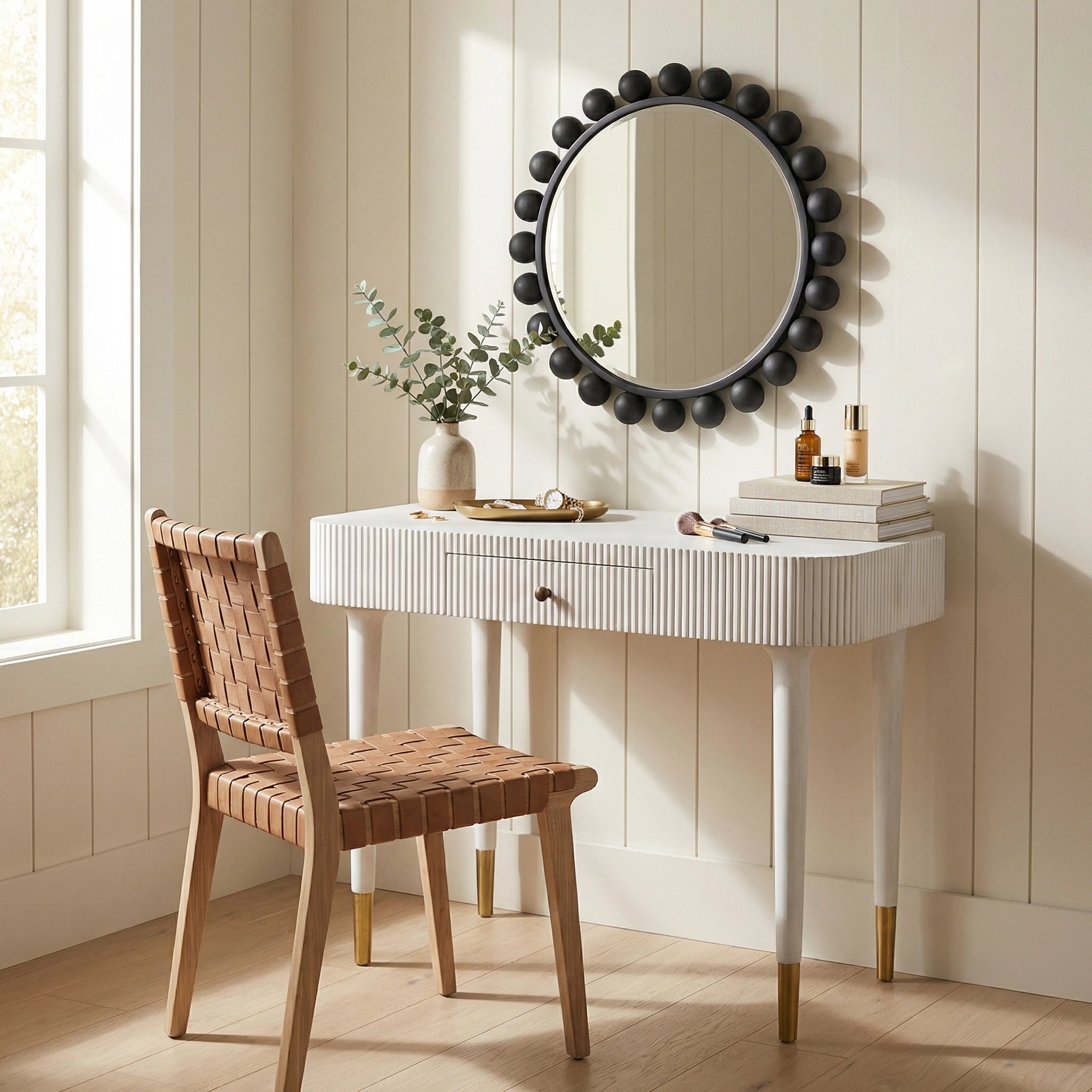


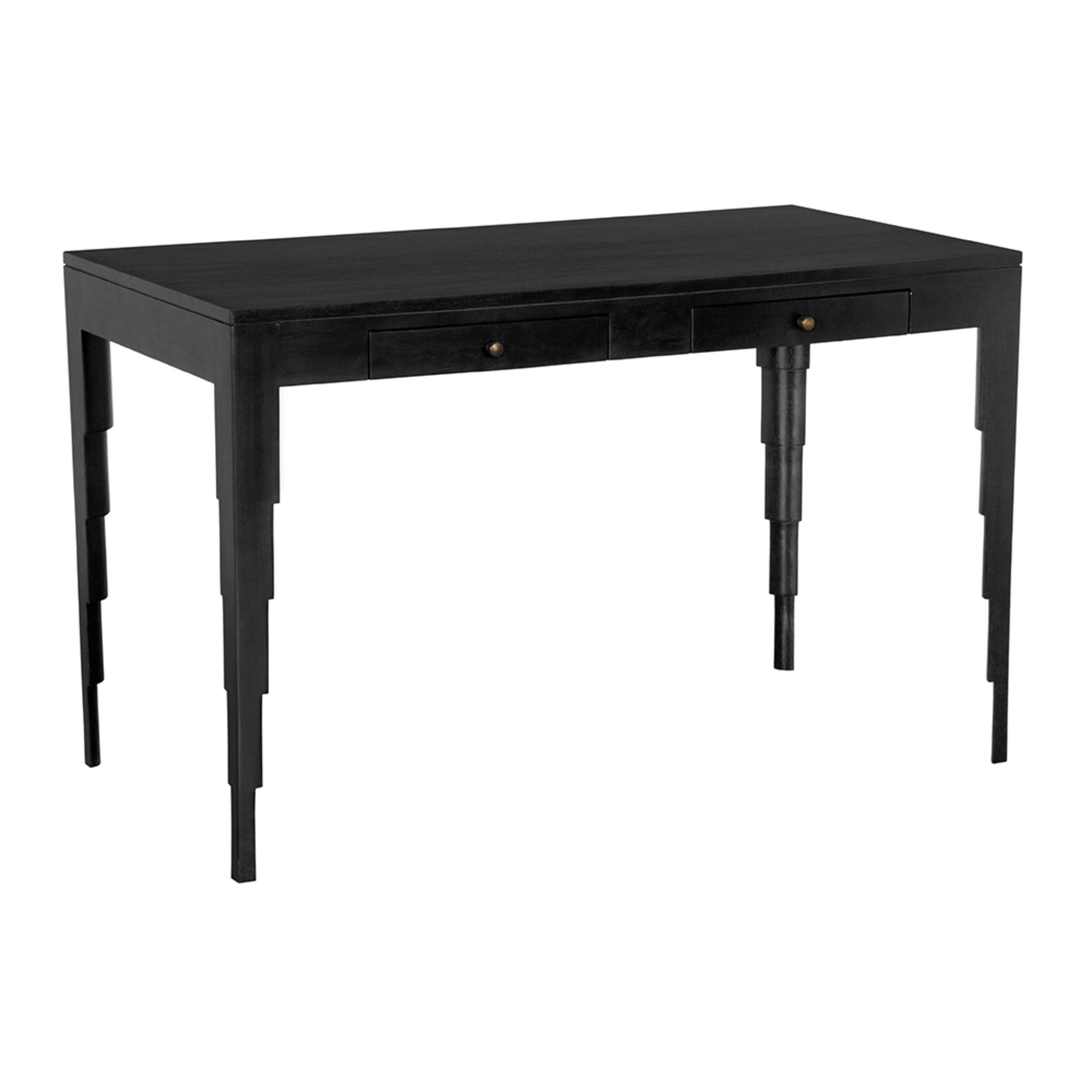
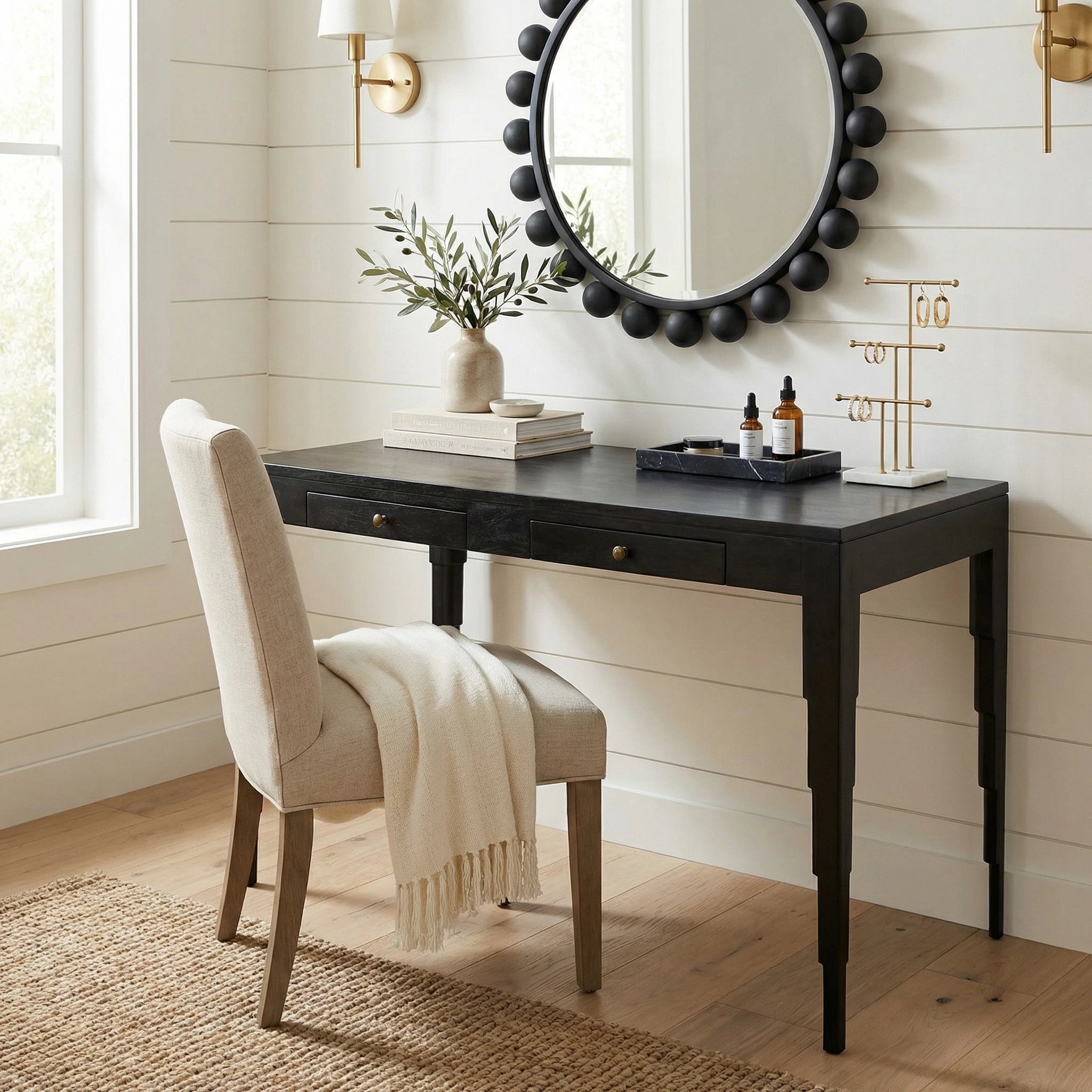


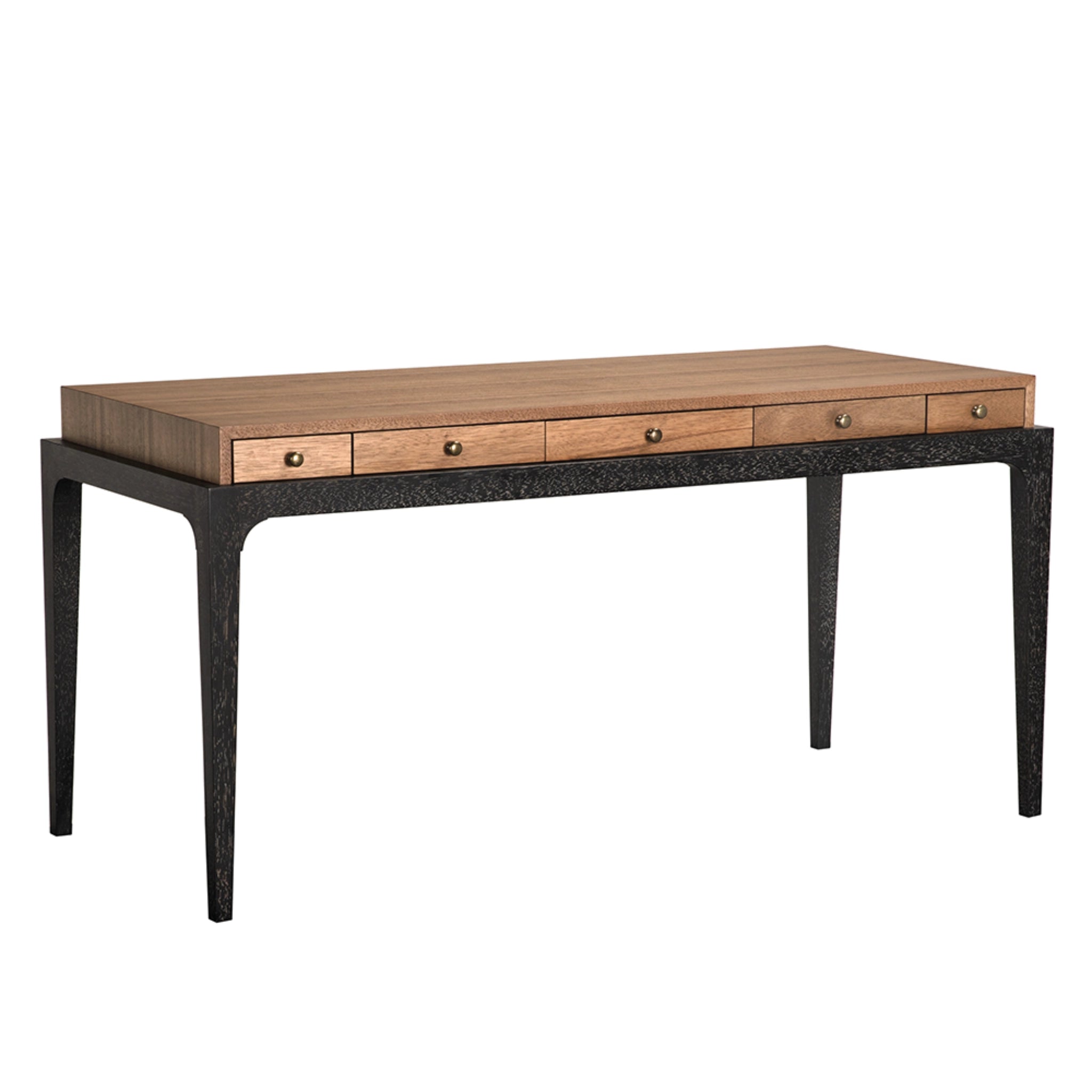




Office and Study, Built for Focus
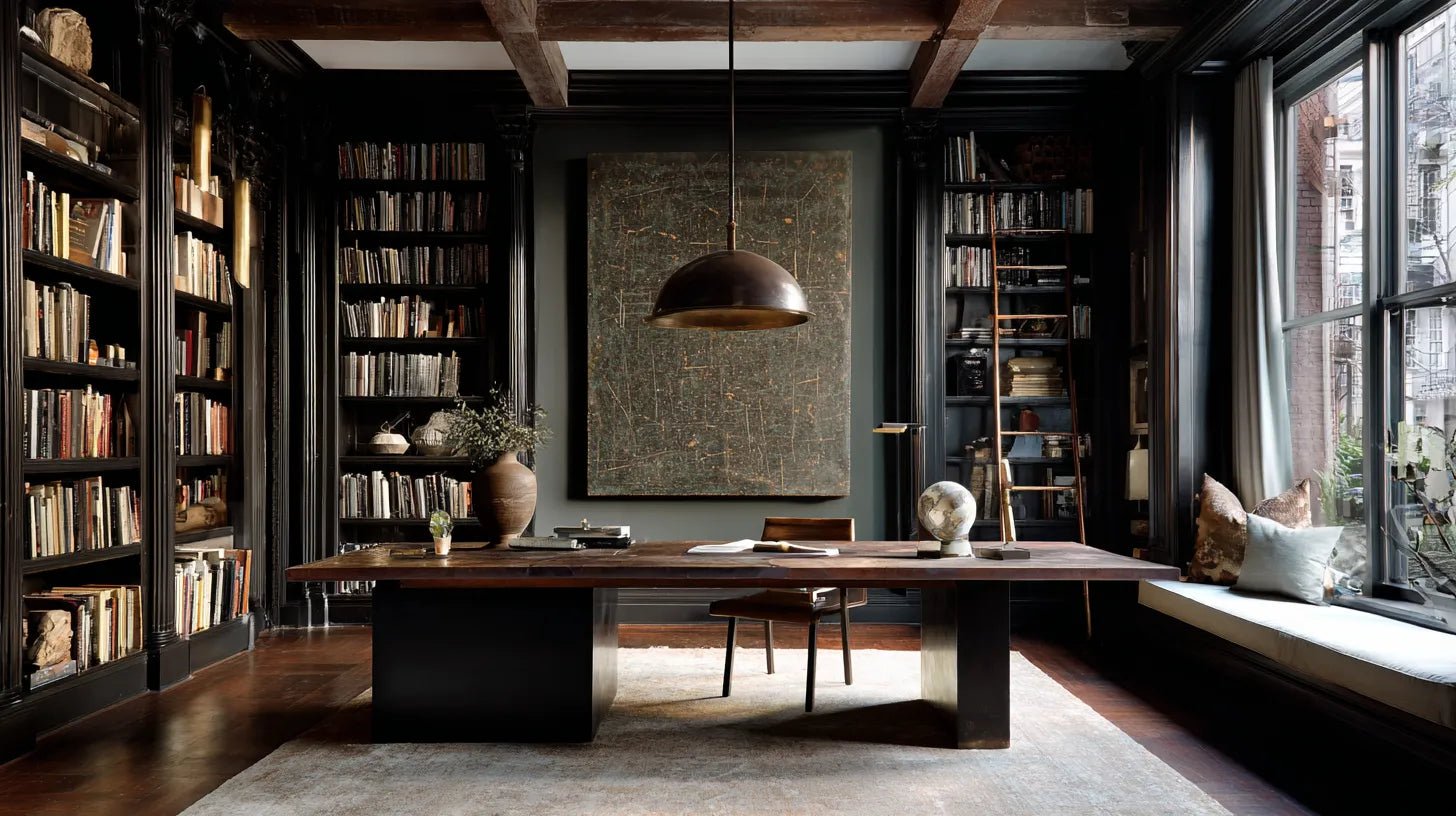
Home office furniture works best when it feels architectural rather than temporary. A modern home office should hold attention and reduce distraction, even when the rest of the home is active. This room benefits from feeling distinct from living spaces, a shift in posture and pace that signals focus rather than rest. The difference between a room that drains you and one that steadies you is rarely a single piece. It is scale, placement, and how the room behaves in light. If you are planning an office within a larger home system, AURA Modern Home approaches the process through curated home design by room, so decisions stay consistent from room to room.
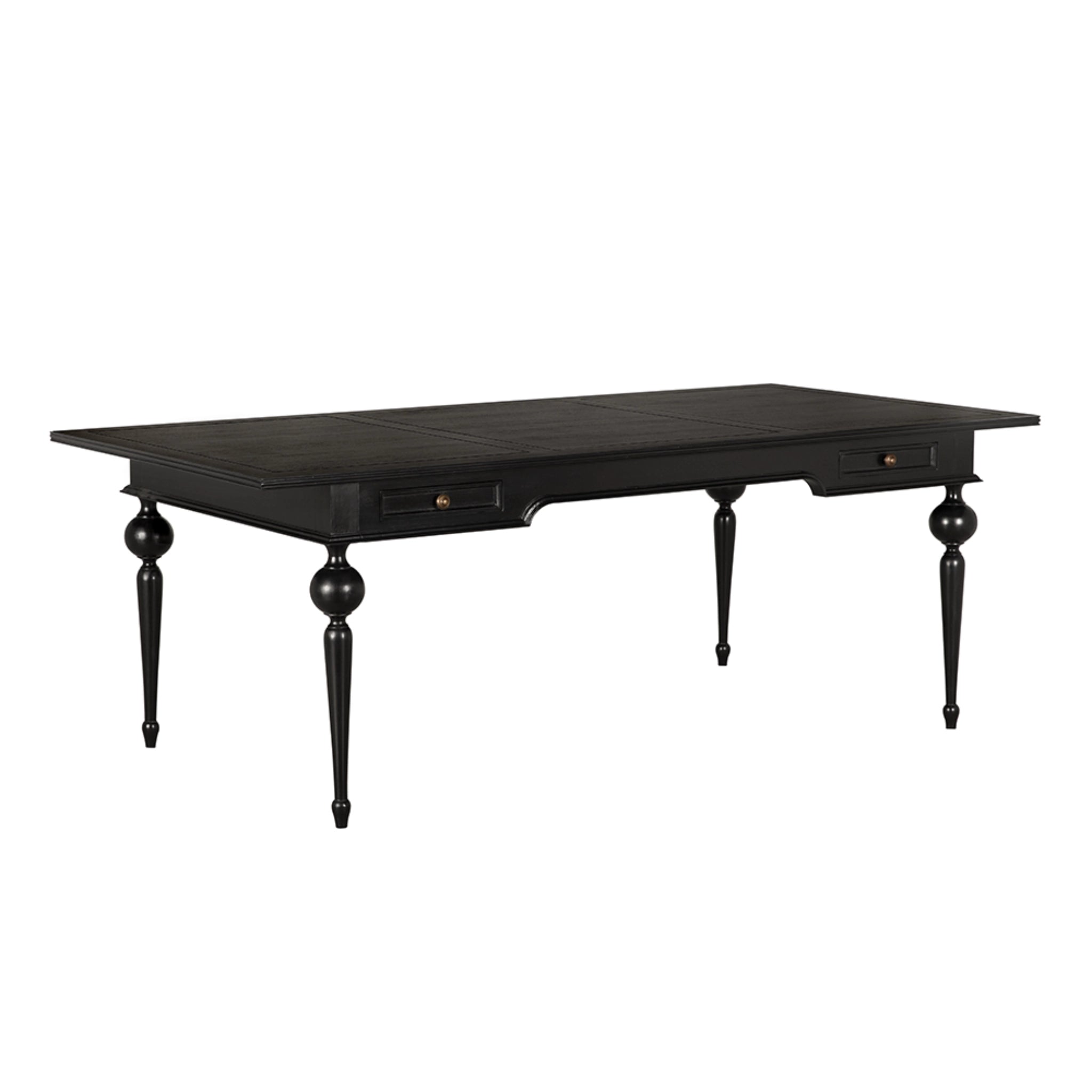
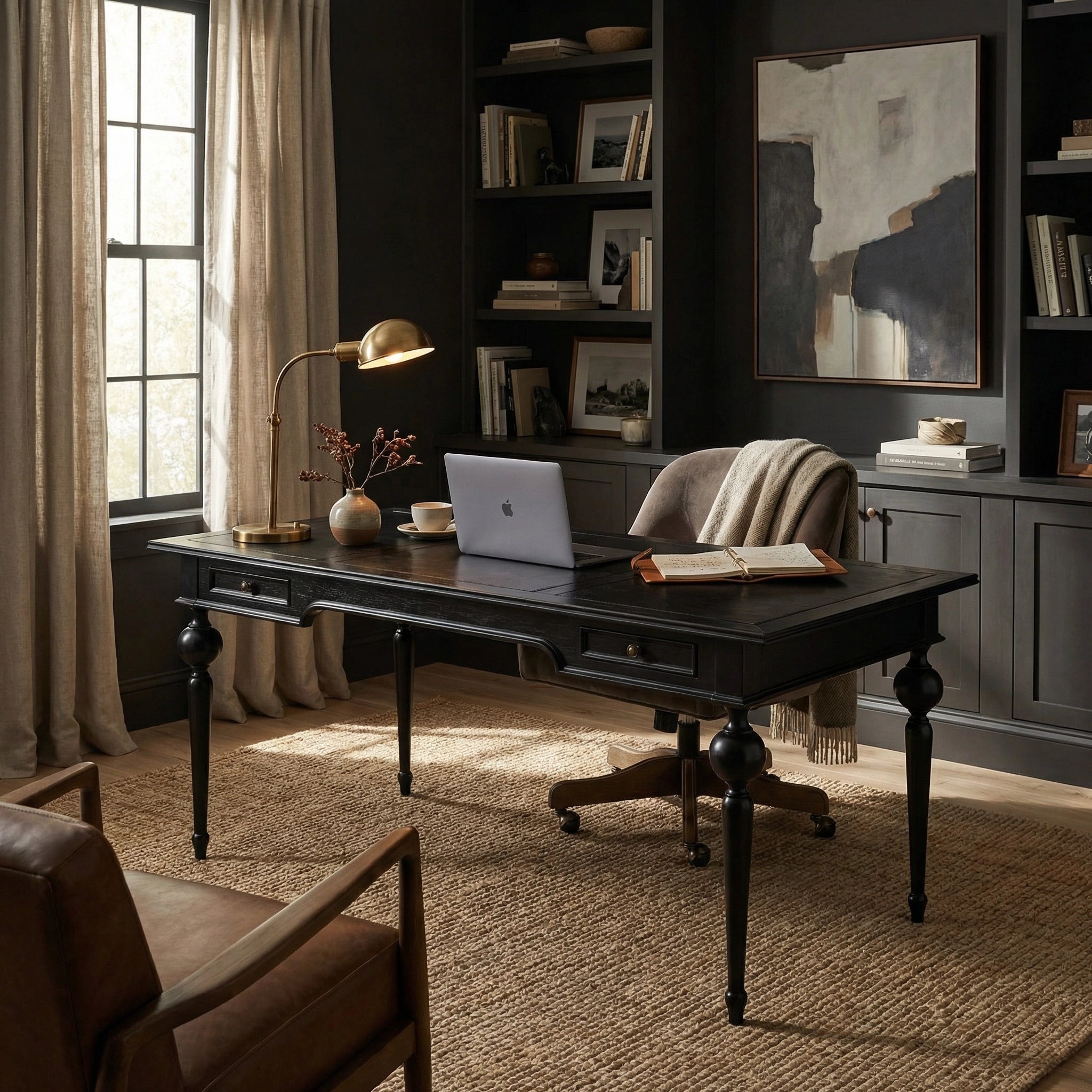
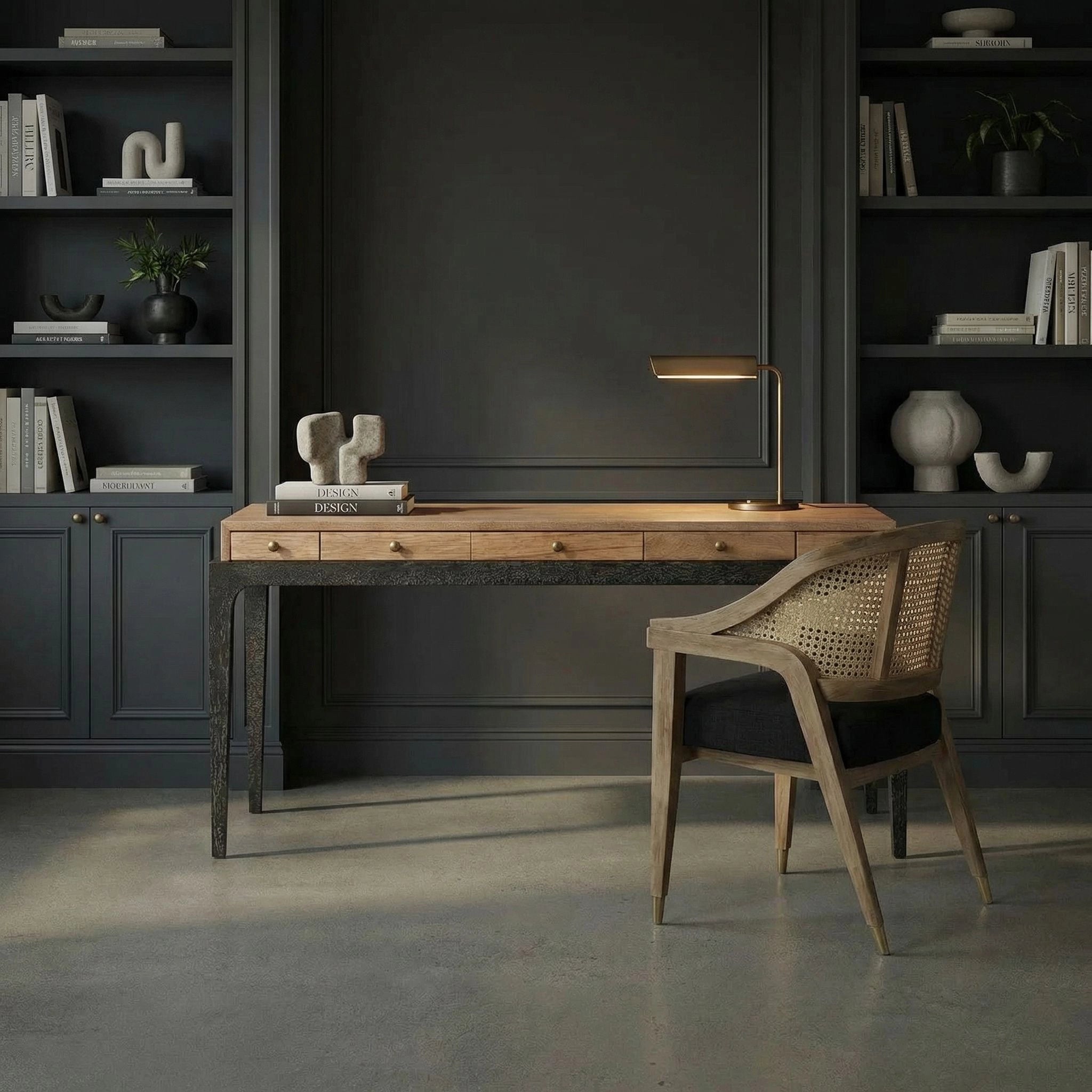
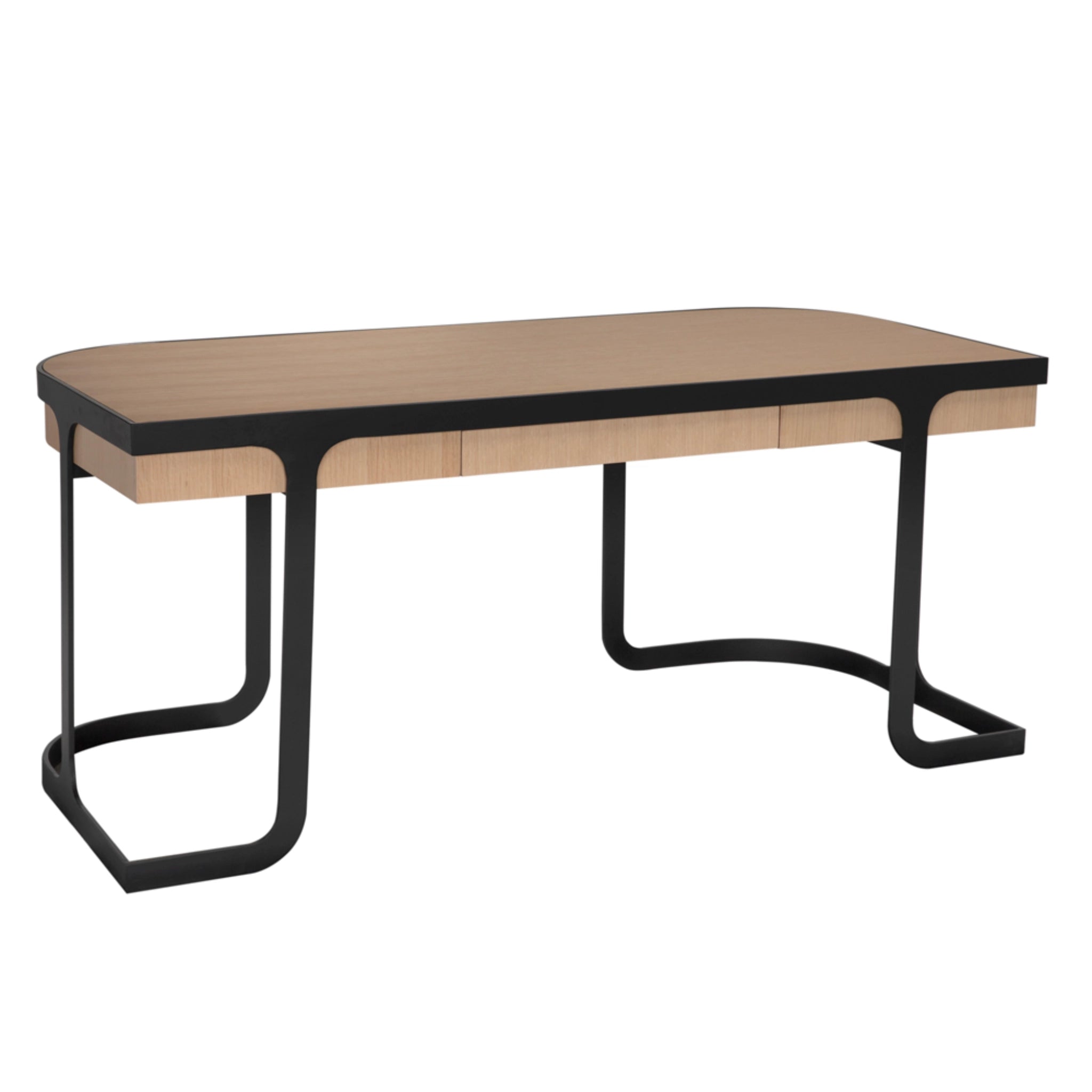
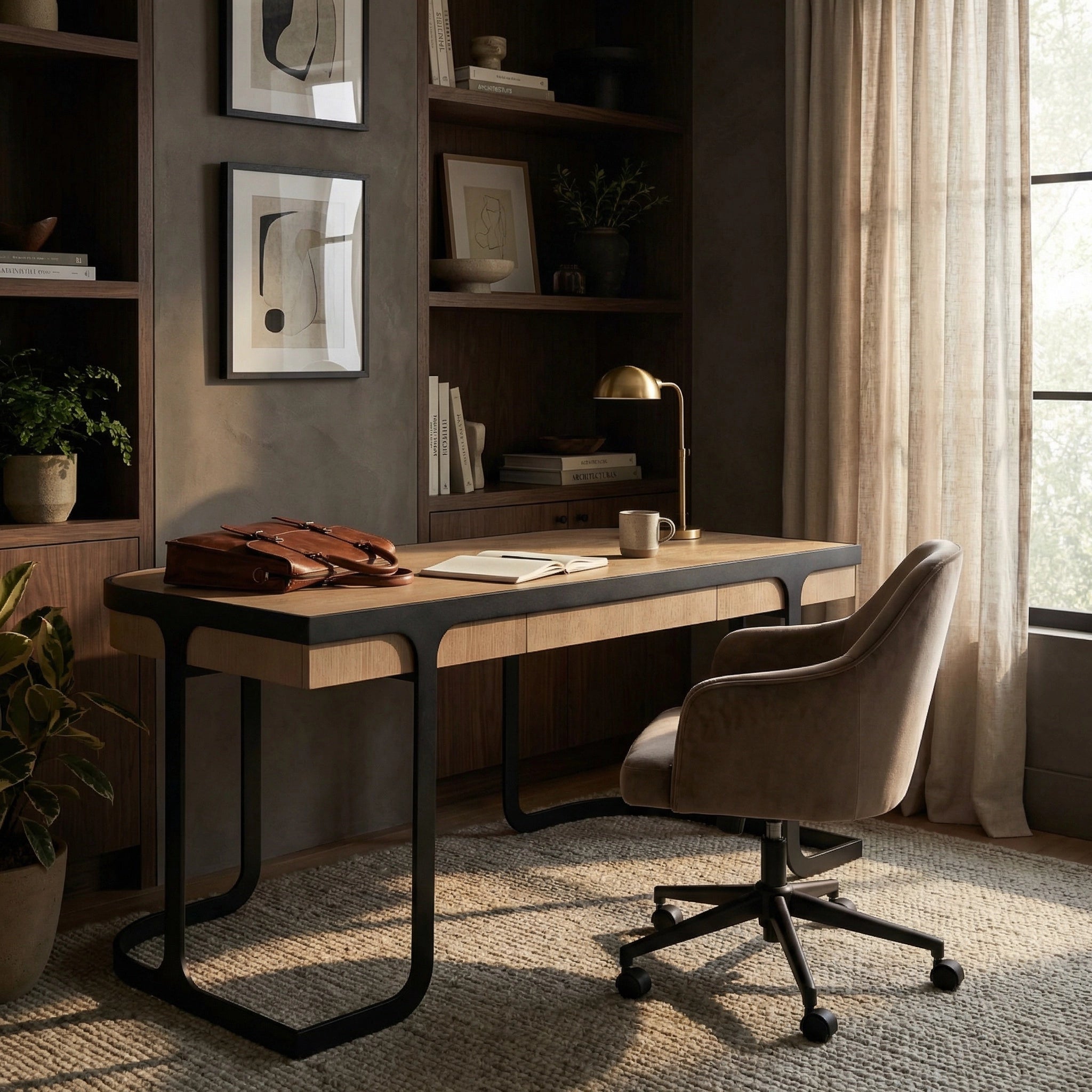
A home office desk is the room’s anchor. It sets posture and defines what the room can hold without clutter. Many home office furniture sets fail because they begin with aesthetics and end with compromise. Start with circulation. You should be able to sit, stand, and move around the desk without friction. In smaller layouts, modern home office desk ideas tend to work best when the desk is placed against a wall or aligned with a window, with curtains controlling glare and keeping the room calm. These are the home office design decisions that prevent the space from feeling improvised.
Home study furniture should feel quieter than living room pieces, but not clinical. A modern home study furniture plan depends on material restraint and reliable storage. A chair that supports long sessions, shelves that carry visual weight, and cabinets that reduce noise across the wall are often more important than a larger desktop. When you are collecting luxury modern home office ideas, look for rooms that feel settled even when they are not in use. That sense of stillness usually comes from proportion, enclosure, and lighting rather than decor.
Home office ideas become clearer when you treat the room as a sequence. Desk as anchor. Seating as support. Storage as containment. Lighting as atmosphere. Modern home office design ideas tend to succeed when the room has one clear work surface and one clear storage zone, rather than multiple tables competing for attention. This is also why home office inspiration often looks restrained. Structure carries the room so accessories remain minimal.
The most convincing home office decor is functional and disciplined. Lamps should be chosen for the quality of light they cast, not the statement they make. Keep only what belongs on the desk surface, and let everything else move into drawers or cabinets. When this boundary is respected, modern home office decor ideas become simpler and home office decor ideas stop multiplying. In office ideas for home, restraint is what allows the room to remain usable over time.
This Page as a Navigation Hub
An office and study is built from multiple elements working together. Seating, lighting, rugs, storage, and the desk all shape how the room feels and how it functions. This page is designed to help you move between those elements intentionally, so you can build the room as a system rather than collecting pieces. Use it as a starting point to navigate toward study room furniture that fits your layout and study room ideas that support how you work.
Desk Placement and Spatial Posture
Placement is more important than most people expect. A desk placed without intention turns the room into a holding space. A desk placed as an anchor creates posture. Facing a wall can improve focus by reducing movement in your peripheral vision. Facing into the room can work when the space is quiet and organized, but it requires stronger storage and fewer accessories to avoid visual drift.
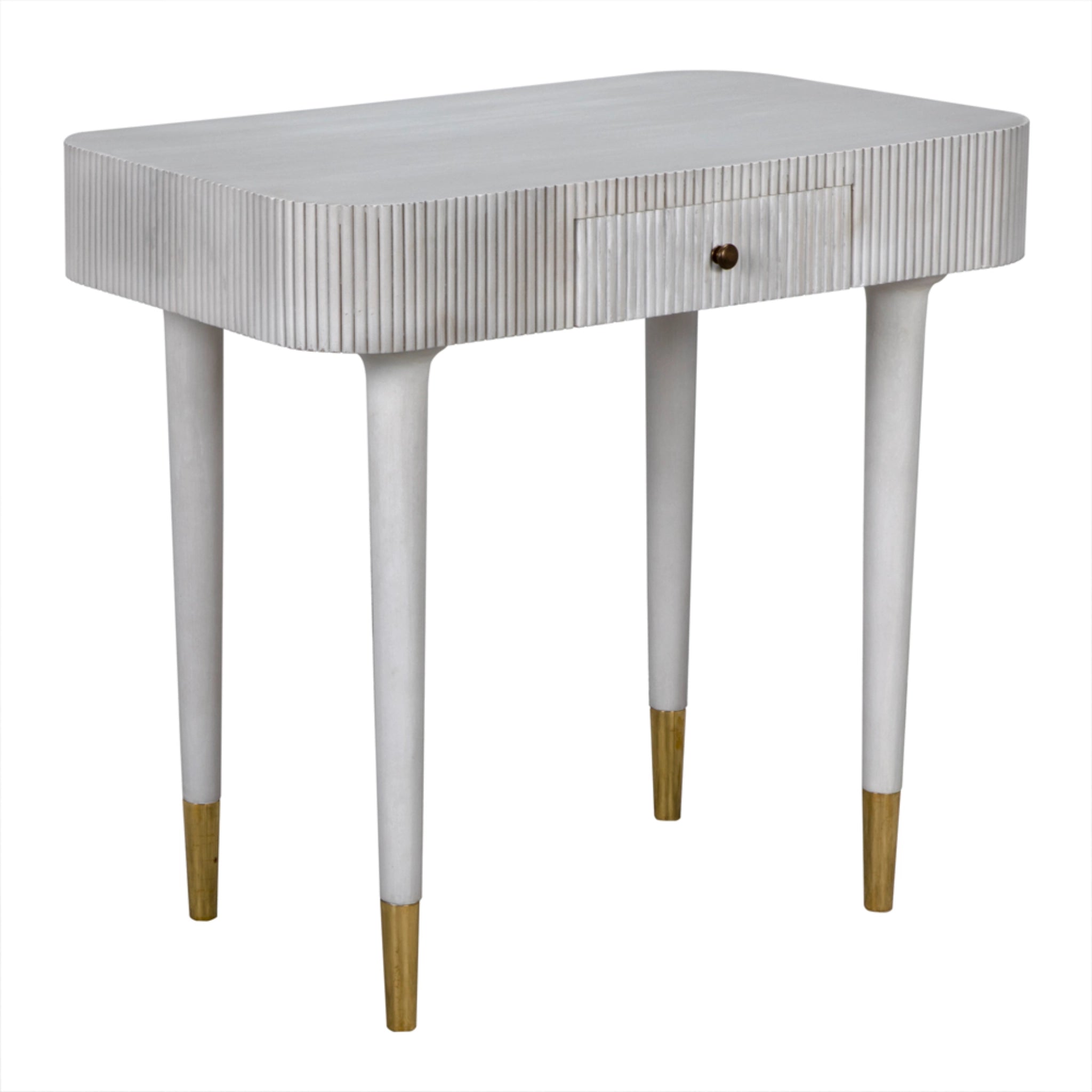
Desk sizing is a practical decision. If the desk is too small, devices and papers spread across other surfaces and the room feels unsettled. If it is too large, circulation tightens and the room loses ease. Choose a size that supports your primary work without requiring a secondary table. This is the foundation of study room design that feels calm rather than crowded.
Seating That Supports the Work
A chair should support the body without pulling the room toward office language. Many office chairs solve comfort but introduce a mechanical look that disrupts the room’s atmosphere. An ergonomic option can still work when the silhouette is restrained and the materials feel considered. Upholstery absorbs light and reduces glare. Wood and metal details add structure without feeling technical.
Comfort is not separate from design. When seating is wrong, work migrates elsewhere and the room stops functioning. The strongest study room ideas begin with a chair that supports long sessions quietly.
Storage, Shelves, and Visual Quiet
Storage is what keeps a home office from becoming visually noisy over time. Cabinets contain distraction. Shelves can work when they are disciplined and sparsely filled. Bookcases add character, but only when the arrangement is measured. Too many objects read as noise. Too few can feel sterile. The goal is a wall that supports work rather than display.
For most rooms, the cleanest setup is one desk paired with one strong storage piece. Drawers and filing keep work contained. Closed cabinets reduce the need for constant tidying. In small spaces, vertical storage is often the difference between a room that feels functional and one that feels crowded.
Light and How the Room Changes Through the Day
Light changes the room more than any finish choice. Daylight can flatten materials, especially in bright or reflective spaces. Evening light is where a study often becomes most composed. Warm lamps reveal wood grain, soften the wall plane, and reduce contrast that can fatigue the eye. Cool or overly bright overhead lighting can make the room feel thin and restless.
Use layered lighting. A task lamp for focused work. A secondary light near shelves or artwork to add depth. Curtains help manage glare from windows, and they frame the room at night so it feels enclosed. When a study room feels unsettled, lighting is often the first decision to revisit.
Rugs, Materials, and the Quiet Ground
A rug quiets the room. It softens sound, anchors the desk zone, and makes the space feel intentional. Material choices should repeat across the room. Wood, fabric, metal, and glass can coexist, but they should share a consistent temperature and level of reflection. Matte surfaces tend to feel calmer and are easier to live with than high-gloss finishes.
When the material language is consistent, the room holds focus. When it is scattered, the room asks for more accessories to compensate. That is a common reason home office inspiration fails to translate into real spaces.
Small Rooms, Apartments, and Shared Spaces
In apartments, studios, and shared rooms, a study room is often part of another space. In those cases, the goal is containment. A desk aligned with the wall, storage that holds the work, and lighting that defines the zone can create separation without partitions. Choose fewer pieces with stronger presence. Avoid adding extra surfaces that fragment the room.
If you are building a flexible workspace, start with the desk and chair, then add storage. Let the room prove what it needs before adding decor. This approach keeps the space usable even as routines change.
How to Diagnose What Feels Off
If the room feels restless, the desk is often undersized or the placement is wrong. If it feels heavy, lighting may be too centralized or too dim. If it feels cluttered, storage is insufficient or shelves are carrying too many objects. Fix those first. When the structure is correct, modern home office ideas become simpler and the room stays calm over time.