

Art Deco Office Furniture
That item has been discontinued, but here are similar options.






An Art Deco Home Office Built for Focus
An art deco home office works best when the room feels composed before you sit down. Geometry gives the workspace structure, materials add quiet authority, and low light keeps the room calm rather than clinical. AURA Modern Home curates art deco office furniture for home offices that feel settled in the evening, where a lamp replaces overhead glare and the desk reads as architecture.
If you are building across rooms, start with navigation rather than shopping. AURA’s luxury furniture room collections framework helps keep materials, lighting warmth, and scale consistent across the home. For a sensibility-first view, use our aesthetic room decor ideas index to keep decisions coherent without turning the office into a theme. For the full category range, explore our home office furniture collection and filter by what your workspace actually needs.
Within this collection, you will find desks, seating, storage, and supporting pieces chosen for proportion, durability, and focus. This includes an art deco desk, an art deco writing desk, an art deco office chair, storage cabinets, shelves, and bookcases designed to work together without uniformity. The aim is a modern art deco home office that feels calm, functional, and precise.
Whether the room is used for daily work, writing, or occasional study, the pieces here prioritize clarity over novelty. Art deco home office decor stays quiet so focus stays clear. Art deco study furniture should make the room feel used for work, not staged for images.
Build the workspace | Layout and organization | Lighting | Materials | Diagnose what feels off
Start with the Desk and Chair
An art deco desk should feel like the anchor. Desks and tables work best when they are grounded and slightly underdesigned. In AURA’s view, pieces that do not try too hard tend to age better, especially in a home office where you see them every day.
If you are choosing between a compact writing desk and a larger workstation, let your work decide. Writing desks suit lighter setups and focused tasks. Larger office desks make sense when you need multiple screens, filing, drawers, or a modular layout. A practical check is depth. If you work on a monitor daily, you usually want enough distance to avoid cramped posture and constant neck tension.
An art deco office chair should support comfort for long sessions without turning the room into a cubicle. Comfort matters, but so does presence. Chairs that are too bulky can dominate the space. Chairs that are too delicate can make the desk feel oversized. The right chair keeps the office calm and keeps productivity steady.
Layout, Storage, and Quiet Productivity
Most home offices fail on organization, not style. A good layout reduces friction. Storage is not decoration. Cabinets, shelves, and bookcases exist to keep the desk surface clear and the mind quiet.
Use storage in layers. Drawers for daily tools. Filing or cabinet storage for weekly needs. Shelves for books and a small selection of objects. If you need a partition, treat it as a simple boundary for focus rather than a design statement. If you need conference tables, keep them secondary. A conference table should not compete with the desk as the anchor of the workspace.
A common spatial mistake is crowding the front of the room. Leave a clear approach to the desk. When the path is blocked by extra furniture, even a beautiful art deco study can feel tense.
Lighting That Supports Focus
Lighting defines whether an office feels calm or restless. Overhead fixtures can exist, but they should not be the only source. A desk lamp, a secondary lamp on a cabinet, and optional wall light can make the room deeper and more functional.
AURA’s broader point of view favors glow over brightness. Our Moody decor approach keeps the workspace usable after sunset, without turning it into a showroom.
Here is a reliable test. At the end of the day, turn on only the lights you would actually work under. Sit down and look at the desk surface. If you see glare, harsh shadow, or a bright hotspot, adjust lamp placement before you adjust decor. If you take video calls, also check the background. A wall that is too reflective or too busy will feel distracting even when the room looks good in person.
Materials, Surfaces, and Detail
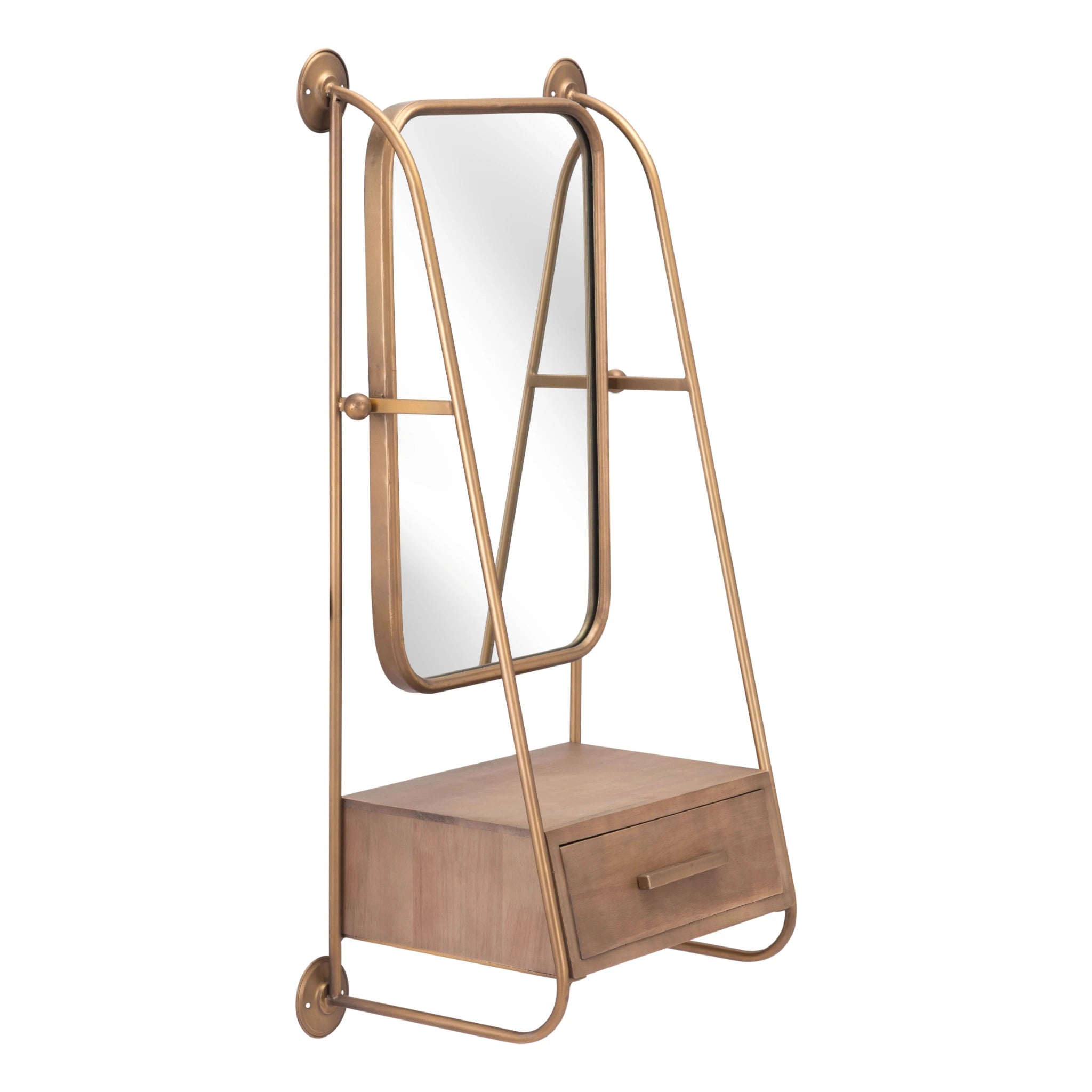
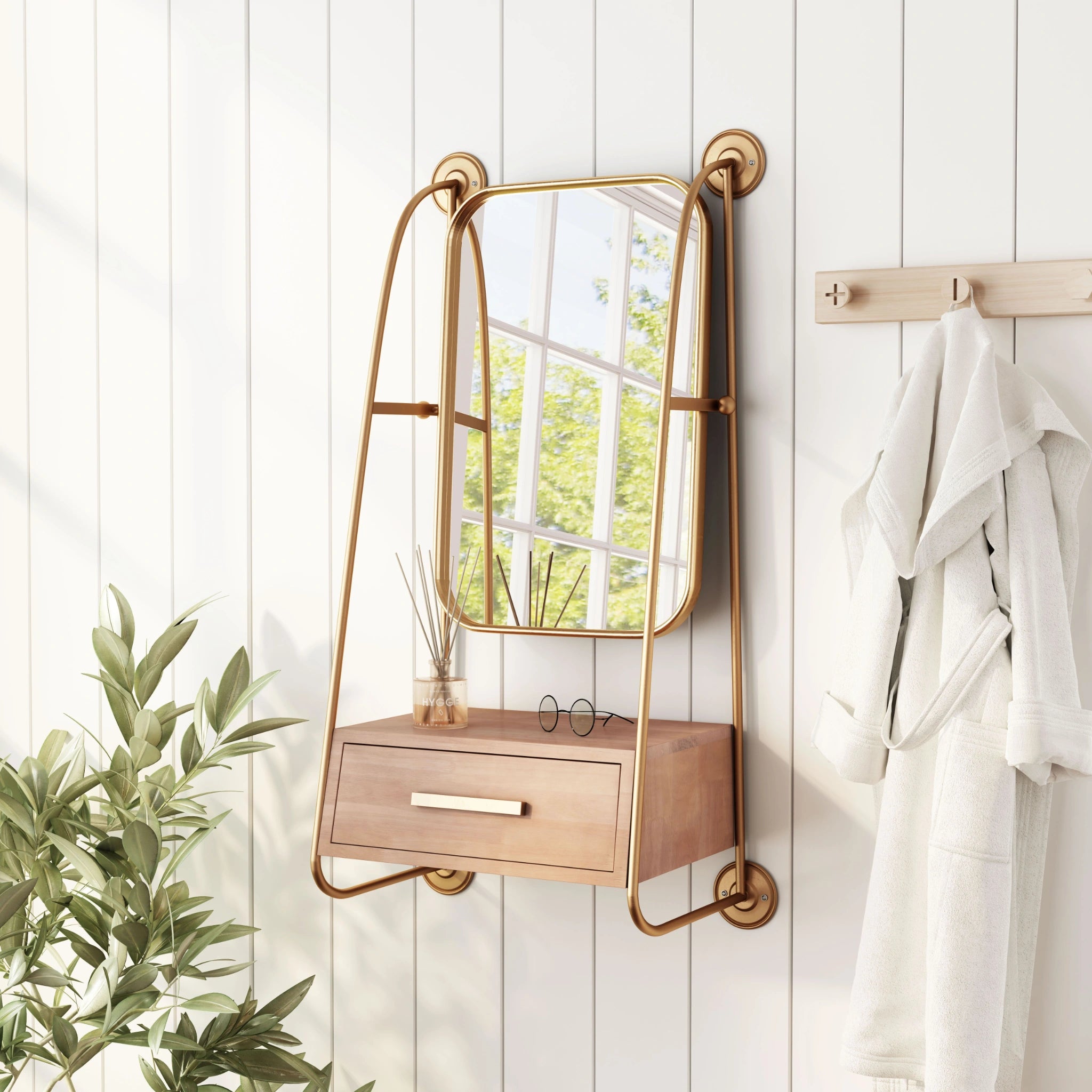
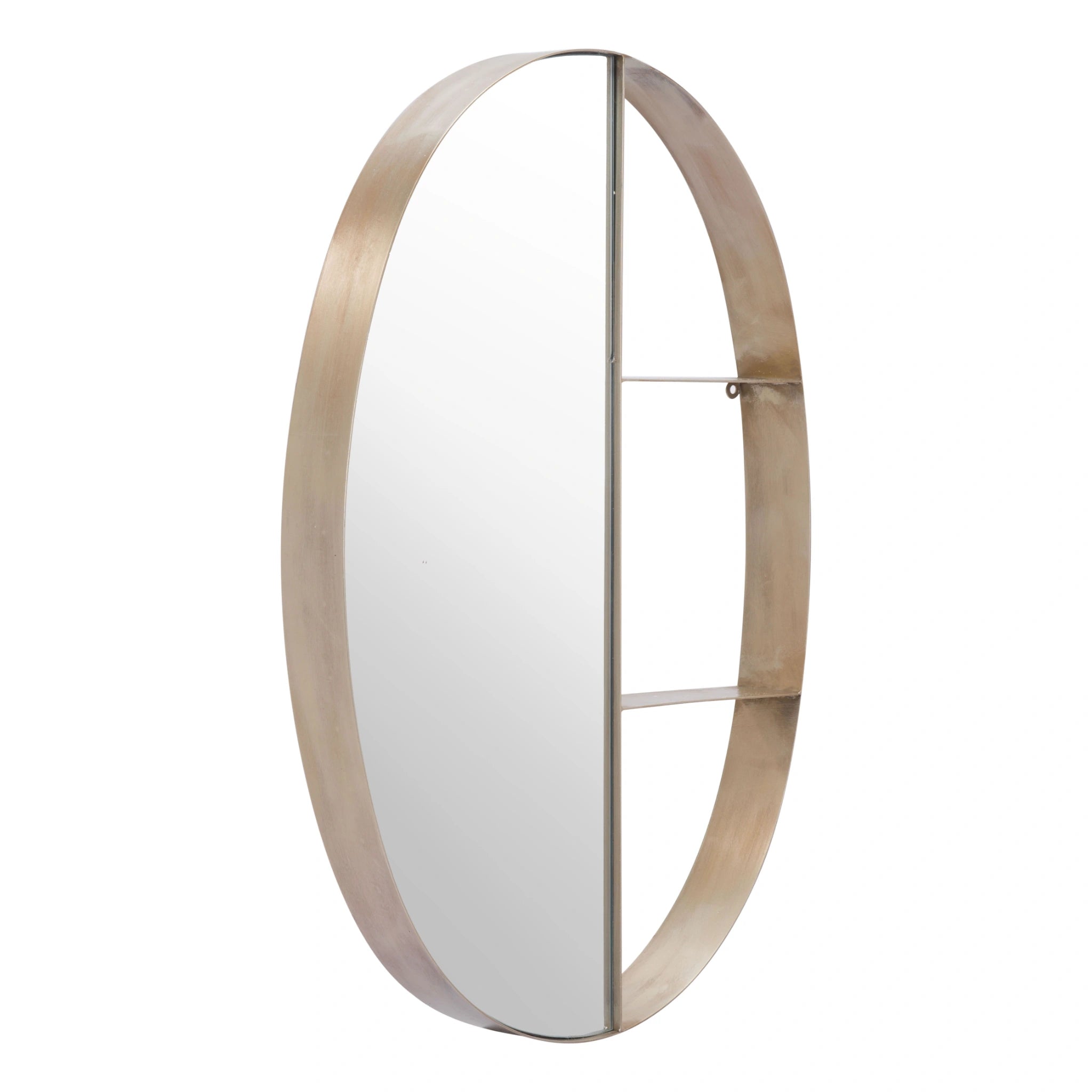
Art Deco works best when materials carry contrast. Wood adds grounding. Metal adds warmth. Glass can add reflection, but it should be controlled. Upholstery should feel durable, with fabric or leather that holds up under daily use.
Pay attention to details that signal quality. Drawer pulls, cabinet doors, shelf thickness, and the way a desk edge is finished matter more than decorative motifs. In our judgment, a room feels more executive when the materials are honest and the construction is calm.
Decor That Does Not Interrupt Work
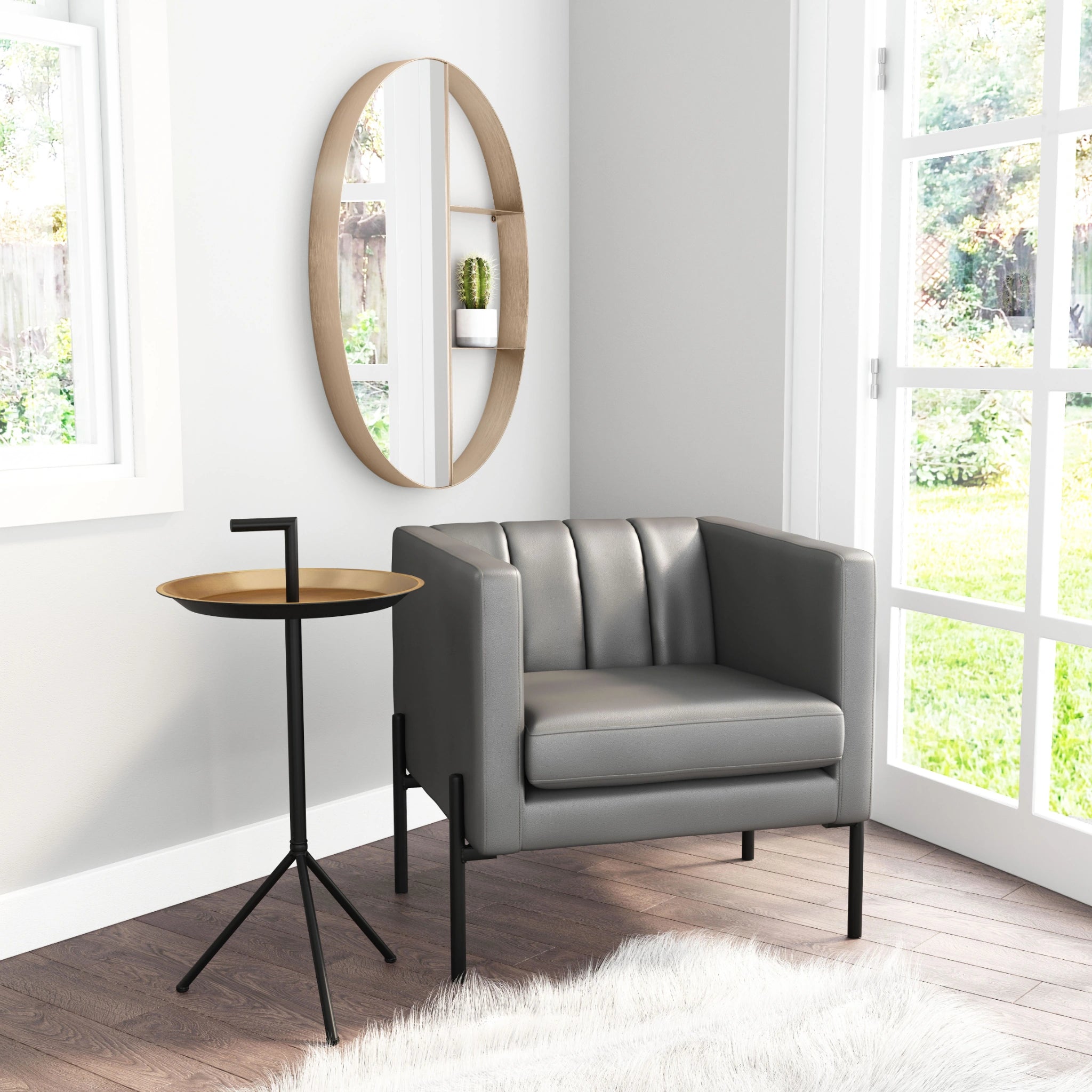
Art deco home office decor should be limited. One piece of artwork, one object with presence, a plant for greenery. Keep the rest functional. A room can be beautiful and still be disciplined.
If you want the office to relate to adjacent rooms, AURA’s moody home collections view can help you keep wood tone, metal warmth, and light quality consistent across the home.
Diagnosing What Feels Off
If the room looks right but feels wrong, start with three checks. Does the desk feel like the clear anchor. Does the chair support comfort without dominating the space. Does storage reduce clutter or add it.
The solution is rarely to add more accessories. It is usually about replacing one weak element with a stronger, better proportioned piece or simplifying the setup so the workspace can breathe.
One final test is simple. Clear the desk completely, then add back only what you touch daily. If the room immediately feels calmer, the issue was not style. It was friction.