

Office Desks


That item has been discontinued, but here are similar options.


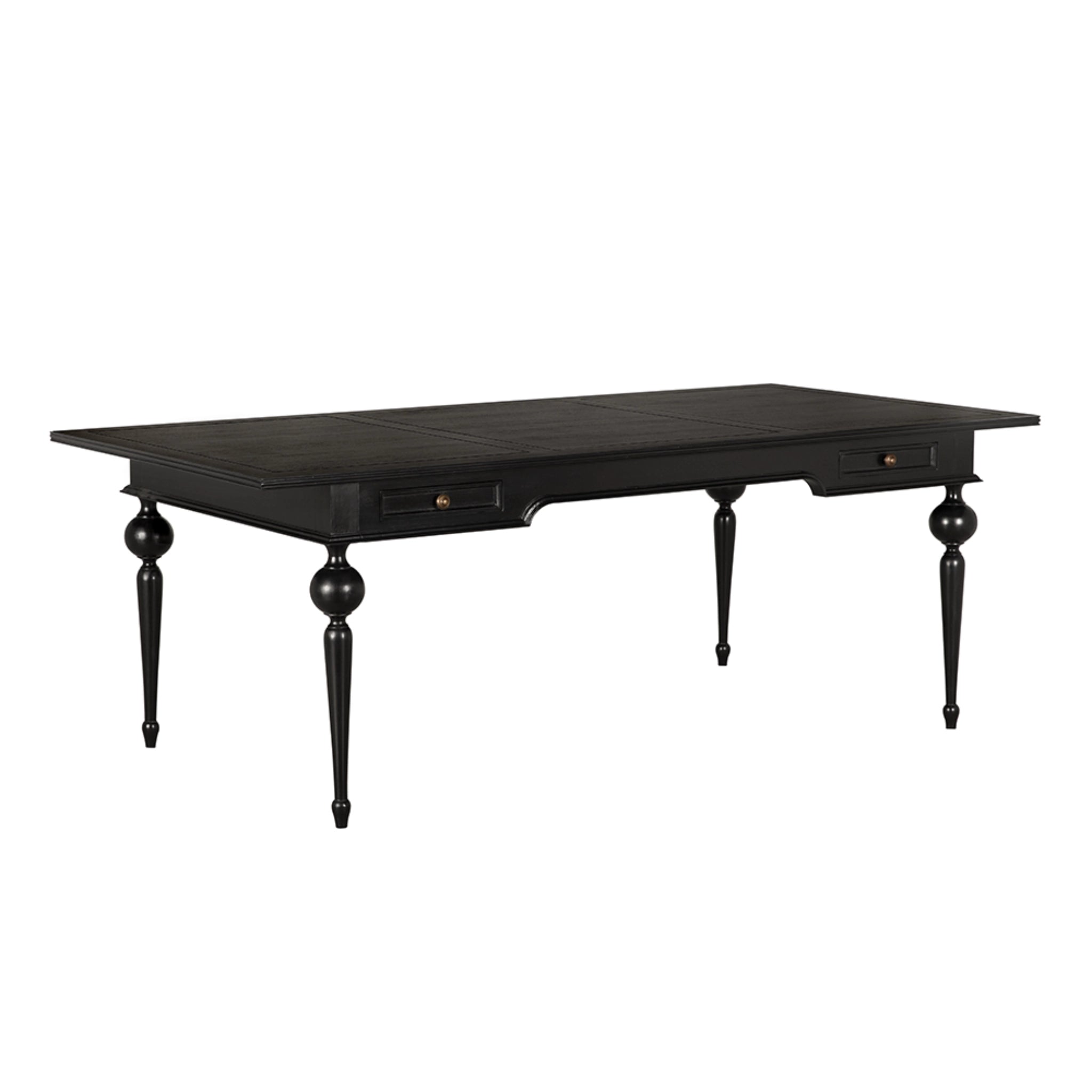
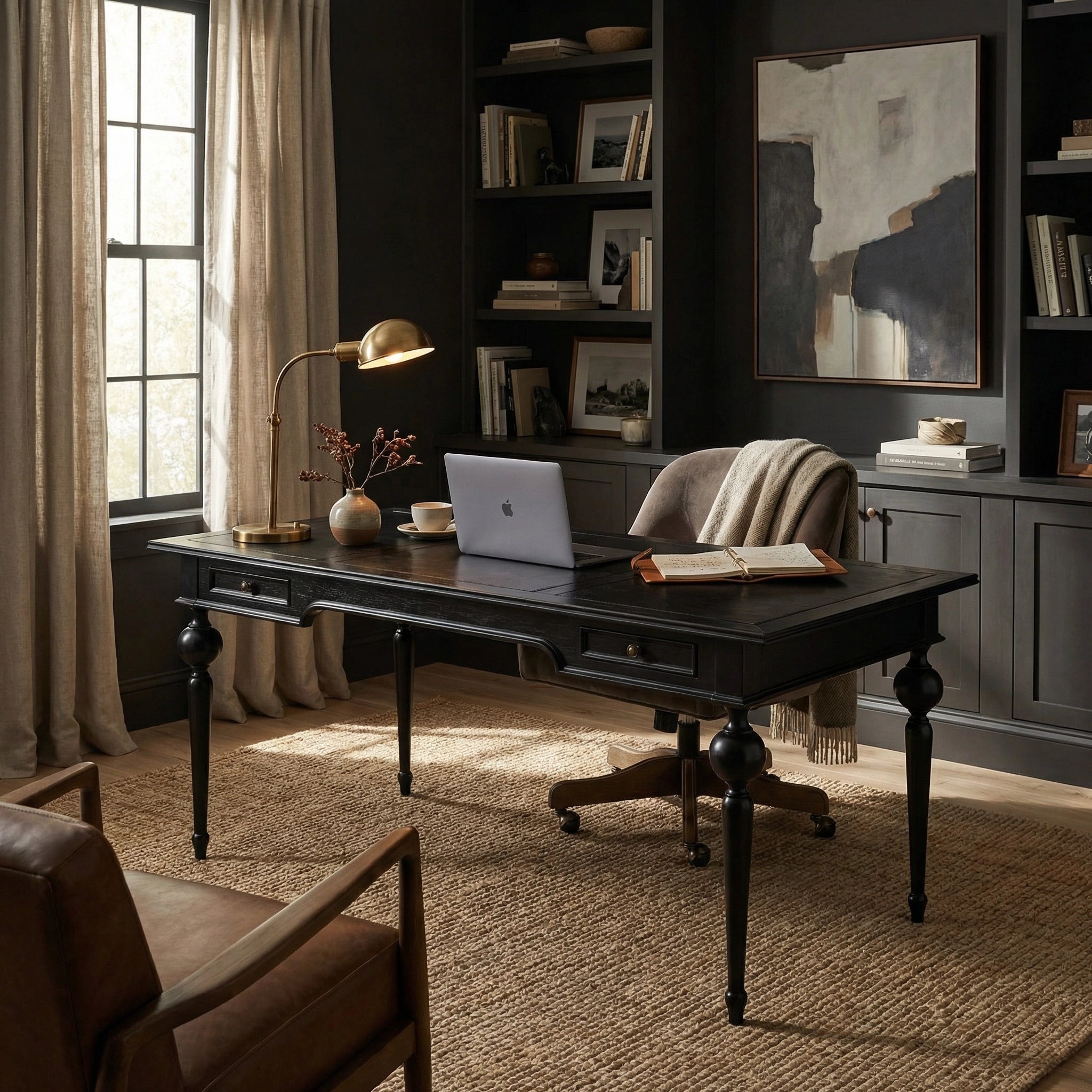


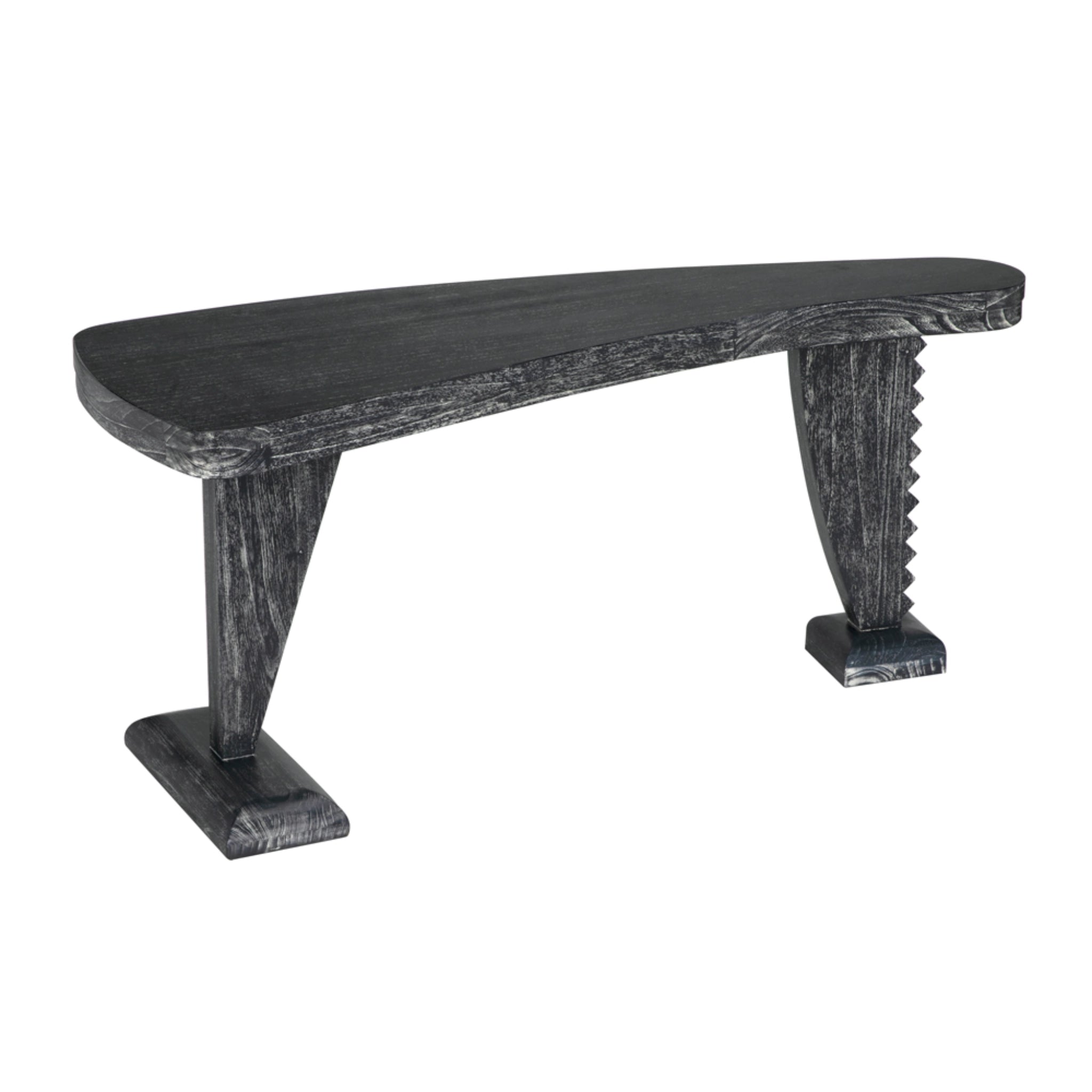
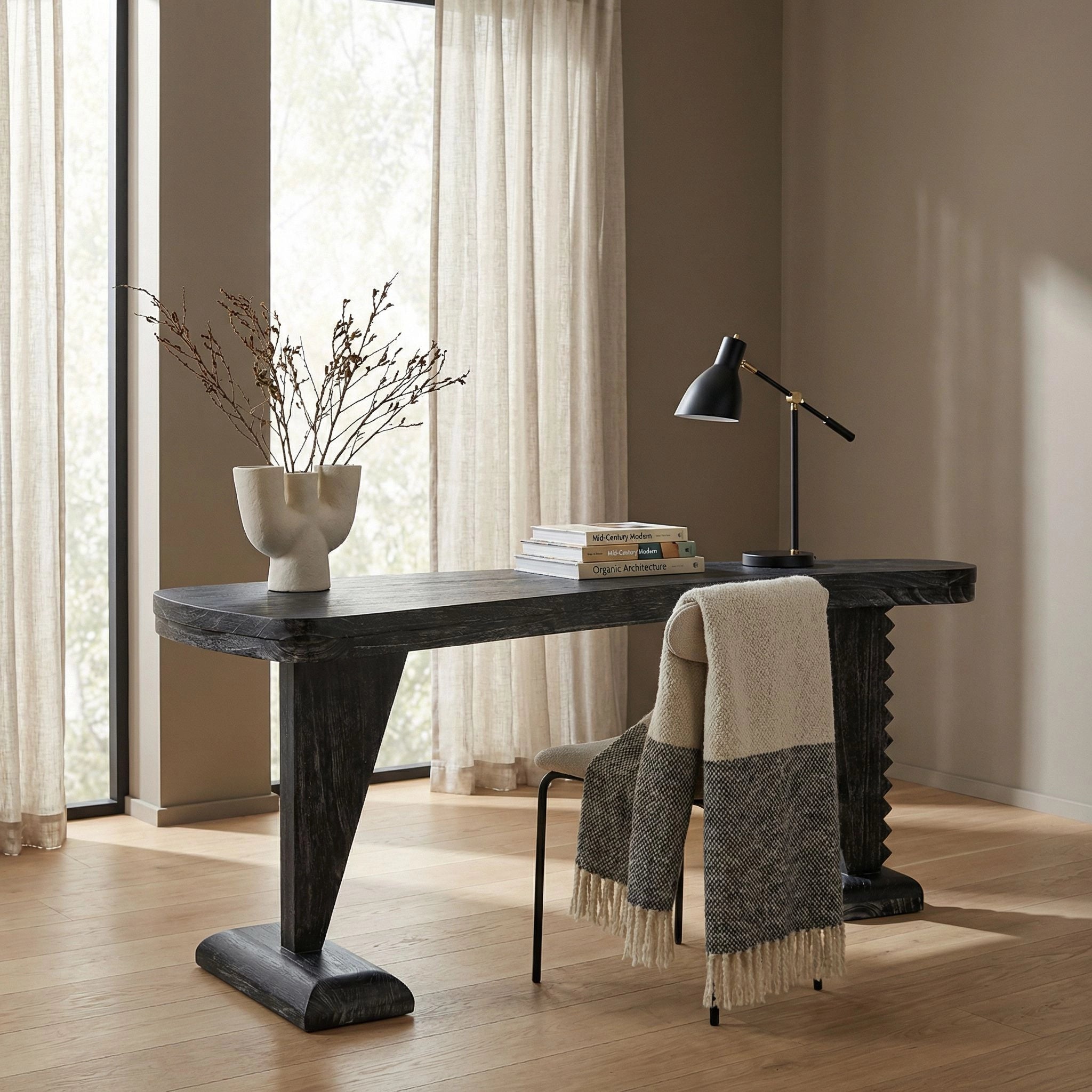


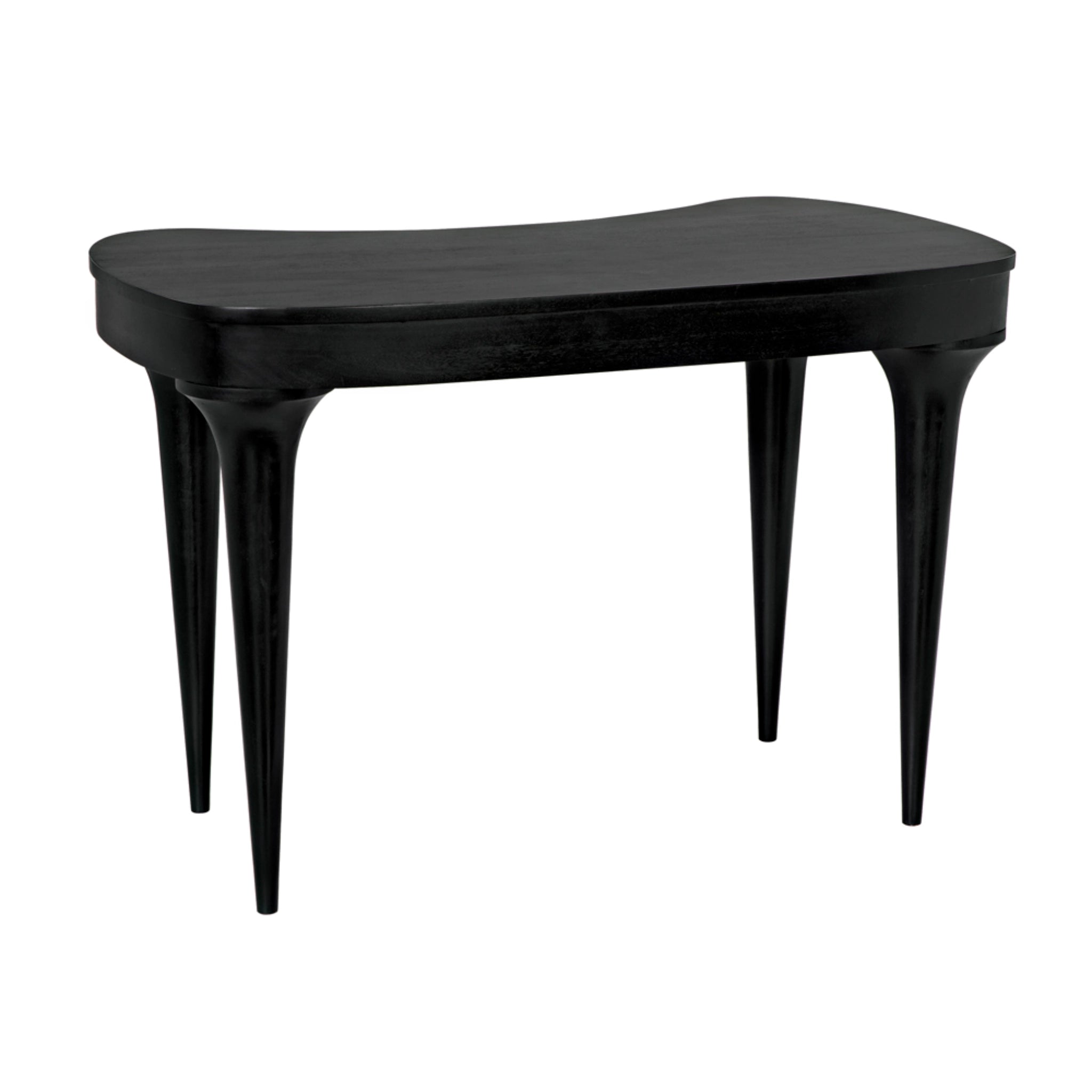
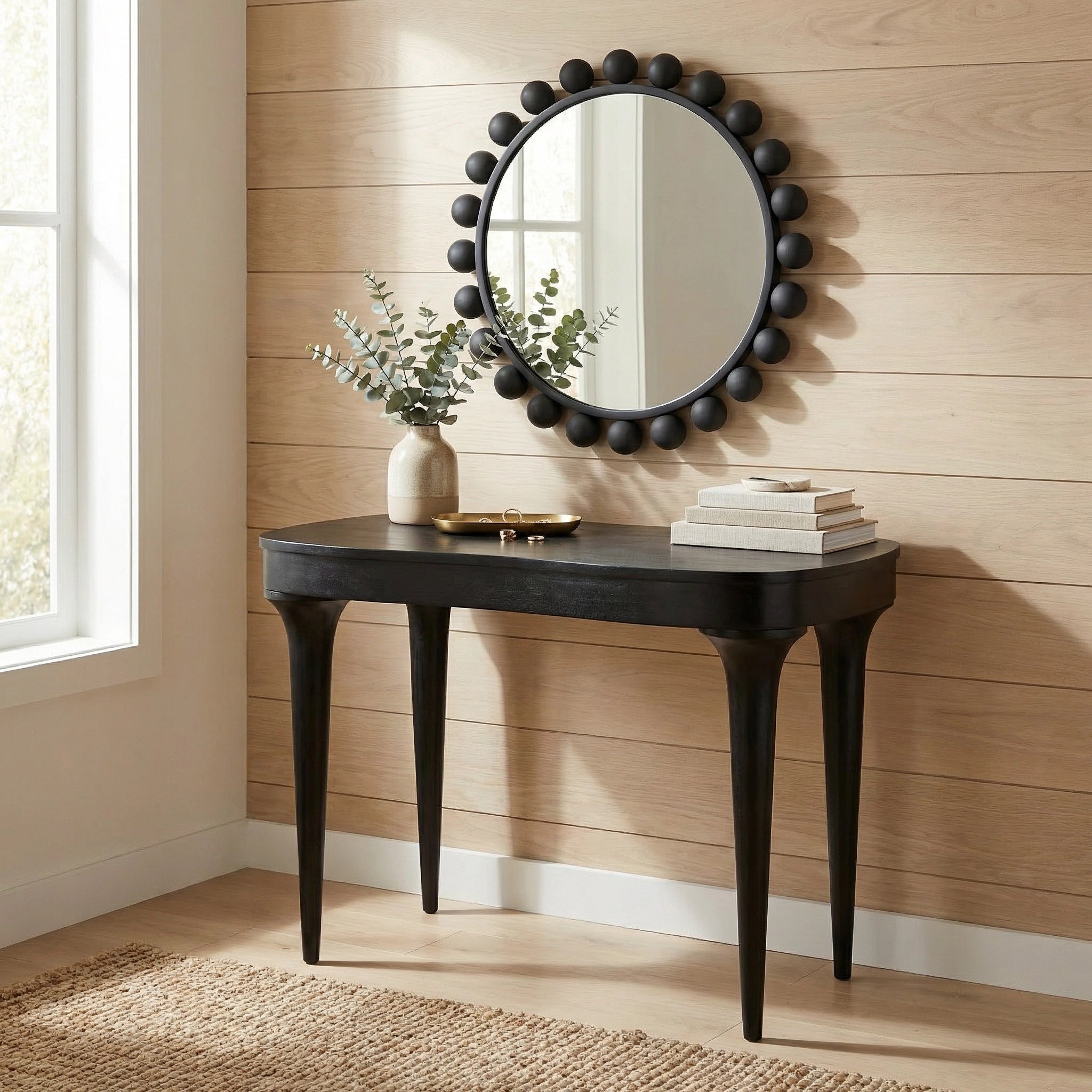
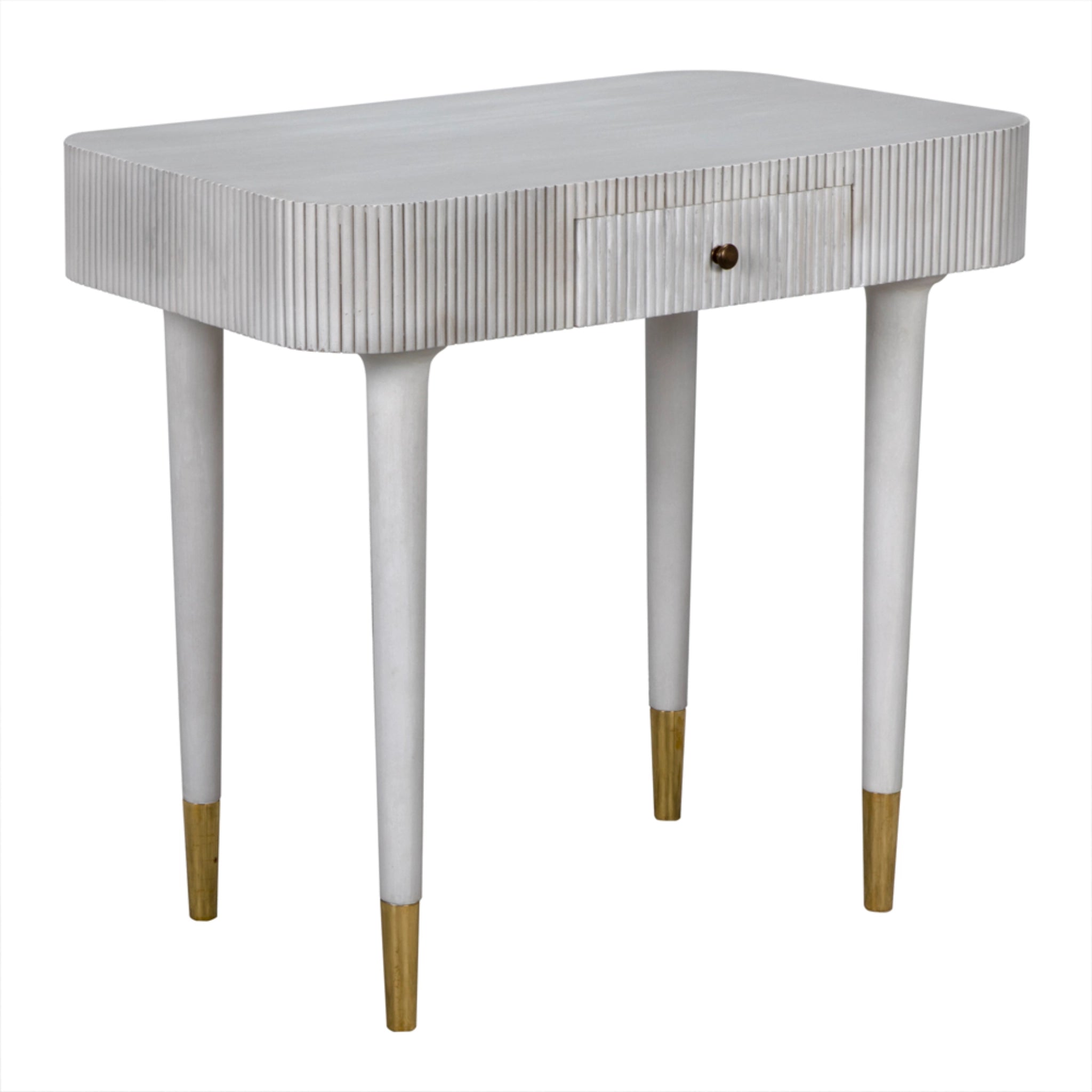
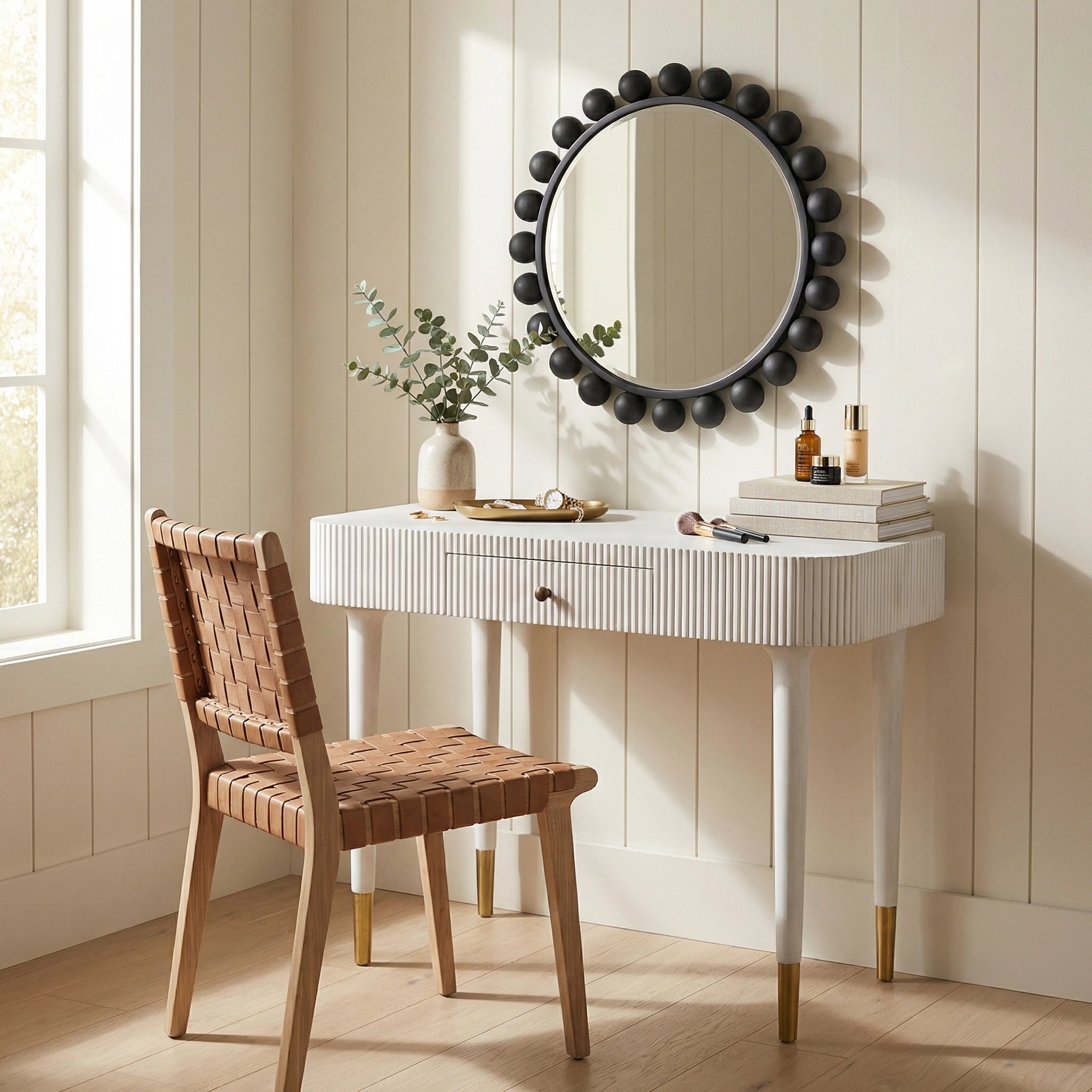
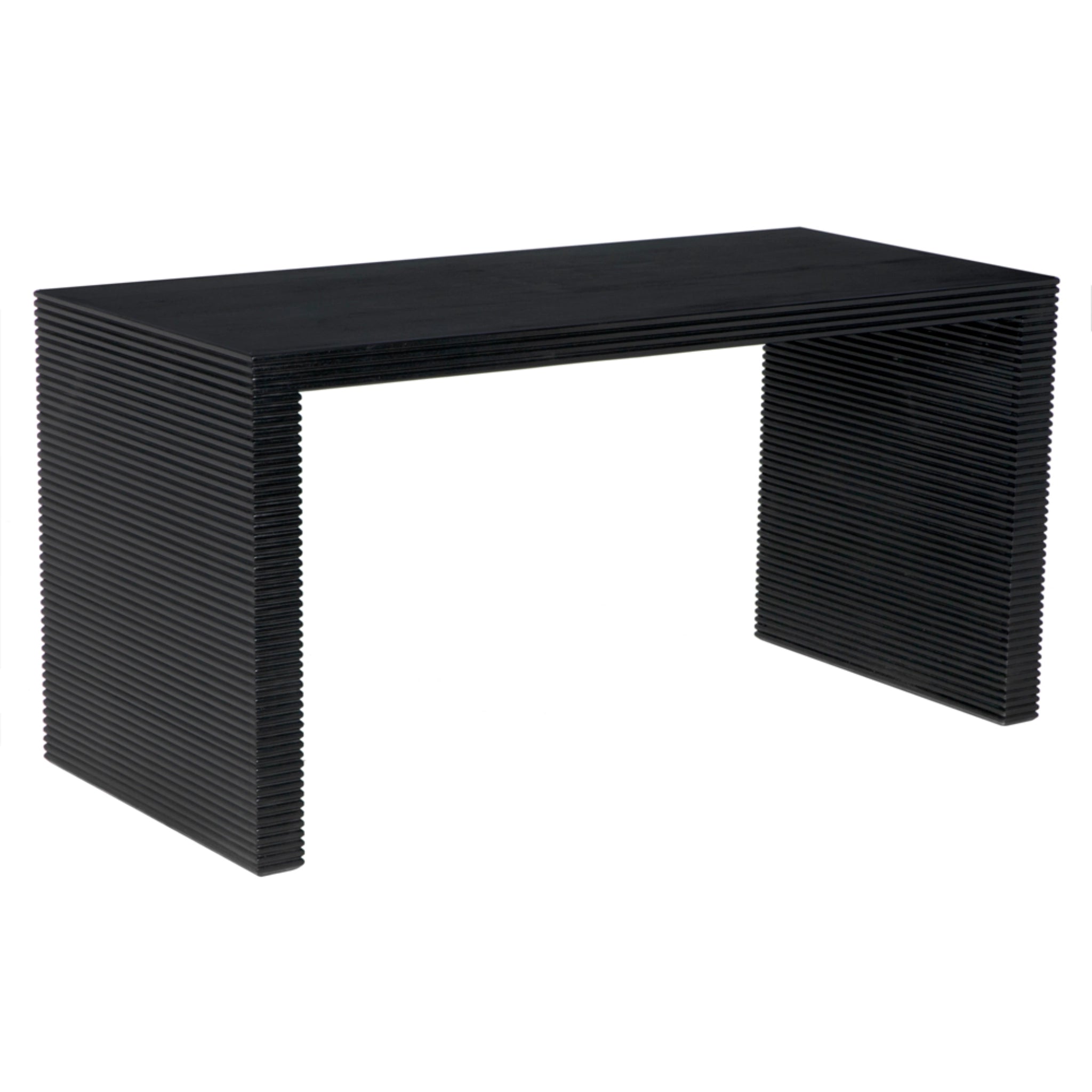
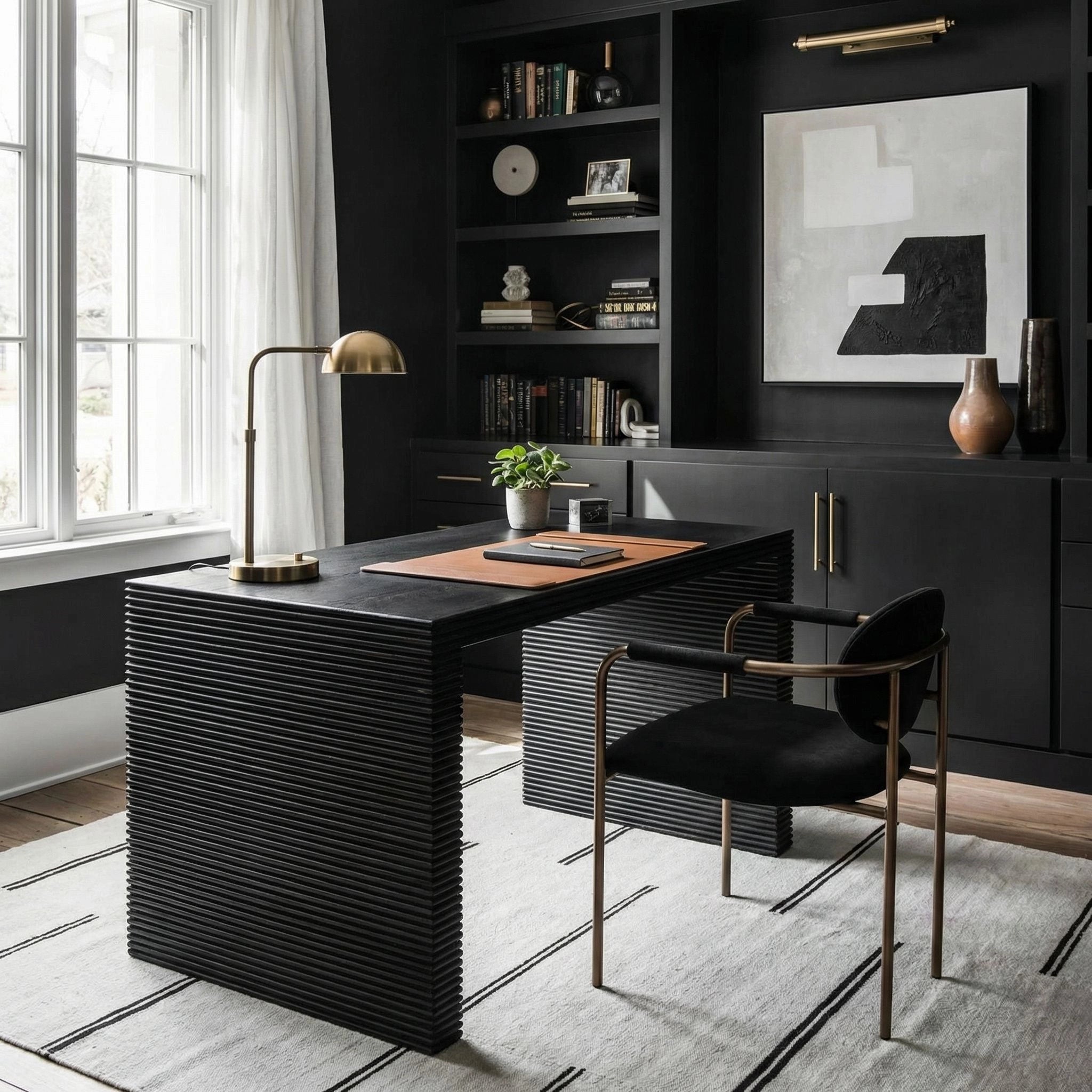
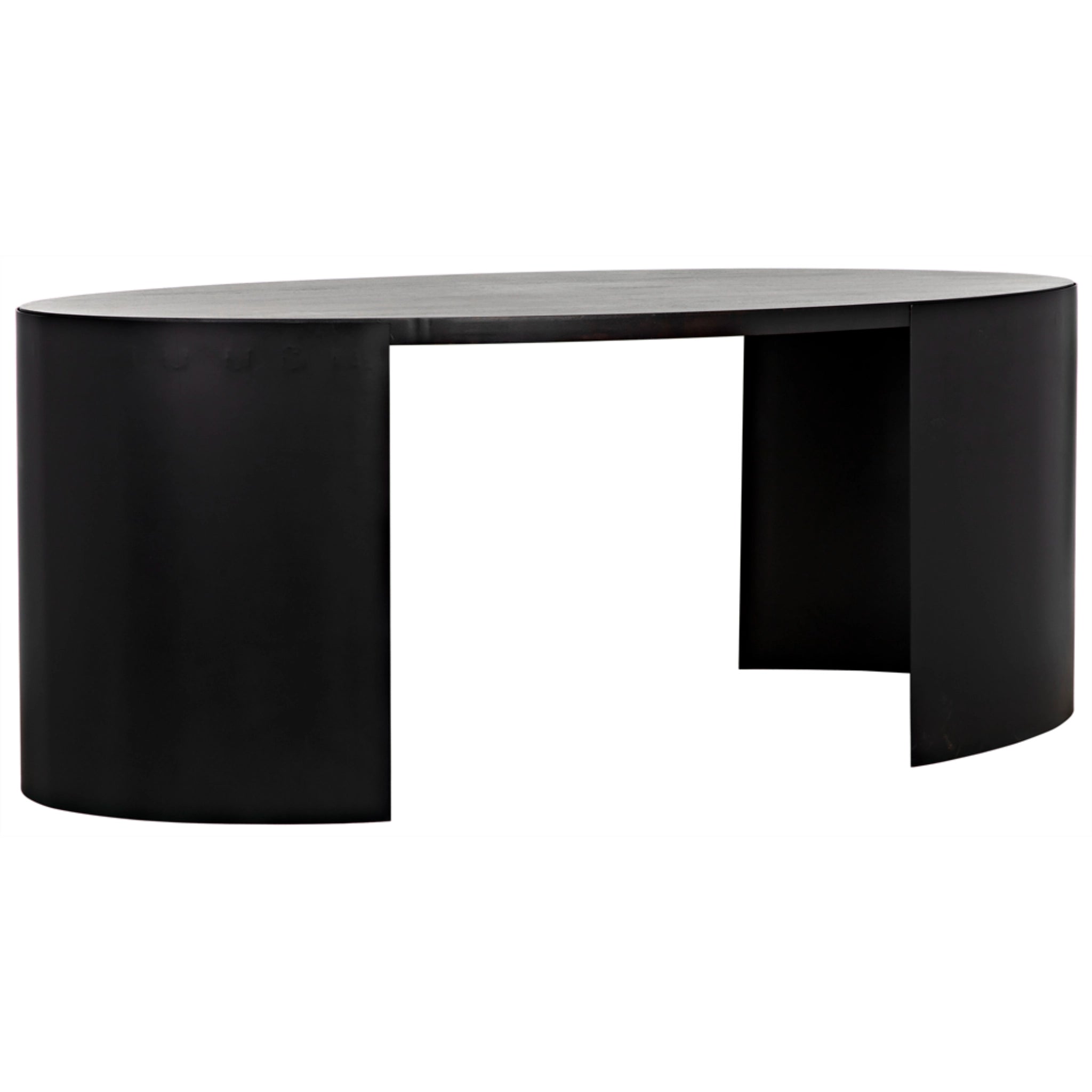
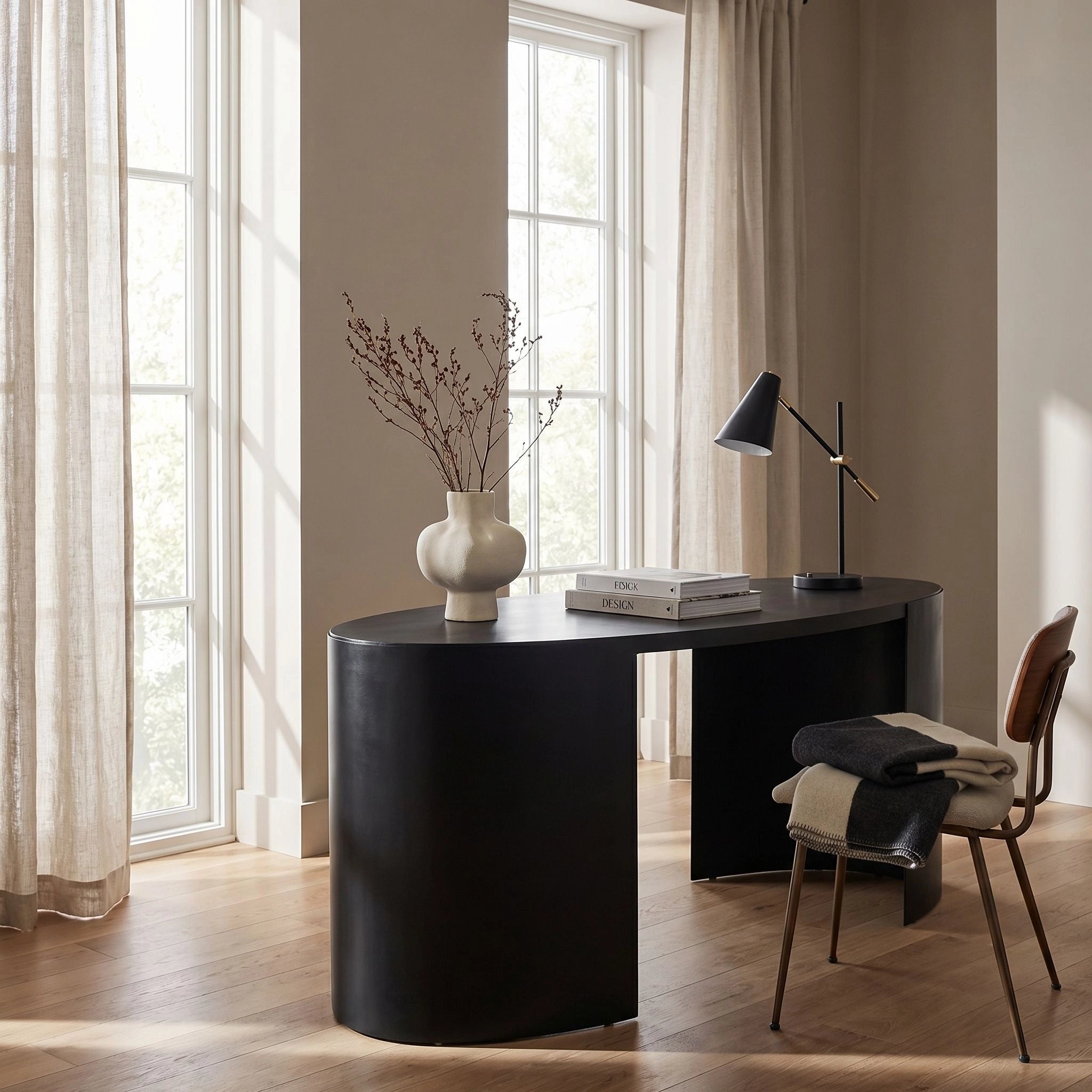
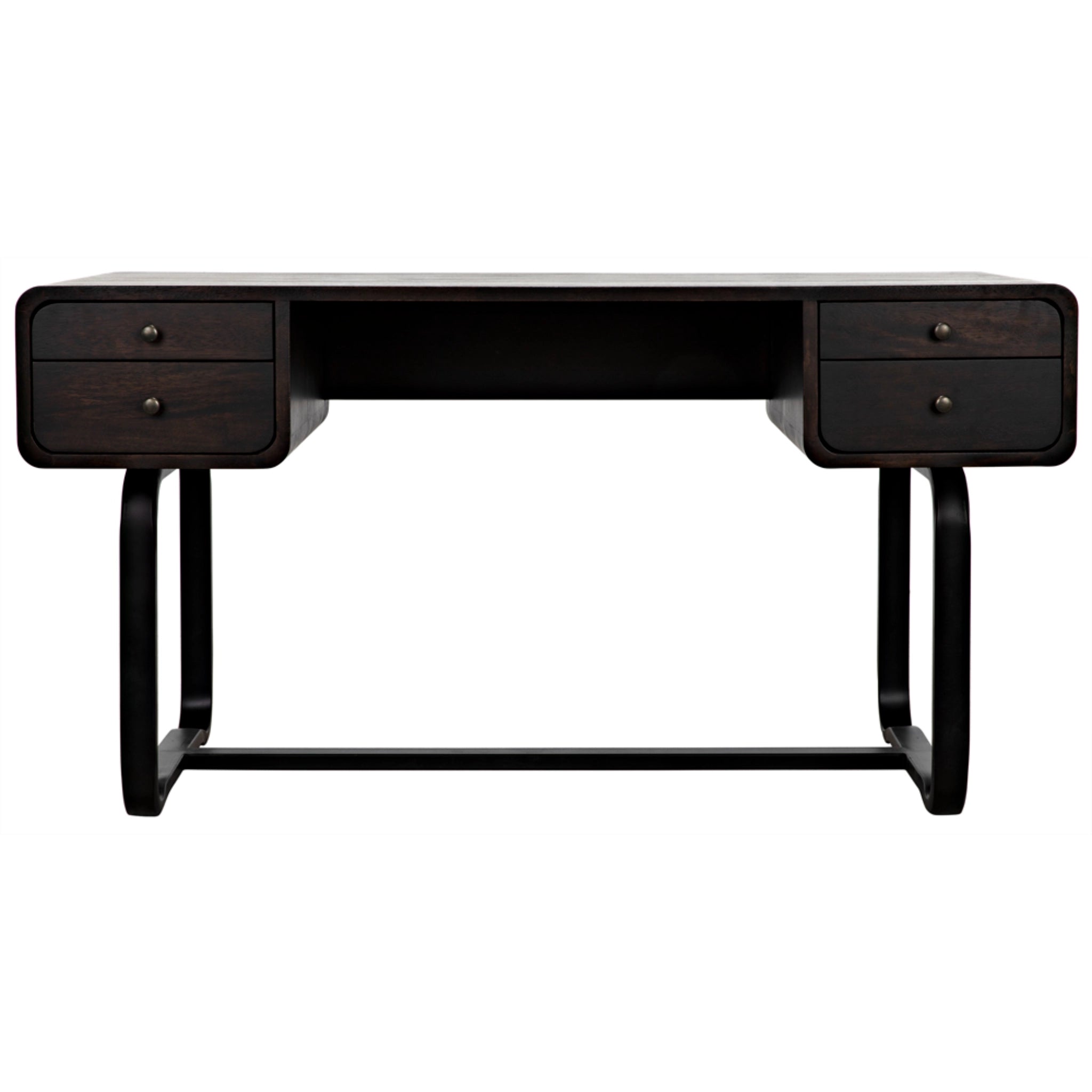
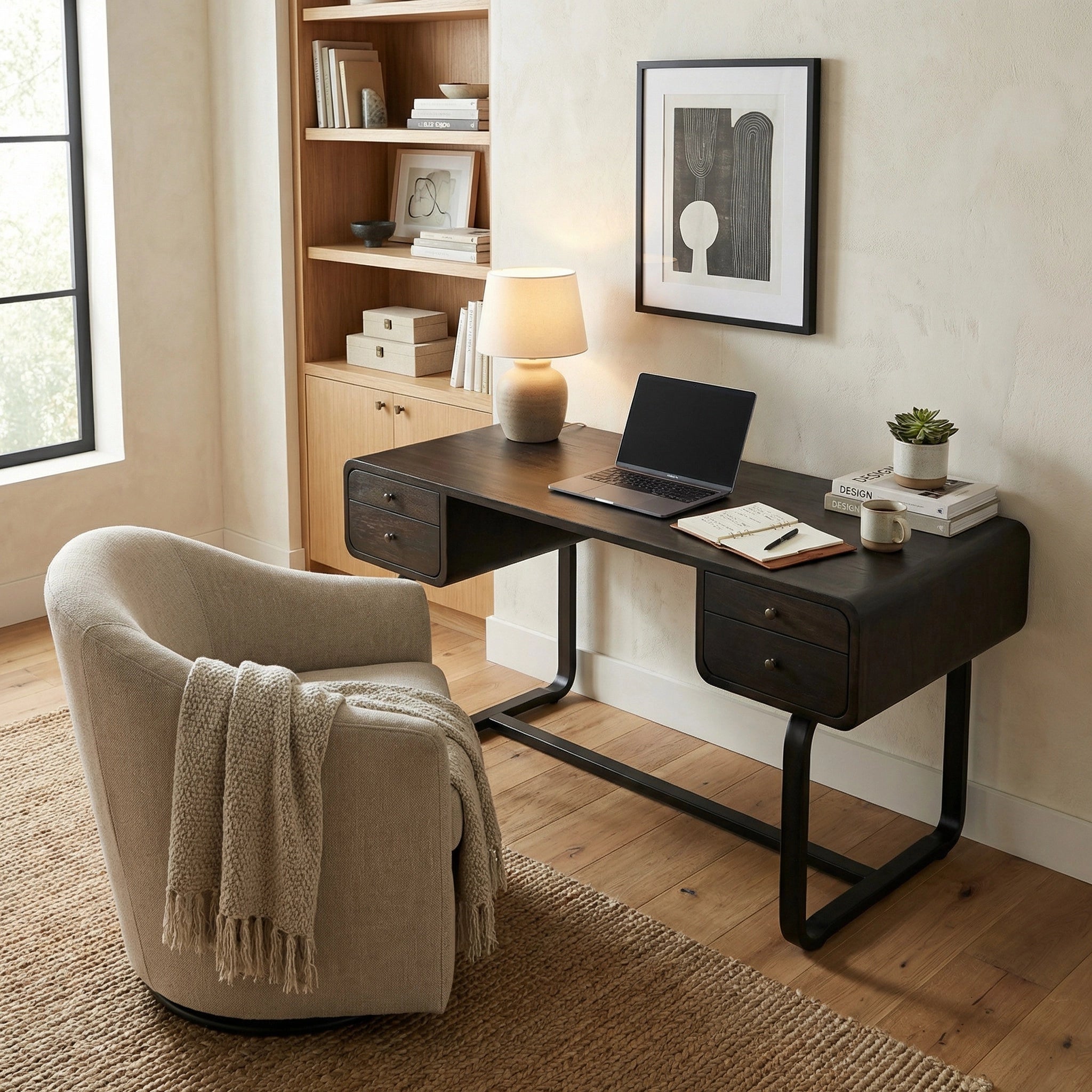
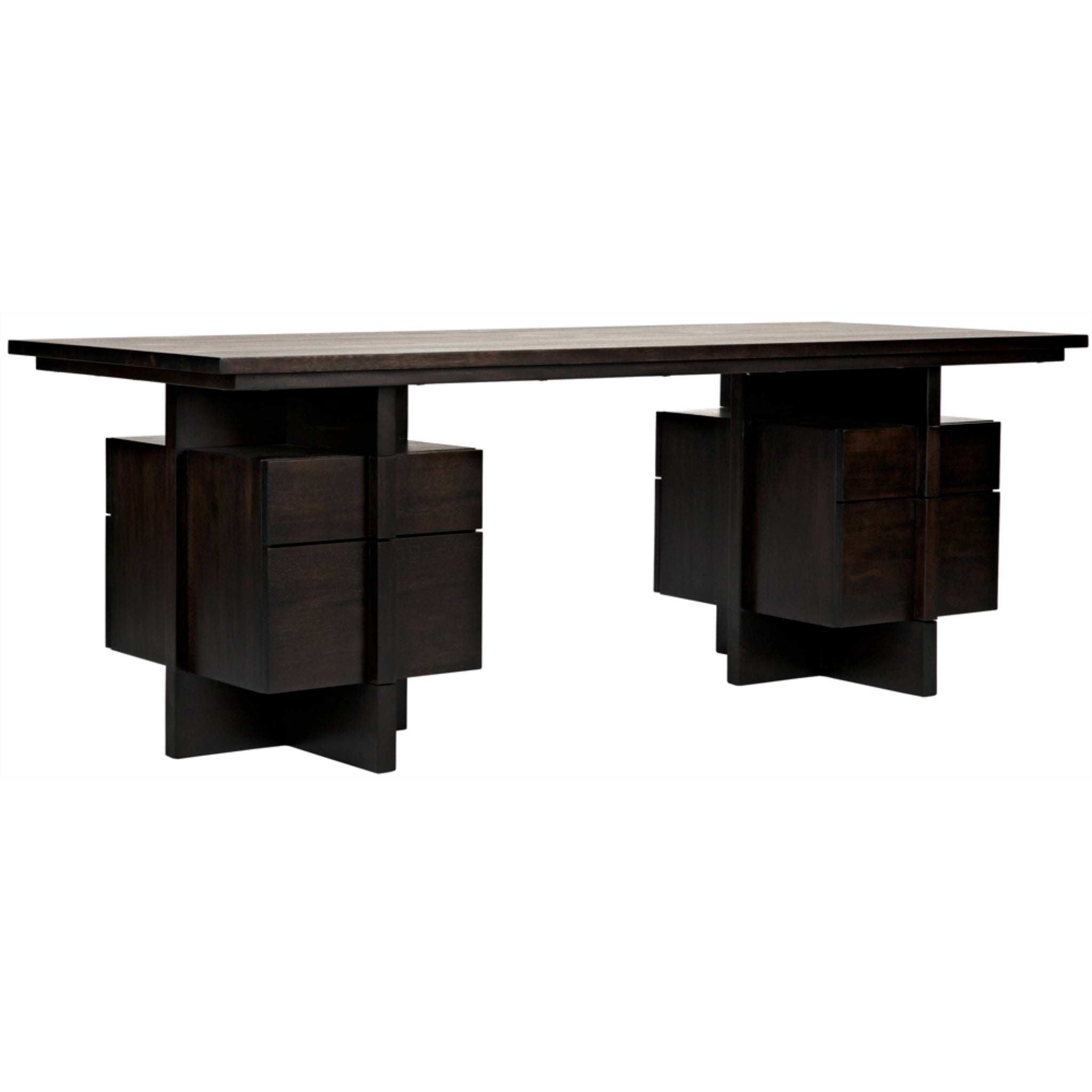
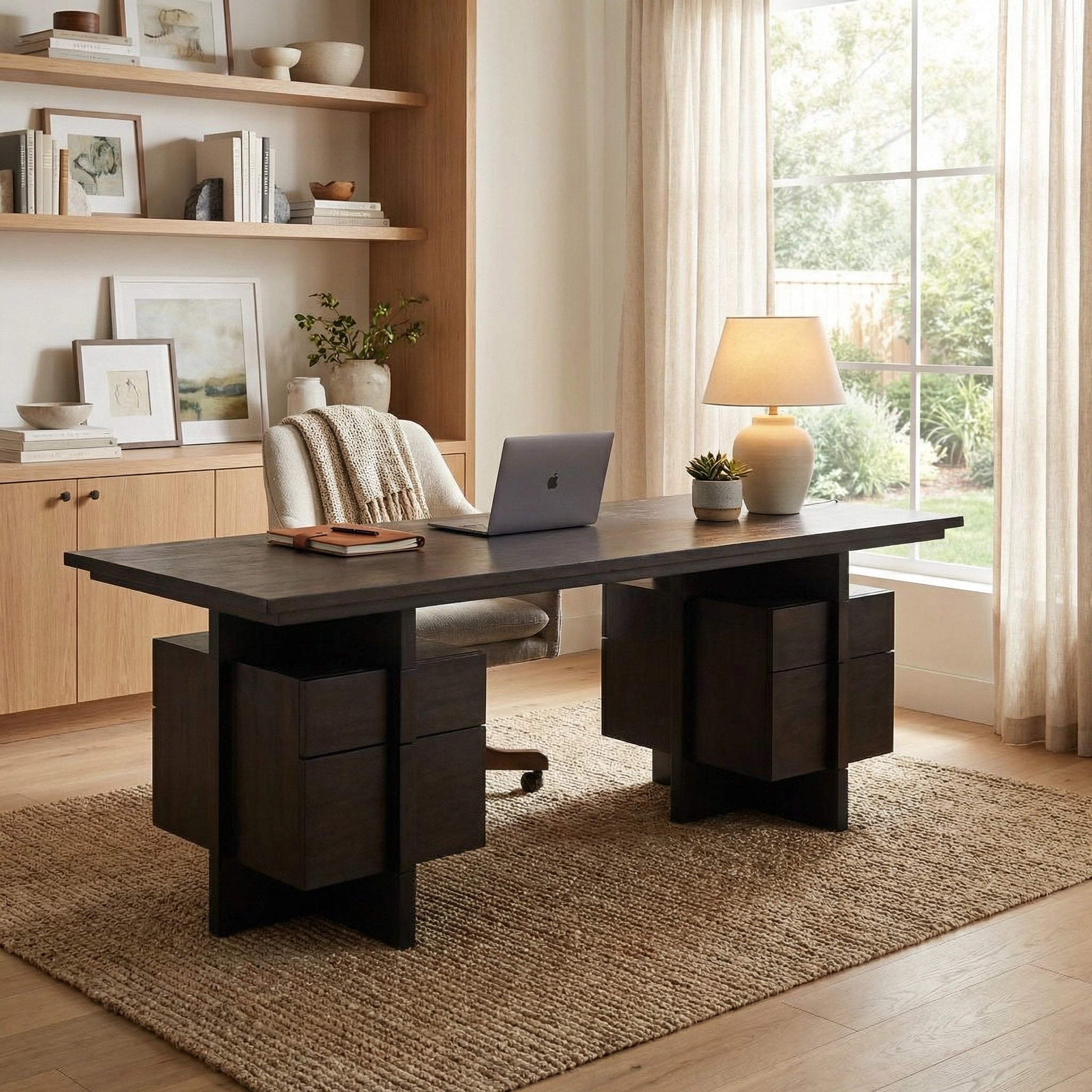
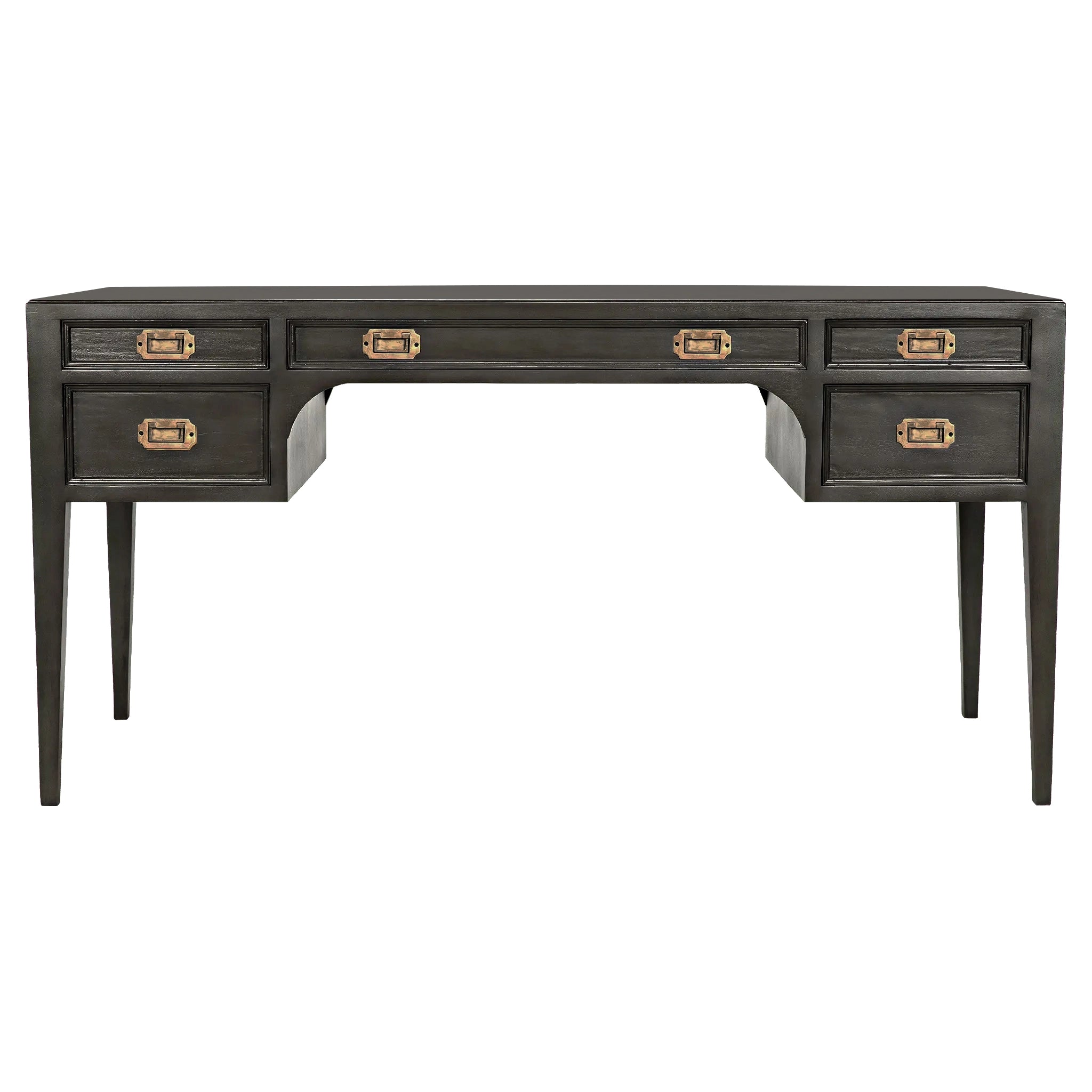
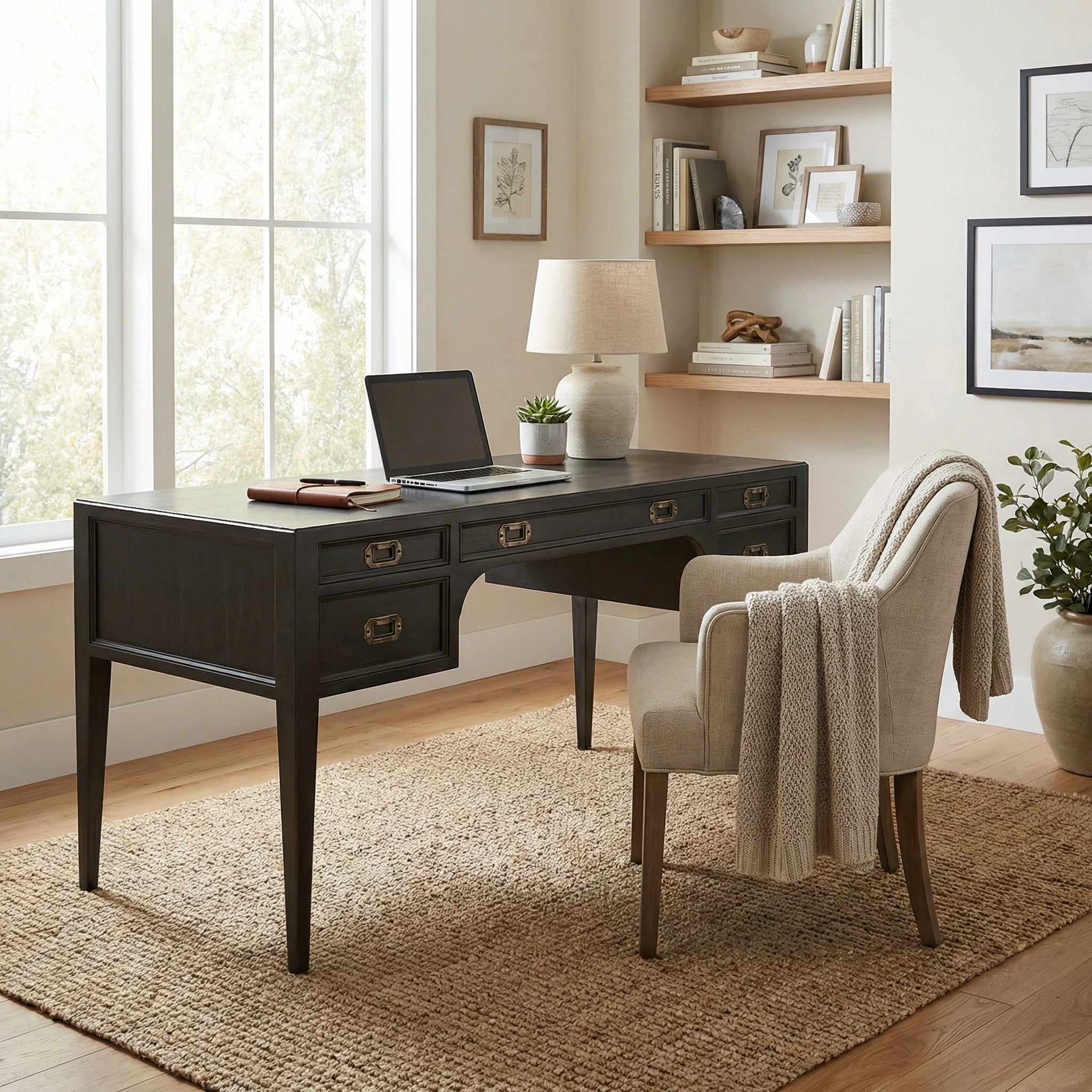


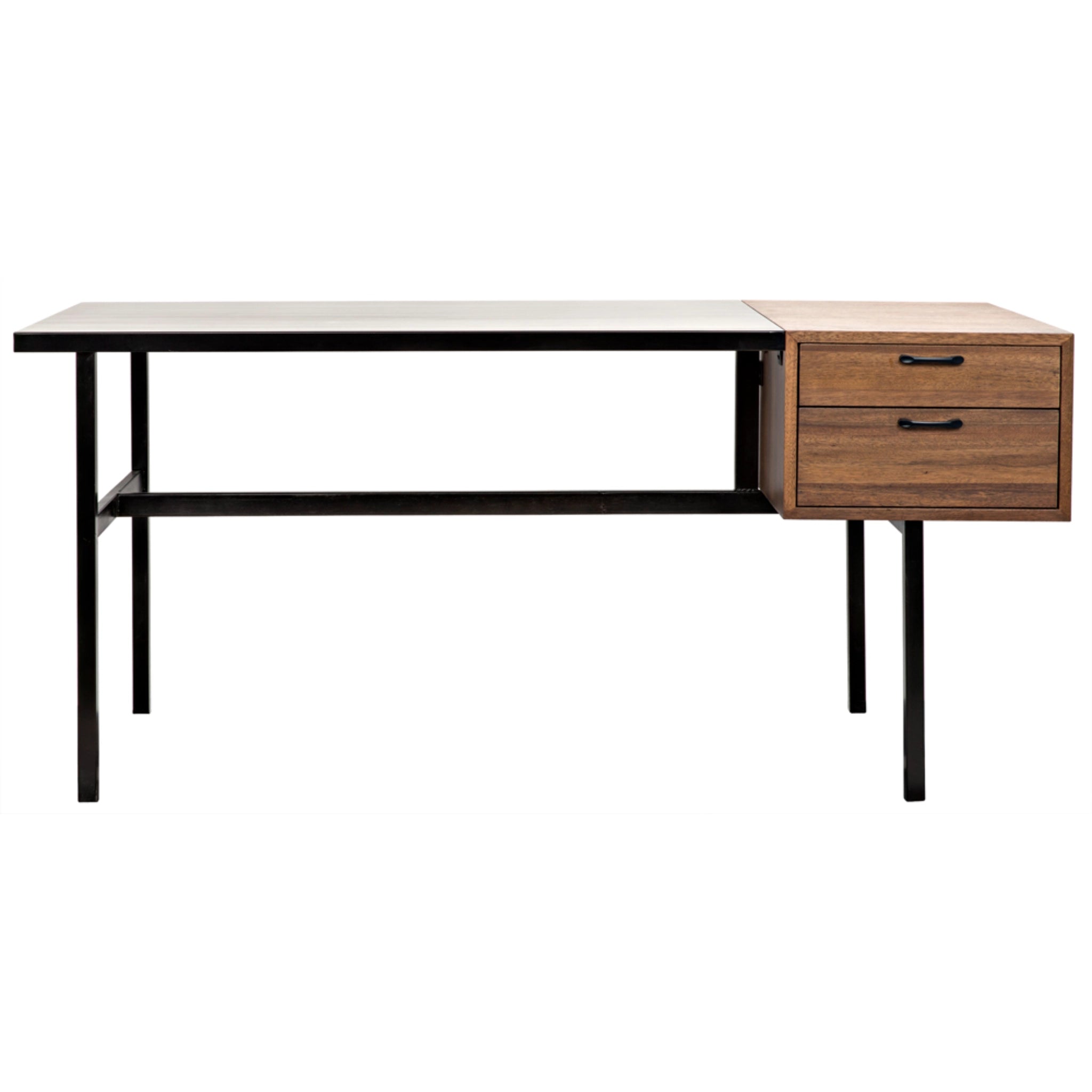
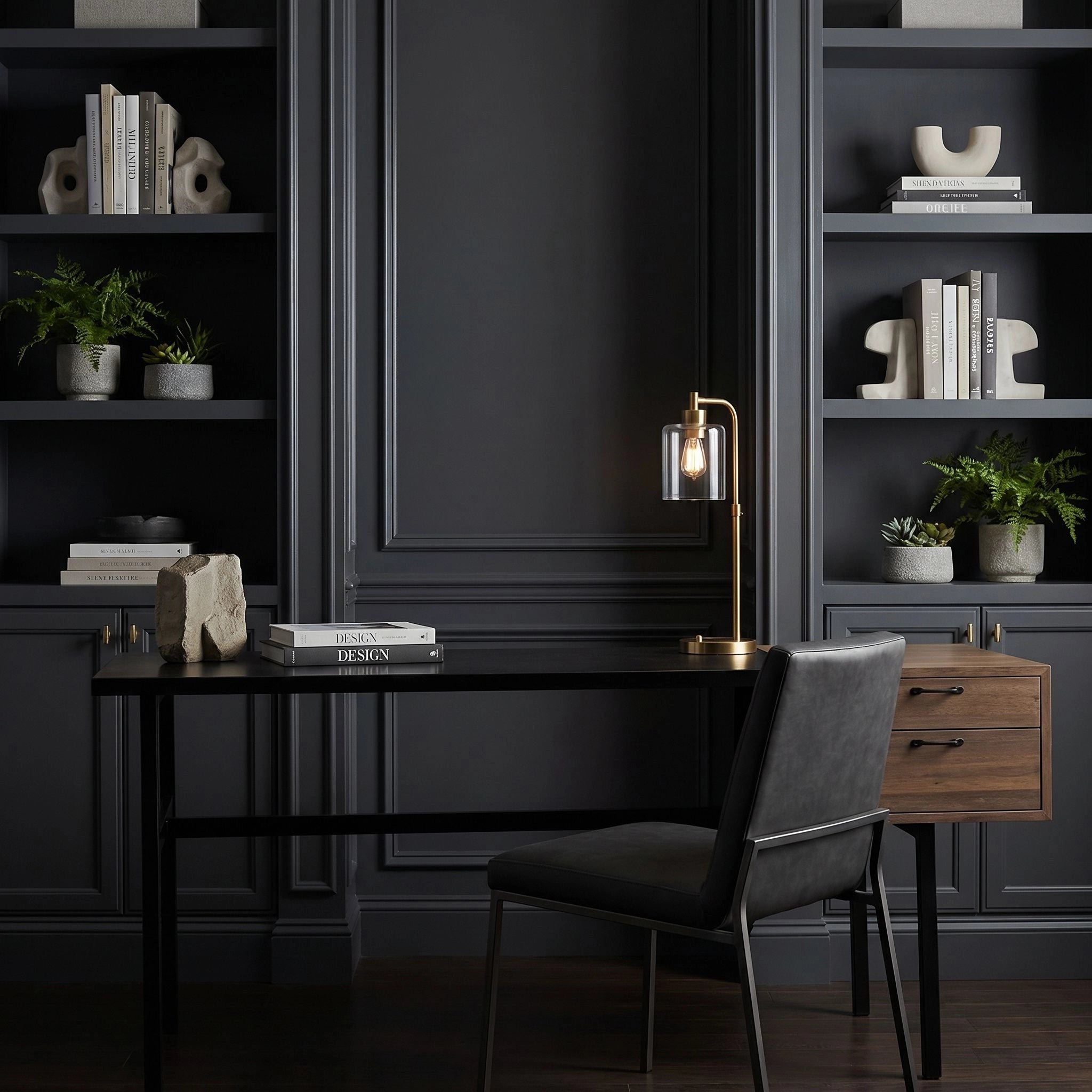


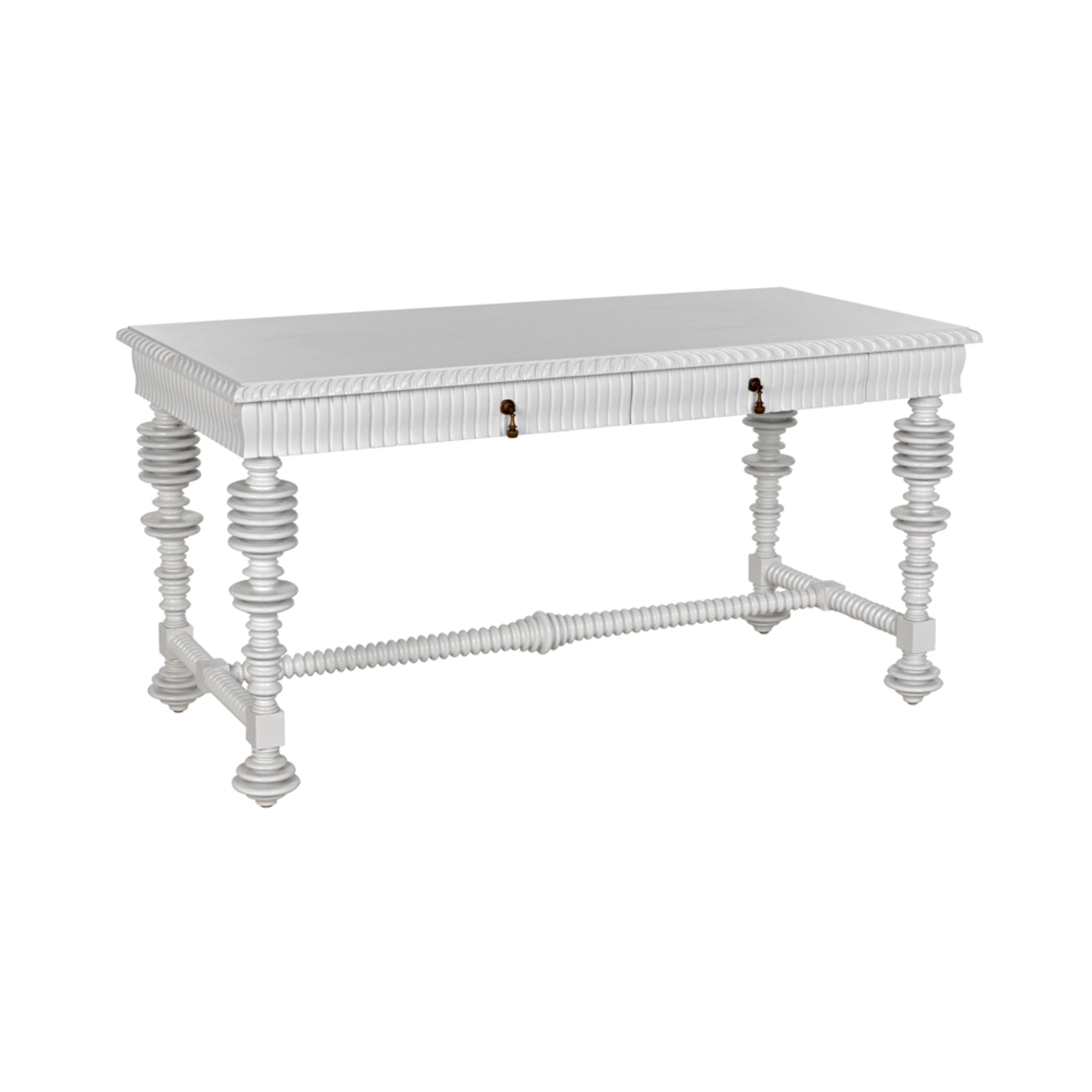
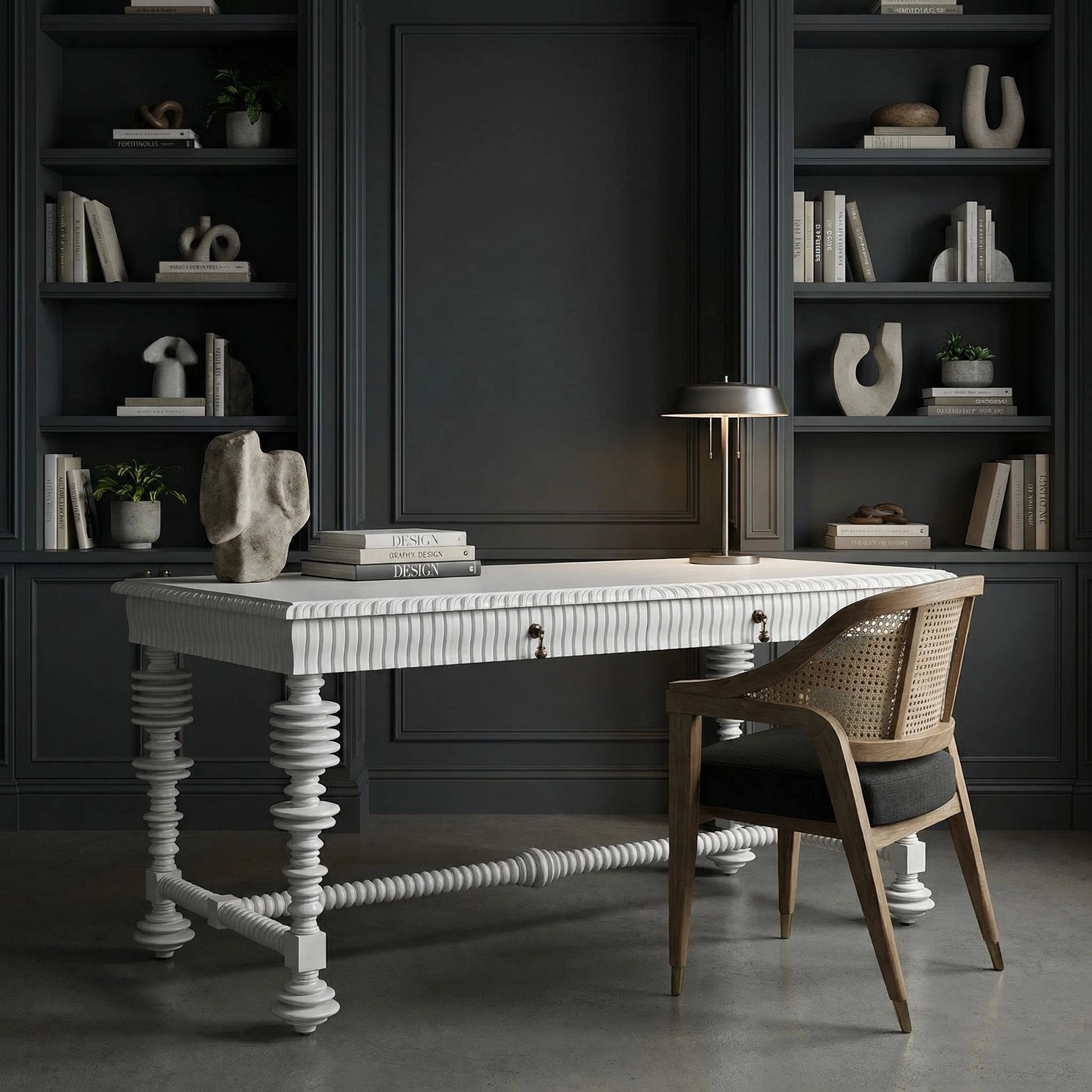


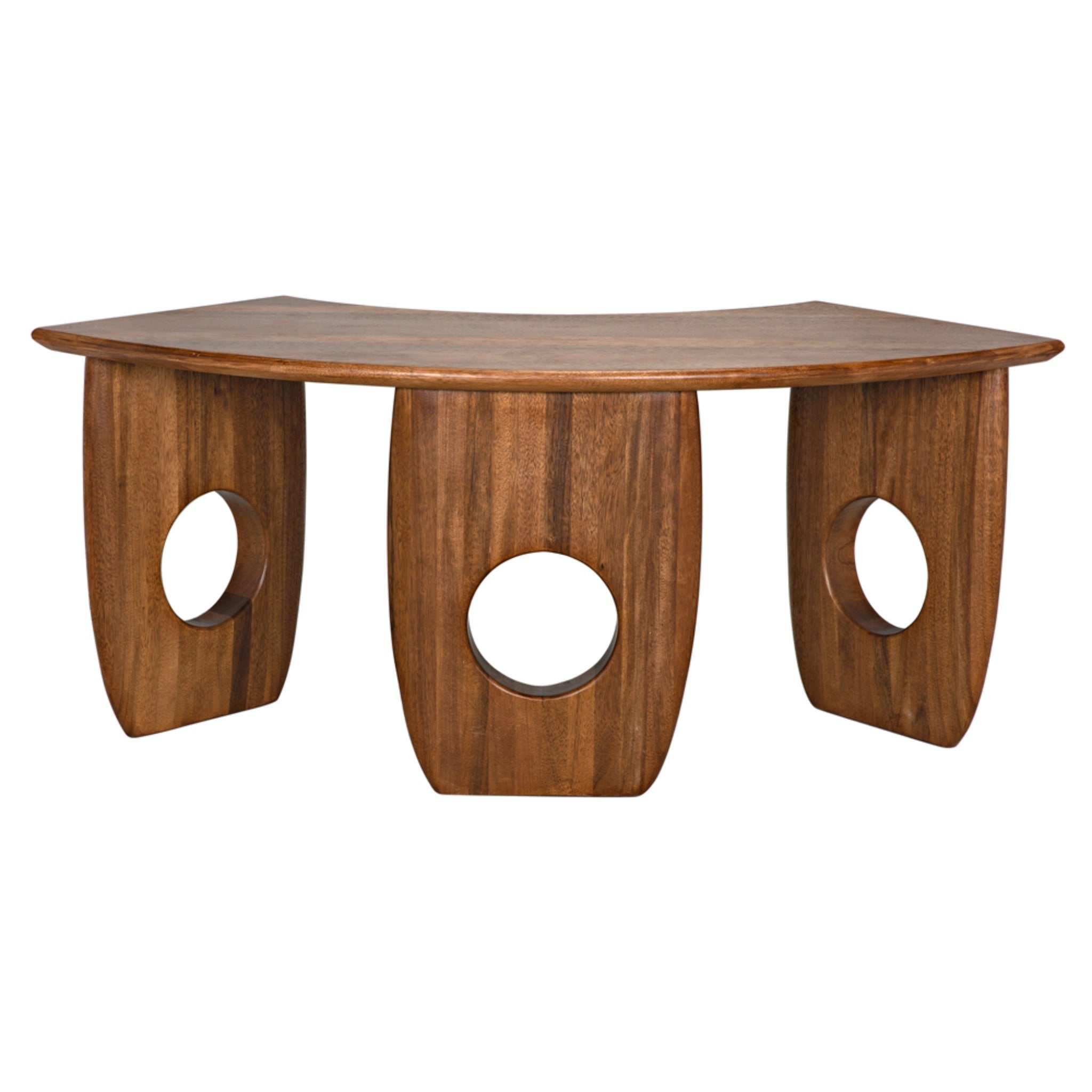

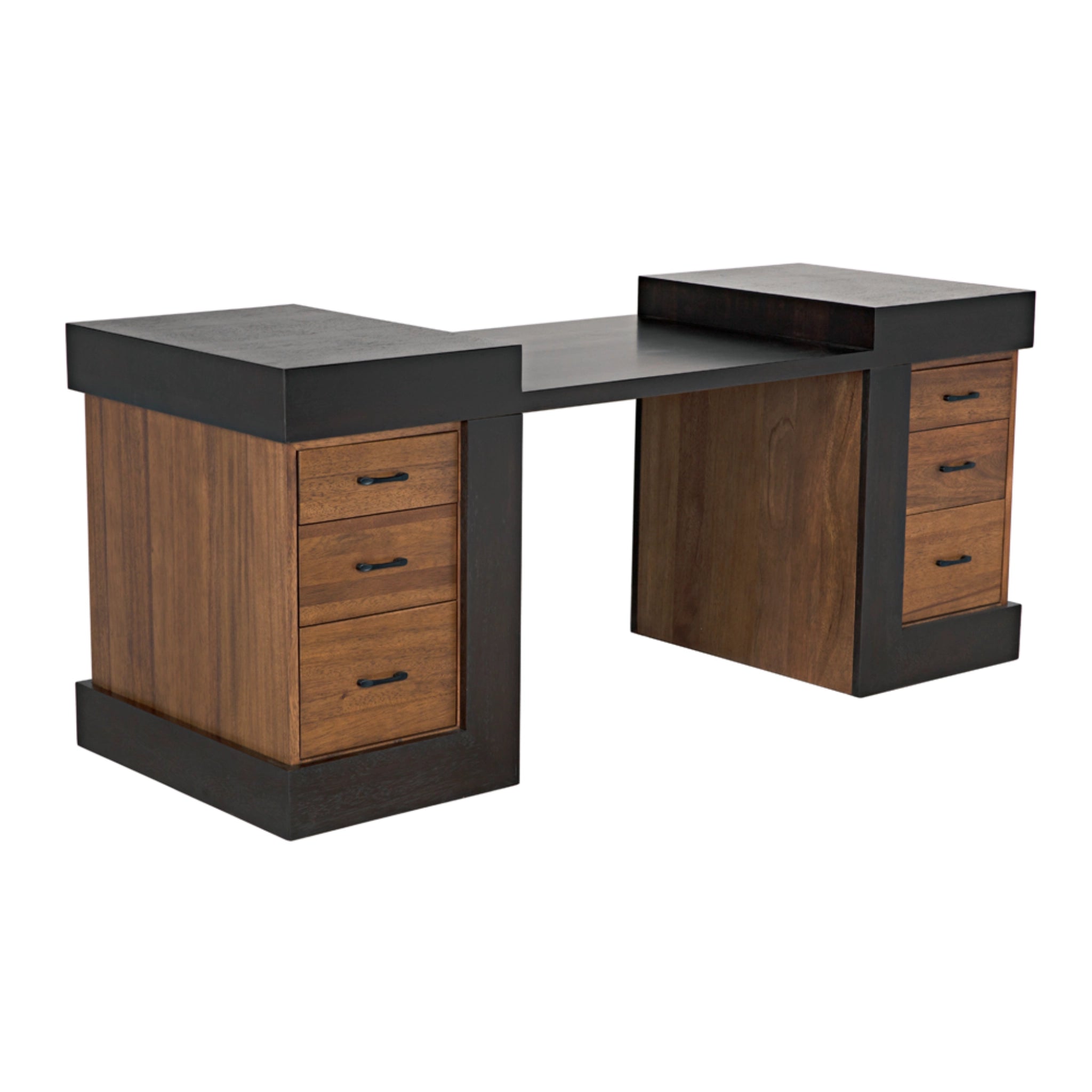
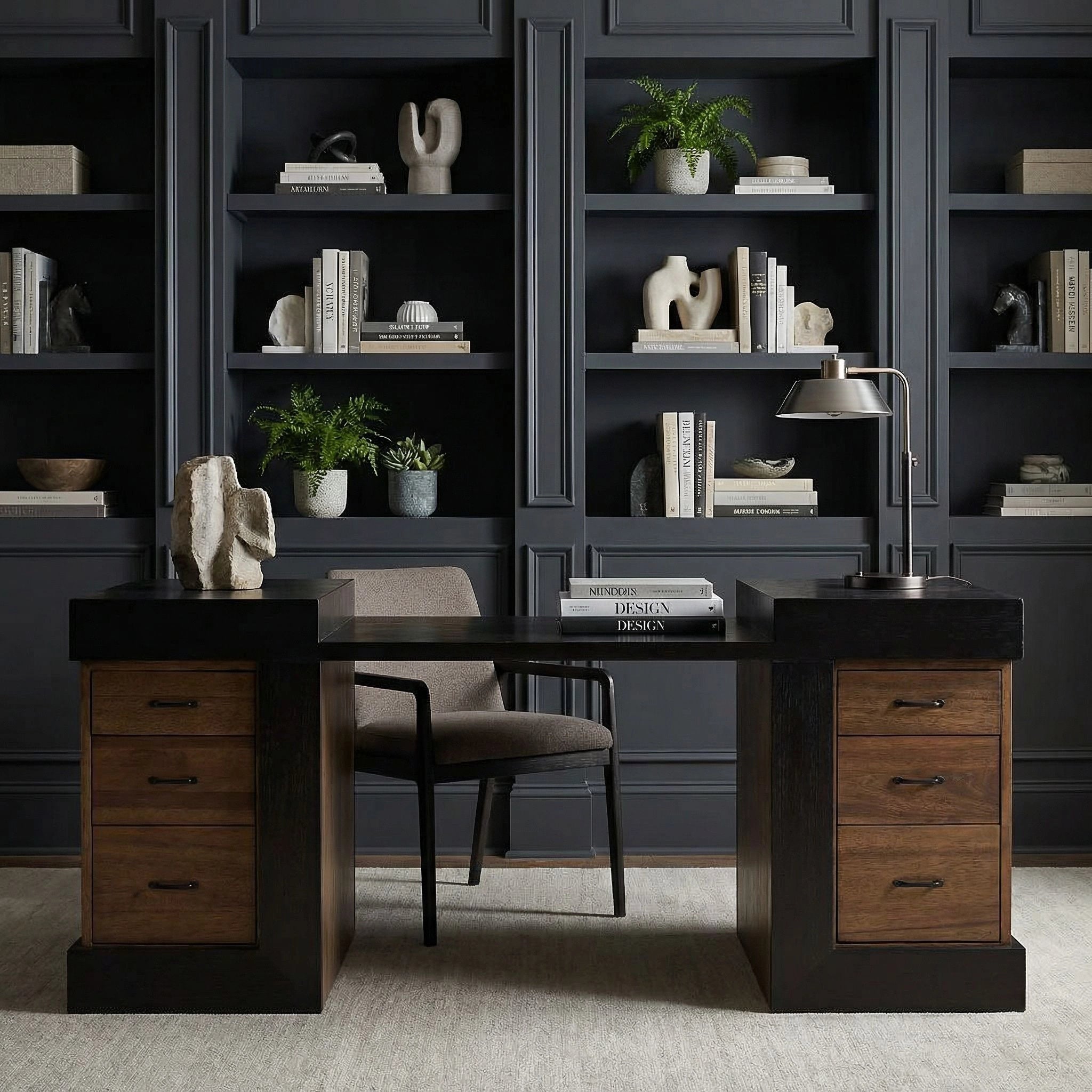


An office desk sets the gravity of a working room. The chair, the lamp, the path you take to sit down all arrange themselves around it, so the surface you pick decides how the space behaves long before storage or finish enter the conversation. Choose well and the room reads as deliberate. Choose poorly and no amount of shelving settles the unease.
Begin with where it sits. Pushed flat to a wall, a desk turns its back on the room and works a little like a galley kitchen, tidy and slightly closed in. Float it so the front meets the door and the same piece starts to hold the floor. A home office desk that stands away from the wall has to earn its keep on every side, not just across a good front edge, which is the same test that runs through the rest of the office furniture range.
Browse by the kind of desk you are after:


Match the desk to the room, not to a category
Depth is the number people skip and then regret. A surface deeper than thirty inches eats a small room and leaves you reaching across it; one near twenty-four feels generous in a corner and still holds a monitor. Measure the walk-around before the width tempts you. The most common mistake is buying the largest desk that fits, then living with a path you have to turn sideways to use.
What a modern desk does to the light
A wood top warms as the day cools, holding grain and a low sheen once the lamp comes on. Black lacquer does the opposite, reading as a clean silhouette in daylight and nearly dissolving into shadow at night, which suits a room you want quiet. Metal and glass stay cool and a touch formal in any light. None is more correct, but they set very different moods after dark, so decide what the room should feel like at the end of the day, not only how the desk looks the morning it arrives.
These pieces sit within that wider range, so the desk, the shelving, and the seating can be chosen as one set rather than three separate guesses.
Desk height, and the chair it has to live with
Most office desks land at twenty-nine or thirty inches, a number inherited from typewriters rather than laptops. It works if the chair can rise to meet it. It does not work if the chair is fixed and your forearms end up angled up toward the keyboard, which is the posture that turns a good room into a shoulder ache by four in the afternoon. Sit first, then measure. The surface is only correct relative to the seat.
Top thickness matters more than the spec sheet suggests. A three inch slab with an apron beneath it can steal enough clearance that a chair arm will not slide under, and the piece you loved in the photograph becomes one you sit sideways at. Measure from the floor to the underside of the apron, not to the surface.
What a wood desk has to hide
A working room fails on cables long before it fails on style. A desk with a solid back panel hides the run cleanly, which is part of why it belongs against a wall. Float that same piece and the back of it becomes a view, so look for a grommet, a channel, or a rear rail you can strap to. Open leg frames read lighter and ask for more discipline from you every single day.
Drawers are the other quiet decision. One shallow drawer keeps the surface clear, which is most of what a desk is for. Deep file drawers are useful to fewer people than the industry assumes, and they add weight and visual mass to a piece whose whole job is to look calm when you pass it at night.
Frequently asked questions
What is the best office desk for a small room?
A compact or writing style with a depth near twenty-four inches. It gives you a working surface without crowding the walk-around, and it reads as furniture rather than equipment when you step back.
How much desk space do I actually need?
For a laptop and a notebook, forty-eight inches of width is comfortable. For dual monitors or paperwork, look closer to sixty. Depth matters more than most people expect, so aim for twenty-four to thirty inches.
Where should a home office desk go in a room?
If the room allows, face the desk toward the door with a wall or low shelf behind you. It feels settled and looks composed. Against a wall works too, as long as the chair has room to push back without hitting anything.