Wood Desks
Oops! It seems we’ve gotten ahead of ourselves. This collection is currently in the curation phase meaning we’re polishing every wood and leather piece and perfecting every velvet corner. Check back soon...
Continue shoppingWood Desk
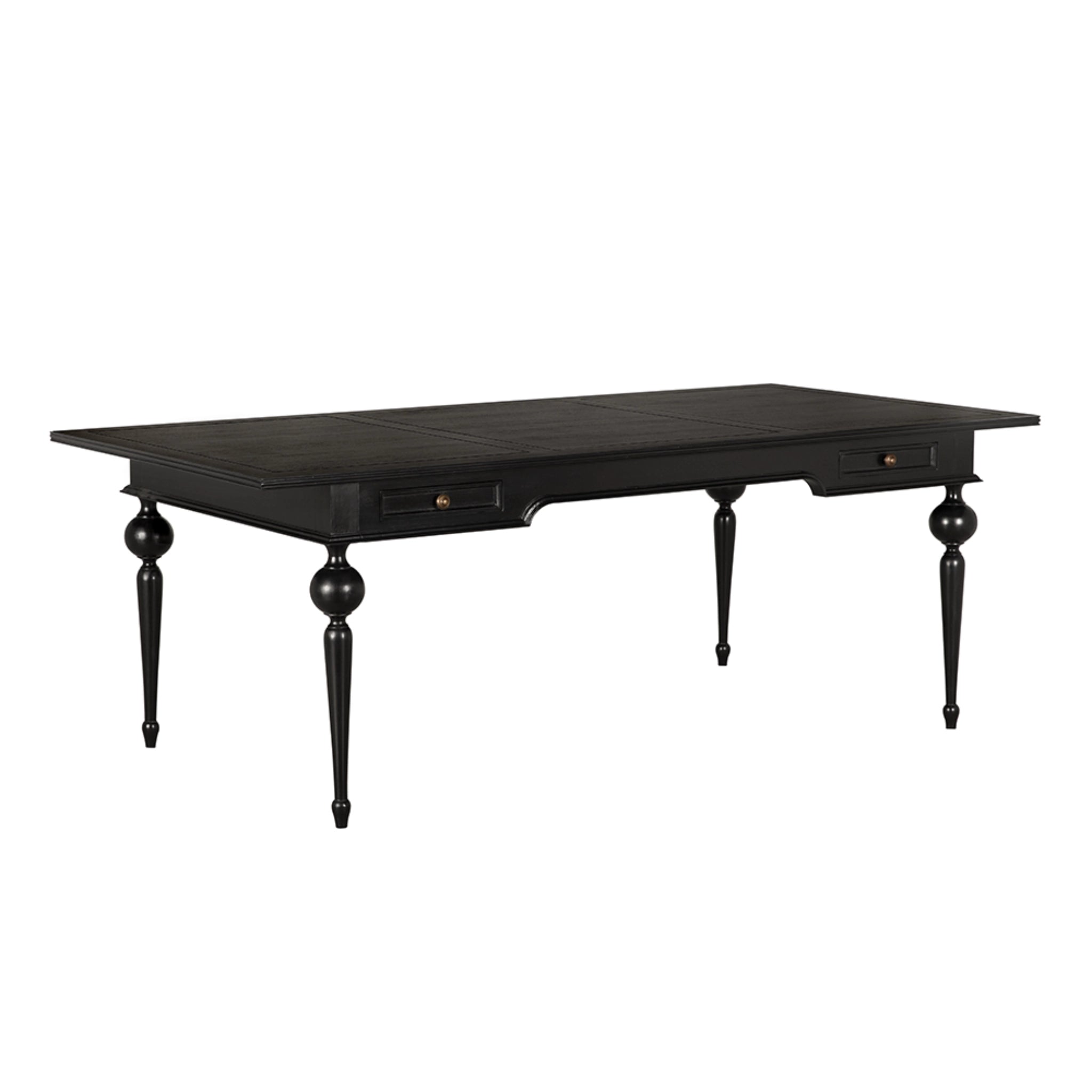
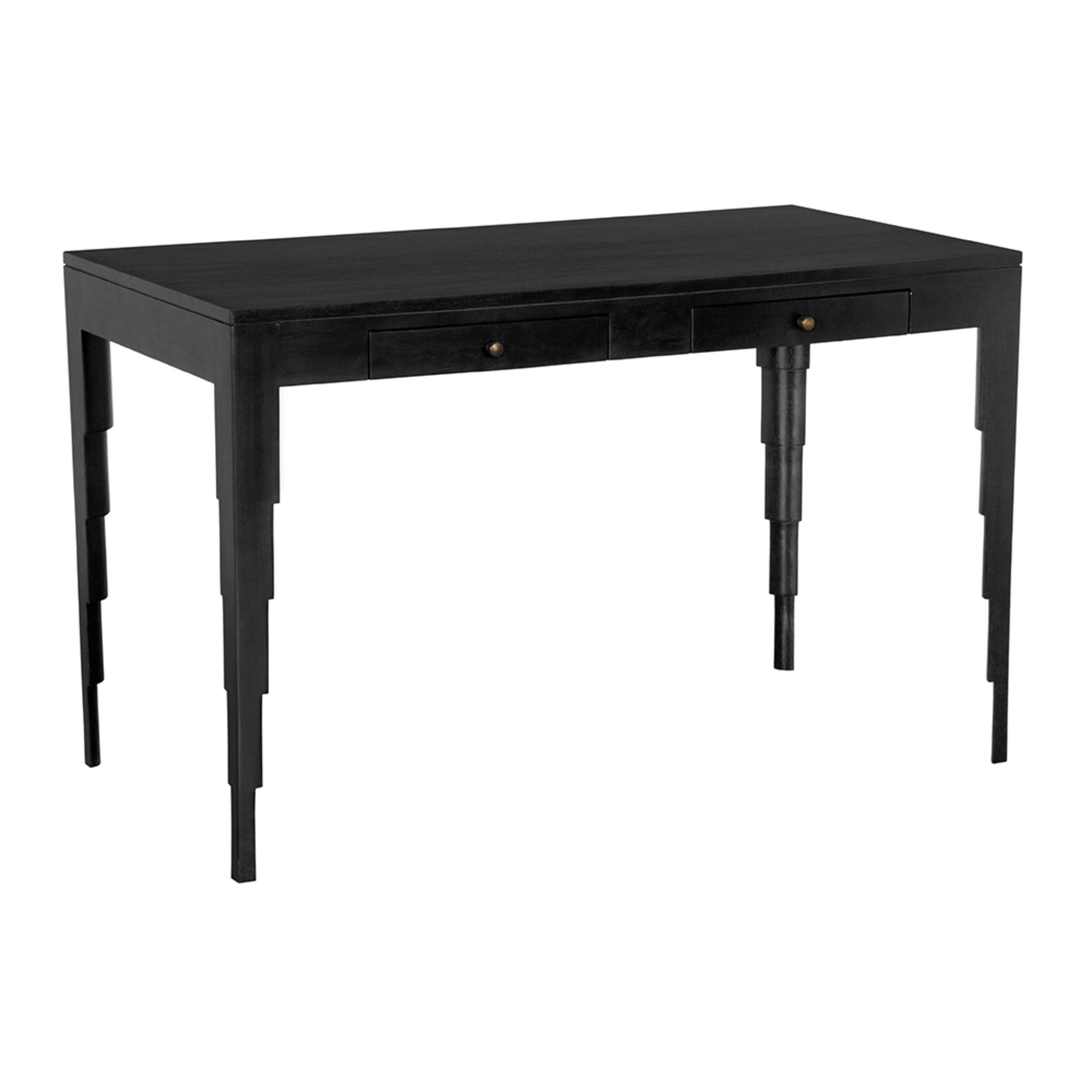
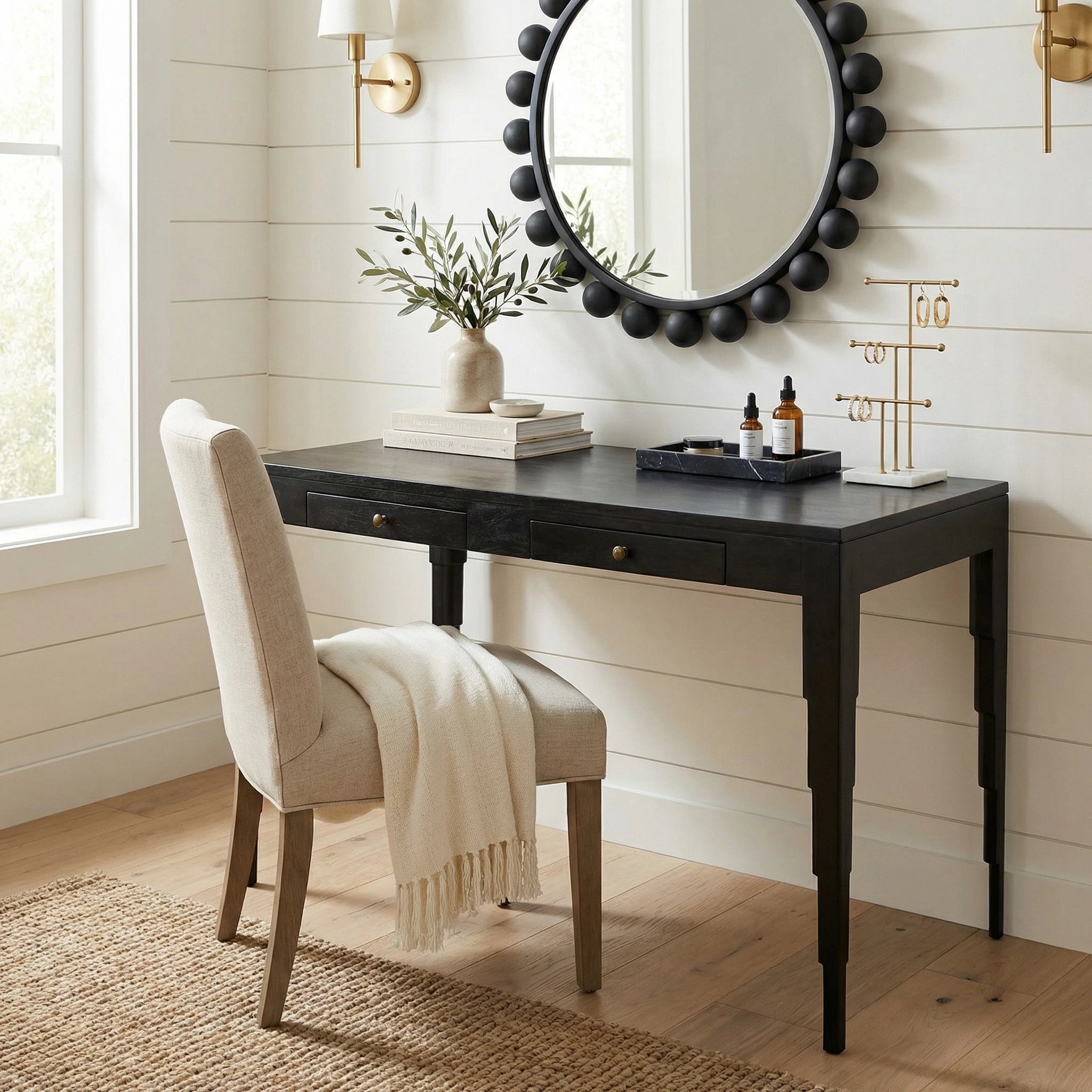
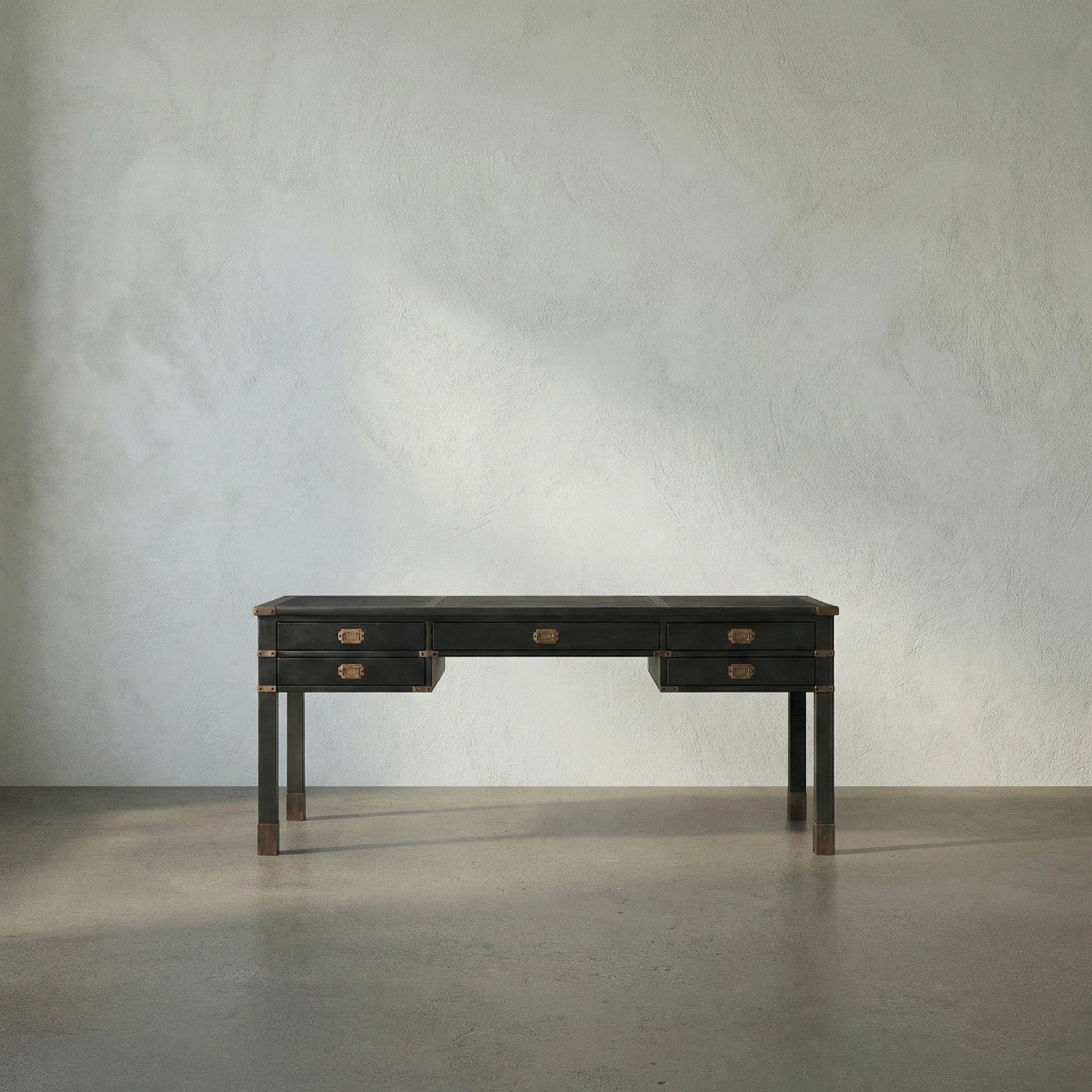
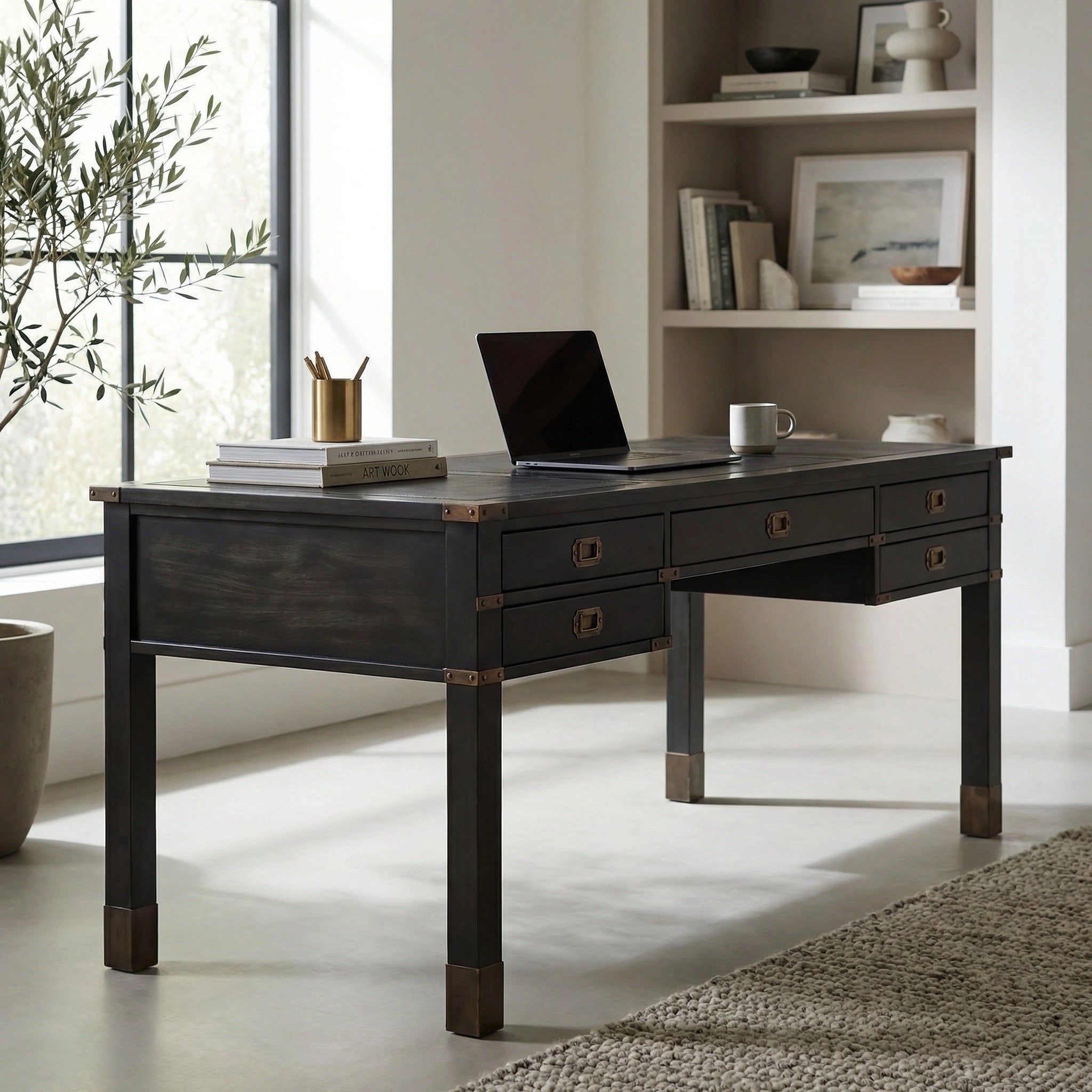
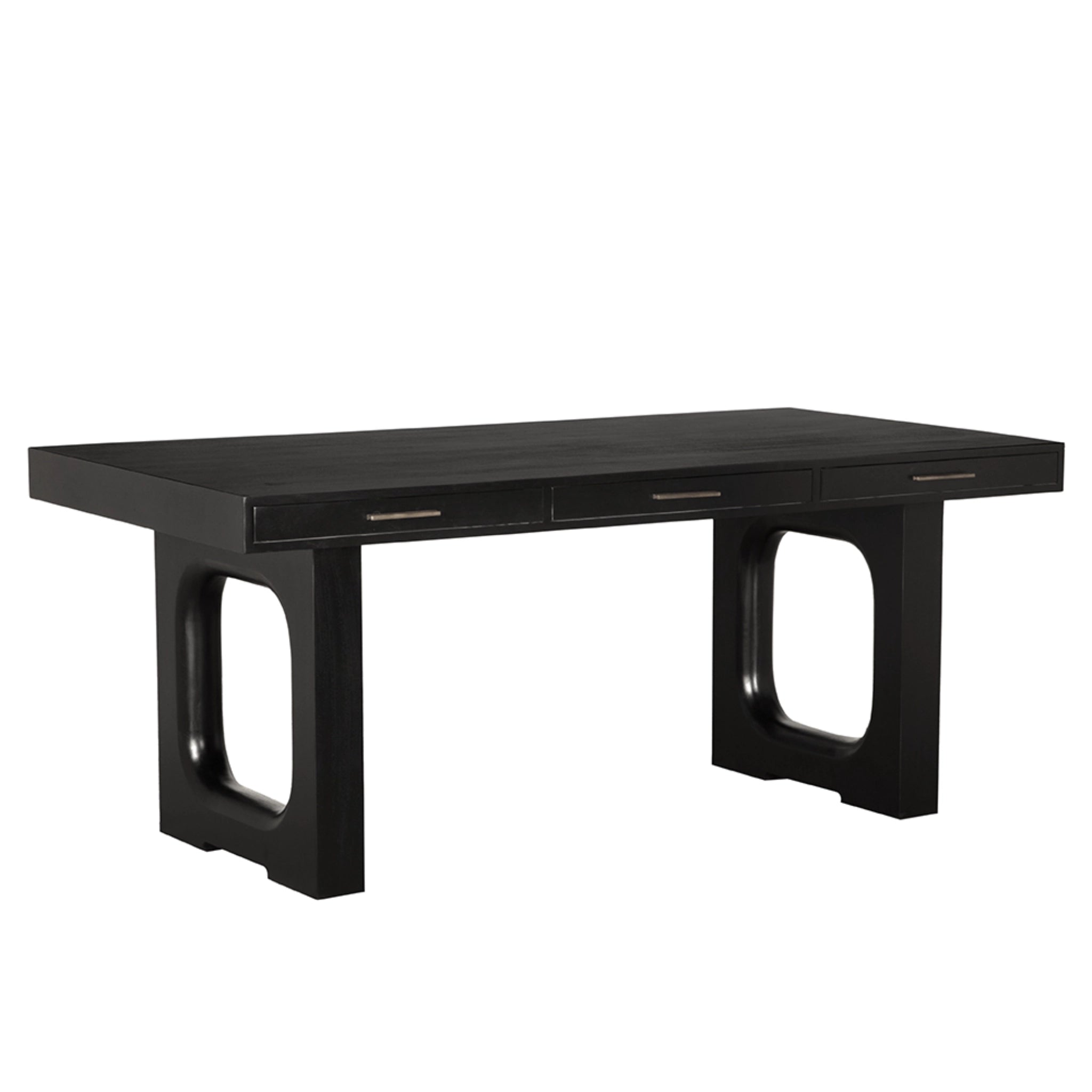
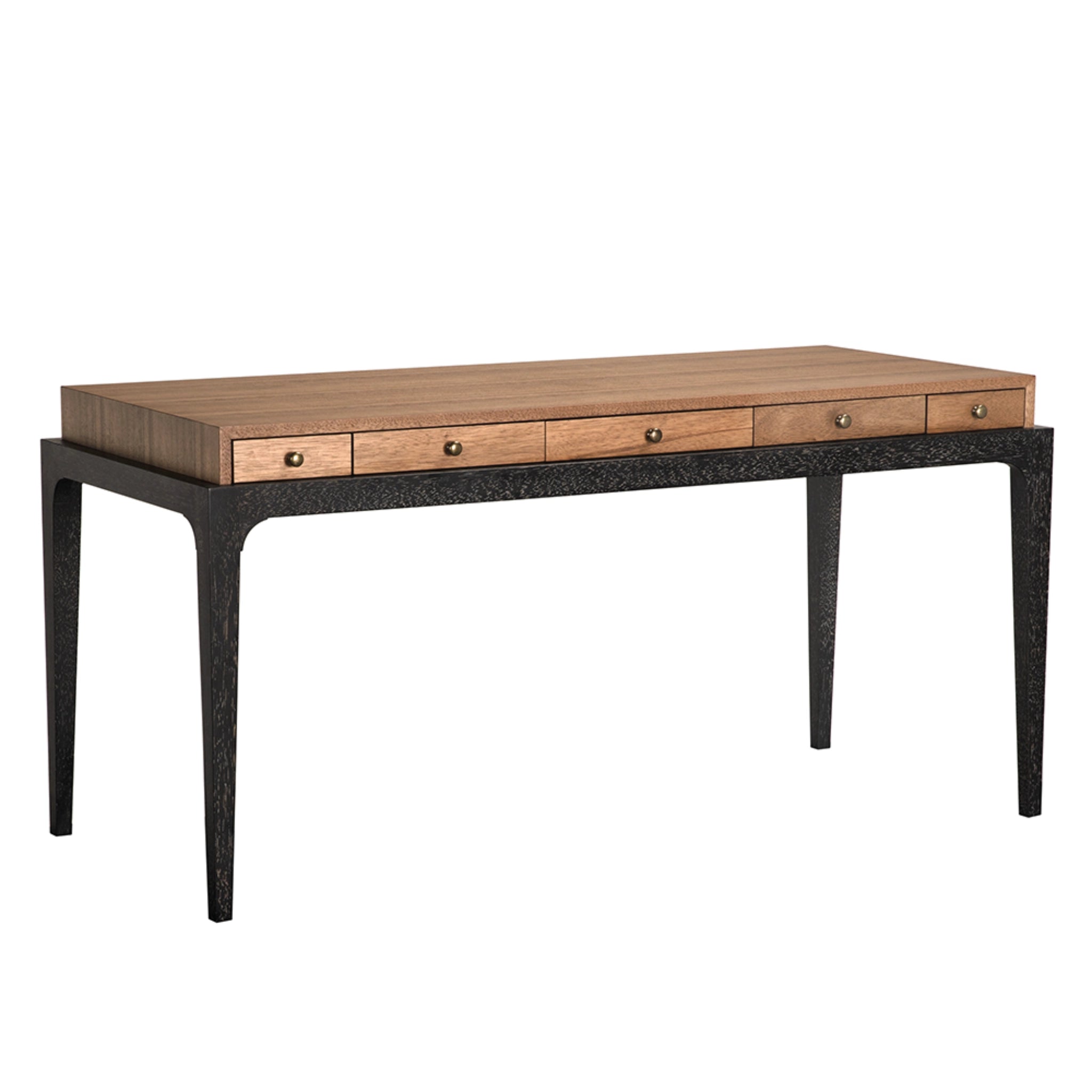
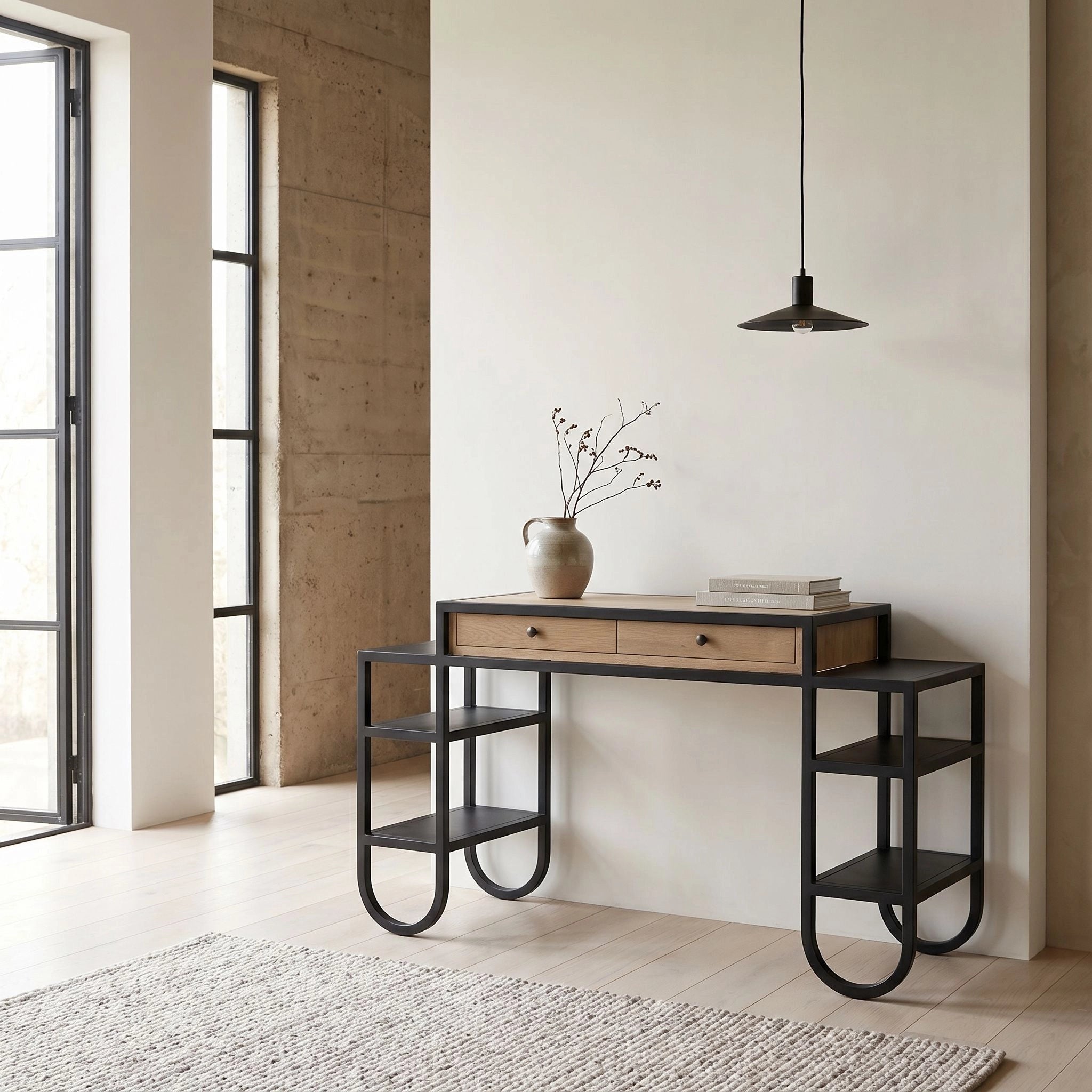
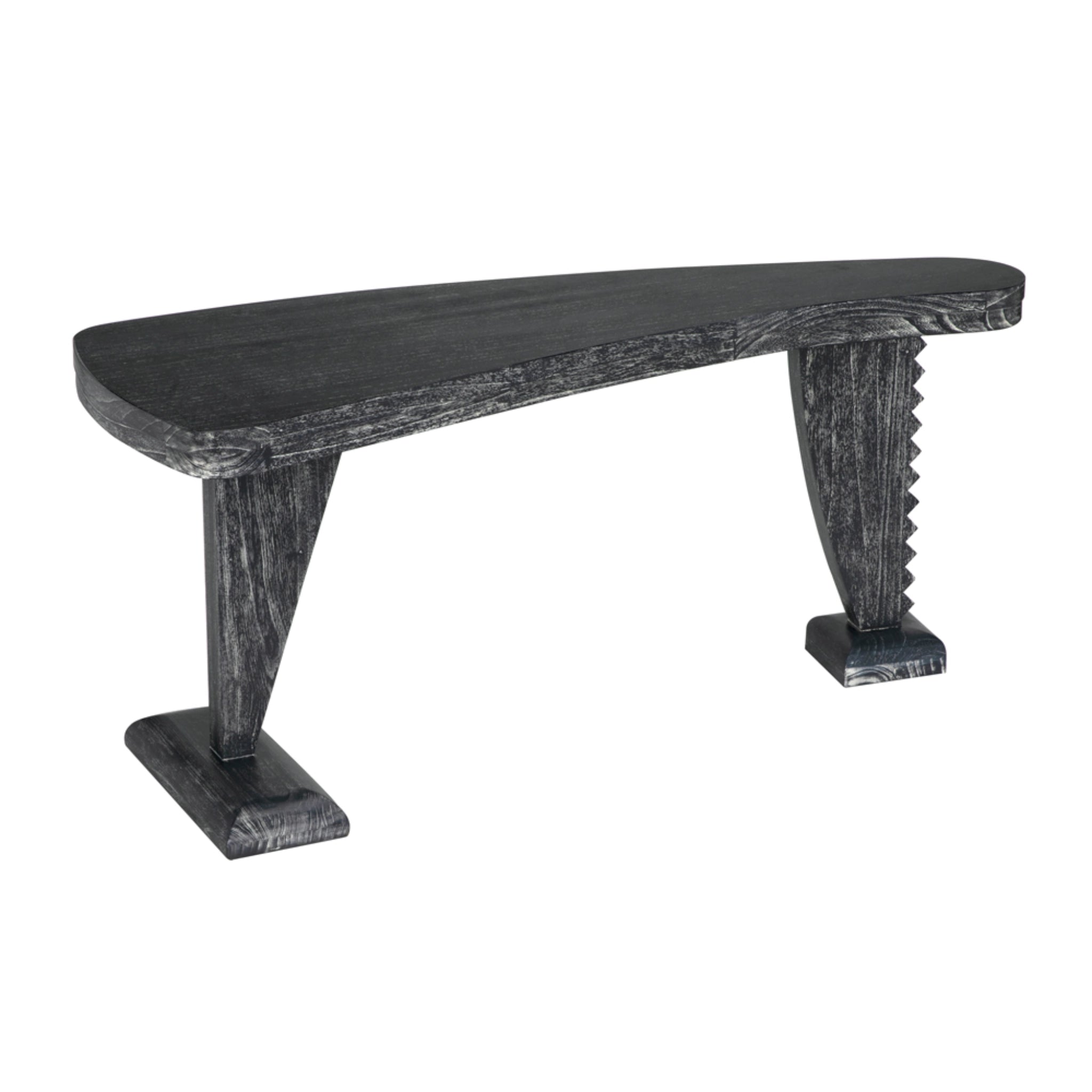
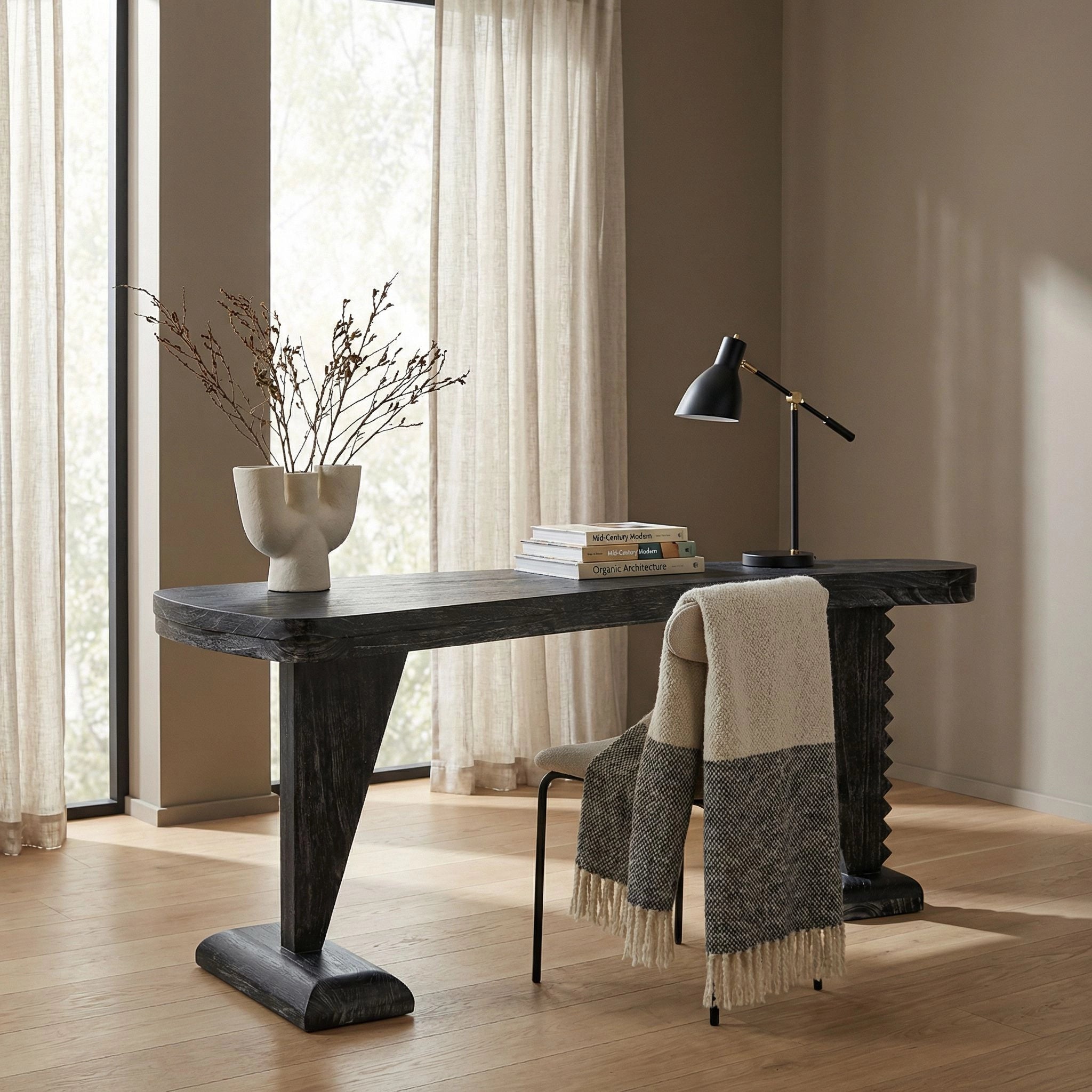
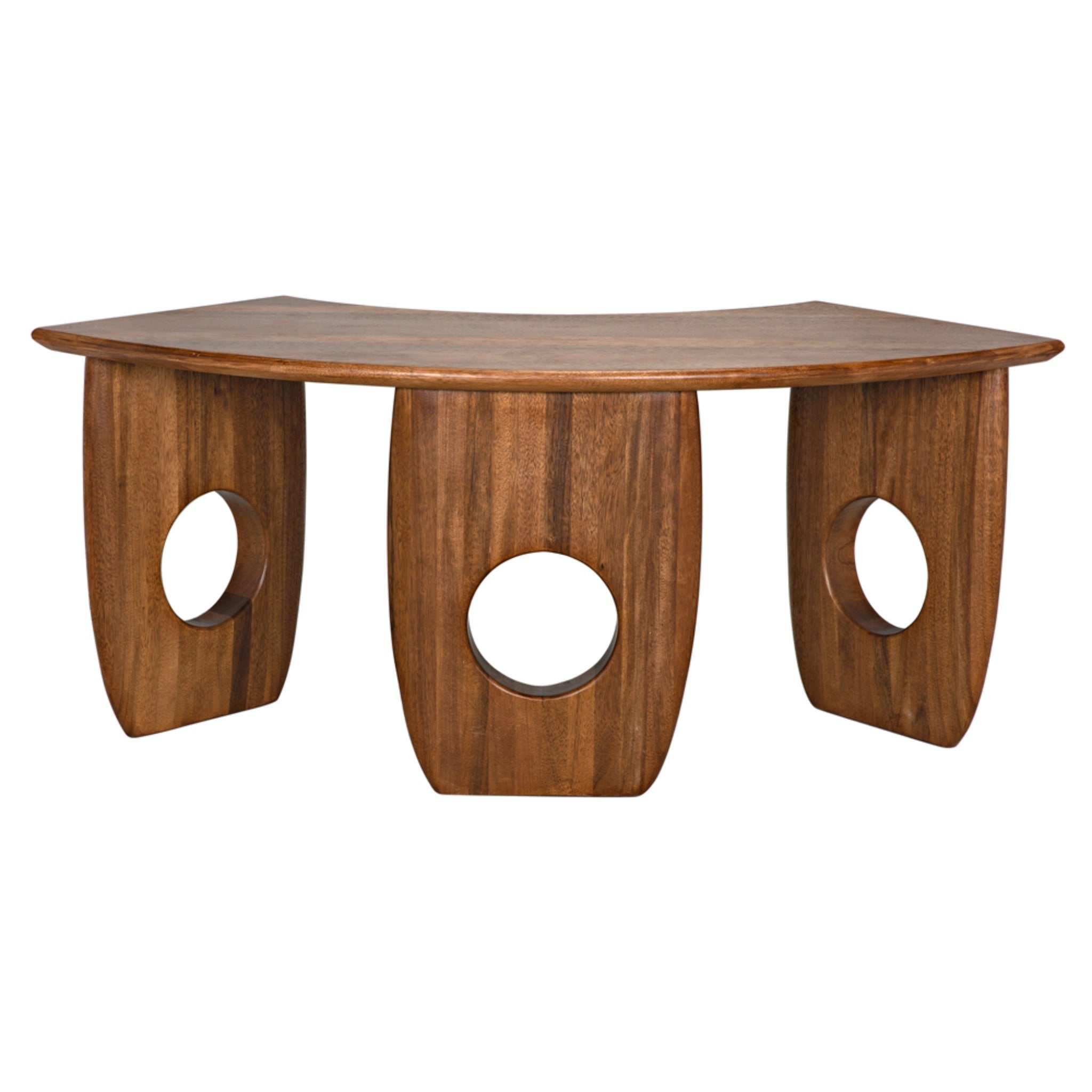
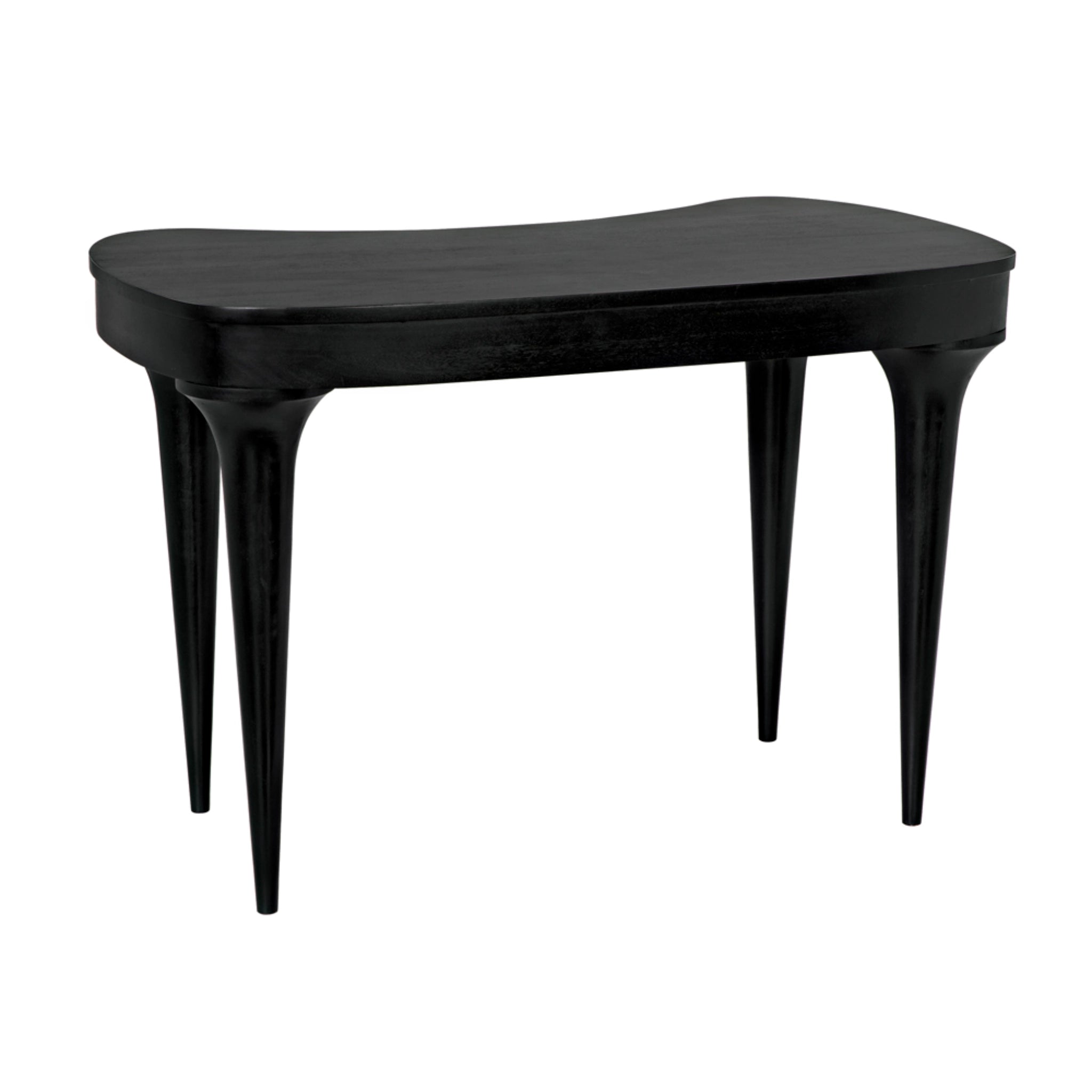
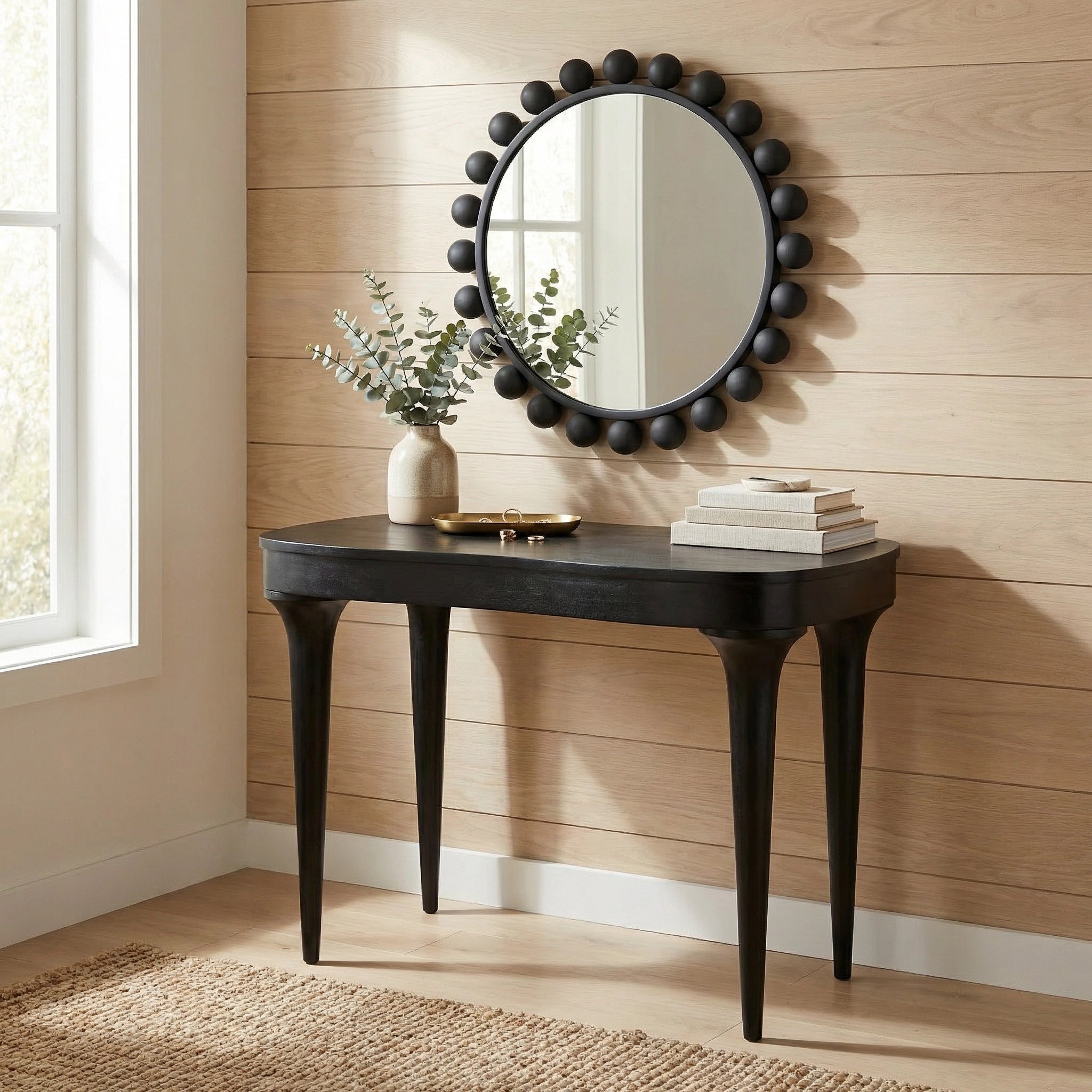
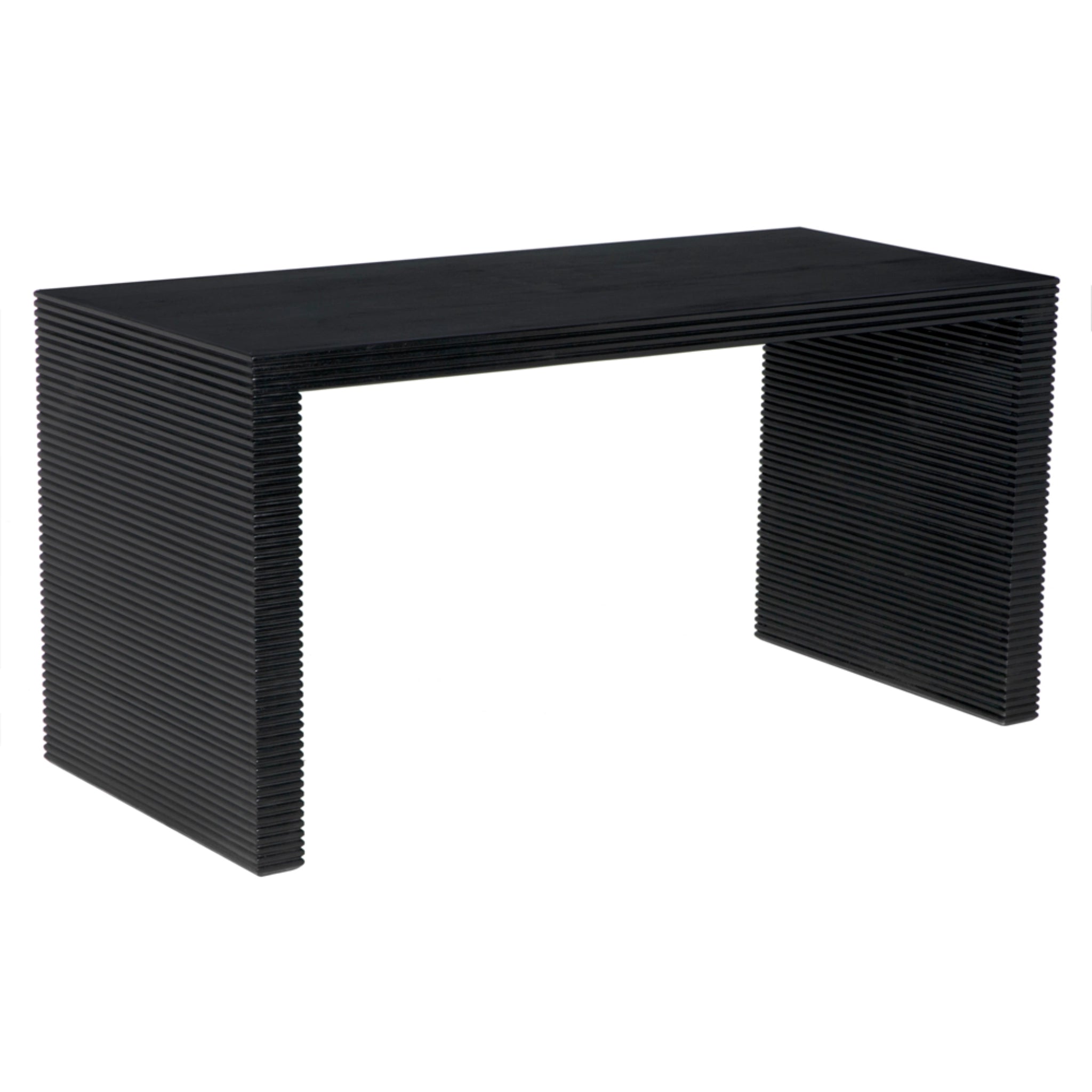
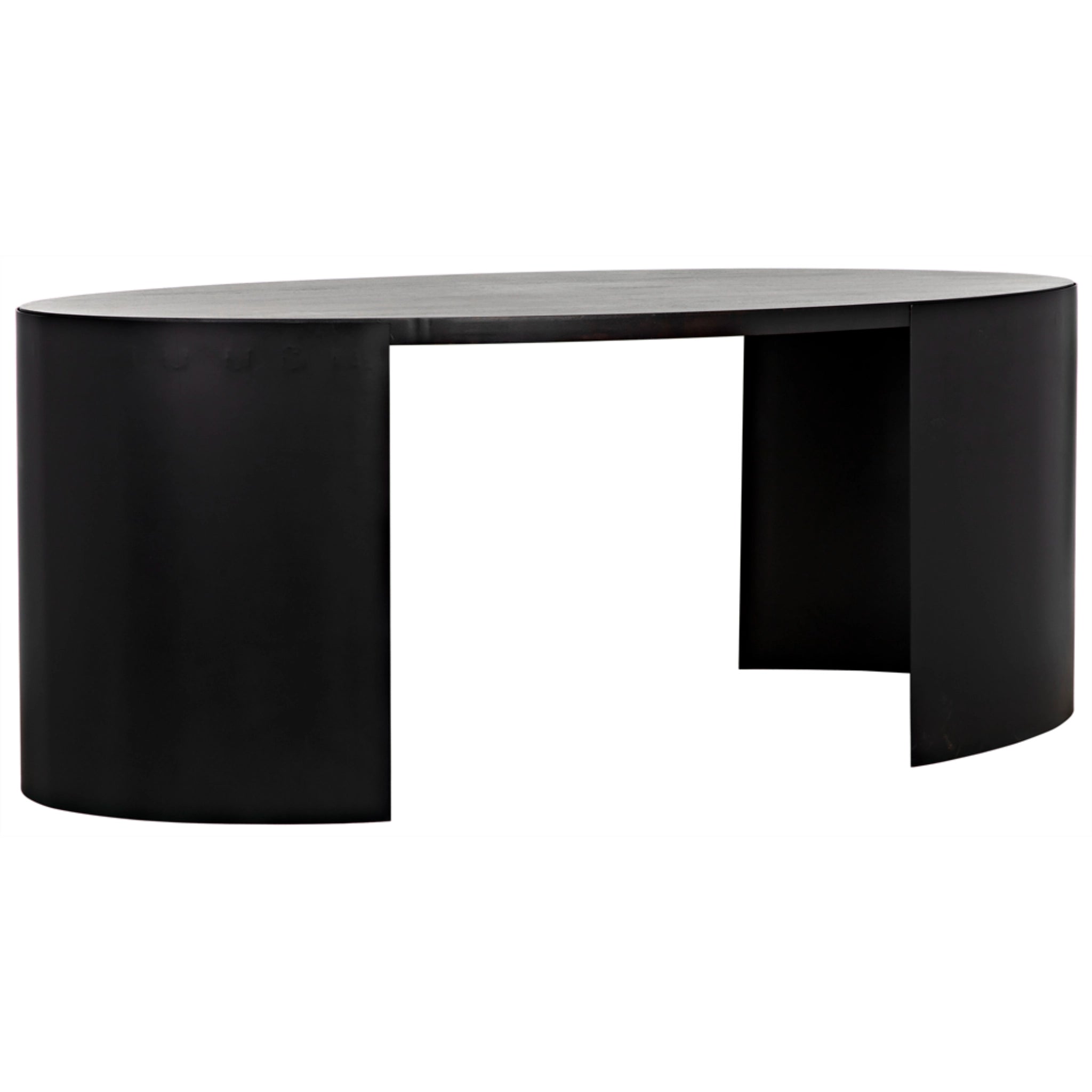
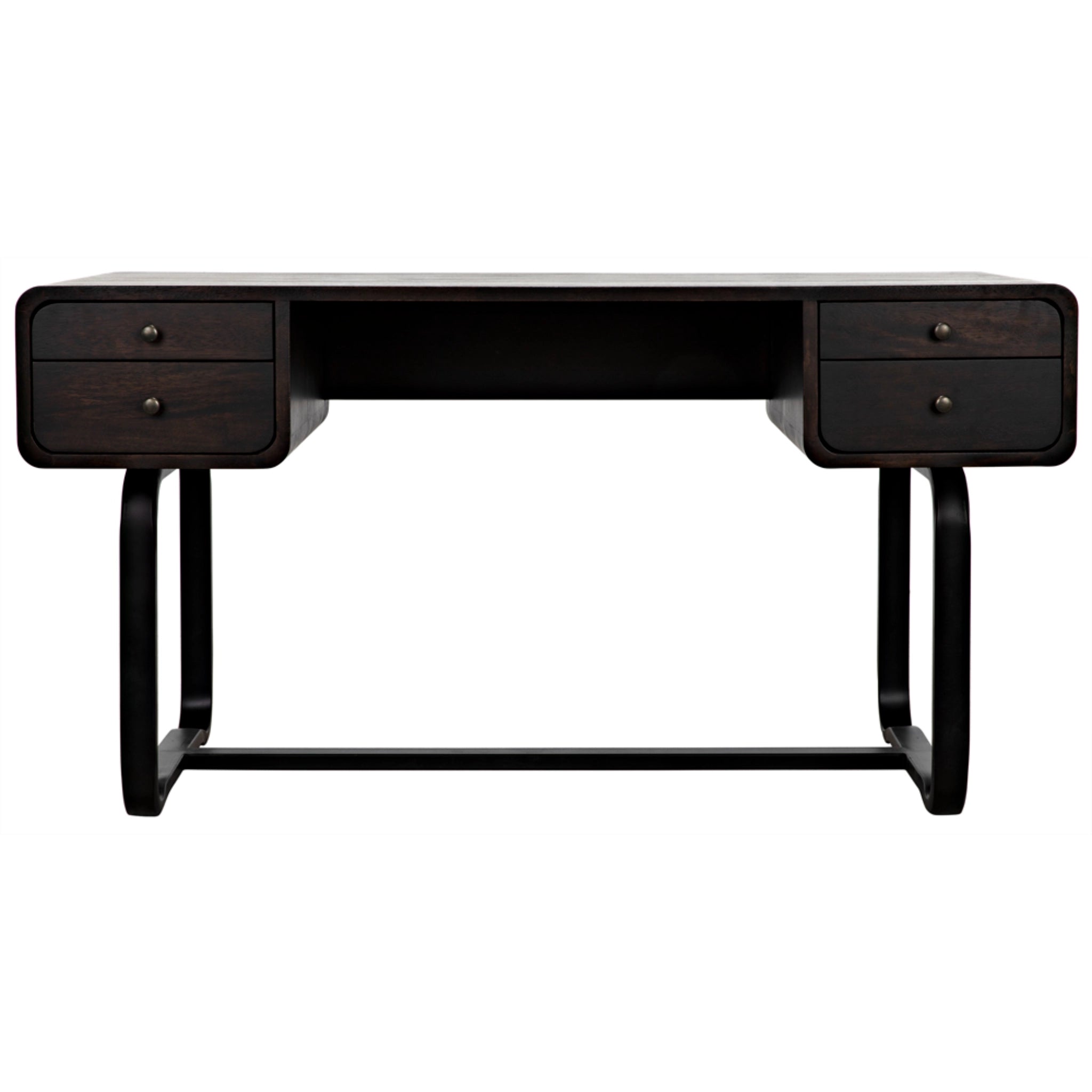
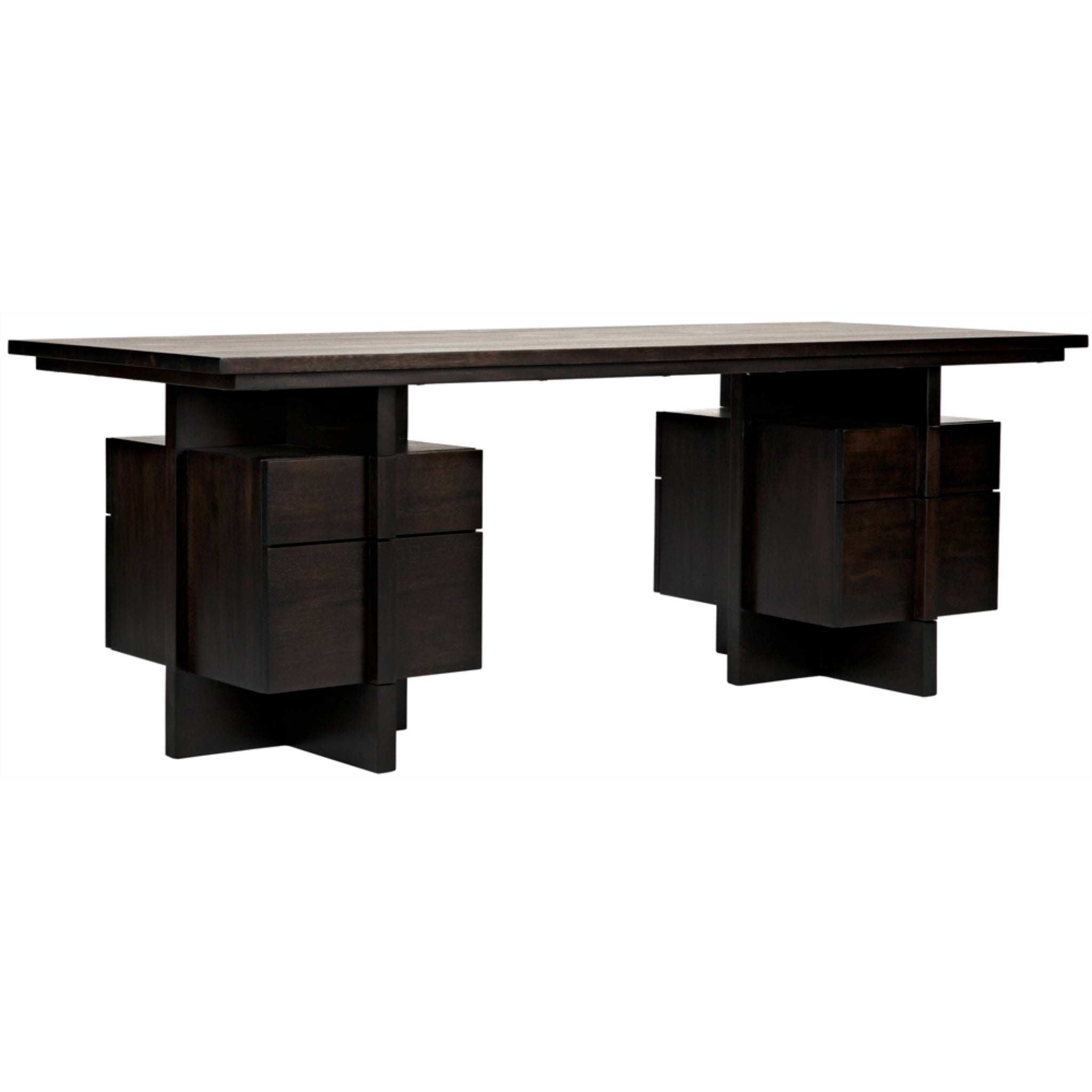
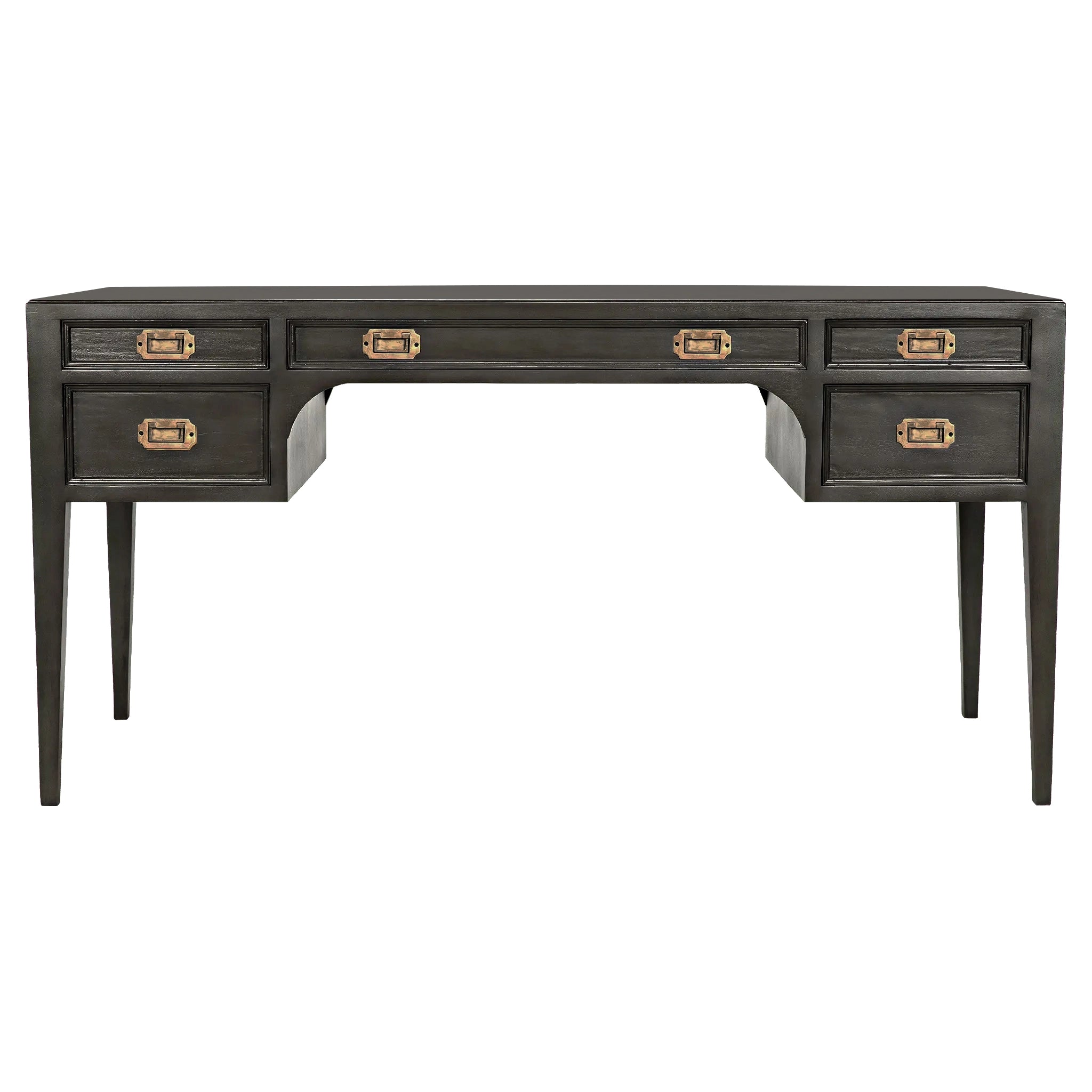
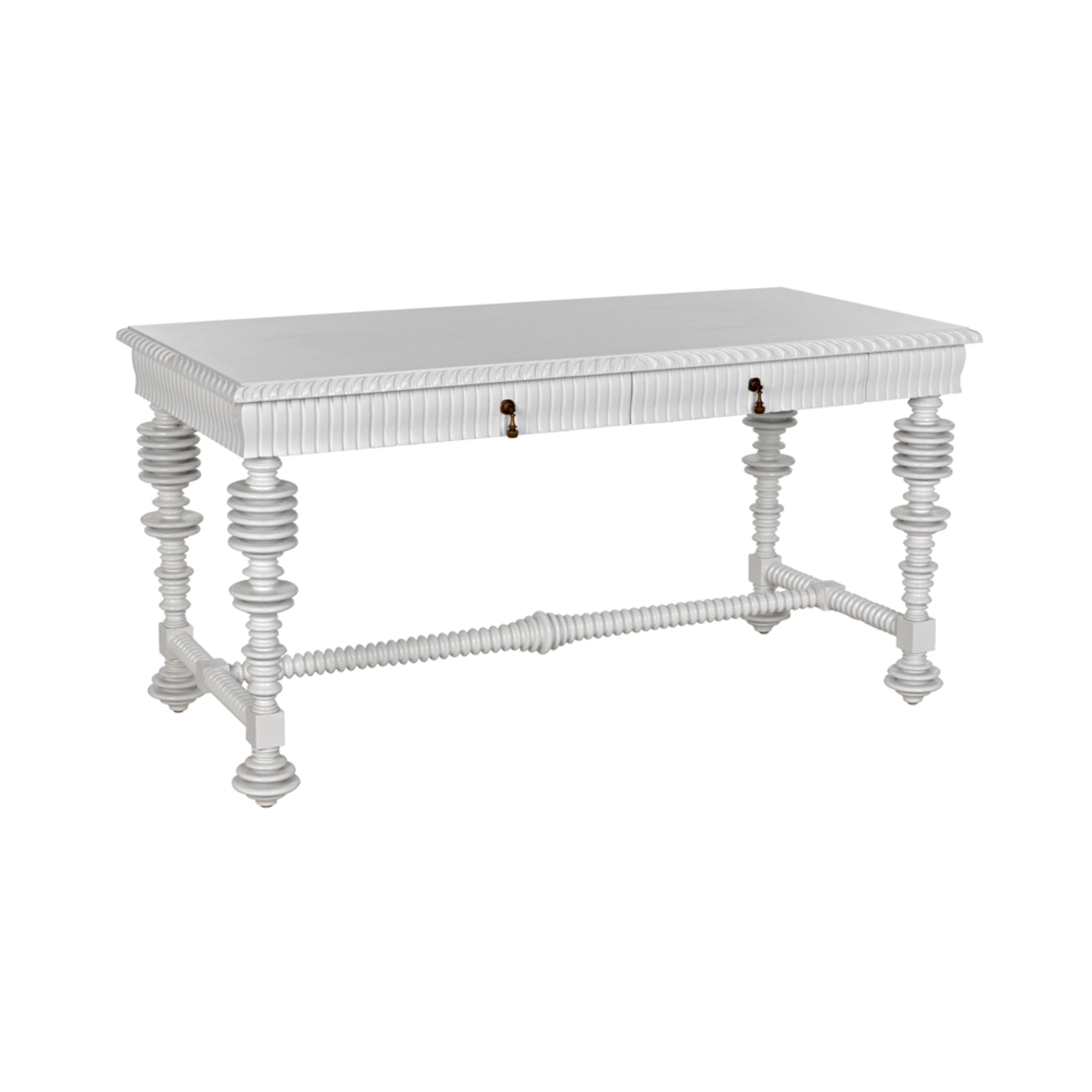
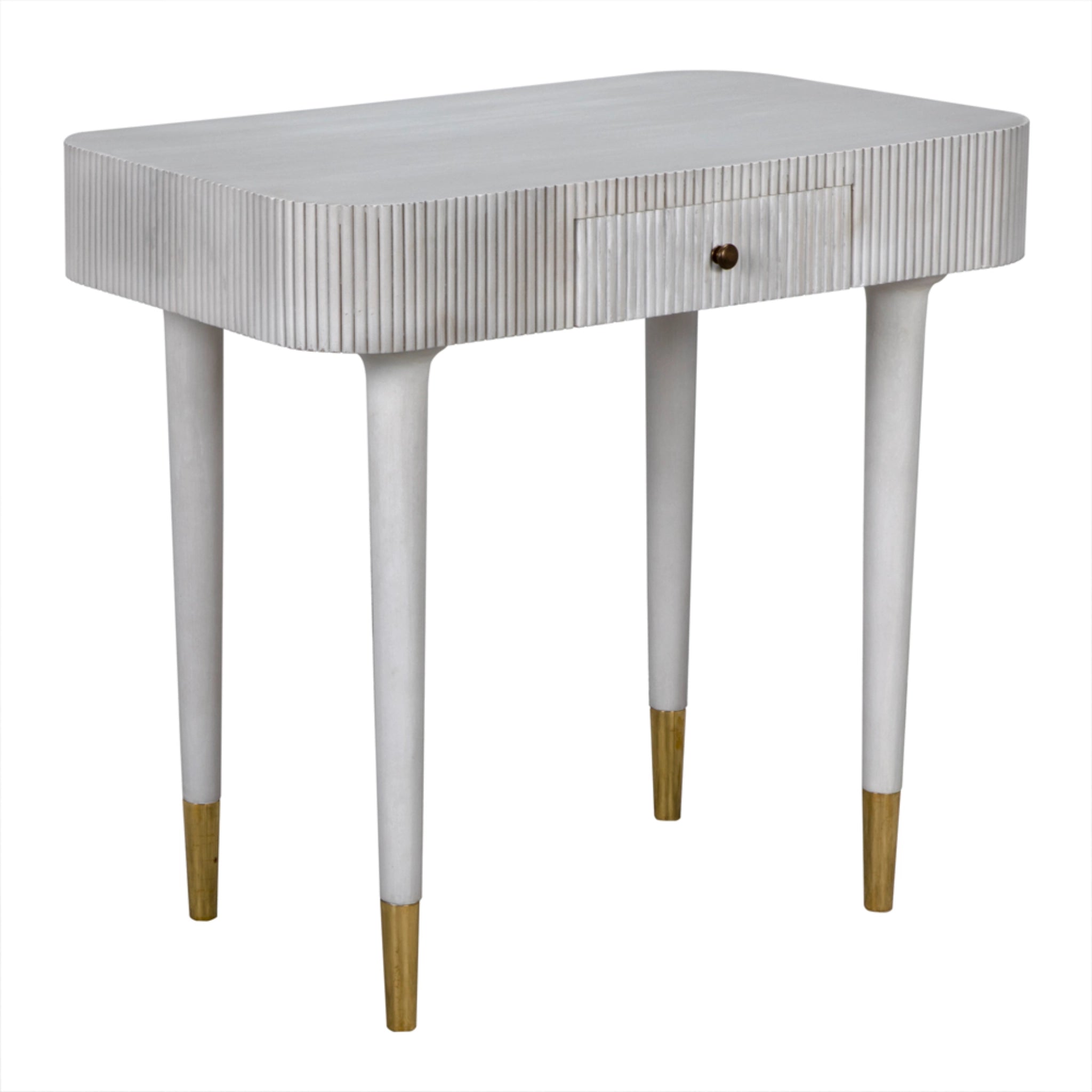
A wood desk is a workspace surface defined by real material, structural durability, and visual warmth. The category includes writing desks, executive desks, computer desks, and wood desks with drawers in walnut, oak, burl wood, and other natural finishes, designed for study, home office use, and professional work.
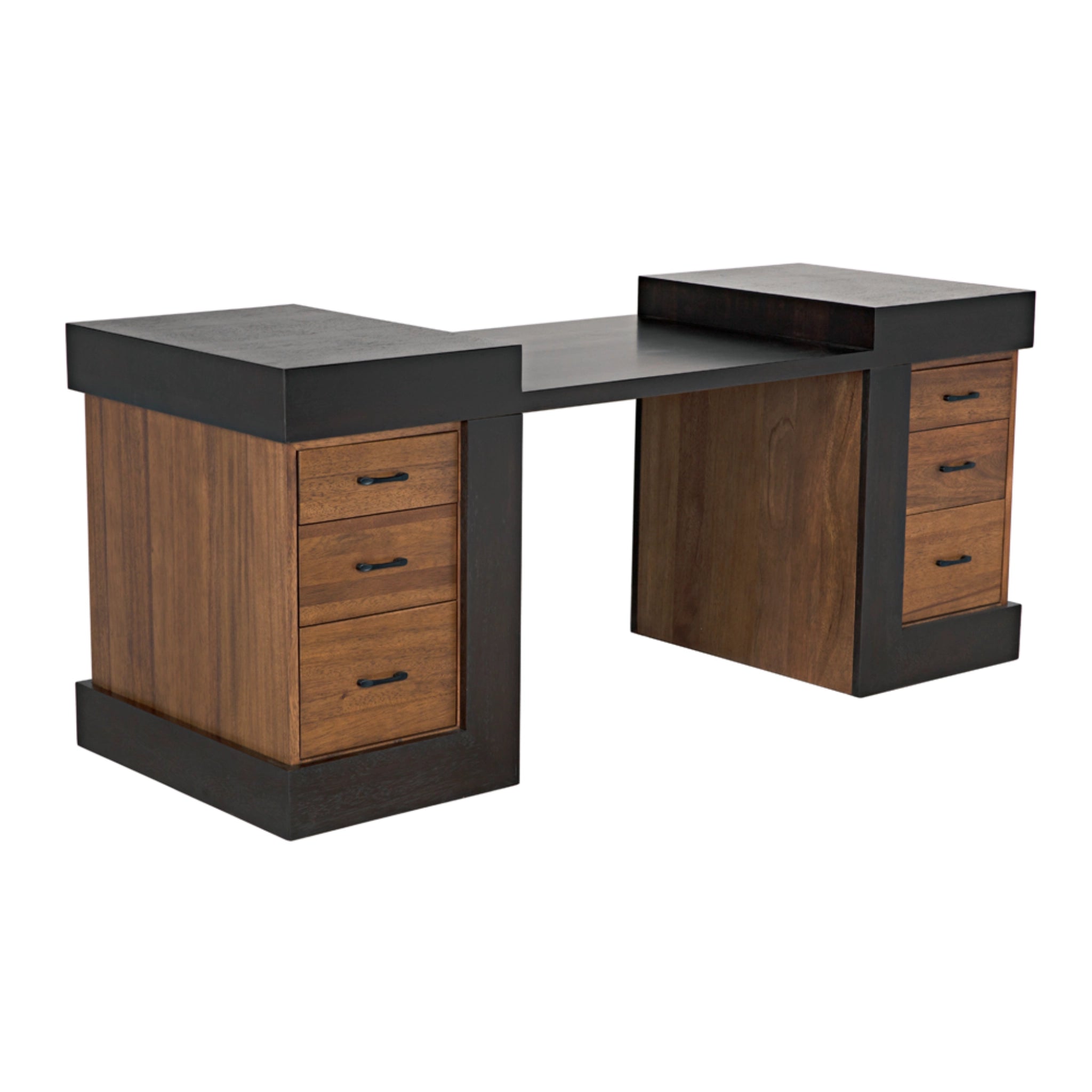
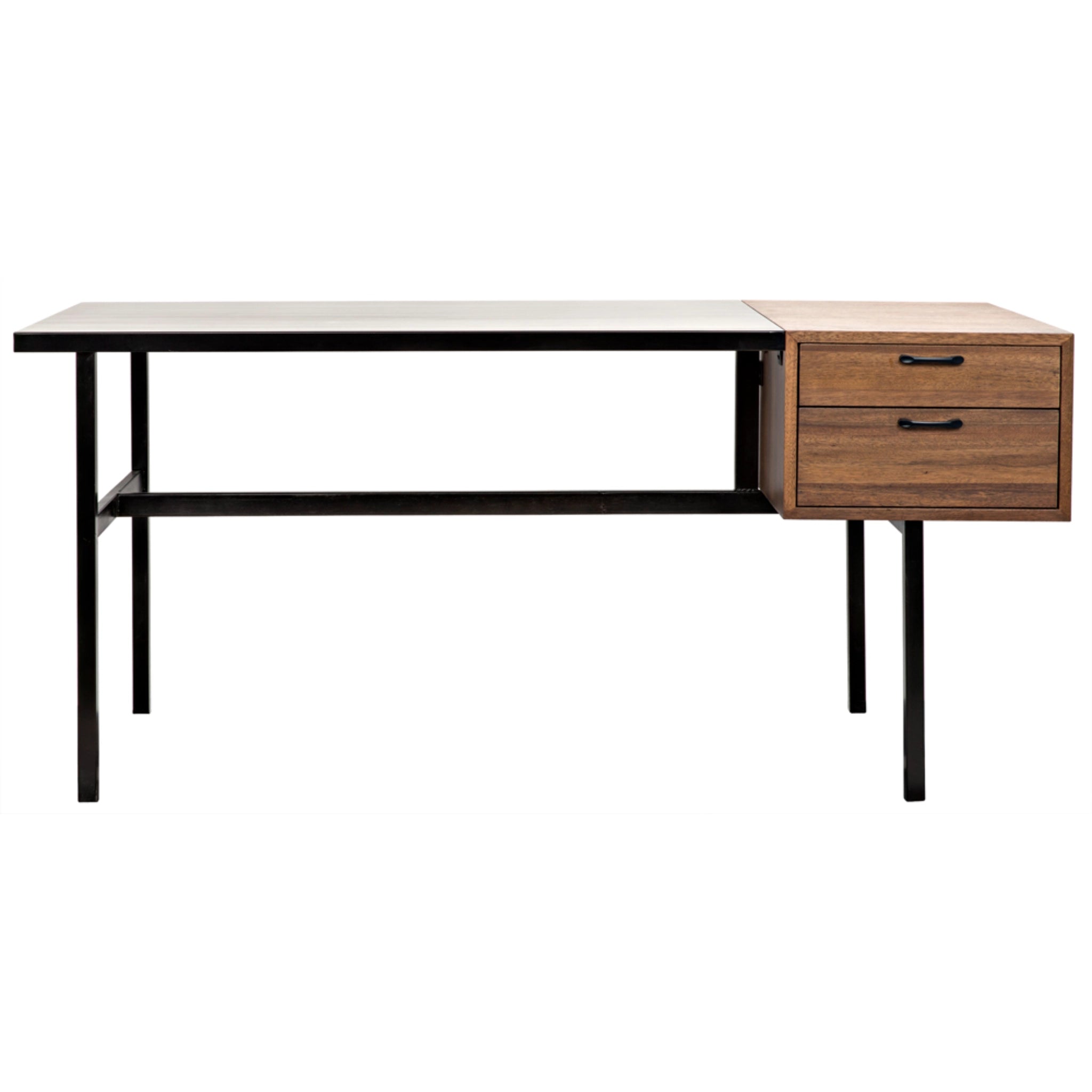
A wood desk refers to a desk constructed with wood as the primary visible material, whether in solid wood form or in carefully built wood-based construction with durable framing and storage components. The category includes writing desks, home office desks, executive desks, computer desks, compact desks, and wooden desks with drawers, cabinets, or shelving. Common materials include solid walnut, solid oak, burl wood, dark-stained hardwoods, natural wood finishes, black metal bases, and leather accents. The defining characteristics are structural integrity, usable surface area, integrated storage, and the visual presence of grain, texture, and weight. In practical terms, a wood desk can serve as a study table, a home office anchor, a library-style writing surface, or a professional workstation. Drawers support organization. Cabinets reduce visual clutter. Cable management keeps the layout clean. The purpose stays consistent: to create a durable, functional surface that supports focus while giving the room a more settled center.
Solid Wood Desks for the Modern Workspace
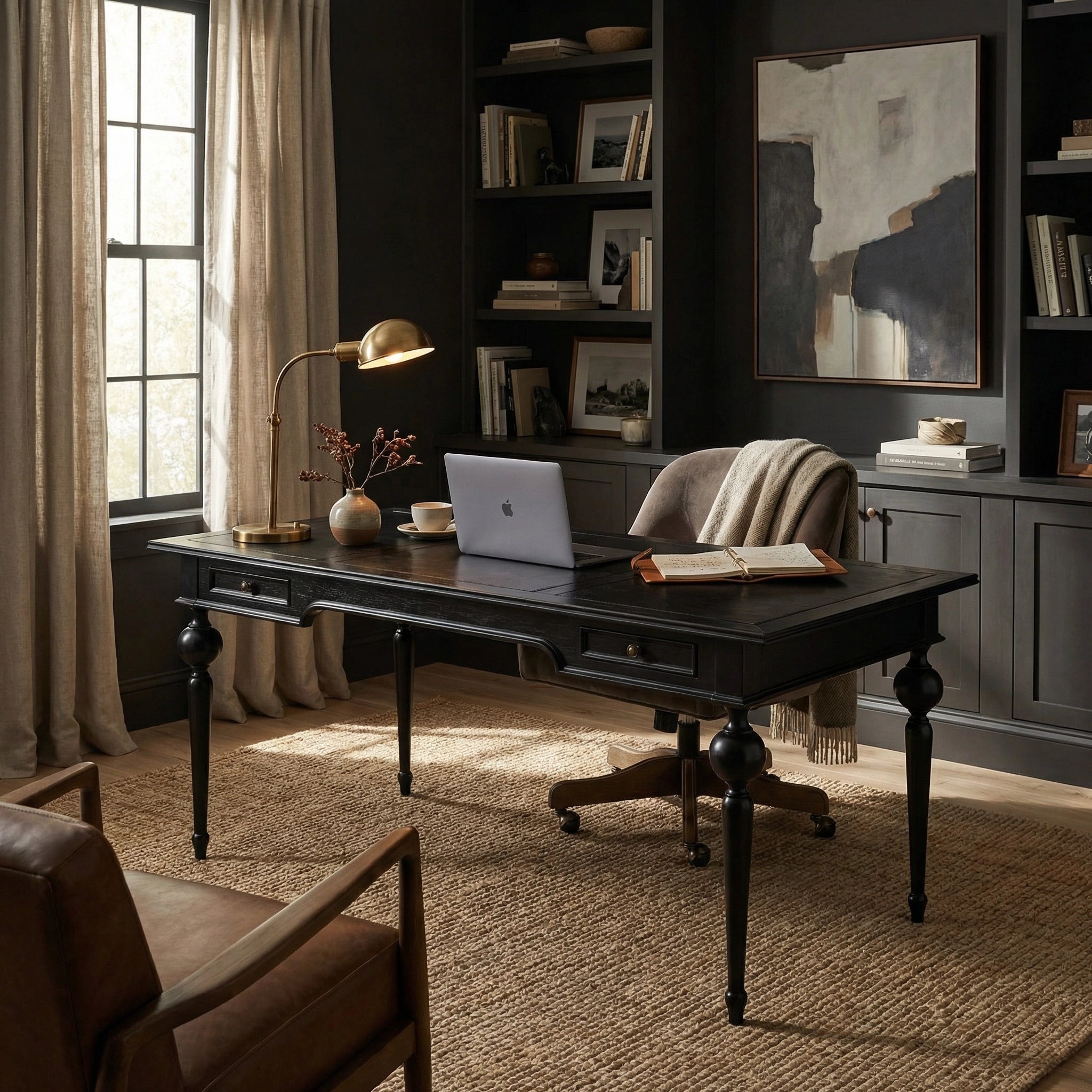
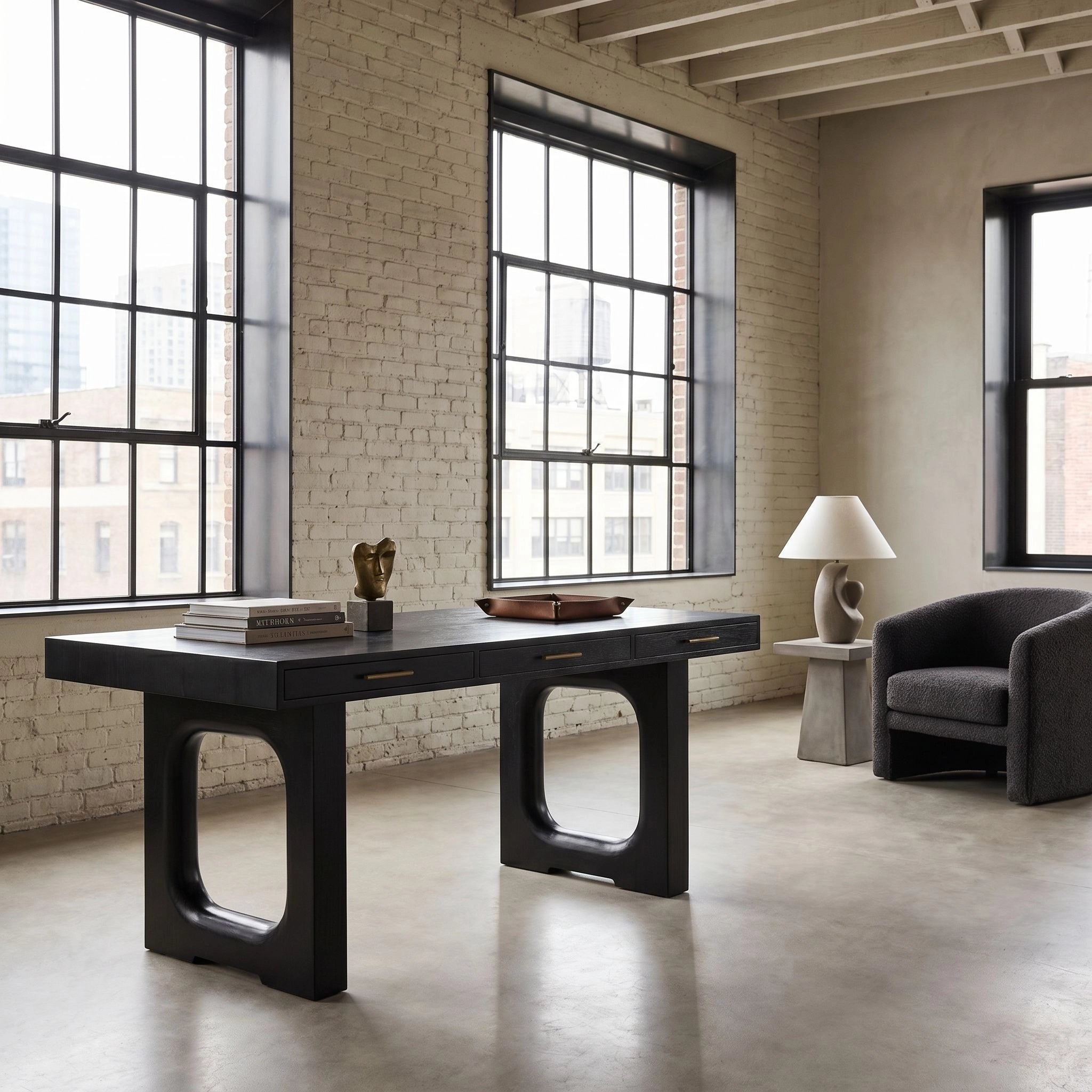
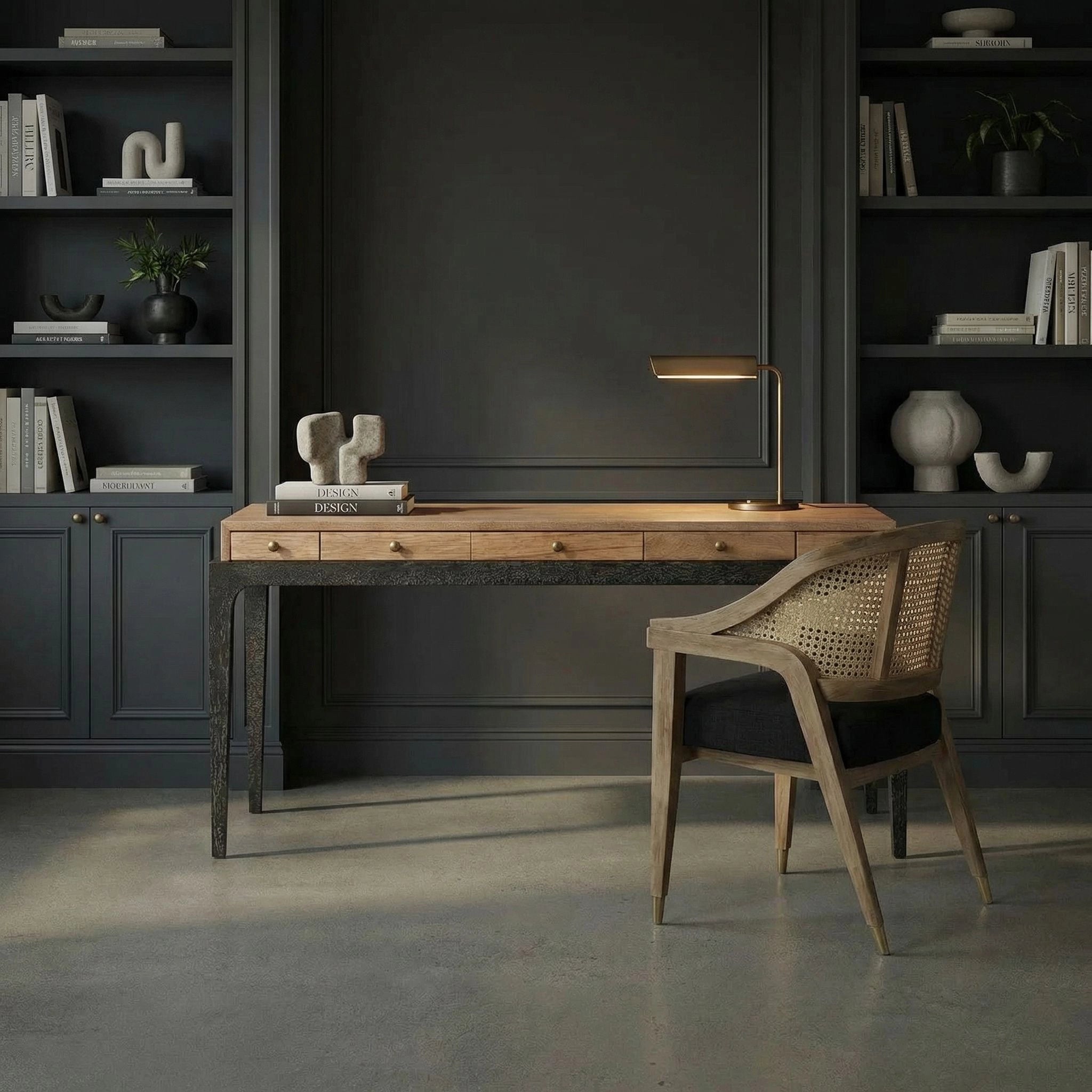
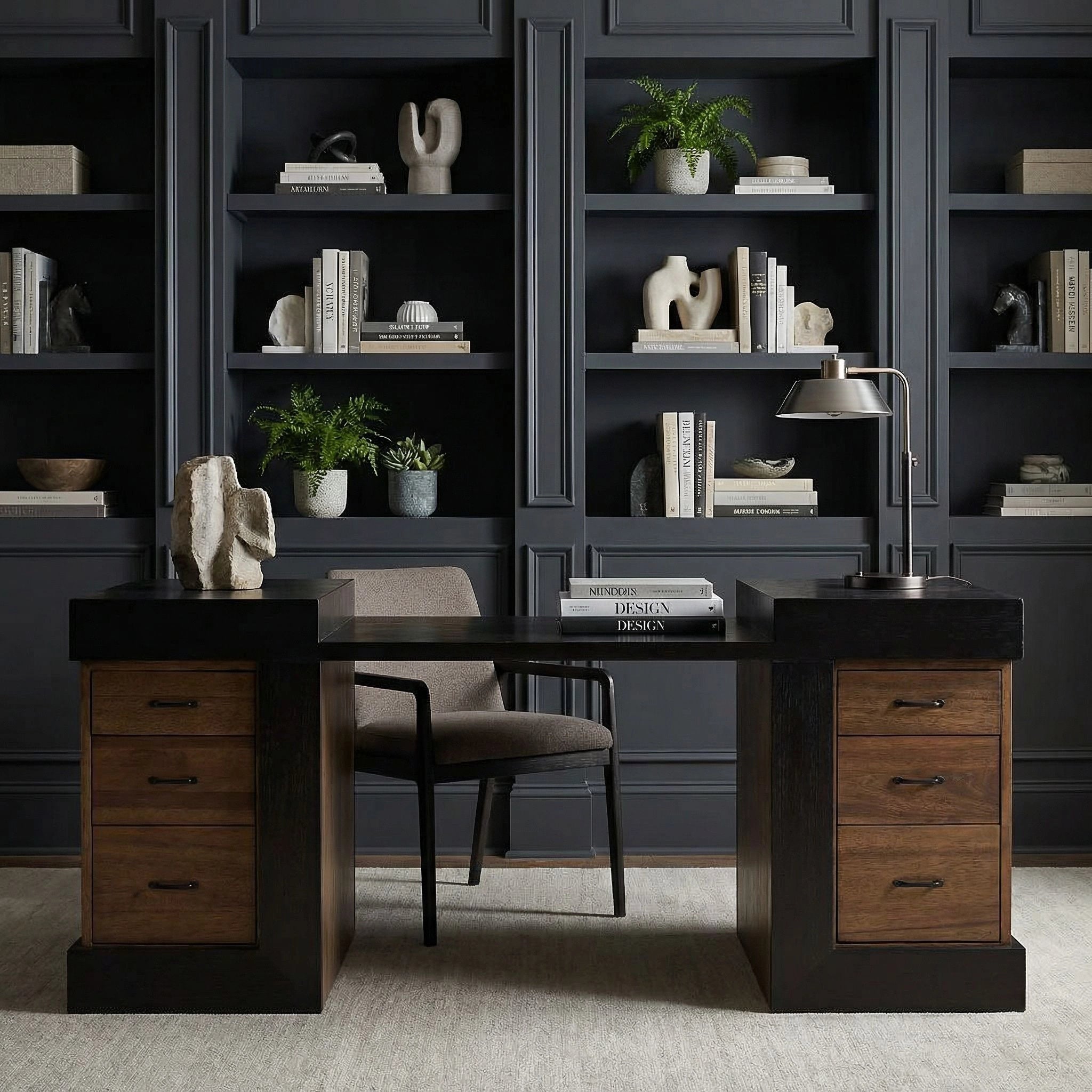
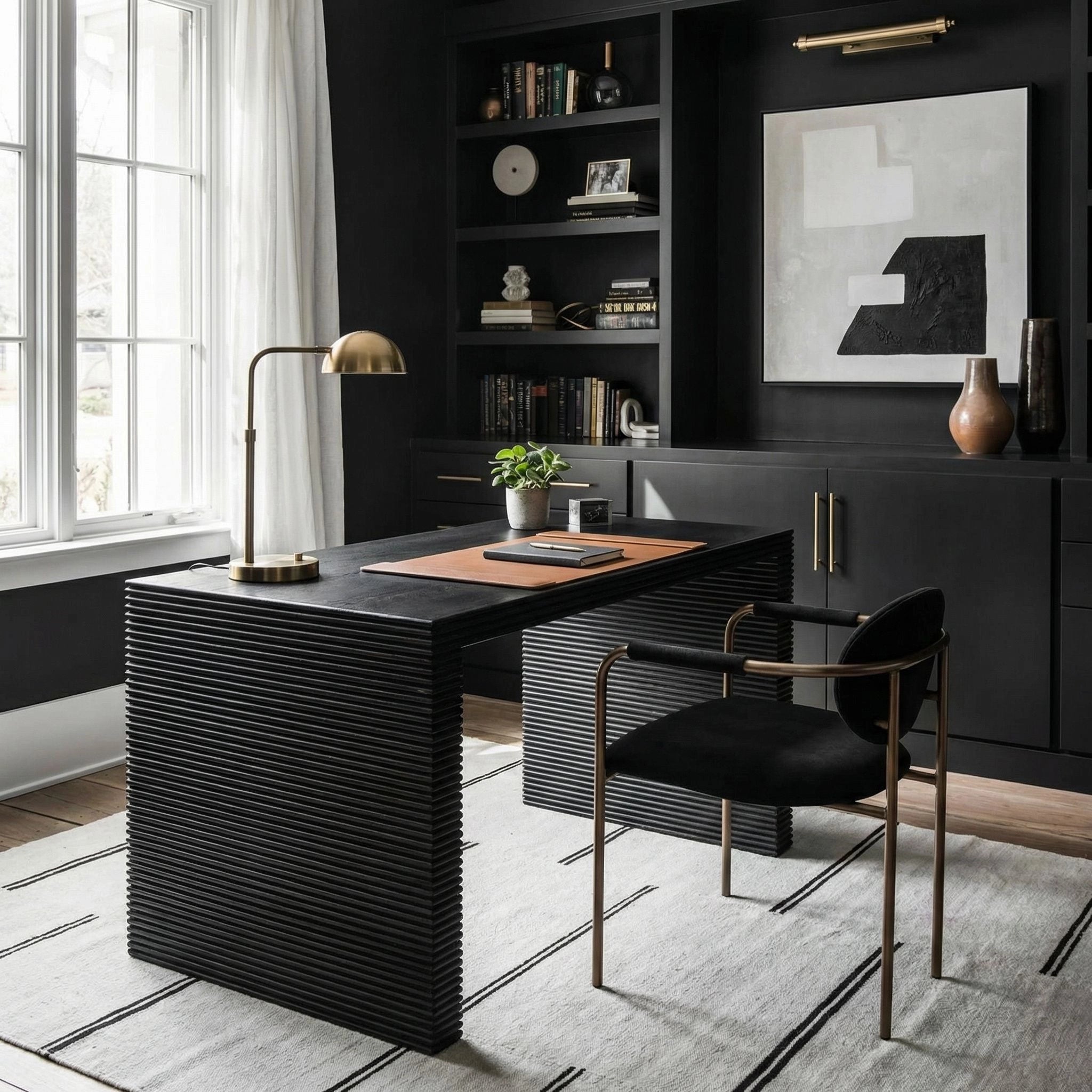
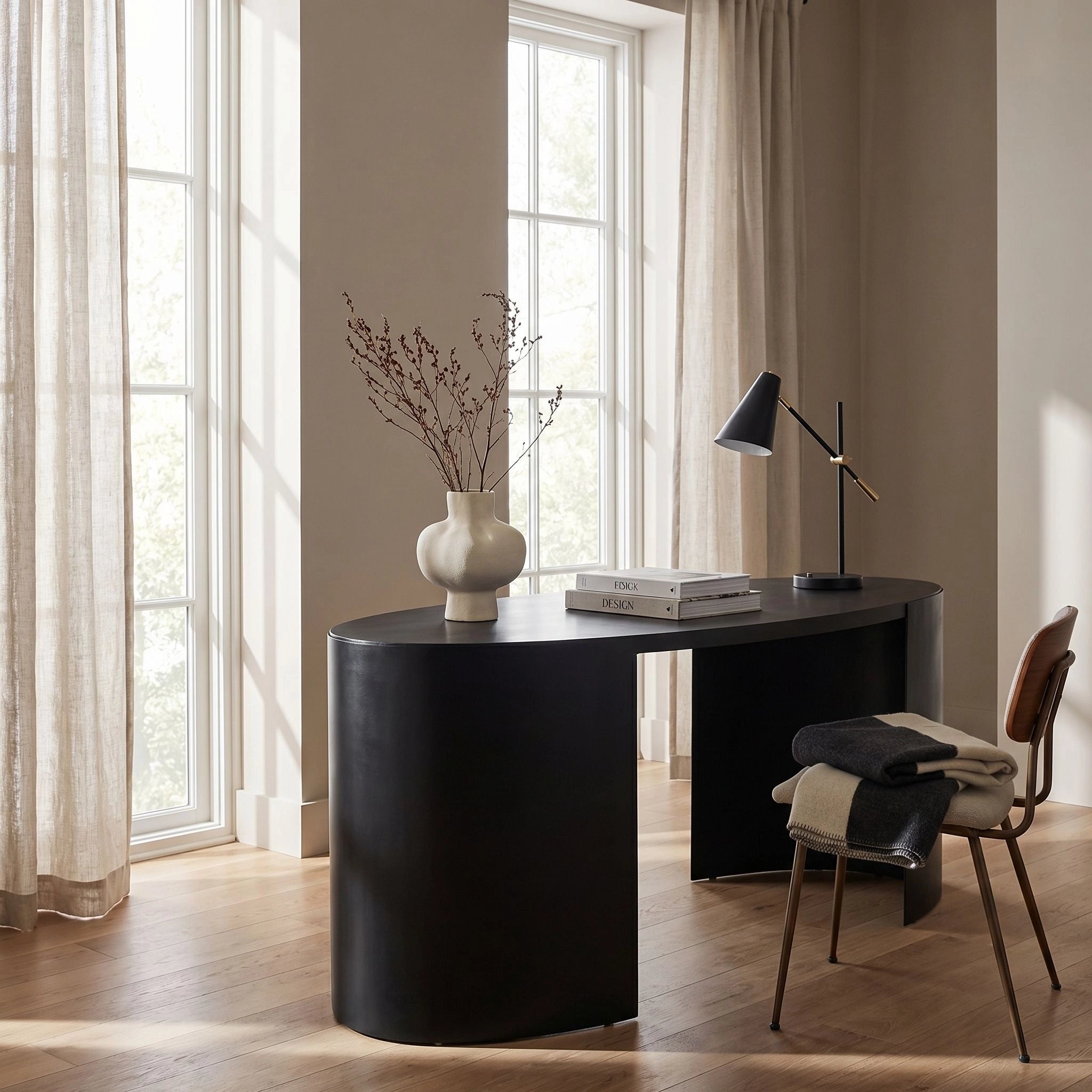
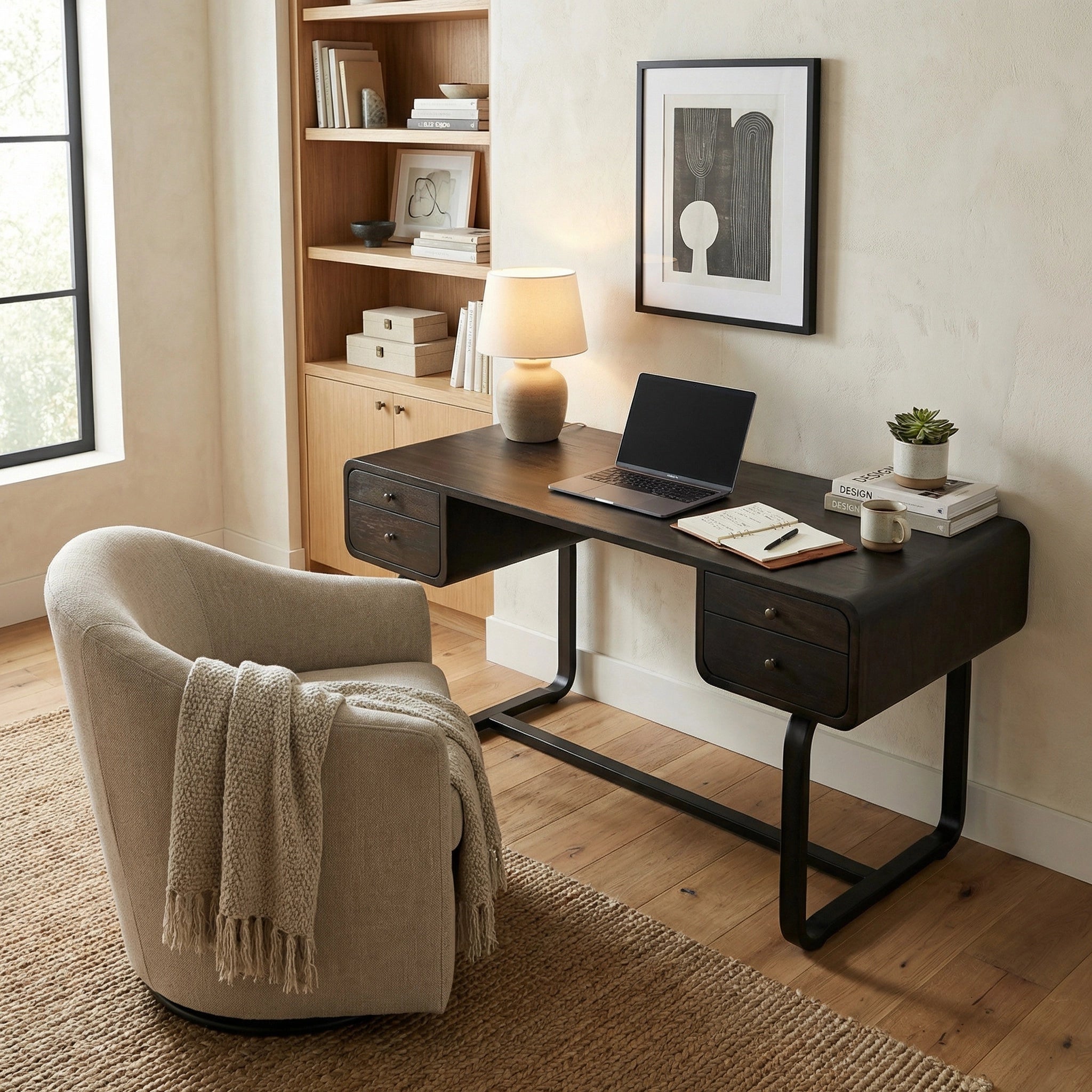
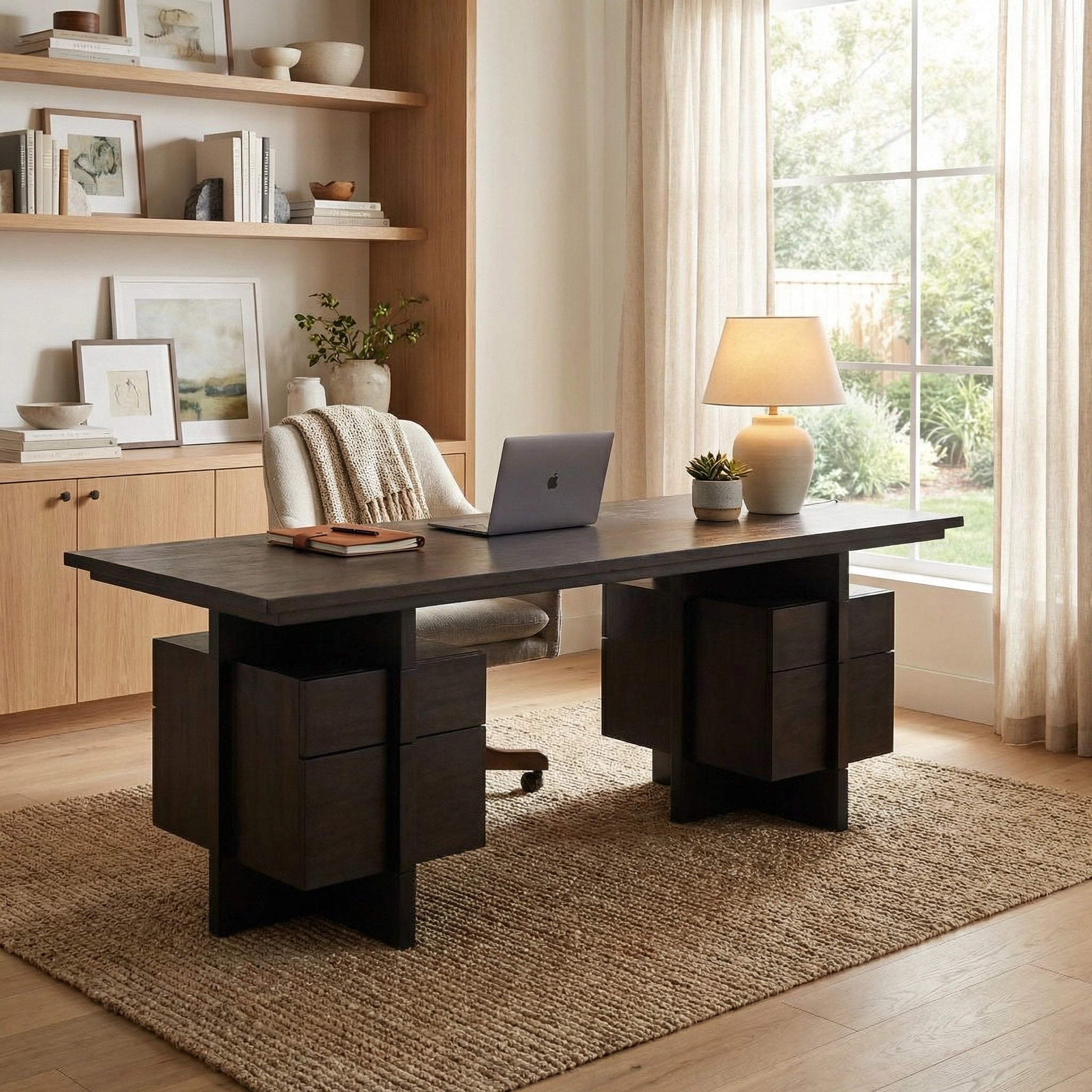
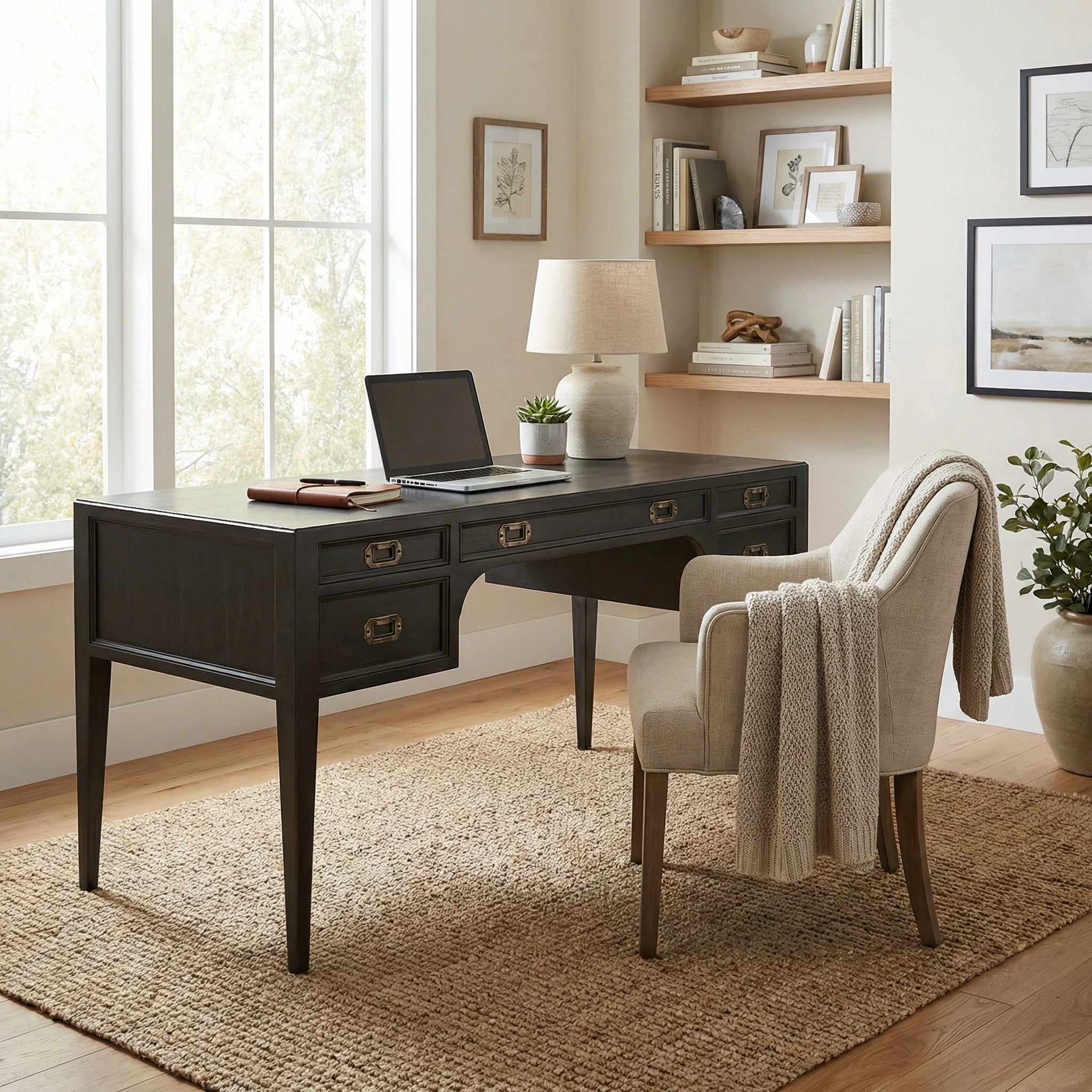
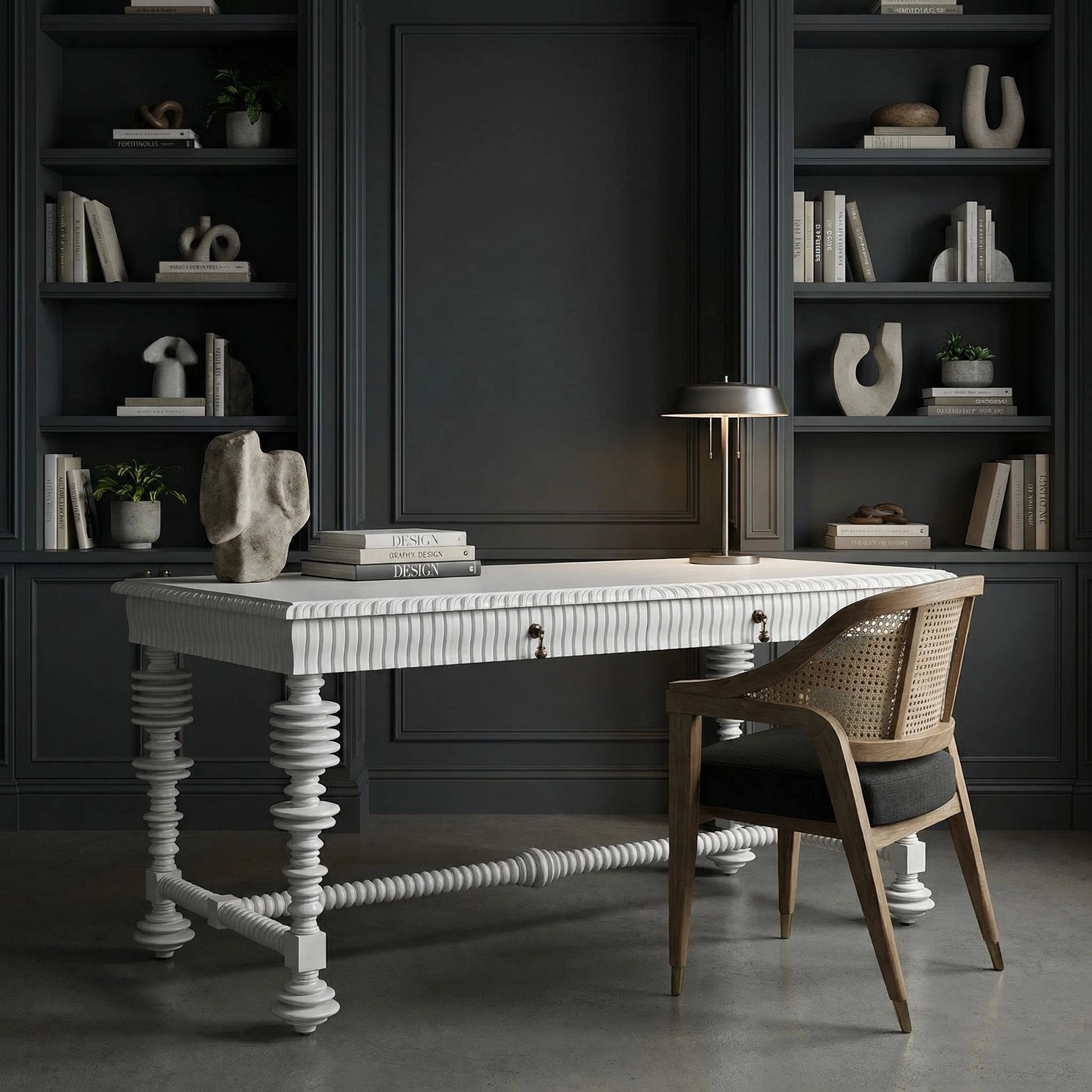
At library dusk, the desk becomes the quiet center of the room. Light falls across the grain in a narrow band. Books gather at the edge of the surface. A chair is pulled into place, a lamp switched on, paper opened flat. What seemed like furniture in daylight begins to feel more permanent by evening, less a movable object and more the piece that holds the rhythm of the room together.
That is the appeal of a well-made wood desk in a modern workspace. It does more than provide a place for a monitor, a notebook, or a stack of documents. It creates order through material and proportion. A real wood surface carries visual weight without excess. It steadies the eye. It slows the room down. In spaces used for long workdays, writing sessions, planning, reading, or administrative tasks, that sense of composure matters.
For a broader view of luxury modern furniture, explore the full assortment. To build out a complete modern home office, browse the office collection. You can also view every Office Desk in the category for additional layouts, sizes, and storage configurations.
A strong workspace needs more than utility. It needs presence.
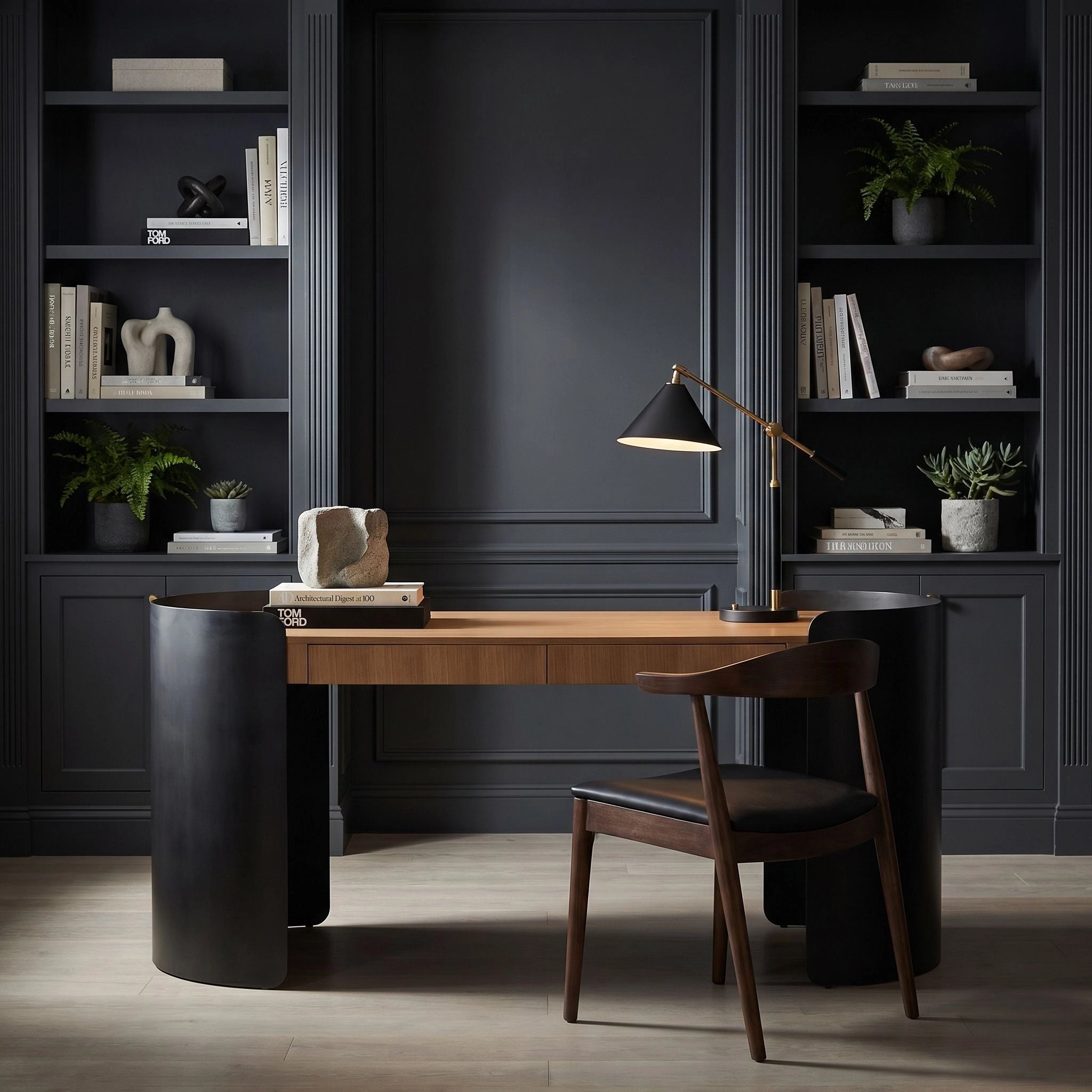
Solid wood desks answer that requirement with density, durability, and a material language that feels enduring rather than temporary. In a dedicated office, the silhouette may read substantial and executive. In a smaller study, it may appear lighter and more architectural. Either way, the piece establishes a center of gravity. The room begins to arrange itself around it: a desk lamp within reach, shelving nearby, a rug underfoot, a reading chair just off the corner, perhaps a framed work on the wall above. The best workspaces are not crowded. They are resolved.
Materials That Define a Wooden Desk
Material determines how a desk behaves in the room long before anything is placed on top of it. Walnut, oak, burl wood, dark wood finishes, black metal, and leather do not simply change the look of the desk. They shape the atmosphere around it.
Walnut is often chosen for depth. Its darker tone suits studies, executive interiors, and rooms built around books, layered lighting, and a more tailored palette. The grain tends to read smooth and continuous, which gives the top a composed, uninterrupted surface. Over time, walnut deepens in character. It holds stillness through structure and age.
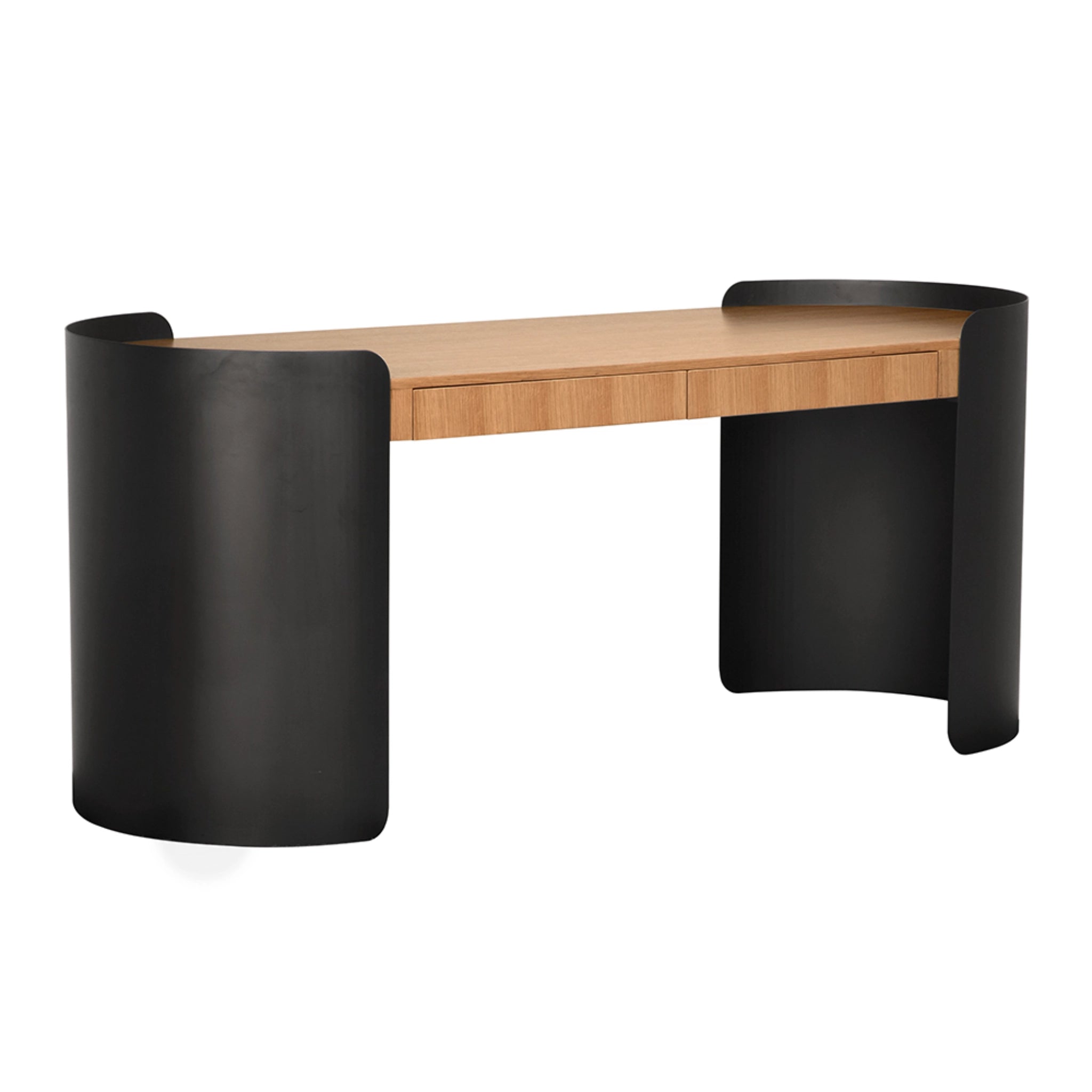
Oak offers a different clarity. In lighter home offices and workspaces shaped by daylight, oak introduces openness without losing substance. The grain is more apparent, the tone more breathable, the effect more architectural. A light wood desk in oak can make a room feel cleaner and more spacious while still preserving the warmth that only real wood provides.
Burl wood changes the mood entirely. The surface becomes the detail. Its natural patterning gives the top visual movement and makes the desk feel singular, especially in rooms where the furniture is intentionally restrained. A burl wood desk often works best when the surrounding decor is disciplined enough to let the grain take focus.
Black metal sharpens the silhouette. Leather softens it.
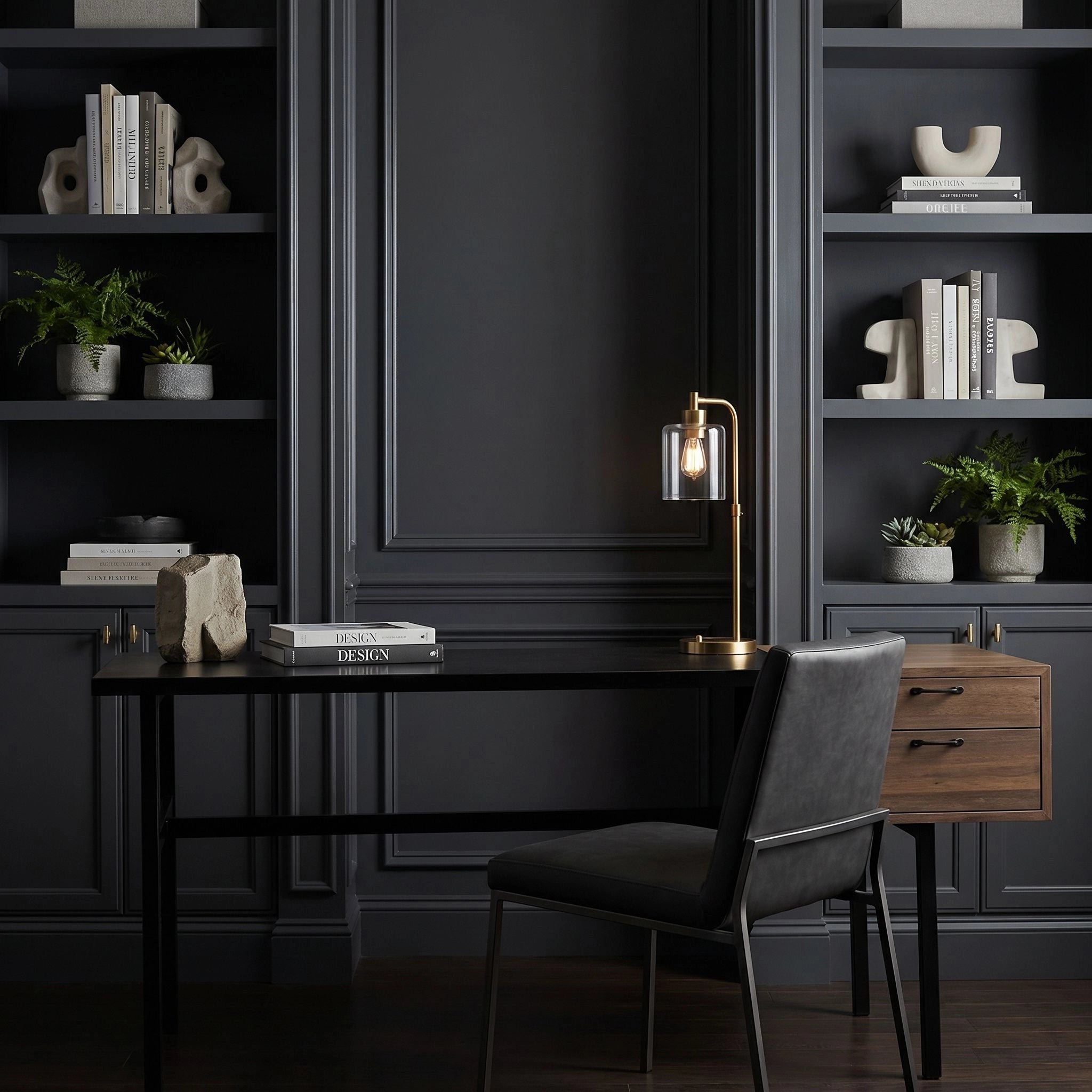
Metal frames introduce line, contrast, and precision, particularly in modern or mid-century compositions. Leather inserts or wrapped details bring tactile warmth where the hand meets the desk and gain character with use. Together, these materials create a form that feels balanced rather than ornamental. The desk becomes visually complete without losing its function.
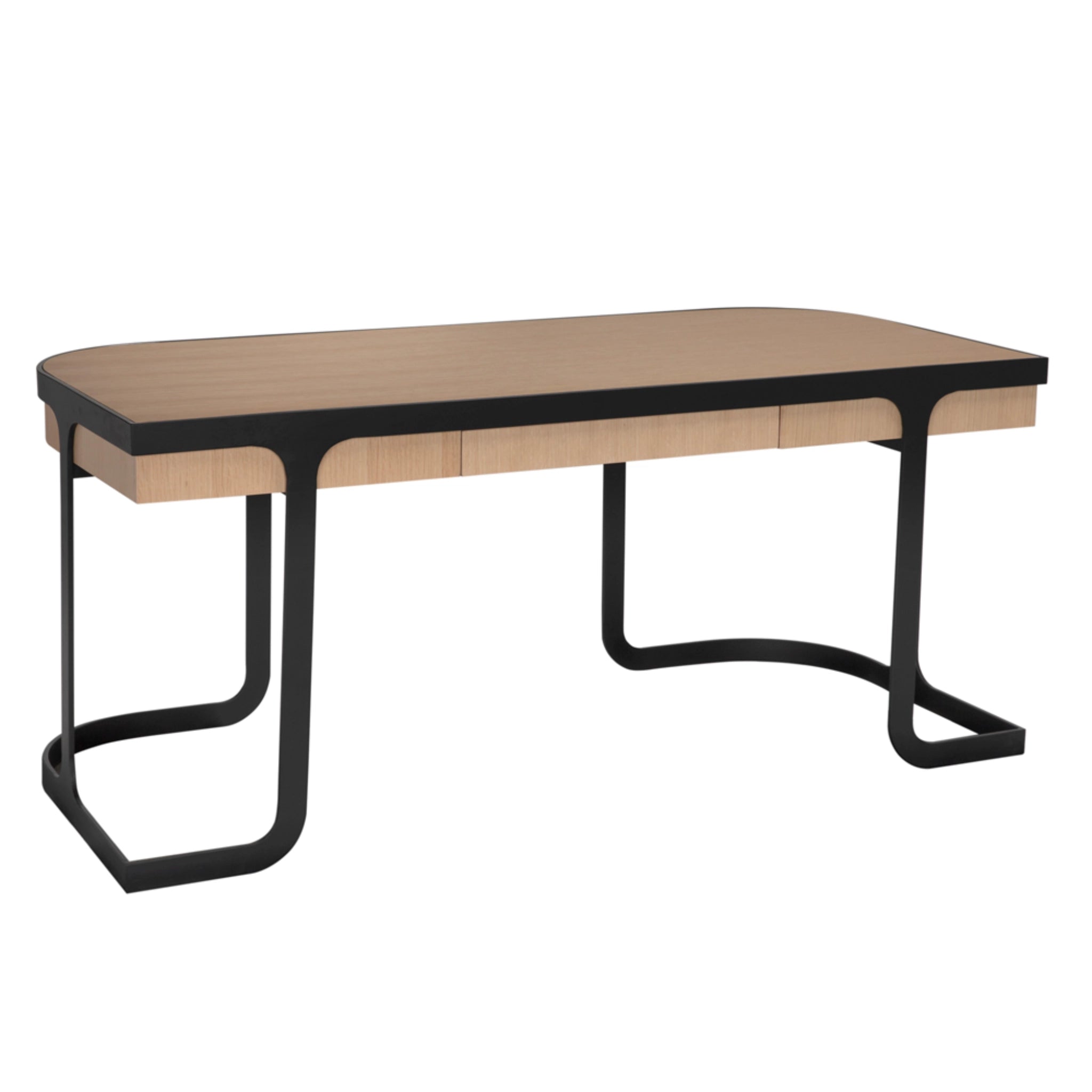
Wood Desks with Drawers and Storage
Storage changes the way a desk works day after day. A clean top may look appealing in a photograph, but daily use asks for a place to keep paper, stationery, chargers, tools, notebooks, and the smaller objects that quickly accumulate around active work. This is where a wood desk with drawers becomes especially valuable.
Drawers keep what matters close without forcing the surface into disorder. A shallow drawer can hold pens, paper clips, notepads, and correspondence. Deeper storage can support files, electronics, or the materials used less often but still needed within reach. In a home office, that practical containment helps the desk maintain its architectural clarity. In a study or executive setting, it protects the visual calm that gives the room its sense of discipline.
Cabinet storage creates a more concealed solution. It works well for larger equipment, stacked documents, or objects that would interrupt the line of the room if left exposed. Open shelving can serve a different role, especially for books, baskets, or reference materials used throughout the day. The right configuration depends on how the workspace is used, but the principle stays the same: storage should support flow, not overwhelm the silhouette.
Organization protects concentration.
A well-considered desk with drawers should never feel heavy for the sake of utility. The best examples balance legroom, drawer placement, and surface area so the piece remains comfortable over long periods of use. Storage belongs within the structure, not as an afterthought. When handled correctly, drawers and cabinets do not add clutter. They remove it.
Choosing the Right Wood Desk for Your Office
The right desk begins with the way the room functions. A writing desk serves one kind of day, a computer desk another, and a larger executive desk another still. Each has a different relationship to layout, storage, and scale.
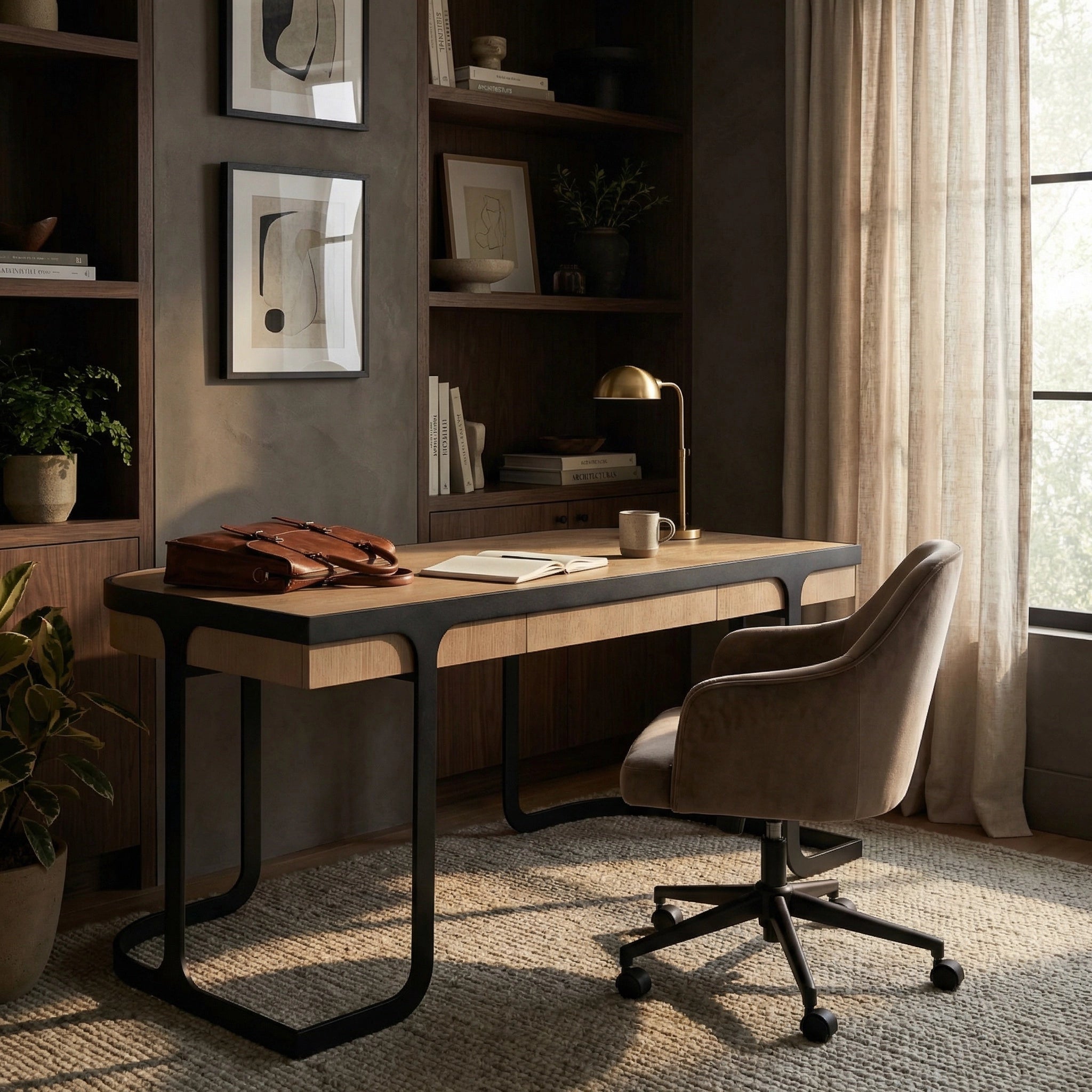
For writing, reading, and paper-based work, a simpler silhouette with an open top can be the strongest choice. It leaves room for notebooks, books, correspondence, and objects that support concentration without feeling crowded. For computer use, surface depth becomes more important. A wood computer desk should comfortably hold a monitor, keyboard, lighting, and daily tools while still leaving space for work in progress. Built-in cable management can help preserve the visual order of the setup, especially in open-plan rooms or multipurpose home offices.
Scale matters just as much as function. In a compact apartment office or secondary bedroom, a smaller profile may be the correct choice, particularly if the desk needs to coexist with storage, seating, or shelving. In a dedicated office, a larger form can establish authority and define the room with more confidence. Executive desks tend to offer greater width, more storage, and a stronger visual stance, while smaller home office desks are often designed to preserve openness without sacrificing usability.
Proportion decides everything.
A desk should feel generous enough for the work it supports and disciplined enough for the room it inhabits. Too small, and the workspace feels temporary. Too large, and the room begins to tighten around it. The strongest choice is usually the one that aligns material, storage, and footprint with the habits of the person using it every day.
Why a Wood Desk Endures
Some furniture performs a task and disappears into the background. A wood desk does not. It becomes part of the daily rhythm of the interior. Morning light hits the surface one way, evening lamplight another. Paper gathers, is cleared, then returns. The grain remains visible through each cycle, unchanged in purpose yet richer with use.
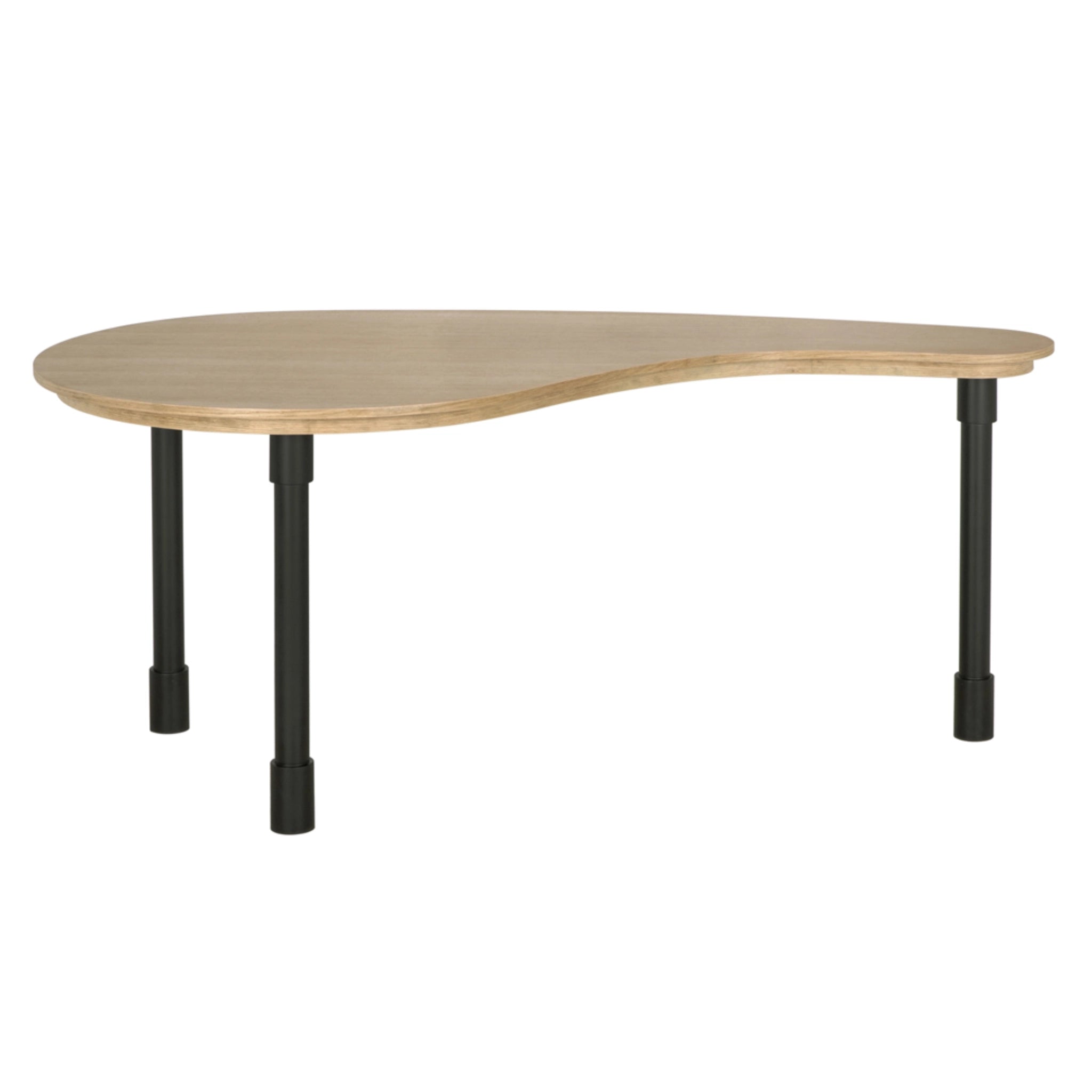
This is why real material matters. Solid wood develops presence over time rather than losing it. Walnut gains quiet depth. Oak holds its brightness and warmth. Leather softens and records contact. Metal keeps its cool density and structural clarity. The desk begins as a purchase, but over time it starts to feel more like part of the architecture of the room.
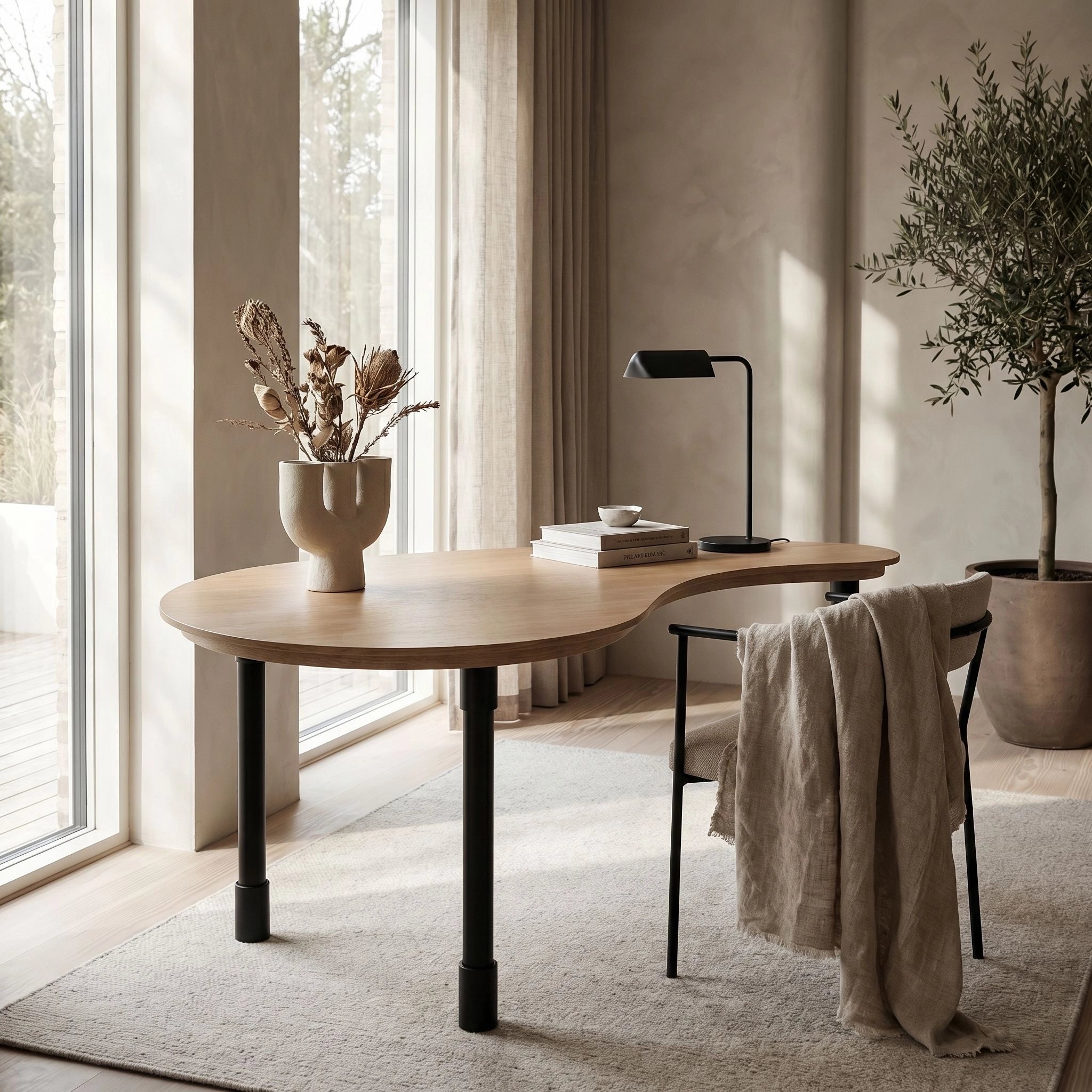
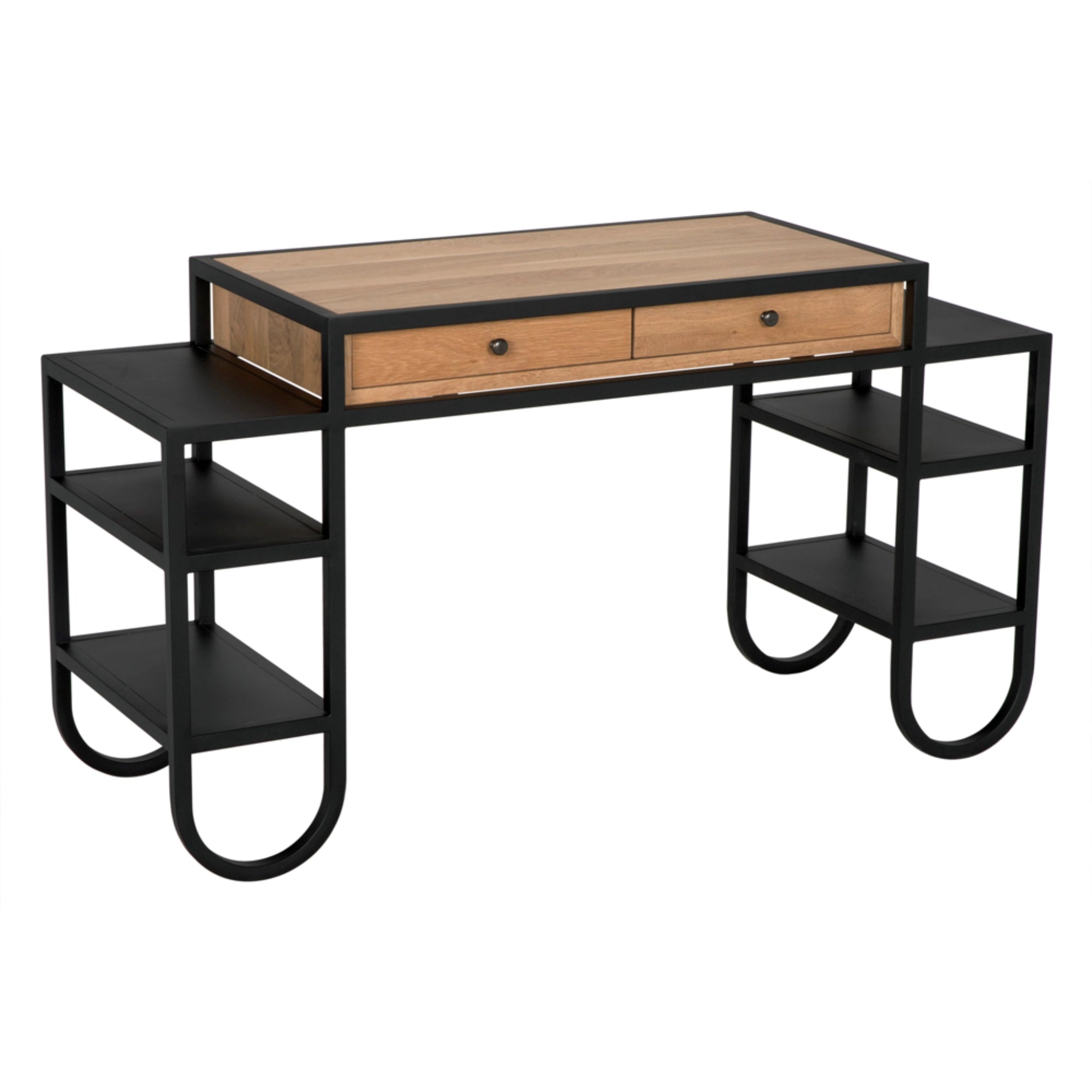
That sense of permanence is not accidental. It comes from craftsmanship. The top should feel substantial. The frame should remain steady. Drawer movement should be smooth and precise. Edges should feel resolved. The relationship between storage and open space should be balanced. These details determine whether a desk reads as temporary furniture or as a lasting anchor.
This collection is built around that standard. Real materials. Balanced proportions. Storage with purpose. Surfaces designed for work, and forms designed to give the room its center.
Frequently Asked Questions
What is the difference between a wood desk and a solid wood desk?
A wood desk is a broad category that includes desks made with wood as the main visible material. A solid wood desk uses real hardwood for major structural and visible components, which typically adds durability, weight, and long-term character.
Are wood desks good for a home office?
Yes. Wood desks are well suited to home offices because they provide stability, visual warmth, and a more permanent sense of structure. They work well for writing, computer use, study, and professional tasks.
Which wood is best for a desk, walnut or oak?
Walnut is often preferred for a darker, more tailored look, while oak suits brighter interiors and shows a clearer grain pattern. Both are durable hardwoods commonly used in quality desks.
What should I look for in a wooden desk with drawers?
Look for strong frame construction, smooth drawer movement, enough surface depth for your daily setup, and storage placement that preserves legroom and working space. The best desks keep essentials close without making the piece feel heavy.
Can a wood desk be used as a computer desk?
Yes. A wood desk can work very well as a computer desk when it offers enough depth for a monitor, keyboard, and accessories. Designs with drawers or cable management are especially useful for maintaining a clean setup.
Are light wood desks or dark wood desks better for a modern office?
Light wood desks often suit brighter, more open interiors and create a cleaner visual frame. Dark wood desks bring more depth and formality, which can work especially well in studies, libraries, and executive offices.