

Vintage Old Money Beds


That item has been discontinued, but here are similar options.





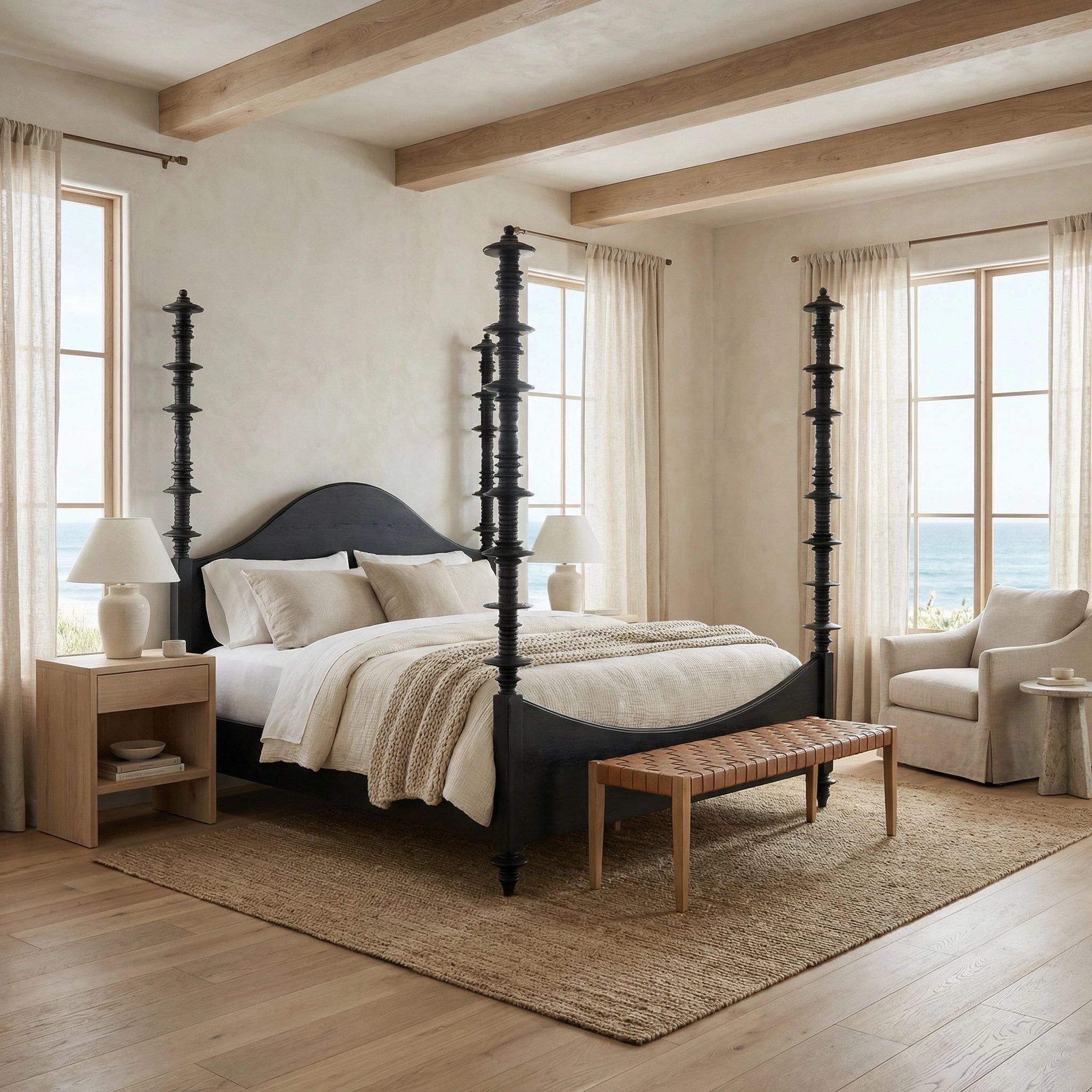


Old Money Beds: Quiet, Collected Bedrooms Built Around the Bed
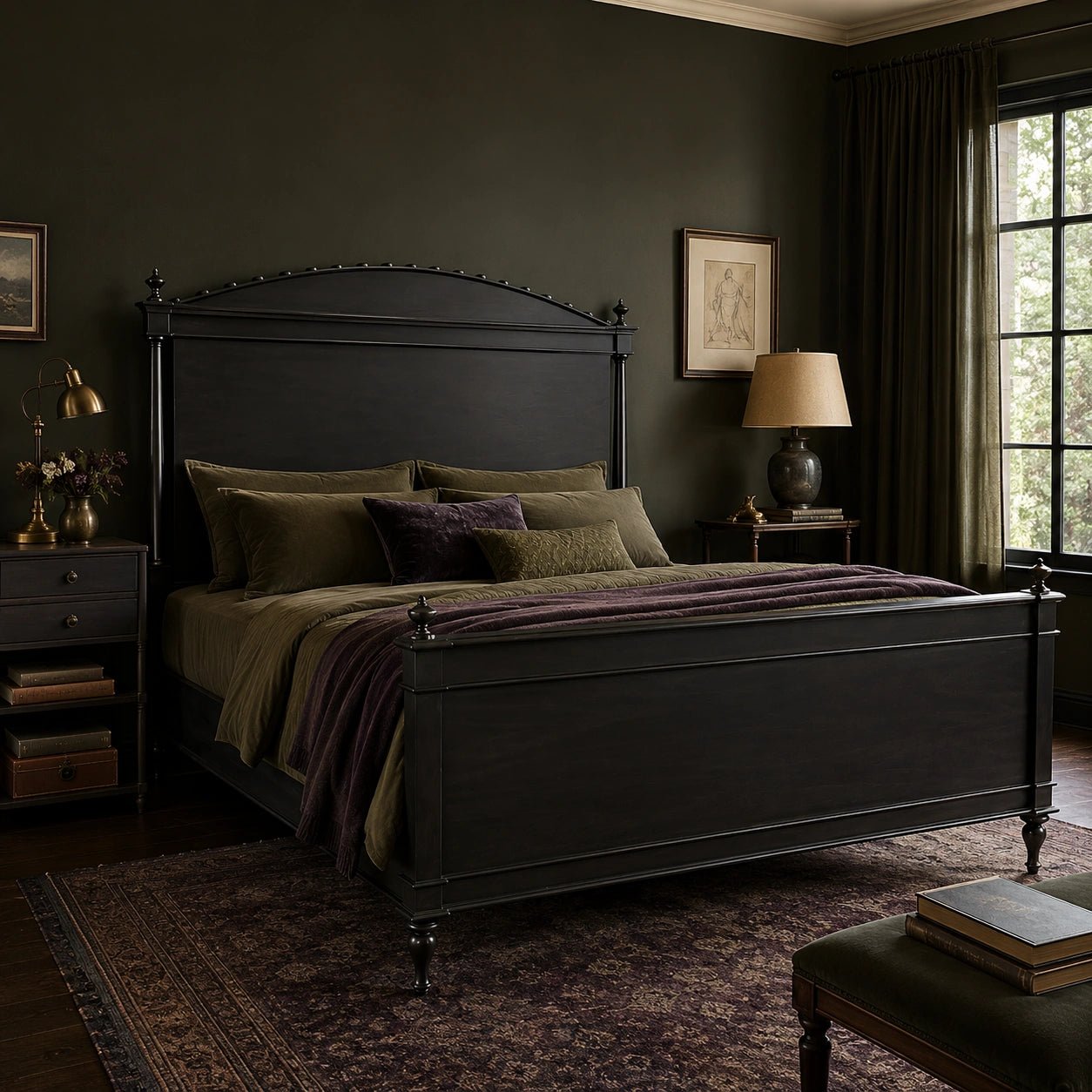
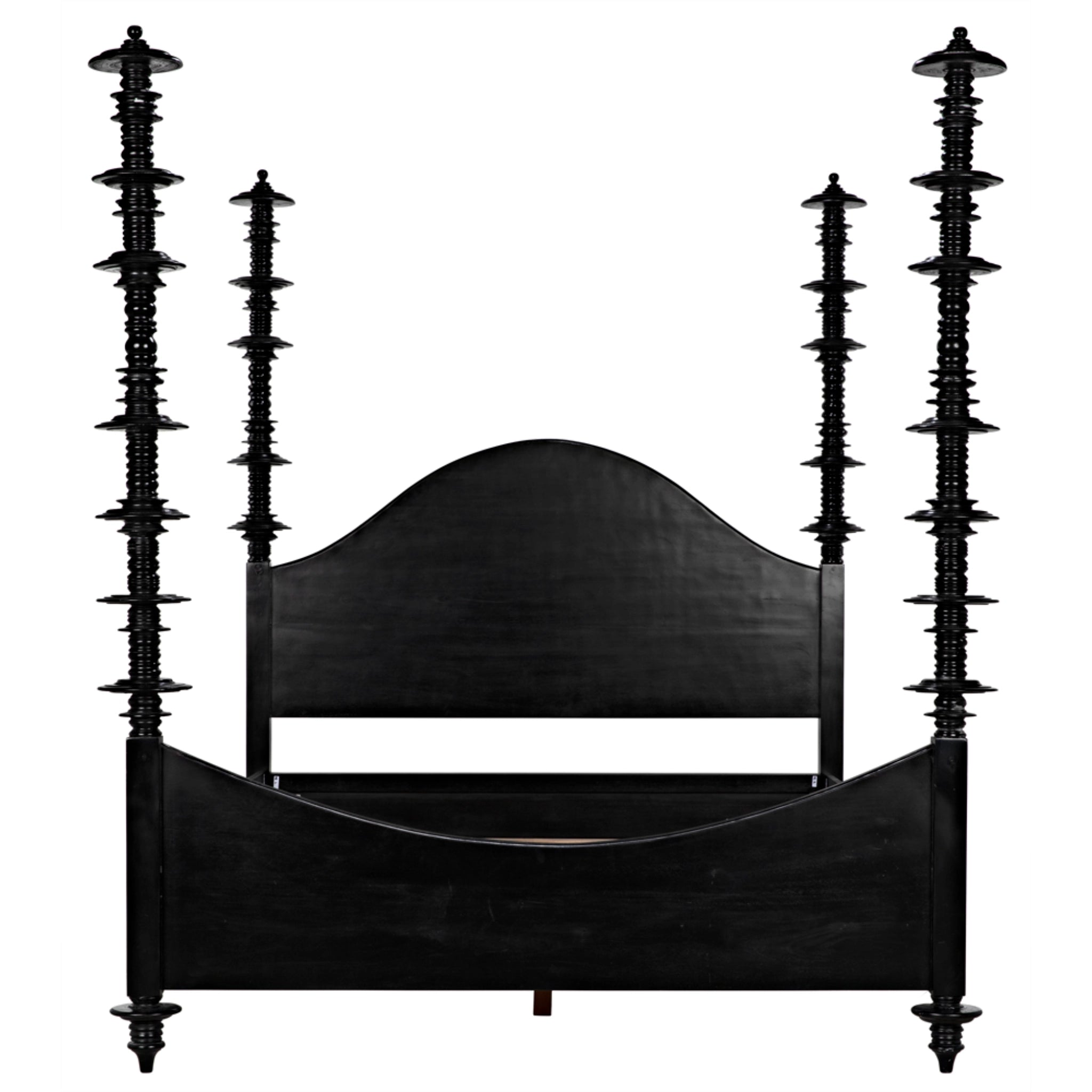
When I design an old money inspired bedroom, I start with the bed and let everything else answer to it. An old money bed frame should feel like it has been in the family for years, even if it arrives brand new. In this collection you will find an old money upholstered bed with deep tufting and tailored upholstery, an old money wooden bed in dark wood that feels grounded and calm, and other old money style beds that function as the visual anchor for the room. Each one is a luxury classic bed frame at heart, meant to hold the space quietly rather than perform.
Here, an old money headboard might rise behind a king or queen mattress, wrapped in linen, velvet, or leather, while a subtle footboard finishes the profile. A gently worn looking vintage bed, or a pair of vintage beds in a guest suite, can sit easily alongside classic bedroom furniture like dressers and nightstands so the room feels collected, not “installed.” Even if you find yourself typing “vintage sytle bed” or “antique be rames” into a search bar, what you are really looking for is an old money aesthetic bed that hints at heritage yet fits into a modern home.
These designs are most at home in moody interiors, where light is low and layered rather than bright and even. From my perspective, the bed should speak the same language as the rest of your pieces. When it ties into your larger mix of modern luxury furniture, the whole house starts to feel intentional rather than accidental.
The mood of an old money bedroom
Old money style is not about excess or constant novelty. It is about continuity. When I sketch an old money bedroom, I think first about how it feels at night. The colors tend to be rich neutrals, deep greens, browns, or charcoal, and the wood is usually stained to a mid or dark tone so that it softens into the shadows.
A tufted headboard in textured upholstery catches the pool of light from a bedside lamp differently than a smooth leather panel. This matters in low light, because you see shapes and surface, not bright color. I often recommend choosing fabrics that look interesting even when the room is almost dark, linen with visible weave, velvet with pile that shifts slightly, wool that feels warm without shouting.
Think of the bed as the calm center of the space. The rest of the room, artwork, lamps, accent chairs, can carry more personality if the bed frame stays measured. Personally, I believe a bedroom feels most luxurious when nothing is trying too hard, yet you can tell every piece was chosen with care.
Materials, finishes, and upholstery
Old money style almost always starts with wood. Solid wood frames give these beds their weight, their stability, and their long life. Oak and walnut are classics because they carry stain beautifully and develop a patina over time. If you prefer a modern edge within this aesthetic, a cleaner frame in dark wood with minimal carving can be the bridge between traditional and contemporary.
Upholstery is where you can fine tune the mood. On an old money upholstered bed, linen feels tailored and breathable, velvet feels cocooning, and wool reads as warm and scholarly. Tufted patterns add rhythm and depth without relying on bright colors. In my experience, neutral fabrics with texture tend to age more gracefully than very trendy tones, so they are a safe foundation if you like to change bedding or wall color over the years.
Metal appears in small, intentional ways, bracket details on the headboard, slender legs beneath the frame, or hardware on storage drawers. Dark metal keeps the look grounded and prevents the room from feeling glossy. Leather can dress an entire headboard or appear as a panel within a wooden frame. It works particularly well in rooms that lean study like, especially when it echoes a leather accent chair or bench nearby.
Silhouette, proportion, and comfort
A luxury classic bed frame succeeds when its proportions suit both the room and the person using it. When I am choosing headboard height, I look at ceiling height first. As a loose guideline, a headboard that reaches somewhere between one half and two thirds of the wall height tends to feel substantial without crowding the room. In smaller bedrooms, I often drop that height slightly and let art or a sconce fill the remaining vertical space.
Some old money inspired frames are low profile, with the mattress sitting closer to the floor on a platform base. These can work beautifully in contemporary rooms where you want a relaxed, grounded look. Others use a more traditional rail and footboard construction, which can feel more formal and classic. Both are valid; the choice depends on how tailored or relaxed you want the space to feel.
Comfort comes from structure as much as from the mattress itself. Solid wood slats or a well engineered platform provide the support modern mattresses need. Padded headboards make reading in bed realistic instead of uncomfortable. In my judgment, a good frame is one you rarely think about while you are in it, yet you appreciate every time you see its silhouette across the room.
Choosing the right size for your space
Sizing is where many bedrooms go wrong. A bed that is too large leaves no room for side tables or walking paths. One that is too small can make a generous room feel under furnished. As a starting point, I like to leave at least 24 to 30 inches of clear space on each side of the bed wherever possible, enough for a nightstand and comfortable movement.
King and California king beds work well in larger primary suites, especially when the room is wide enough to accommodate wider nightstands and still show a band of rug around the sides. Queen beds are the most flexible, fitting well in many city bedrooms and secondary suites. Full and twin beds are ideal for guest rooms, children’s rooms, and multipurpose spaces like a library that occasionally hosts overnight visitors.
Twin beds in particular can be very effective in a guest room. Two matching frames with classic wood headboards and a shared bench or trunk at the foot read as both old world and hotel like. From our critical examination of real spaces, it seems to me that symmetry like this often makes a small room feel deliberate rather than cramped.
Storage, bases, and everyday practicality
Old money style is not anti practical. Storage is a form of quiet luxury when it allows the room to stay calm. Frames with integrated storage drawers beneath the mattress give you space for extra linens, pillows, or seasonal pieces without the visual clutter of open shelving. This can be especially helpful in apartments or older houses with limited closet space.
If you are considering an adjustable base, look for bed frames that can accommodate one without sacrificing the visible design. Many king and queen frames will support an adjustable mechanism as long as the internal supports are compatible. When in doubt, I prefer a frame with a simple, strong inner structure and a headboard that mounts to the wall or sits just outside the base, since it gives you more flexibility over time.
Styling an old money bed in a modern home
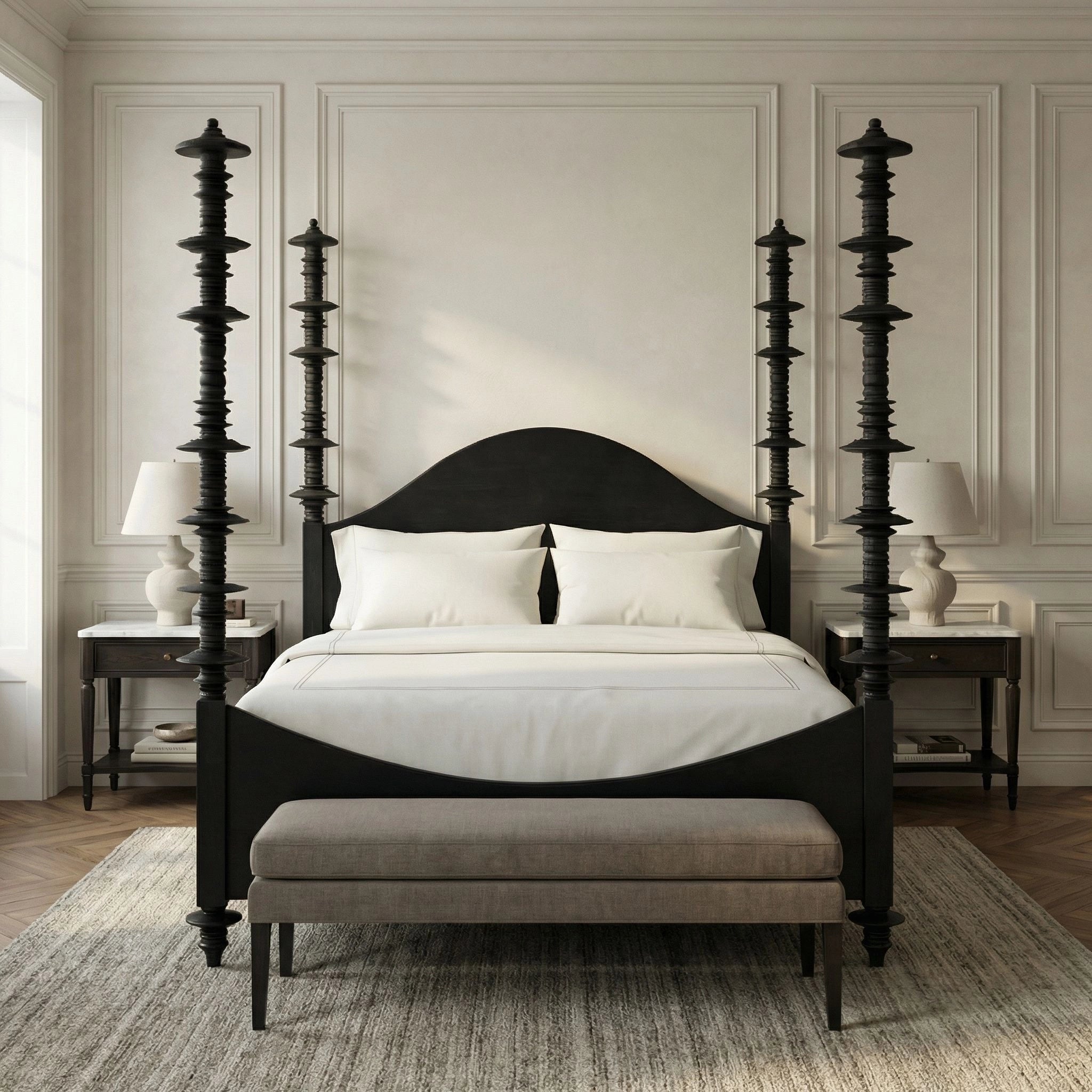
Styling is where the bed becomes part of a larger story. I usually start with textiles. For a king or queen bed, a rug that extends at least 18 to 24 inches beyond the sides and foot of the frame tends to feel generous. In a room with twin beds, a single large rug anchoring both frames often looks more intentional than two small rugs scattered about.
Bedding is another opportunity to balance old and new. Crisp sheets, a slightly heavier blanket, and a duvet folded at the foot create depth without much effort. If the bed frame is very classic, you can keep the bedding more relaxed to loosen the mood. If the bed is very streamlined, a traditional quilt or patterned coverlet can introduce a hint of history. I am inclined to think that the mix is what makes a bedroom interesting.
The furniture around the bed should support the same mood. A dark wood nightstand, a simple upholstered bench, or a small desk can all work, as long as their lines and finishes speak to the frame. When you are coordinating pieces across the house, it can be helpful to keep one through line, a consistent metal finish, a repeated wood tone, or a shared philosophy of form, drawn from AURA’s wider world of curated modern furniture.
Connecting this collection to the rest of your home
A bed this considered usually deserves a supporting cast with the same level of care. That might mean bringing in a dresser with similar wood tone, a pair of lamps in a warm metal finish, or a low cabinet that can hold books and small objects. The goal is not to match every piece, but to keep them in conversation.
If you are planning an entire suite, I often recommend choosing the bed first, then exploring complementary options within AURA’s broader range of modern luxury beds to understand what shapes, heights, and headboard styles appeal to you. From there, you can layer in dressers, benches, and accent chairs, adjusting for room size, ceiling height, and natural light.
How to use this collection
This collection brings together old money bed frame designs, vintage beds, and other luxury classic bed frames that are meant to last through more than one paint color or rug change. You will find solid wood bed frames in dark and mid tone finishes, upholstered headboards in linen, leather, and velvet, and options across king, queen, full, twin, and California king sizes.
Some pieces lean fully traditional, with carved details and formal profiles. Others feel like a bridge between eras, pairing classic materials with more streamlined forms. To the best of our knowledge, the pieces that age best are the ones that feel slightly understated on day one. They leave room for the rest of your life, art, books, textiles, to fill in the story over time.
In my honest opinion, choosing an old money inspired bed is not about copying a specific picture. It is about paying attention to proportion, material, and mood, then choosing the frame that will still make sense to you ten or fifteen years from now. Once that decision is made, the rest of the bedroom, and often the rest of the house, has a clear place to grow from.