

Japandi Bedroom Furniture


That item has been discontinued, but here are similar options.










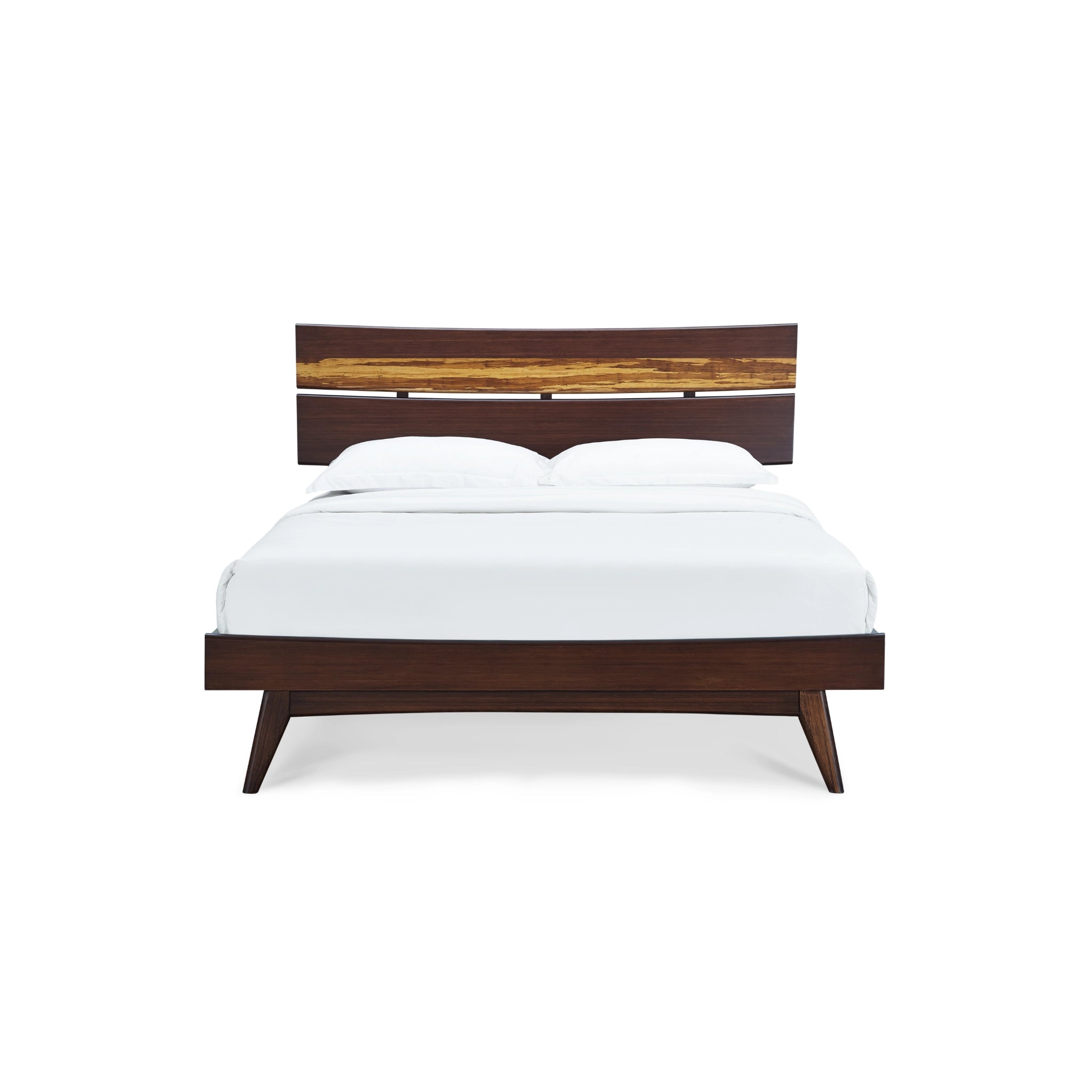


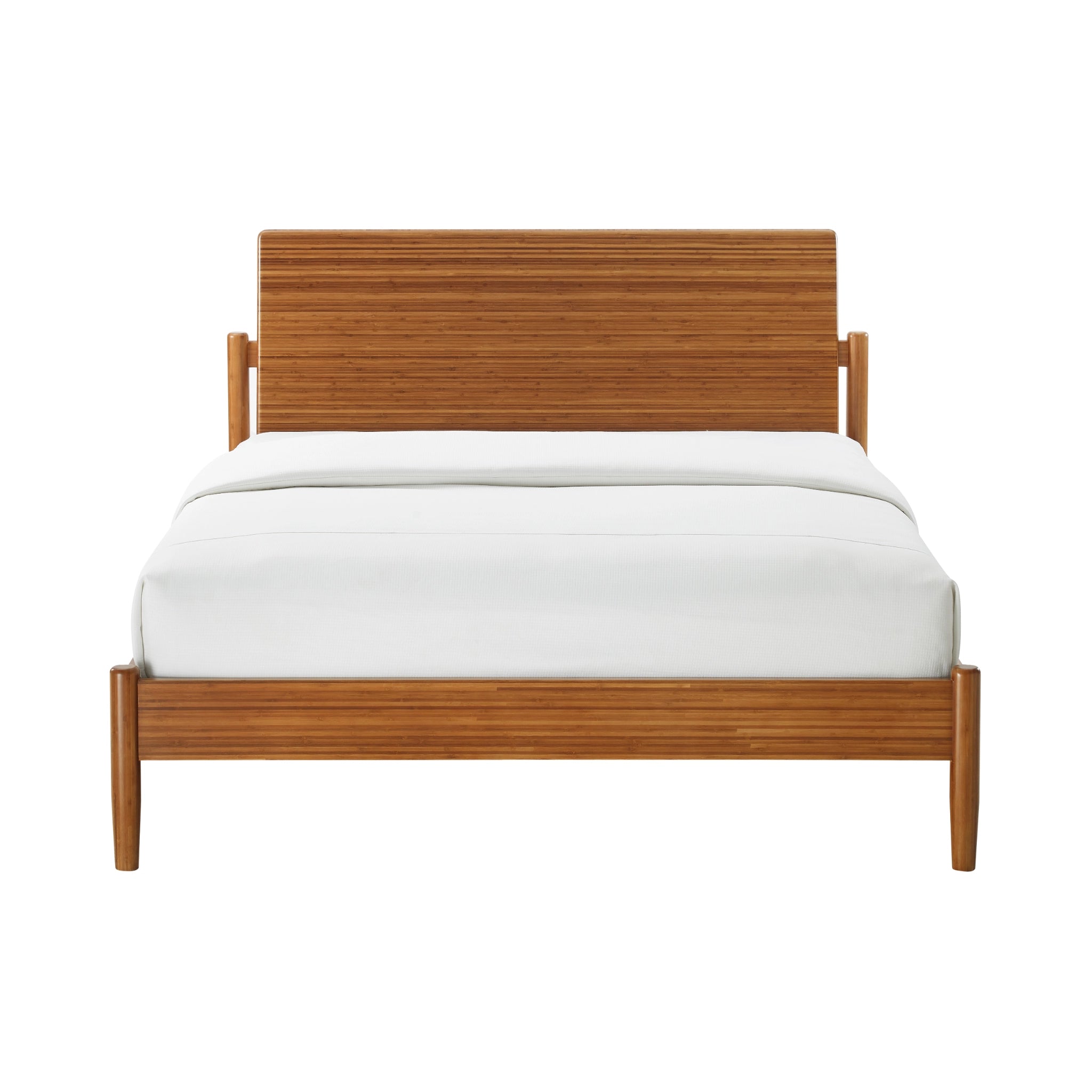


Japandi Bedroom Furniture in Natural Balance
A Japandi bedroom is defined by restraint rather than absence. The room feels calm without feeling sparse. Materials hold weight. Space is treated as an active element, not leftover square footage. At AURA Modern Home, this collection of Japandi bedroom furniture focuses on proportion, tactility, and balance, especially when shaping a Japandi style bedroom meant for genuine rest.
A thoughtful Japandi master bedroom prioritizes emotional quiet over visual impact. While many people look for Japandi bedroom sets to simplify decisions, the strength of a Japandi aesthetic bedroom comes from fewer choices made deliberately. Japandi bedroom decor should soften edges and support the room’s rhythm. The most enduring Japandi bedroom ideas rely on material honesty, muted color, and generous negative space.
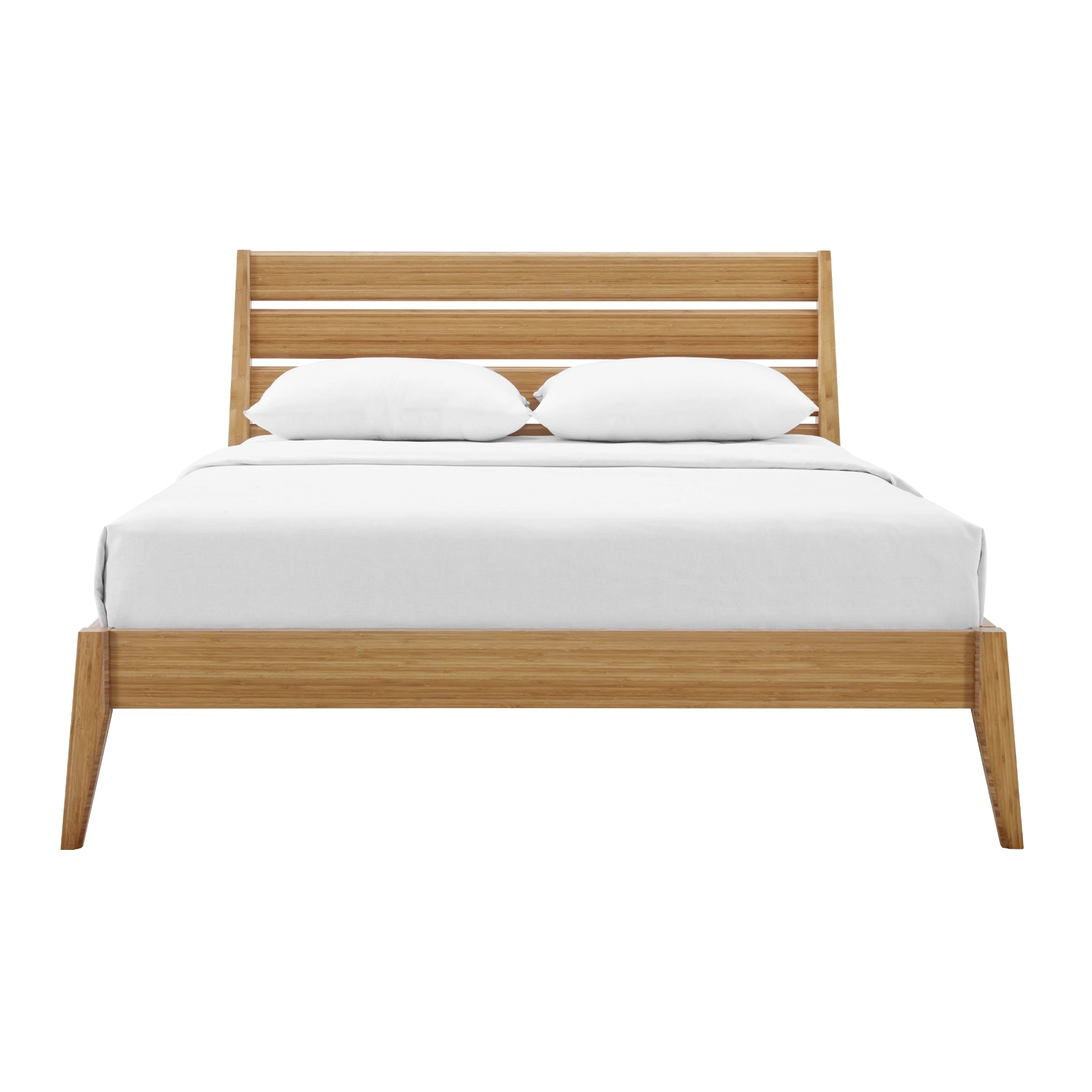
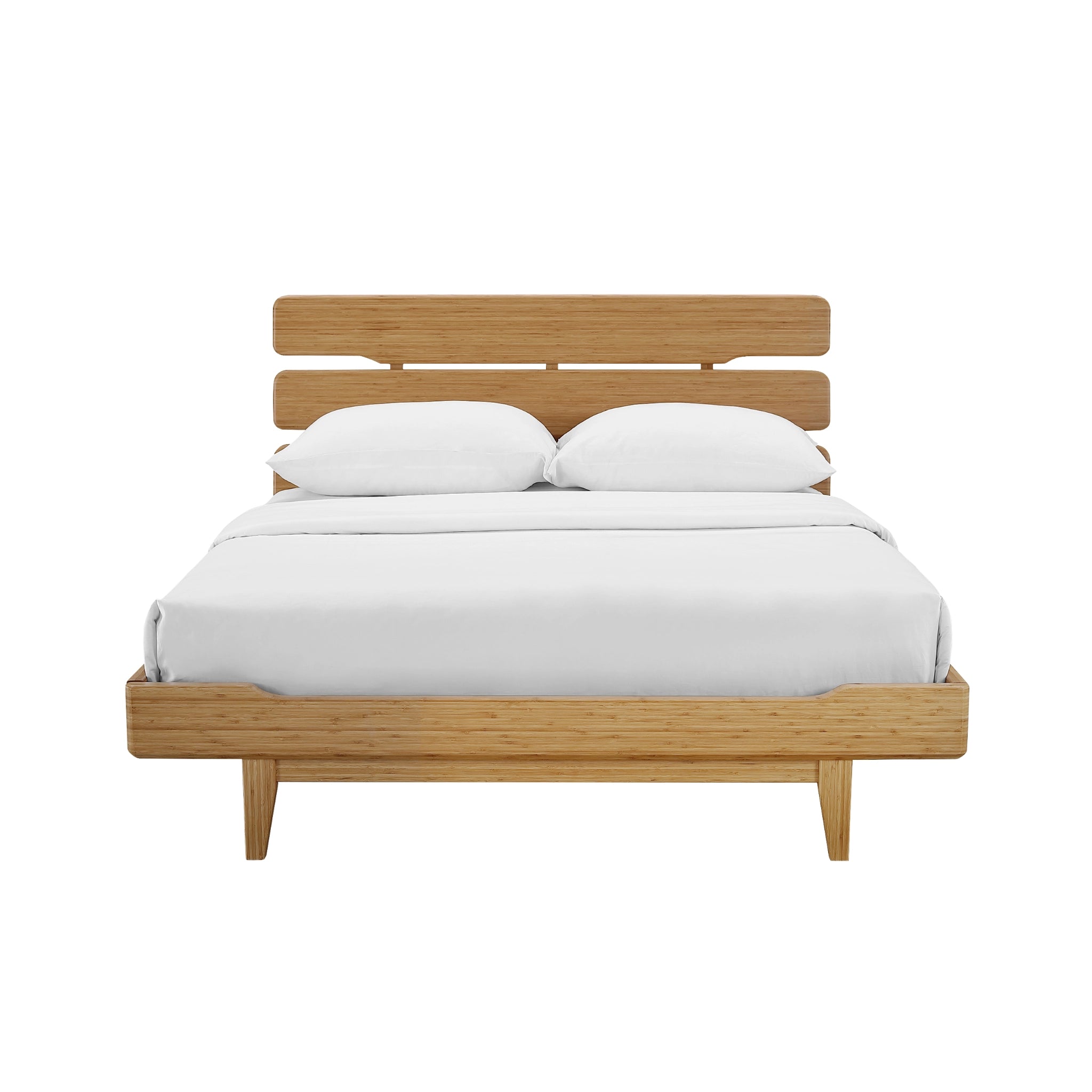
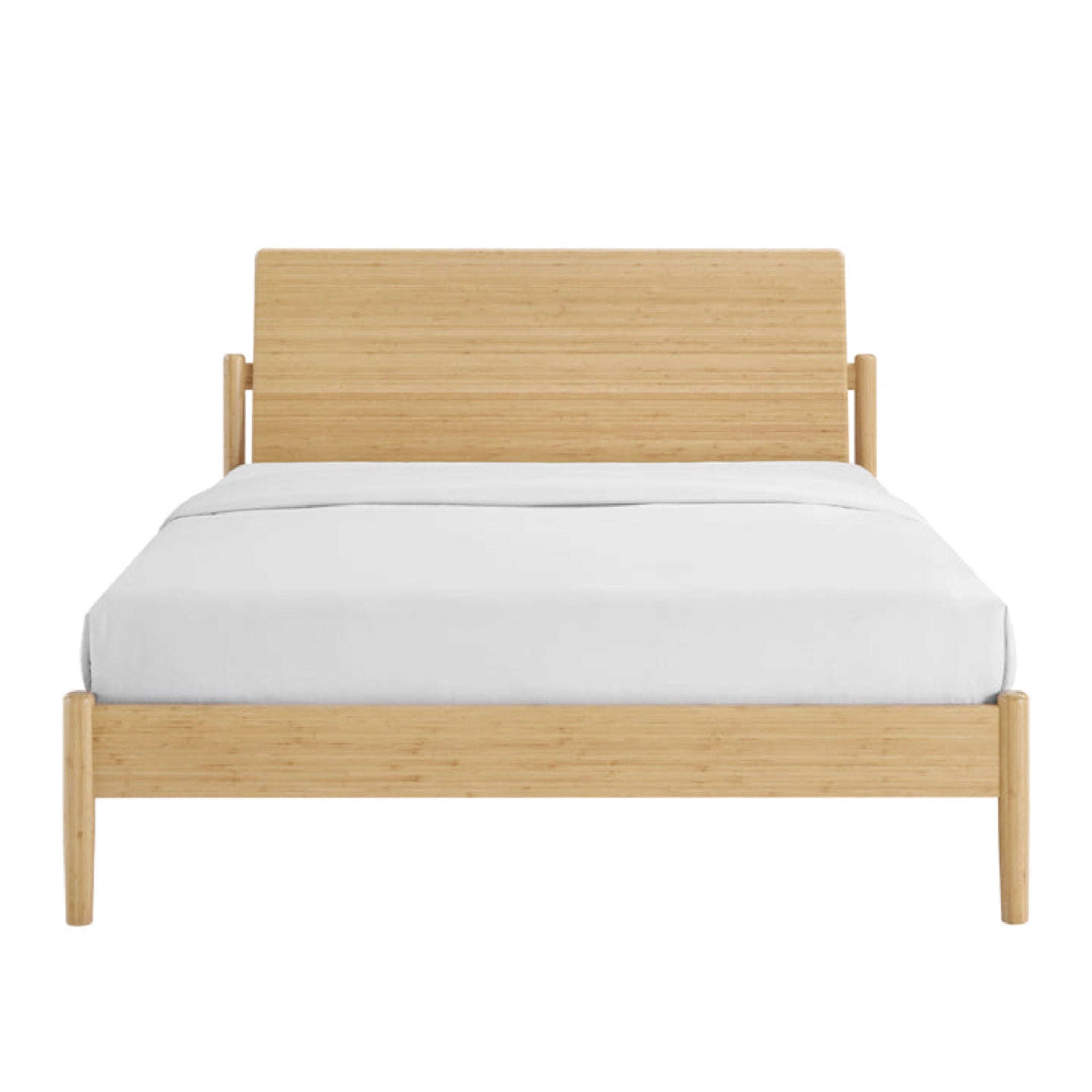
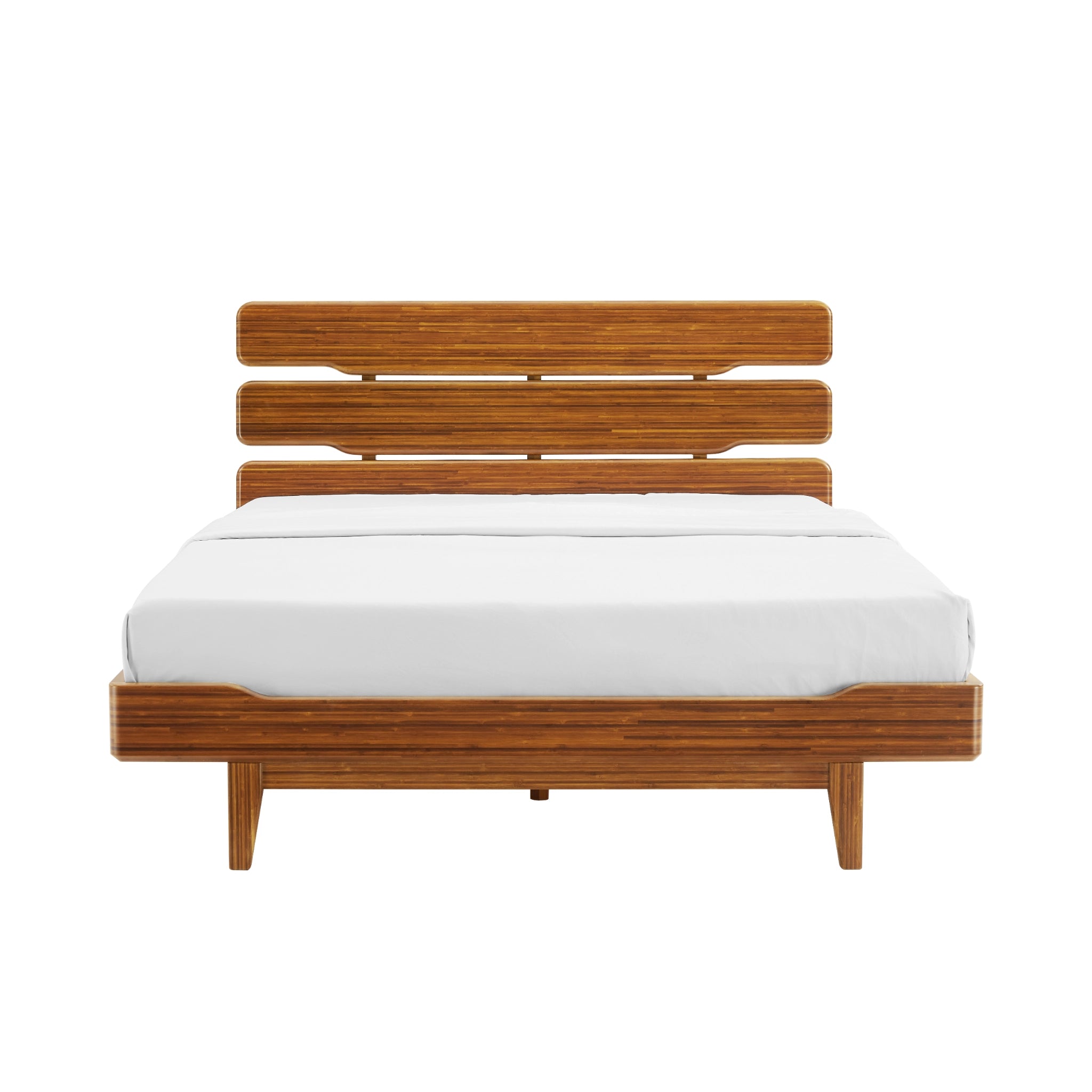
This approach favors solid wood Japandi bedroom furniture with visible grain, softened edges, and grounded silhouettes. Japandi bedroom design blends Japanese restraint with Scandinavian warmth, which is why modern Japandi bedroom furniture avoids ornament while still feeling human. When done well, luxury Japandi bedroom furniture feels essential rather than indulgent. The result is a minimalist Japandi bedroom that remains warm, not severe. In our view at AURA, this style fails most often when people confuse calm with empty.
This page sits within AURA’s broader intentional room design philosophy and our wider japandi furniture collection, where furniture, lighting, and decor are considered as a single system rather than separate purchases. Start with a low japandi bed and let storage and lighting settle around it.
What defines a Japandi bedroom
At its core, Japandi is a balance of natural materials, restrained forms, and quiet function. It is not a theme. It is a set of decisions that keep a room steady: fewer pieces, better proportion, and a palette that lets texture do the work.
Space as a design material
Japandi interiors work when space is allowed to exist between objects. Furniture sits lower. Circulation feels unforced. If a bedroom feels unsettled, it is often because too many pieces are competing for attention.
Designers prioritize balance over symmetry. A centered bed with breathing room. A single chair placed in a corner. One surface intentionally left clear so the room can pause.
Light that settles rather than announces
Lighting should feel diffused and indirect. Overhead fixtures stay quiet. Lamps create areas of use rather than brightness. Light moves across walls, curtains, and wood surfaces gently, revealing texture instead of flattening it.
Natural light plays an equal role. Window treatments should filter rather than block. Sheer curtains paired with heavier panels allow the room to change character without visual disruption.
Light and dark Japandi, and how AURA approaches the balance
Japandi exists on a spectrum. Some rooms lean lighter, with pale woods and reflected daylight. Others lean darker, with deeper tones, heavier shadow, and evening light shaping the space. The underlying principles remain the same.
At AURA Modern Home, we tend to work toward the darker end of that spectrum. Not because darker rooms are dramatic, but because shadow allows materials to register more fully. Light wood becomes warmer. Texture becomes more tactile. Objects reveal themselves gradually rather than all at once.
Light furniture can work beautifully in a dark Japandi bedroom when contrast is controlled. Pale wood against deeper walls feels intentional when lighting is warm and surfaces remain restrained. What matters is not how light or dark a piece is, but how it behaves once the lights are low.
Furniture that sets the room’s posture
The bed anchors the Japandi bedroom emotionally and visually. Lower profiles, simple headboards, and softened forms create stability. The bed should feel grounded rather than elevated.
Side tables and cabinets work best when they share height and material language. Storage should quiet the room visually, holding everyday objects without announcing itself. If you want shelves, keep them edited and weighted. A bookshelf with a few meaningful objects reads calmer than a wide selection of small accessories.
Materials that age with grace
Japandi relies on natural materials used plainly. Wood, linen, wool, ceramic, and stone create depth through texture rather than contrast. Grain and weave replace decoration. This is where quality becomes visible without needing ornament.
Metal and glass appear sparingly. When present, they support function. A lamp stem, a cabinet pull, a framed print behind glass. Every detail earns its place.
Color palette and visual calm
Color remains restrained but deliberate. Warm woods, soft neutrals, and gentle tonal shifts define the color palette. Walls recede. Furniture anchors. Textiles introduce comfort through texture. If you are working with a tight budget, paint and curtains often change the room faster than swapping products.
If a room feels incomplete, it is often missing repetition rather than decor. Echo one tone through throws, cushions, a vase, or a single piece of artwork to create cohesion without extra variety.
Decor that supports rest
Decor should feel edited and purposeful. A ceramic vase with flowers. One artwork that introduces quiet presence. A small arrangement of objects on a table that feels intentional, not busy.
Scent, texture, and material choice shape comfort more than visual quantity. The room should encourage relaxation the moment you enter it, even when the house is active elsewhere.
Using sets without losing restraint
Bedroom sets can work when pieces share proportion and material language. The key is stopping before the room feels resolved. Leave space for the room to evolve over time. That restraint keeps the interior from becoming sterile.
How to use this collection
Use this collection to build slowly. Start with the bed, then introduce storage that recedes visually. Let lighting and textiles finish the room rather than lead it. It is a calmer way to make decisions, and it prevents the common mistake of filling the space before you have defined its posture.
If you want to browse by mood before choosing pieces, move through AURA’s room decor by aesthetic guide. If you want the wider context of AURA, return to the Atmospheric home decor homepage and see how materials and light connect across the house.
For adjacent pieces that support this aesthetic, explore our modern bedroom furniture collection and compare how different silhouettes handle scale, storage, and softness.
This collection brings together beds, storage, side tables, and lighting designed to work quietly together. Each piece is selected by AURA for proportion, material integrity, and how it behaves in low light, so the room reads calm at night, not merely tidy in daylight.