

Entryway Mirrors
That item has been discontinued, but here are similar options.


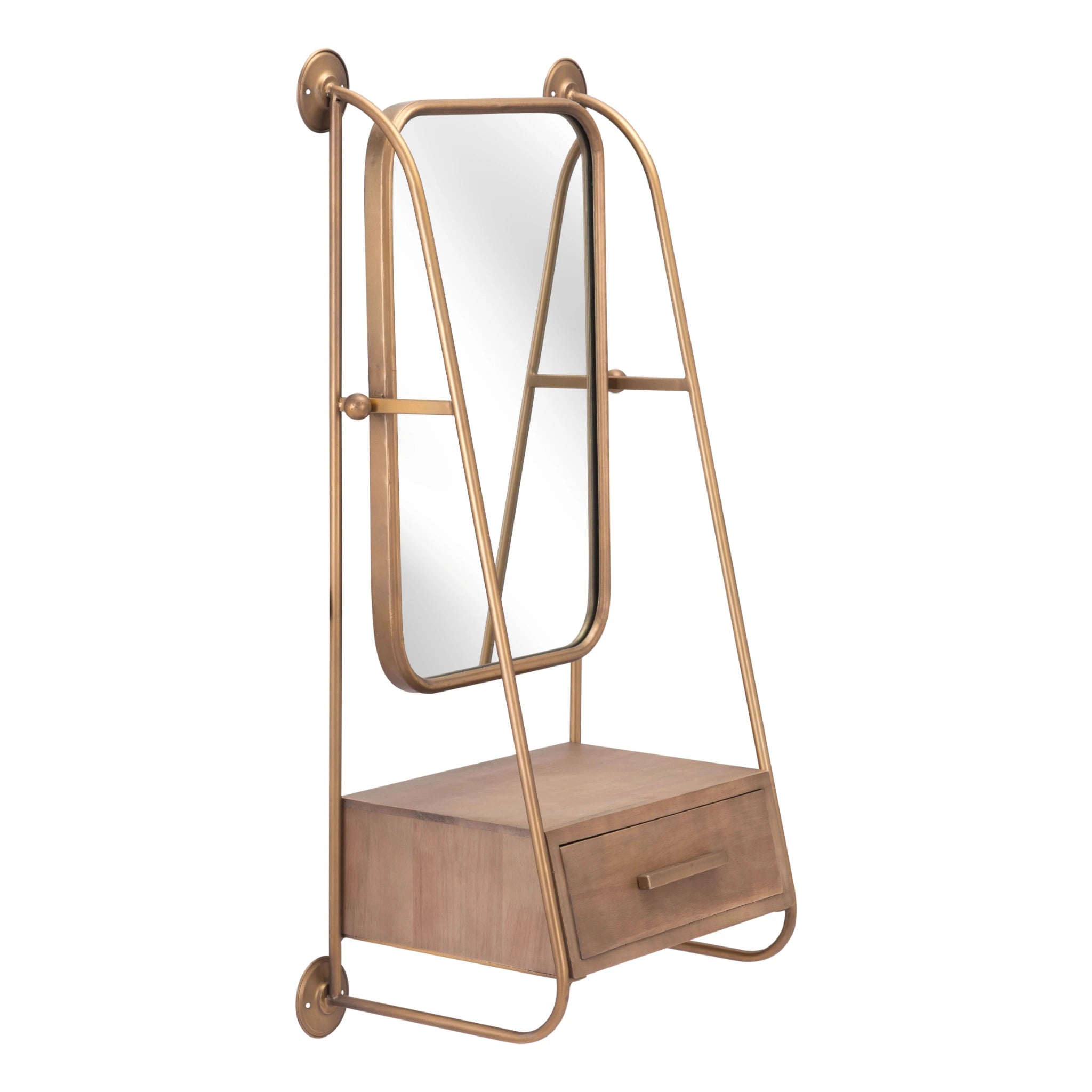
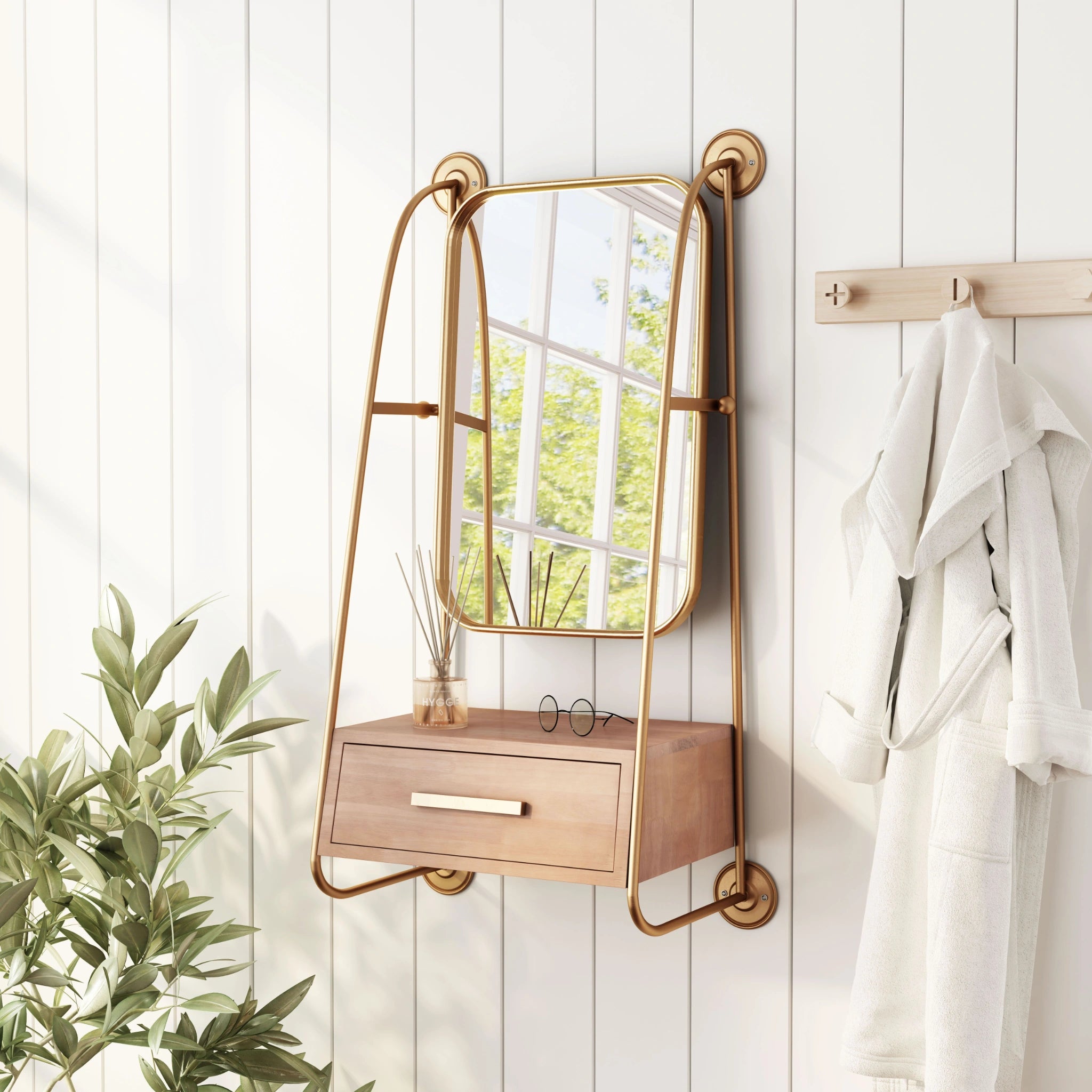
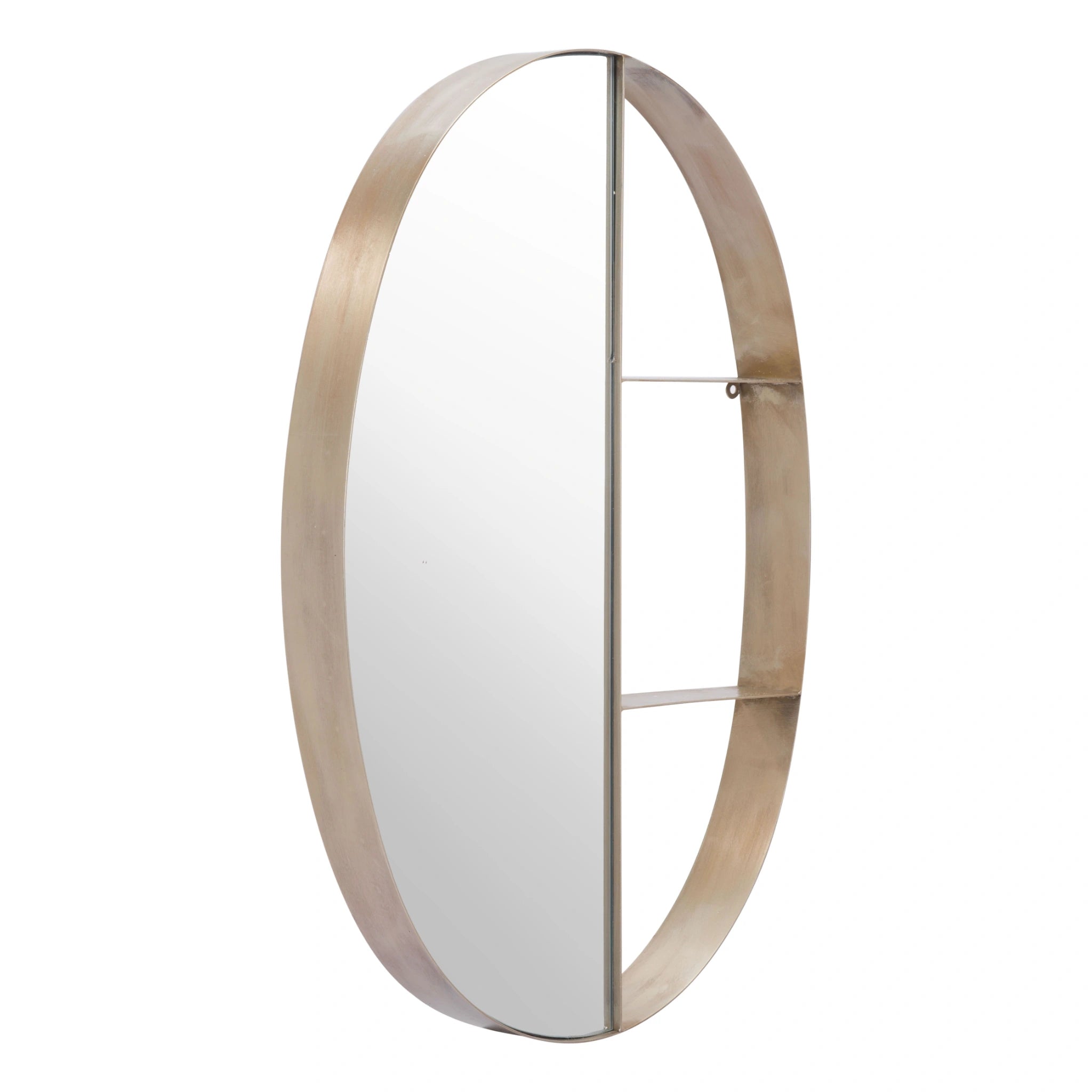
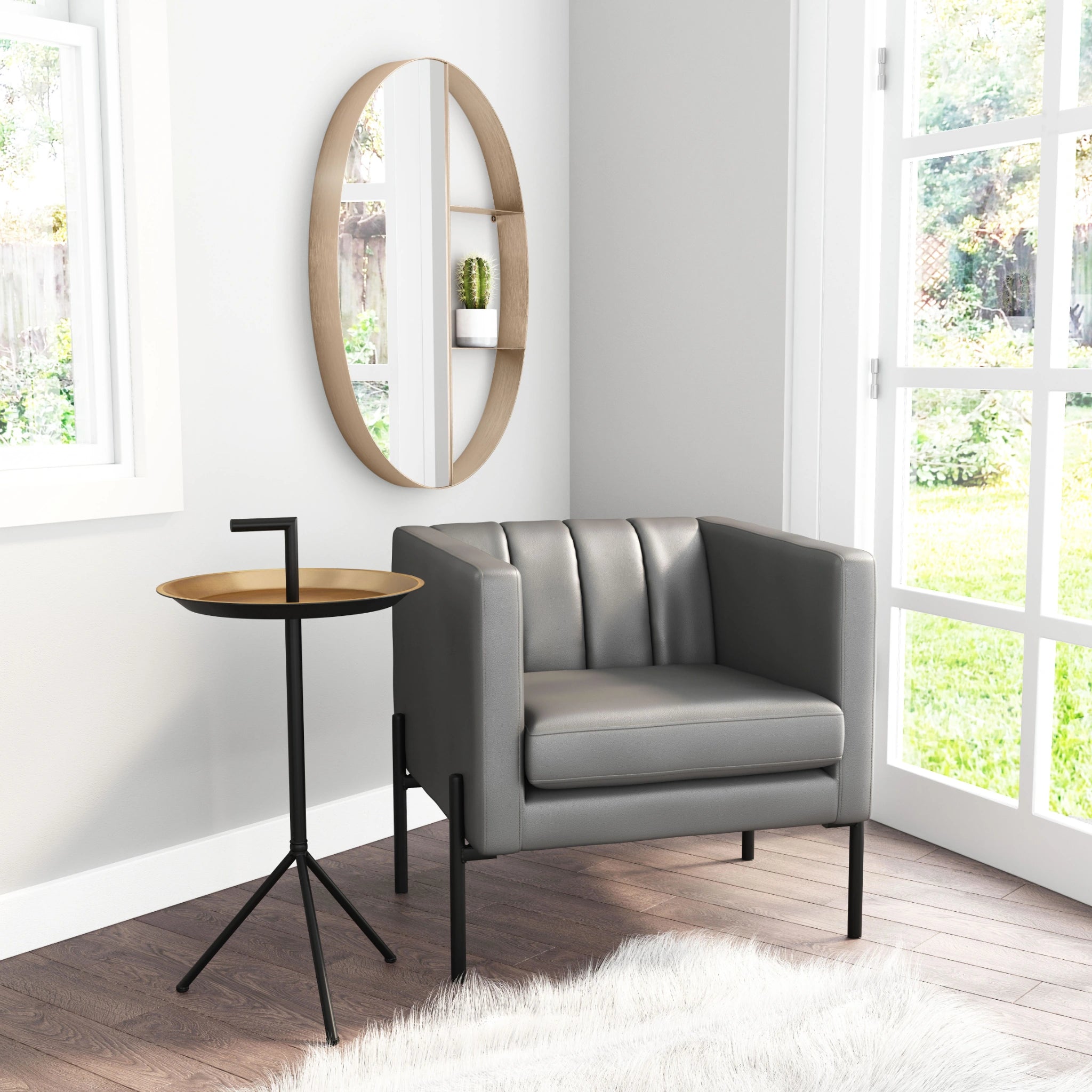


Entryway Mirrors: Light, Depth, and a Last Look
An entryway mirror does three jobs at once: it bounces daylight deeper into the hall, it makes a tight entrance feel larger, and it gives you a last look before the door. No other single piece changes an entry as much for as little. Set above a console, a mirror turns a flat surface into a composed vignette, and in a dim or windowless hall it is the difference between a passage that feels closed and one that feels open. It is one of the most useful pieces of entry hall furniture, even though it hangs rather than stands.
Sizing and Hanging an Entryway Mirror
Proportion is the whole game. Over a console or an entryway table, size the mirror to roughly half to three-quarters of the table's width and hang it with the lower edge six to eight inches above the surface, so the two read as a pair rather than two unrelated objects. For a standalone wall, center the glass near eye level, around 57 to 60 inches to the middle. A full-length leaner solves the outfit-check job and adds height to a short wall.
Round, Arched, or Full-Length
Shape sets the mood. A round mirror softens the hard corners of a console-and-wall arrangement and reads friendly. An arched mirror adds a quiet architectural note. A full-length or floor mirror doubles as a dressing check and throws the most light. Choose the shape against the lines already in the entry.
Placing a Mirror for Light
Where you hang it decides how much it gives back. A mirror set opposite or beside a window catches daylight and pushes it across the hall; one near a lamp doubles the warm pool at night. Avoid hanging a mirror where it only reflects a blank wall or the ceiling, which wastes its best trick. Paired with an entryway bench below, a mirror finishes the wall and makes the whole arrangement feel intentional.
Frame and Finish
The frame is where the mirror joins the rest of the room. A warm wood frame ties to a console table in oak or walnut; a slim metal frame sharpens a modern entry; an antiqued or gold frame adds age and warmth. Keep the finish in conversation with the table below it rather than matching it exactly, so the pair reads as considered rather than bought as a set.
The Mistake to Avoid
The error is hanging the mirror too high or too small, so it floats above the table with no relationship to it. Bring it down to within six to eight inches of the surface and scale it to the table width. A mirror that relates to the piece below it looks designed; one that drifts near the ceiling looks like an afterthought.
Entryway Mirror FAQs
How big should an entryway mirror be?
Over a table, aim for half to three-quarters of the table's width. On a standalone wall, choose a size that fills the space without crowding it, and center the glass near eye level.
How high do you hang an entryway mirror?
Above a console, keep the lower edge six to eight inches above the surface. On an open wall, center the mirror around 57 to 60 inches from the floor, roughly eye level.
What shape of entryway mirror is best?
Round softens a hard console-and-wall arrangement, arched adds an architectural note, and full-length doubles as a dressing check while throwing the most light. Choose against the lines already in the entry.
Where should you place an entryway mirror for light?
Opposite or beside a window to catch daylight, or near a lamp to double the warm pool at night. Avoid facing a blank wall, which wastes the reflection.
Should the mirror match the entryway table?
Relate, do not match. Keep the frame finish in conversation with the table below, so the pair reads as considered rather than a matched set bought together.