

Modern Platform Beds


That item has been discontinued, but here are similar options.


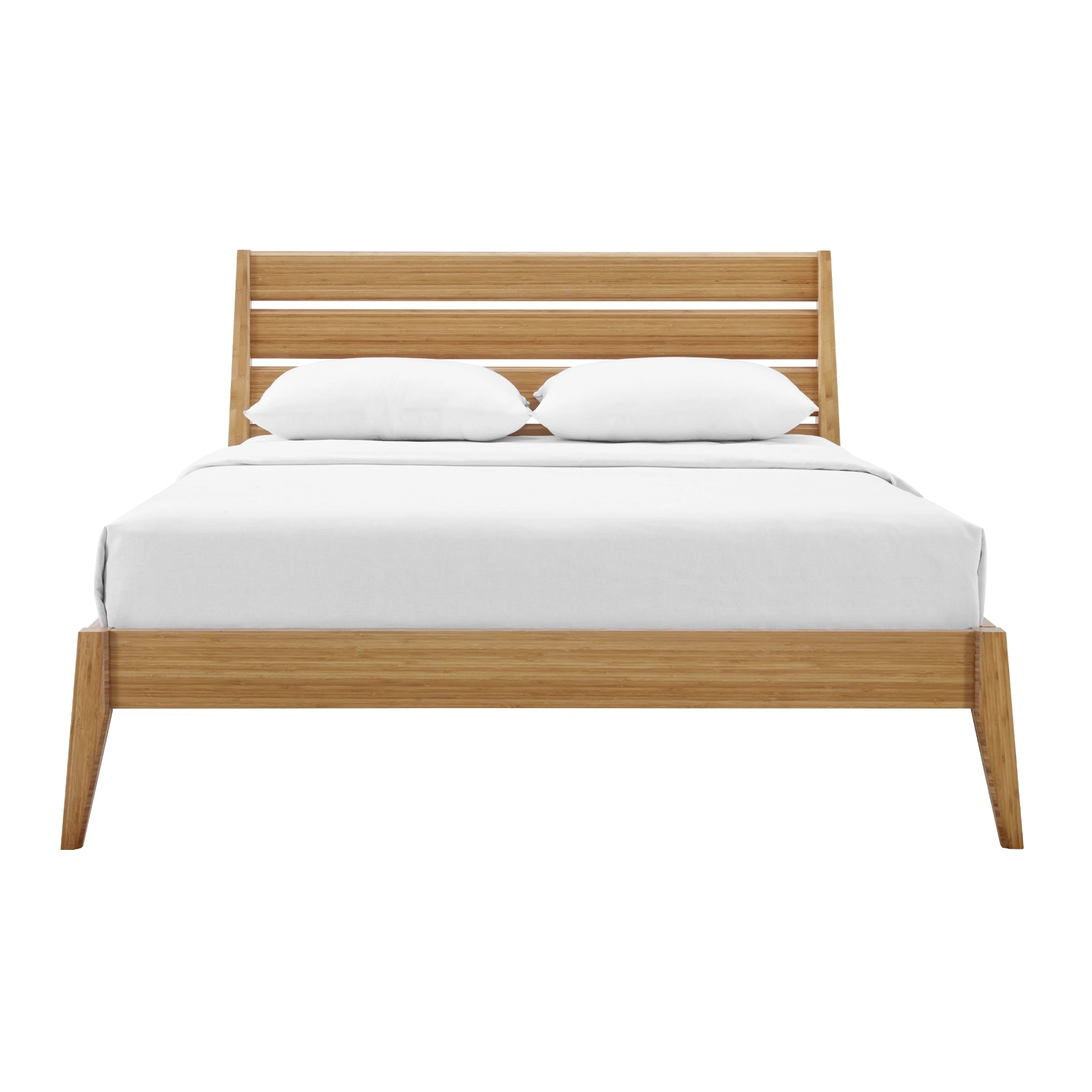

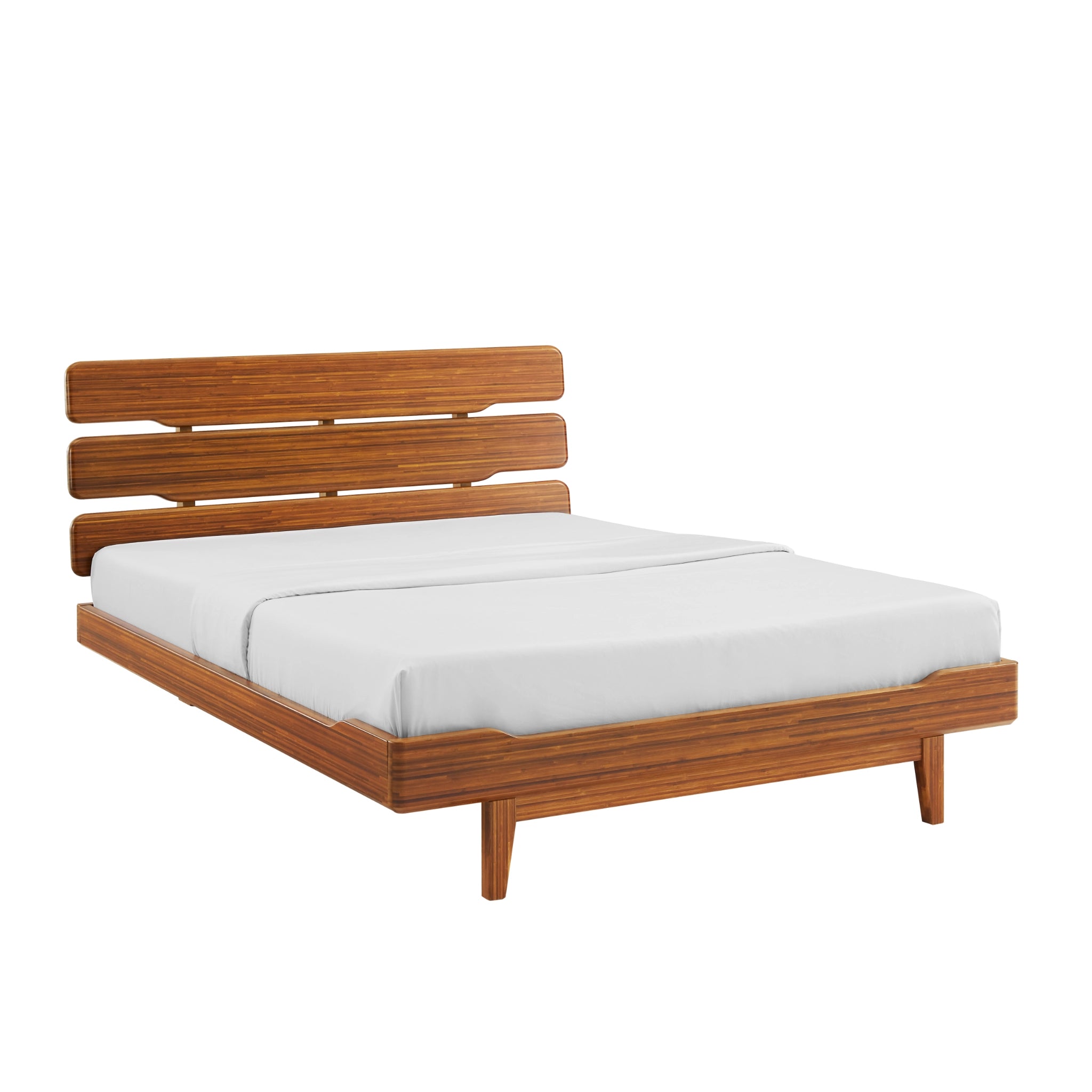

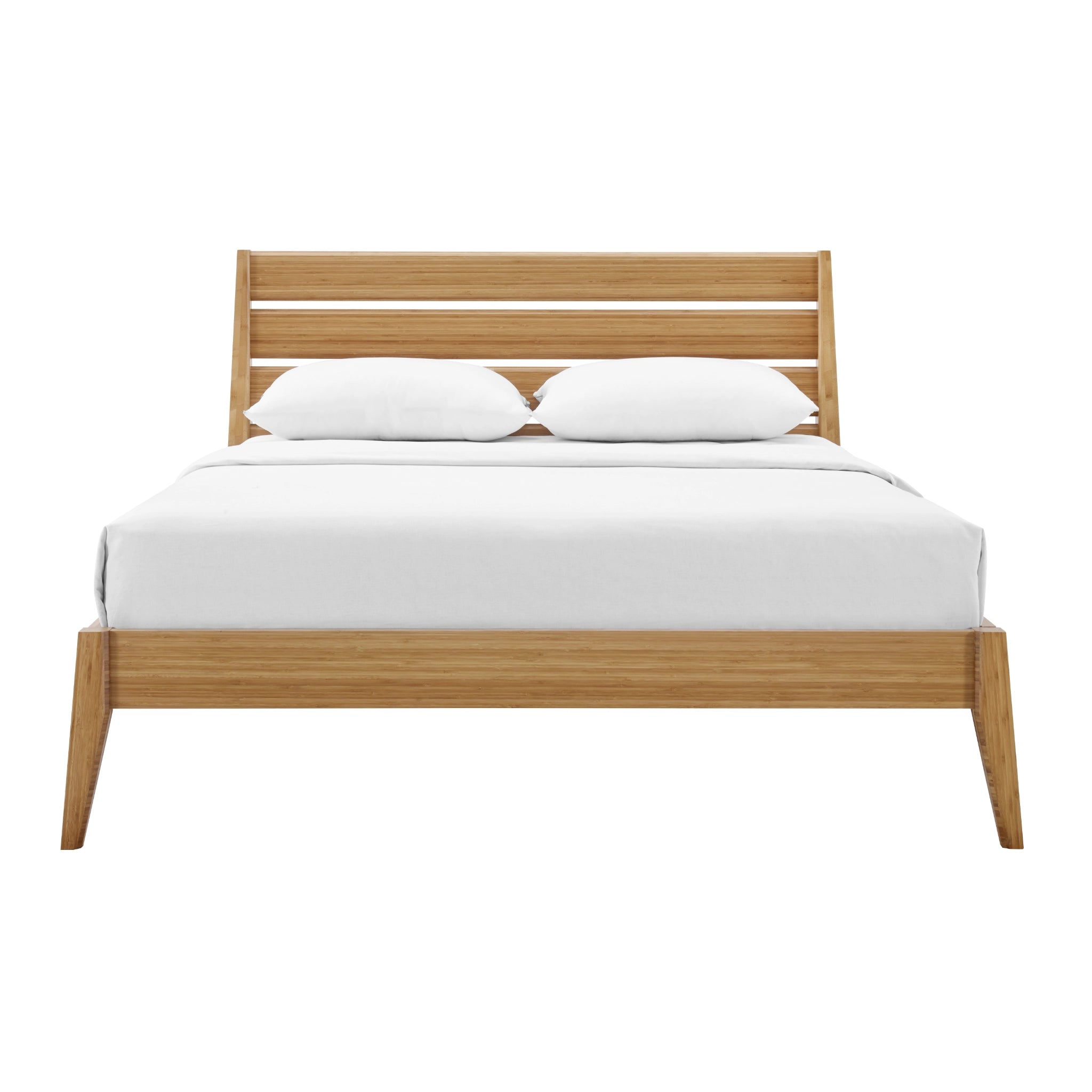

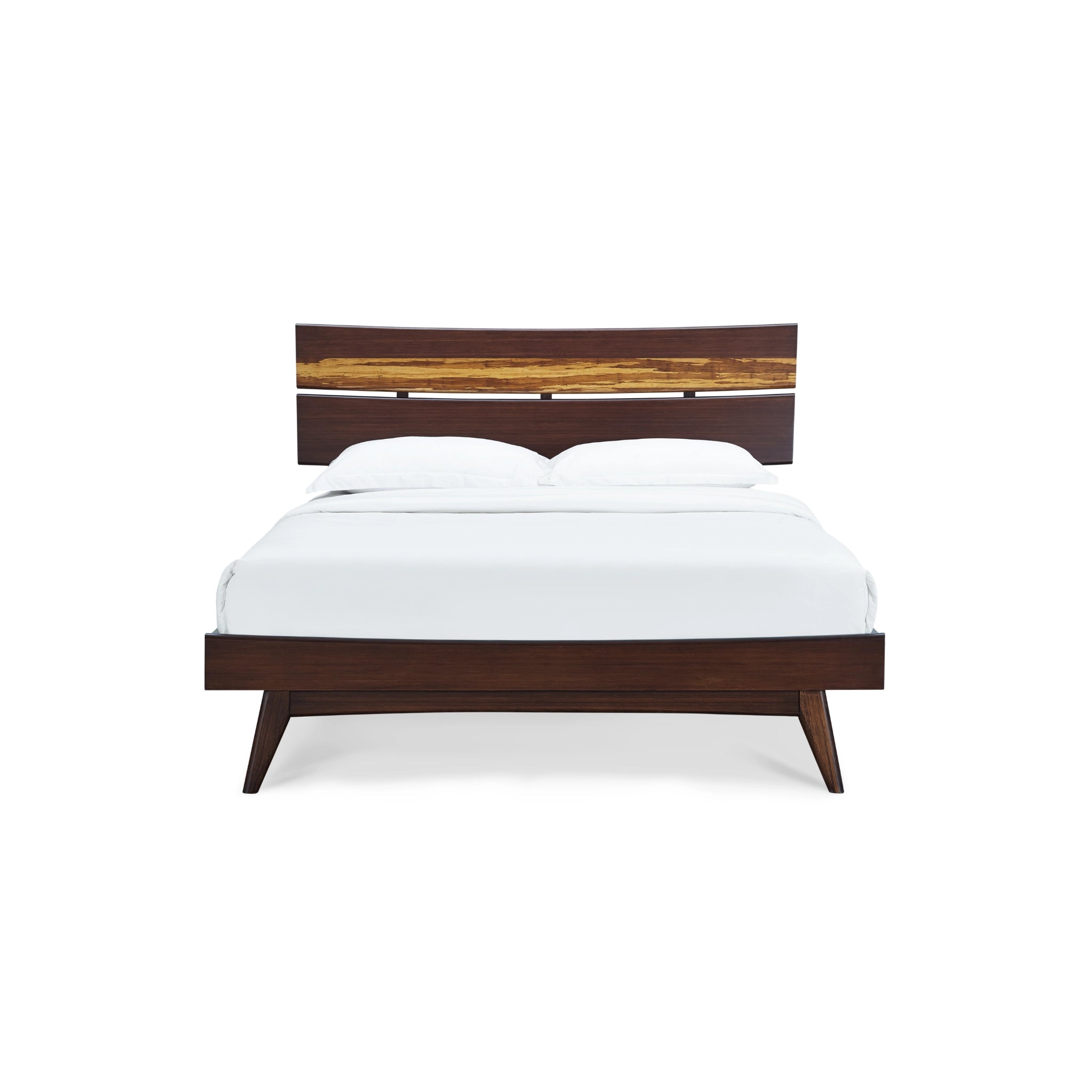

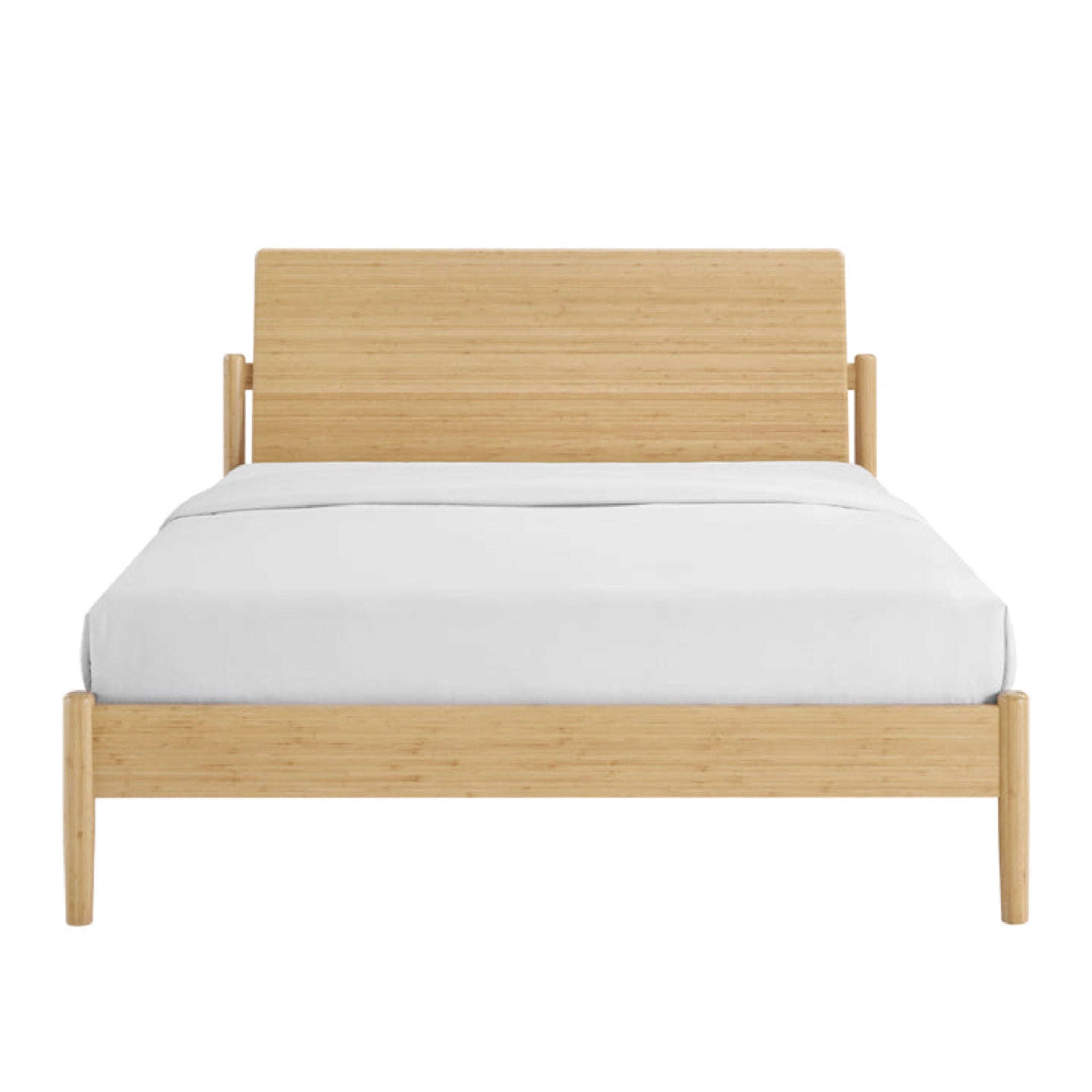


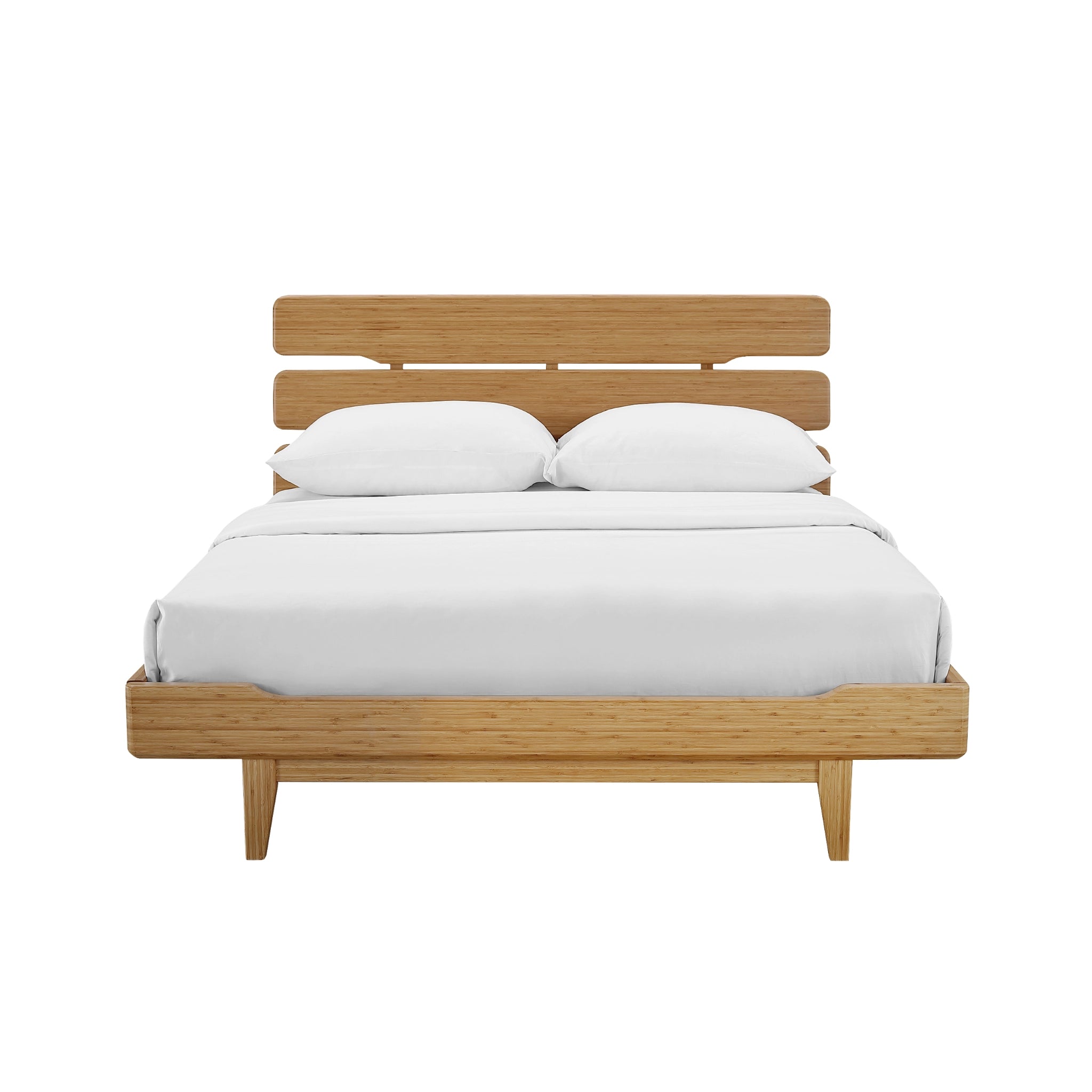


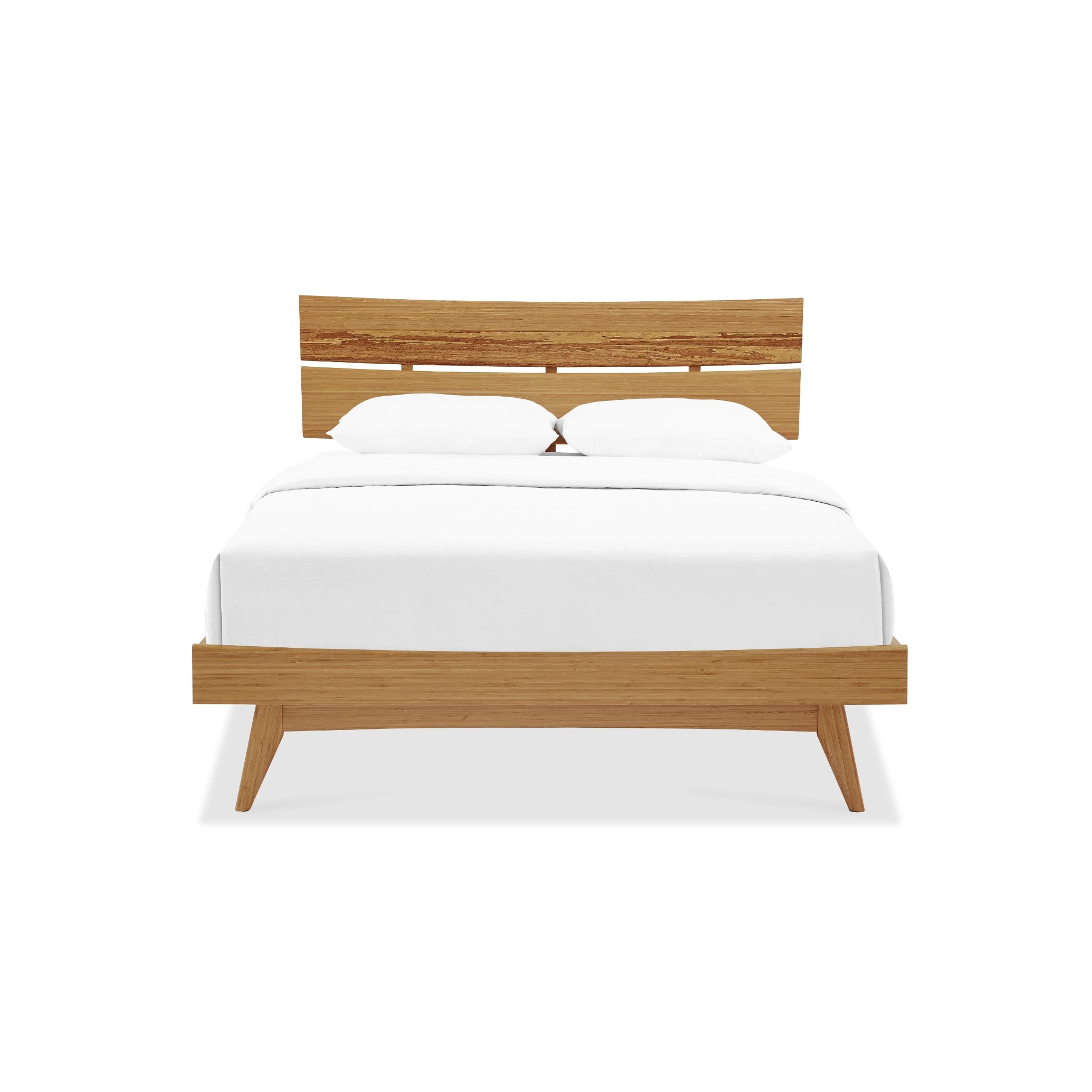


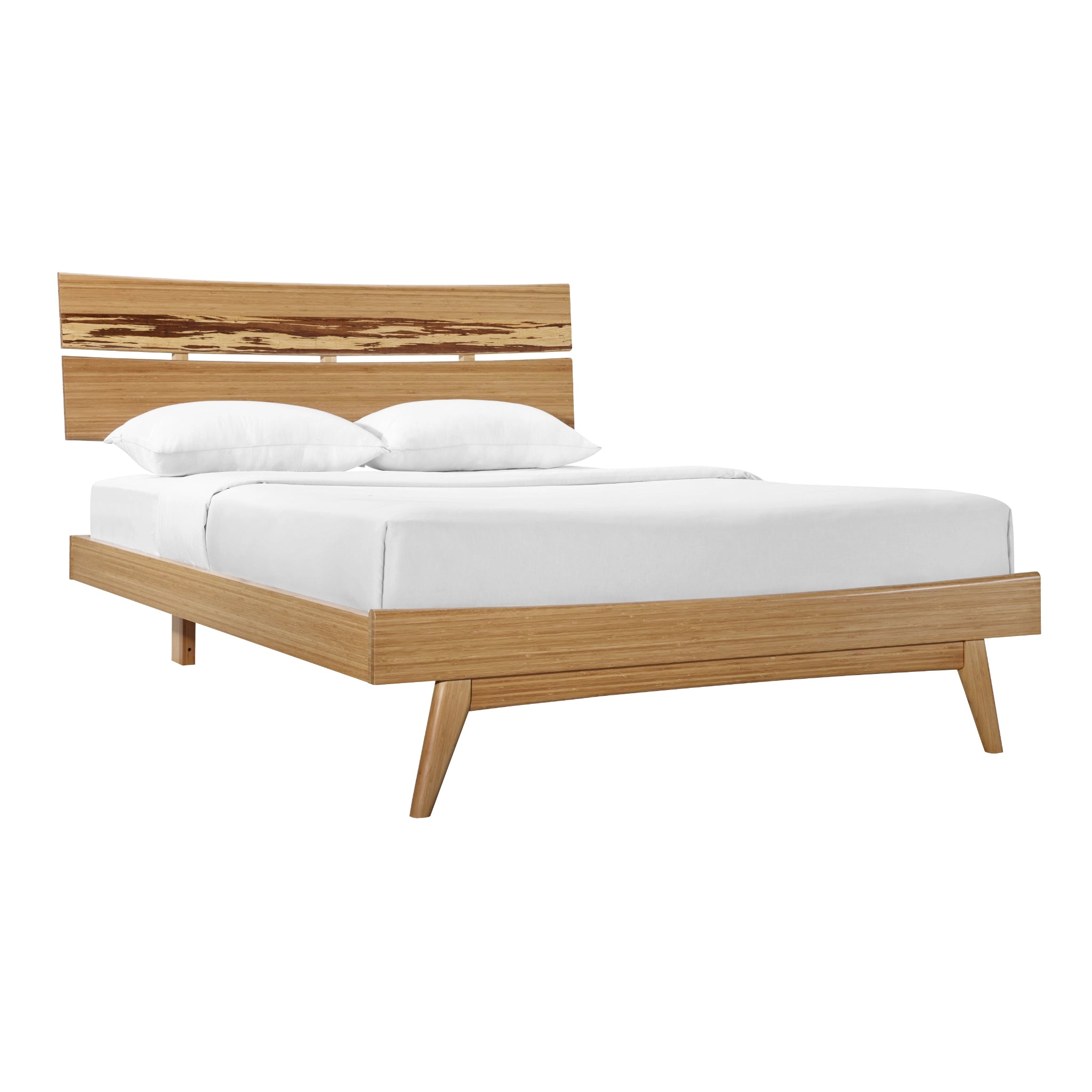


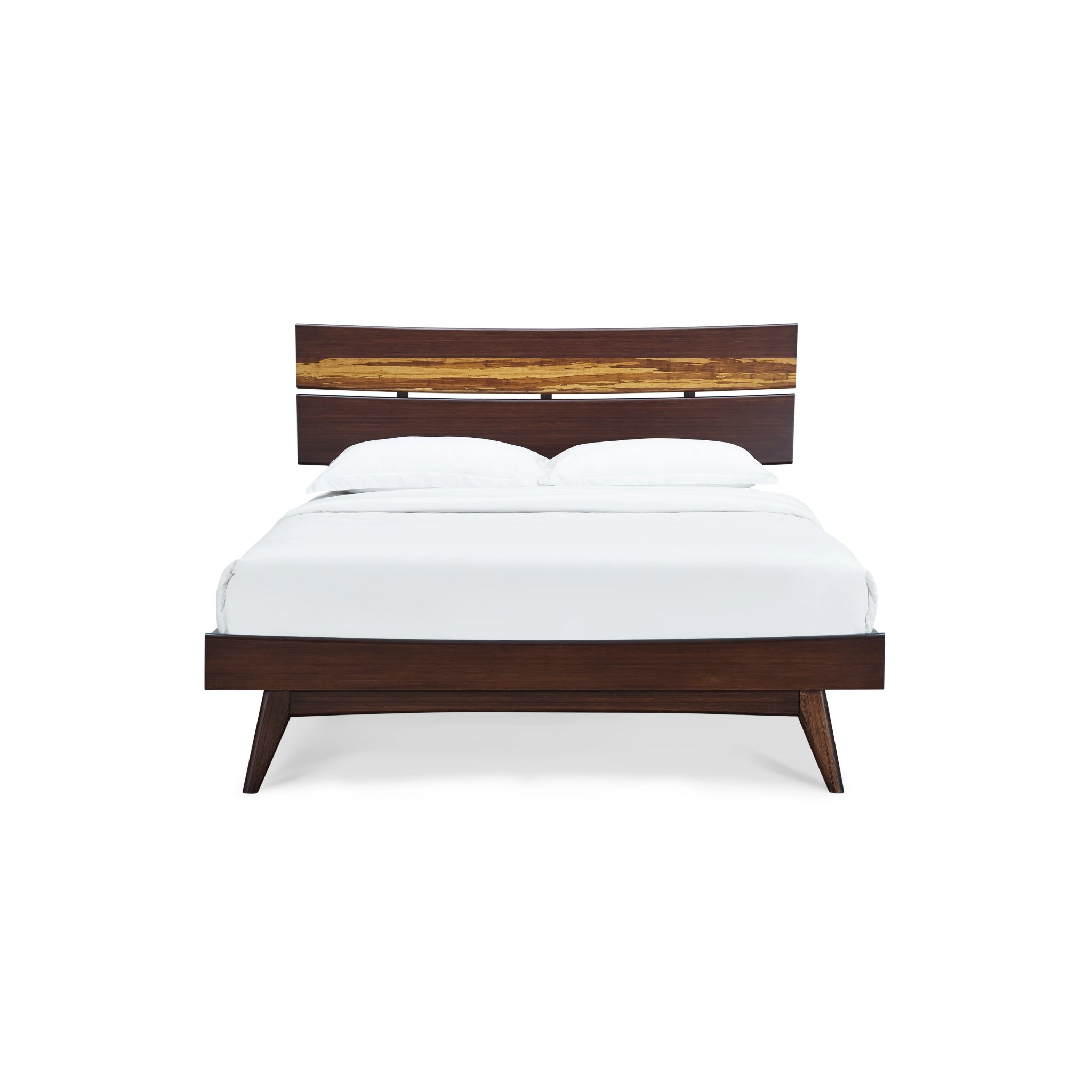


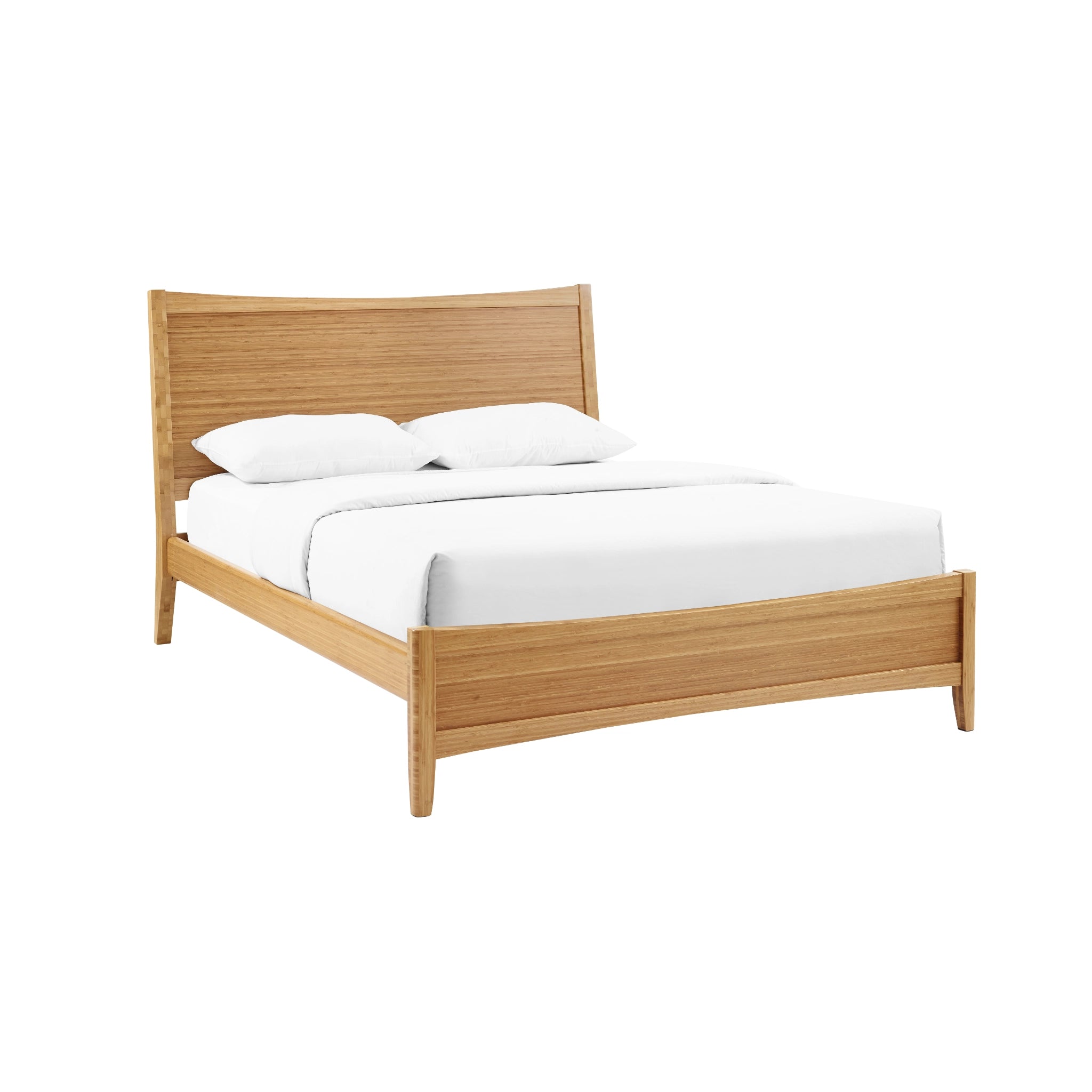


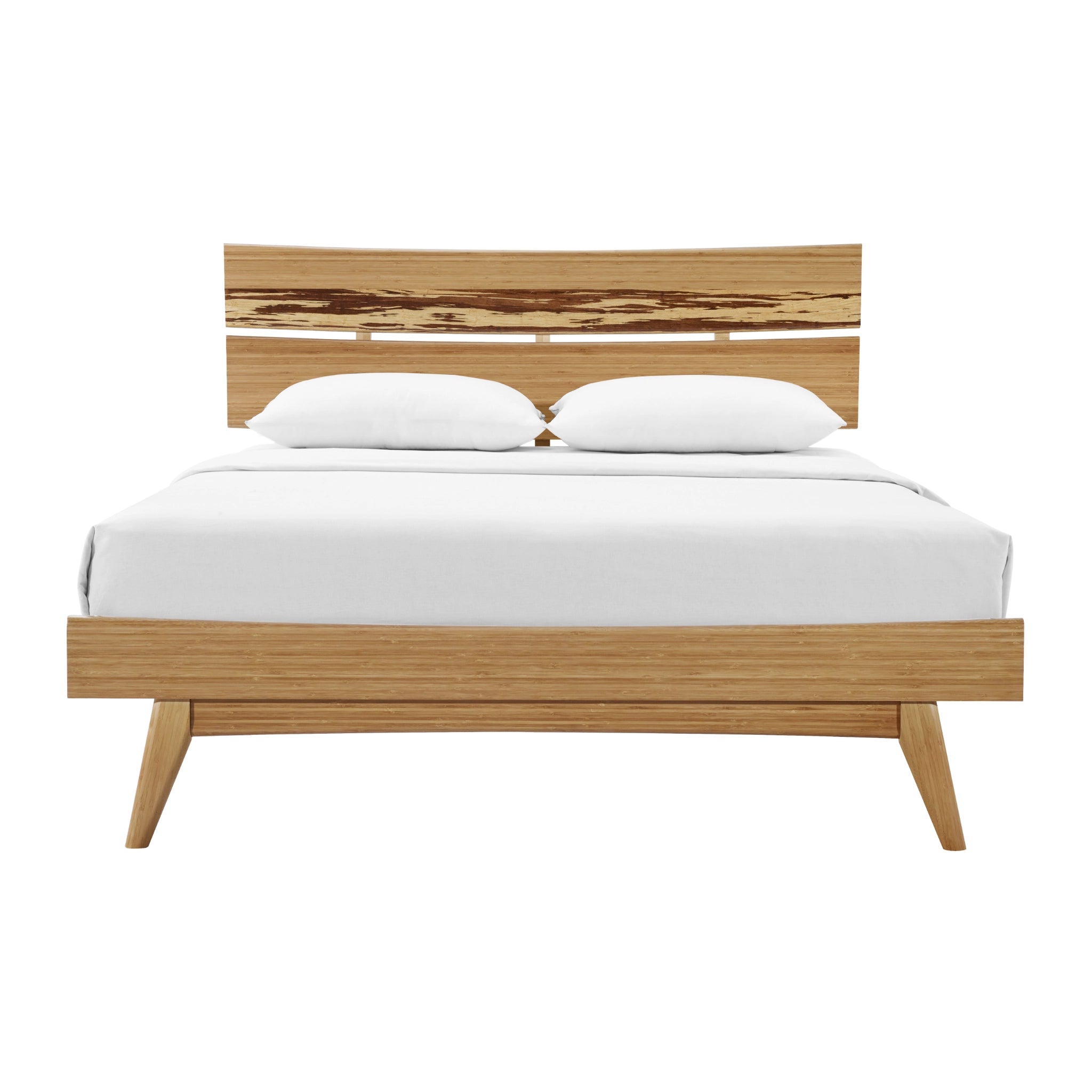


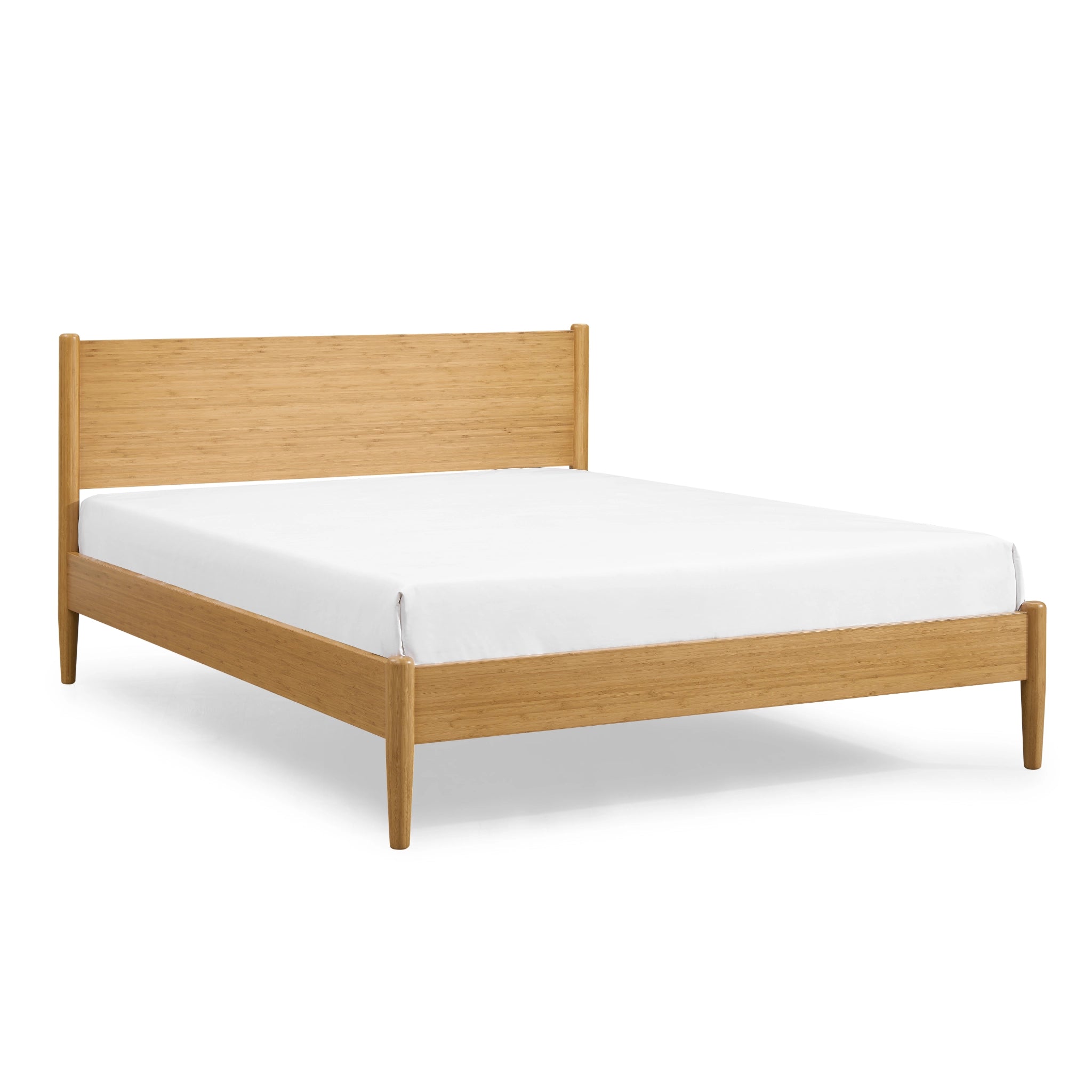


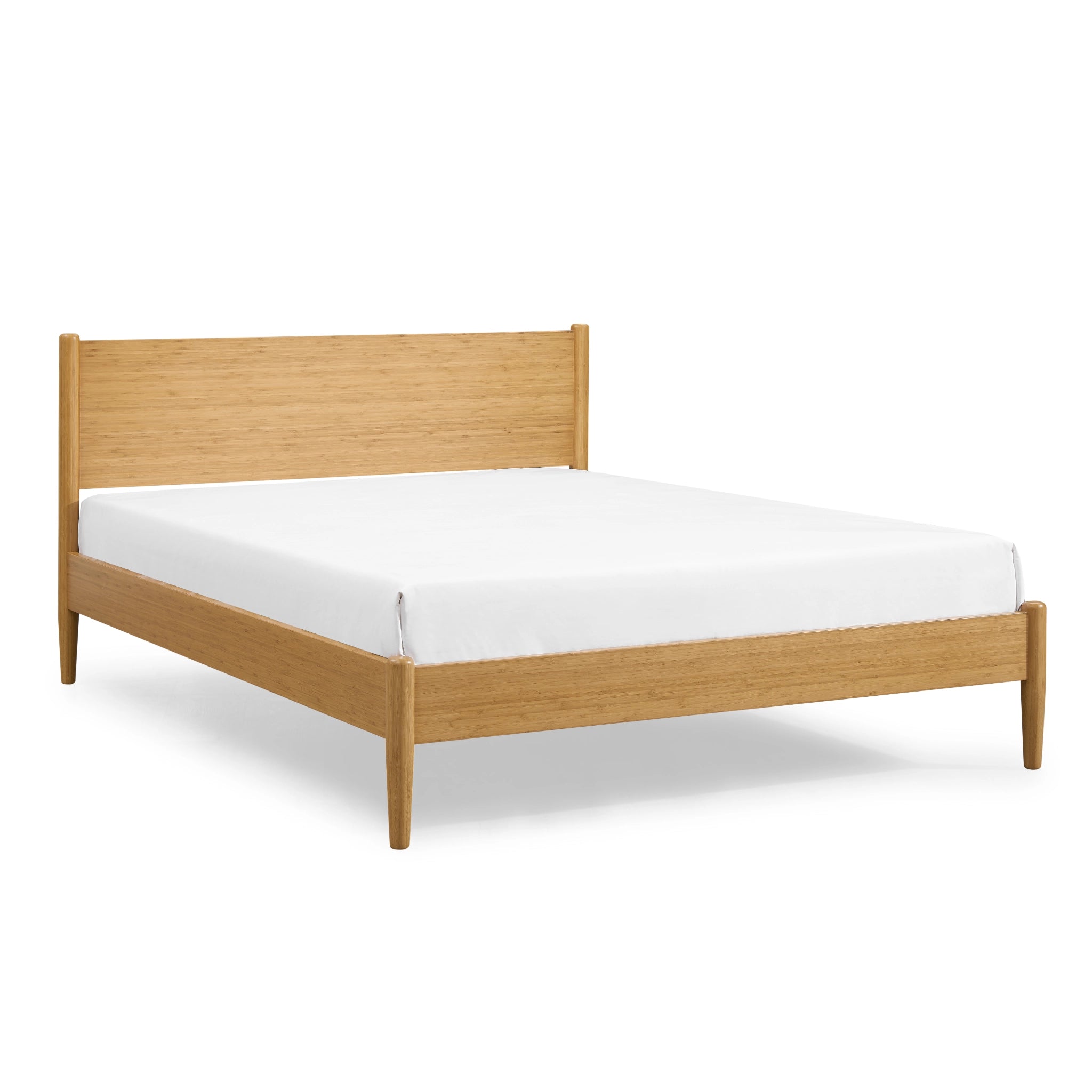


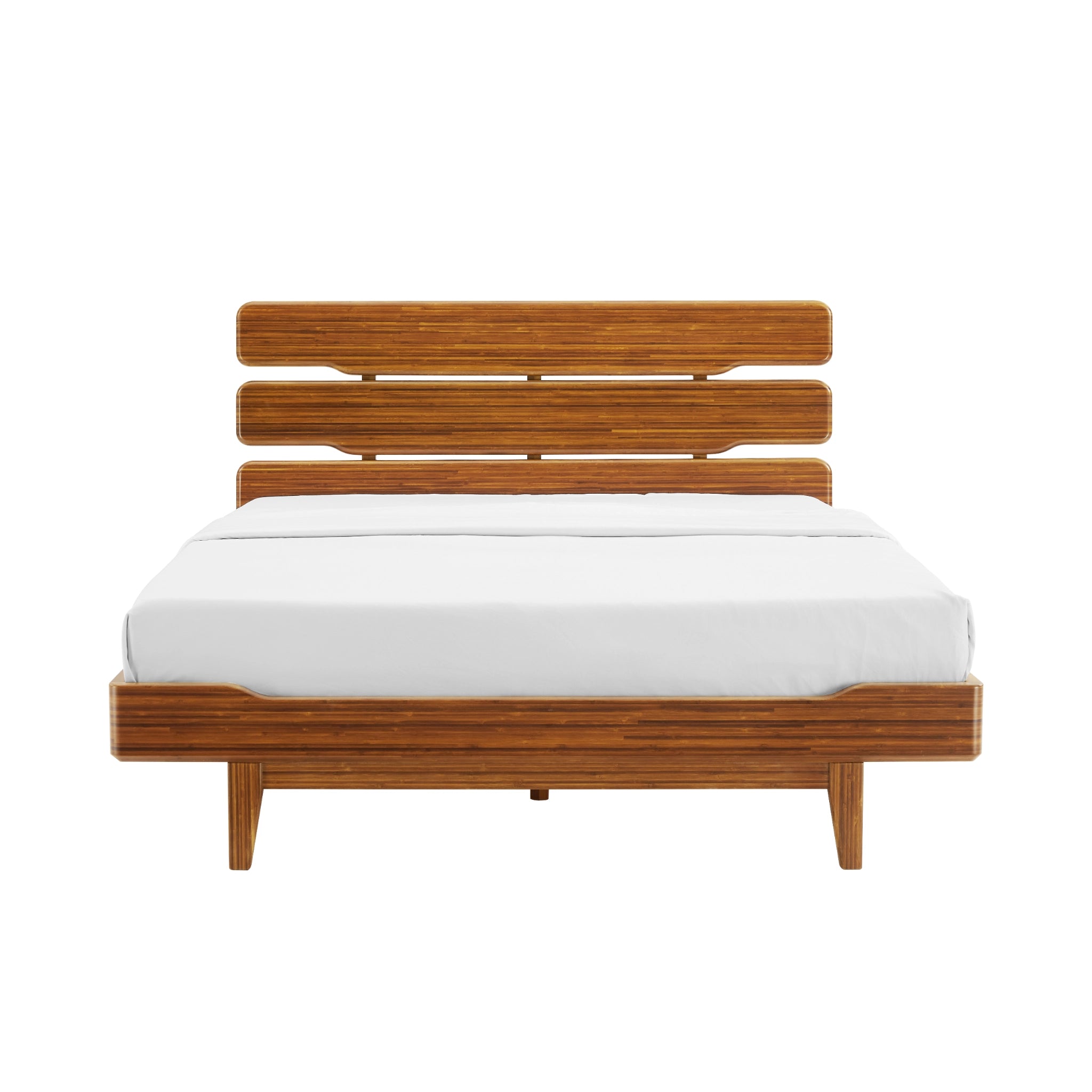

What a modern platform bed does to a room
A modern platform bed takes height out of the bedroom. The mattress rests on a solid deck or a run of close-set slats, so it needs no box spring and the frame can stay low. A traditional bed on a foundation can climb past twenty-eight inches. A platform sits closer to twelve inches. That missing height opens the wall above the headboard and makes the room feel larger than its square footage suggests. Of all the modern beds we carry, platform beds have the quietest silhouette.
What makes contemporary platform beds modern is restraint. Clean rails, no footboard, a headboard that stays low or leaves the wall bare. At night, with one lamp on, a low frame lets shadow pool on the floor, and the bed becomes a single horizontal line instead of a piece of furniture you have to look past.
How to choose a modern platform bed frame
Grain or fabric, and what each does at night
Material sets the mood more than shape does. Solid hardwood and bamboo bring warmth, and under lamplight the grain becomes the feature. They wear into patina rather than looking tired, which is why our wood platform beds are where most people start.
Fabric works the other way. It pads the largest surface in the room and absorbs sound instead of throwing it back, which matters in a bedroom with hard floors and bare walls. If that is the room you have, the upholstered platform beds will quiet it more than a rug will.
Platform bed frame support comes before style
The frame does the work a box spring used to do, so look at the underside first. Slats should sit about three inches apart, and anything from a queen platform bed up needs a center rail with legs down to the floor. Wider gaps let a mattress sag between them and can void its warranty. If a frame ships that way, a bunkie board closes them. A proper deck also lets air move under foam and hybrid mattresses, so moisture is less likely to settle.
How low a platform bed should sit
Low is the point, but low has a cost. A frame six or eight inches off the floor looks architectural and asks more of anyone with a bad knee. Measure to the top of the mattress rather than the frame, since a thick mattress adds inches the spec sheet never shows. If you read in bed, a platform bed with a headboard gives you something to lean against without raising the line.
Sizing a modern platform bed to the room
Size the room before the bed. The frame adds a few inches on every side of the mattress, so measure the footprint and leave about thirty inches of clear floor on each side. A queen mattress is sixty by eighty inches and suits most primary bedrooms. A king adds sixteen inches of width and earns it only when that walking room survives.
The common mistake is sizing to the mattress you want rather than the floor you have. A king squeezed into a room built for a queen looks smaller than it is. If the room passes the test, the king platform beds carry the extra width without getting tall.
A modern platform bed with storage, or a clean line
Drawers or a lift-up base buy real space, and they cost some of the height you came to a platform to lose. A frame on legs keeps the floor visible underneath, which is what makes a low bed look light. Choose storage if you reach under the bed every week. Choose the open line if you never do.
Where the room settles
Settle the room first, then the size, then the material, because on luxury platform beds the material is where most of the money goes. A good platform bed frame disappears once the bedding goes on and leaves a low, level line that gives a busy room somewhere to rest. If you still notice the frame after the first week, it was the wrong one.