

Wood Platform Beds
That item has been discontinued, but here are similar options.


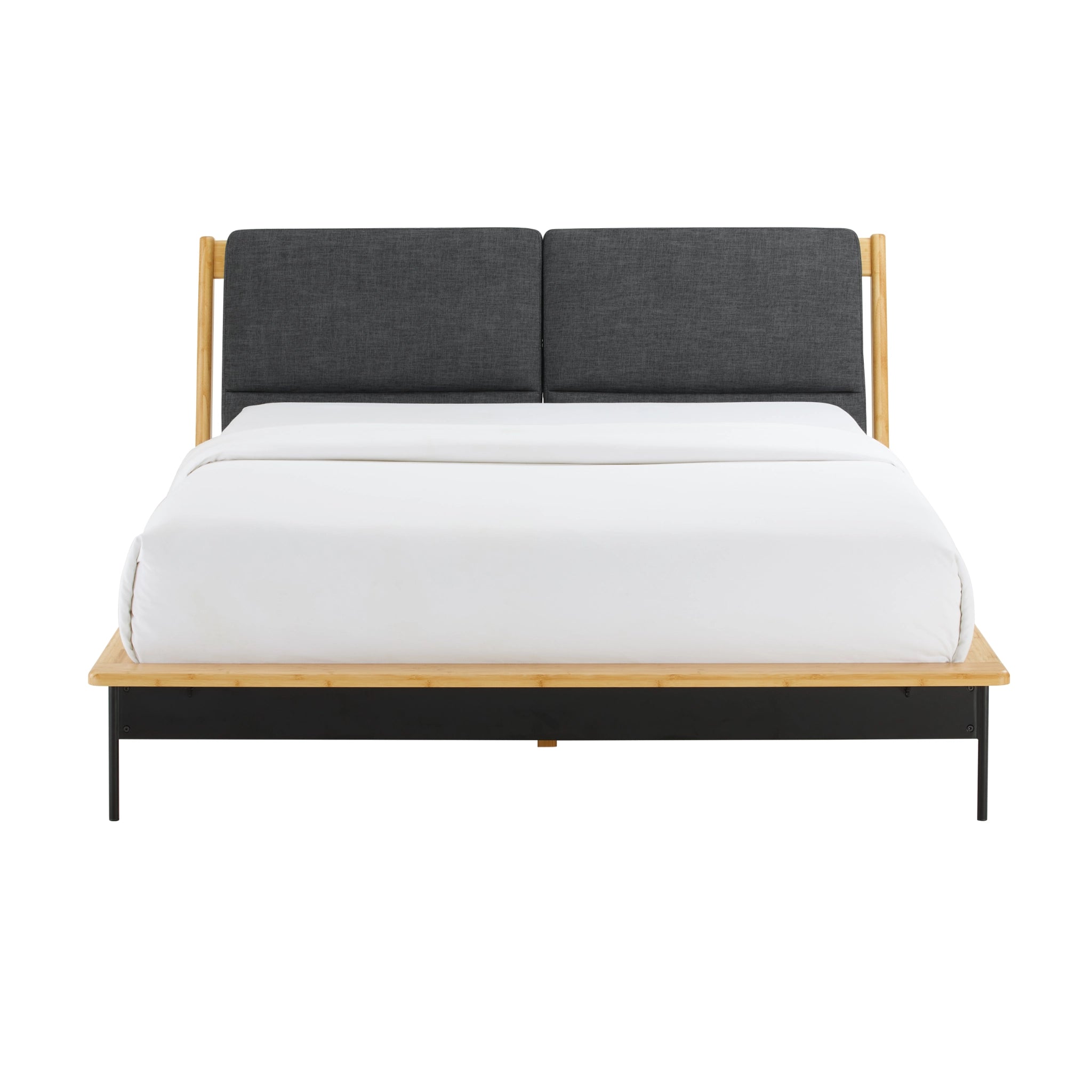

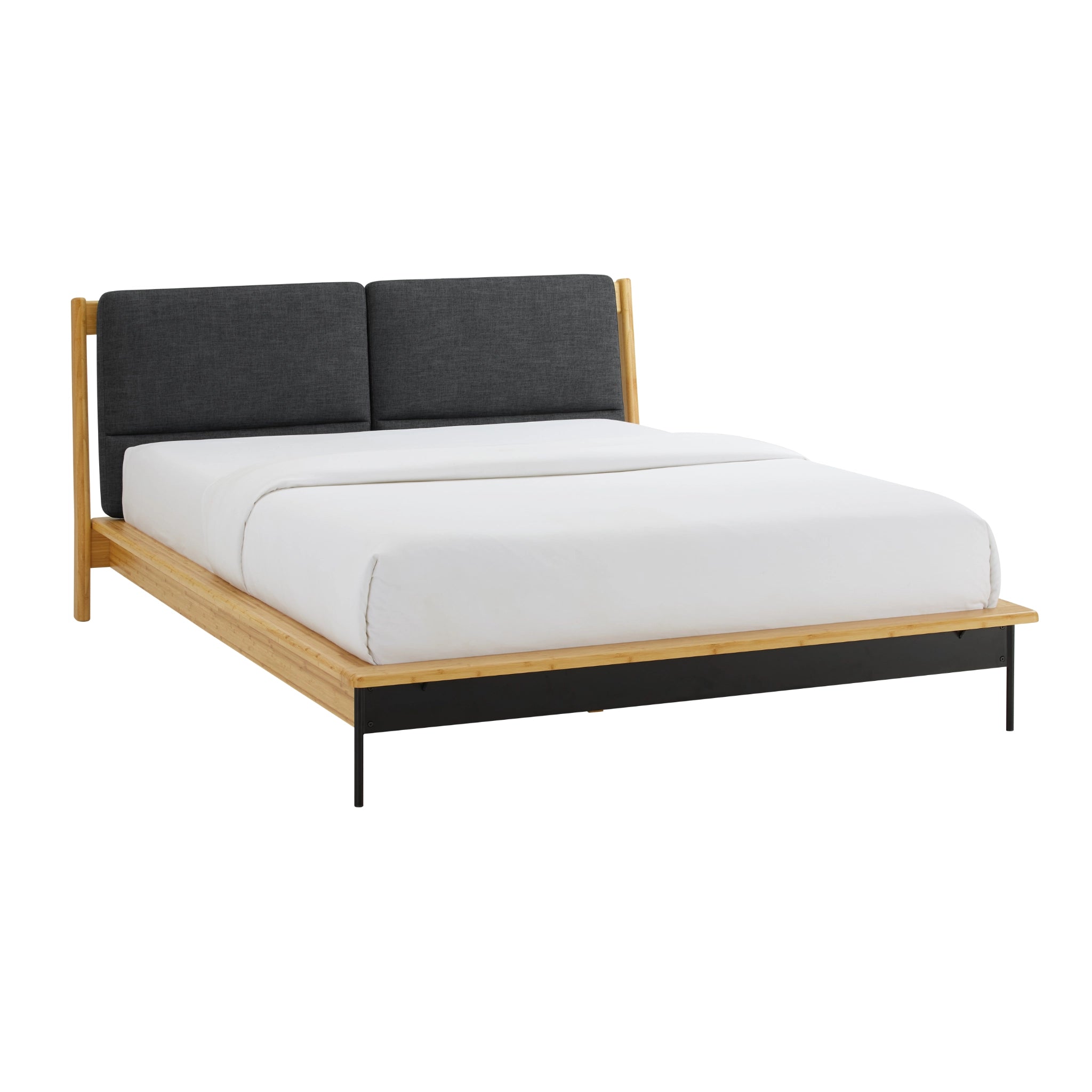

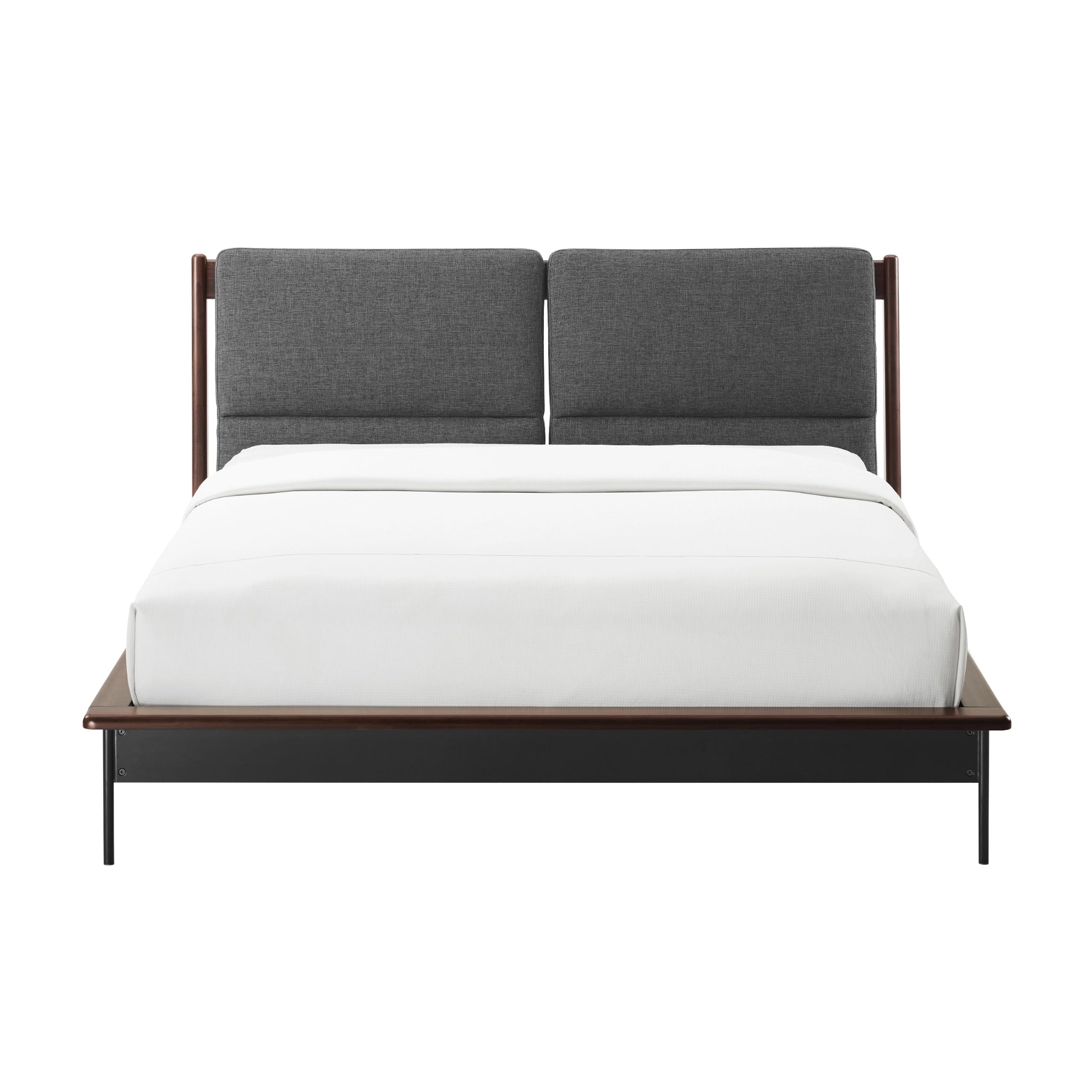


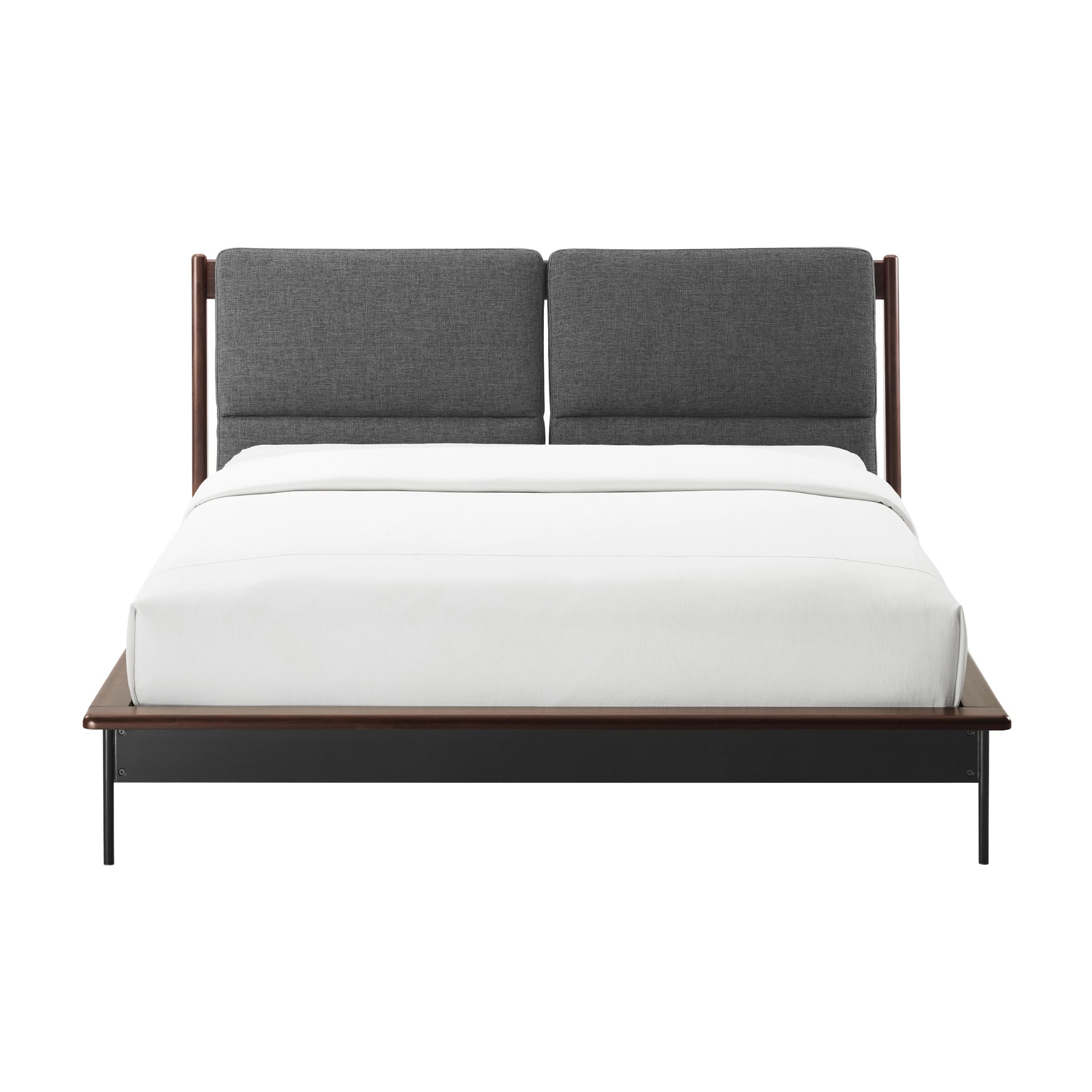





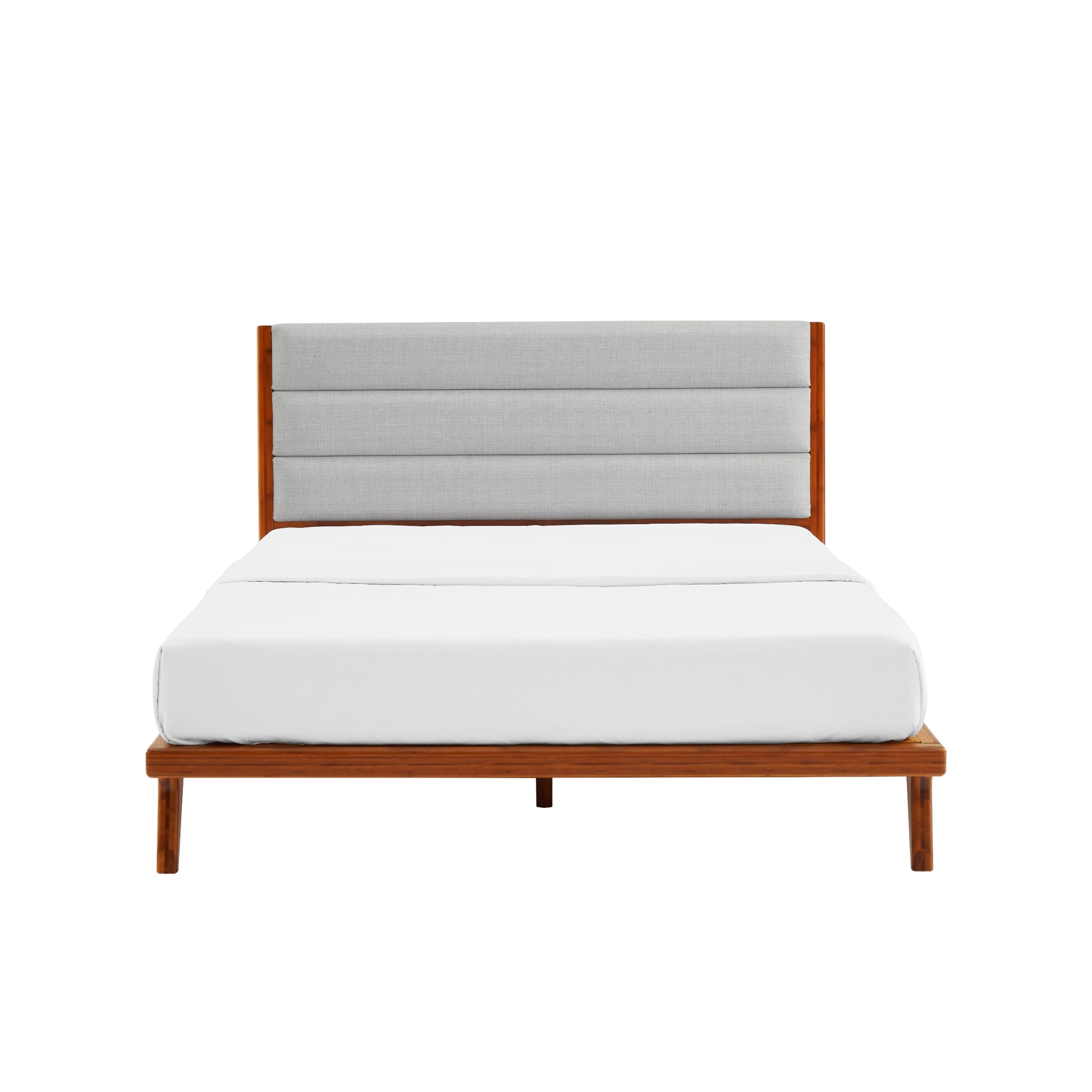

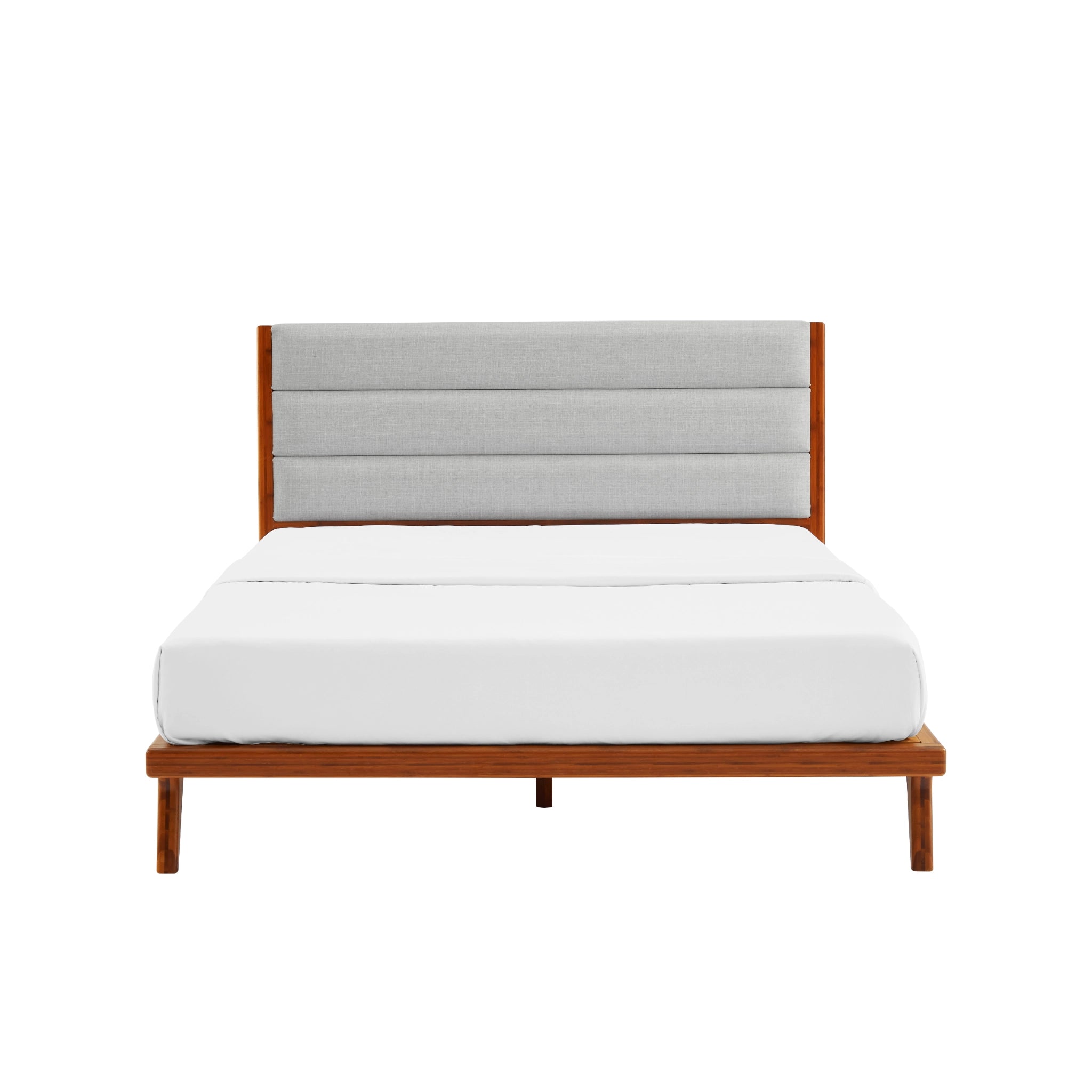

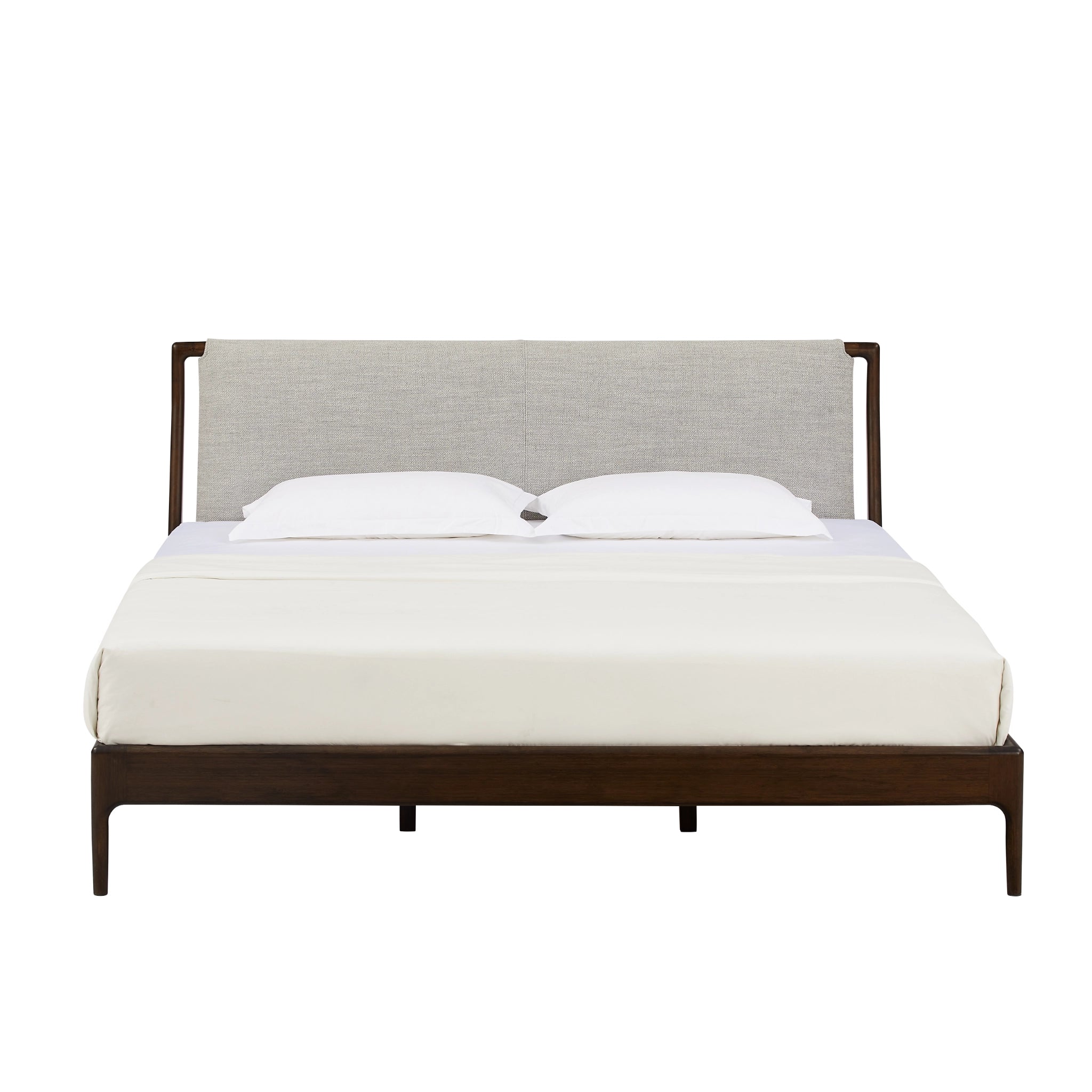

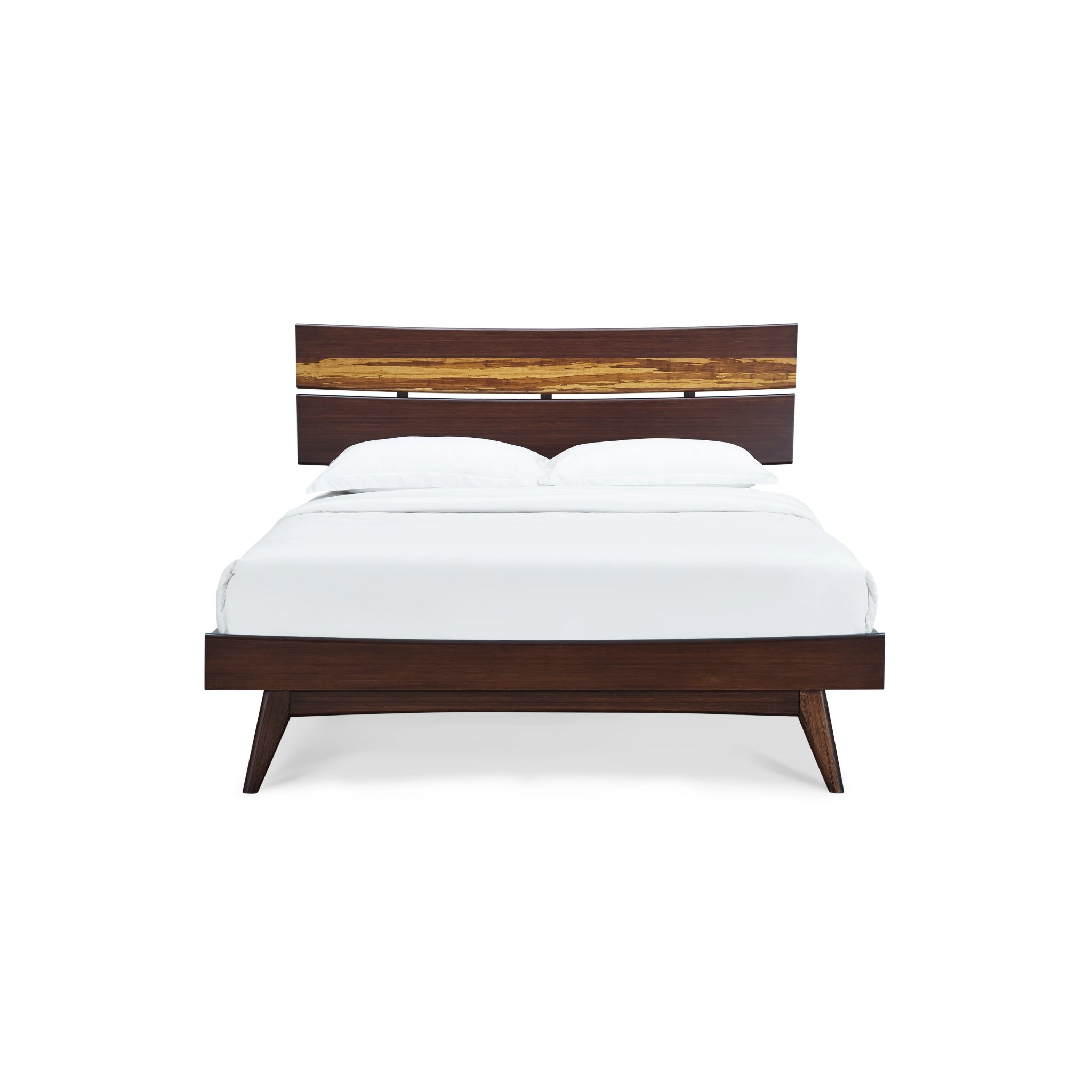

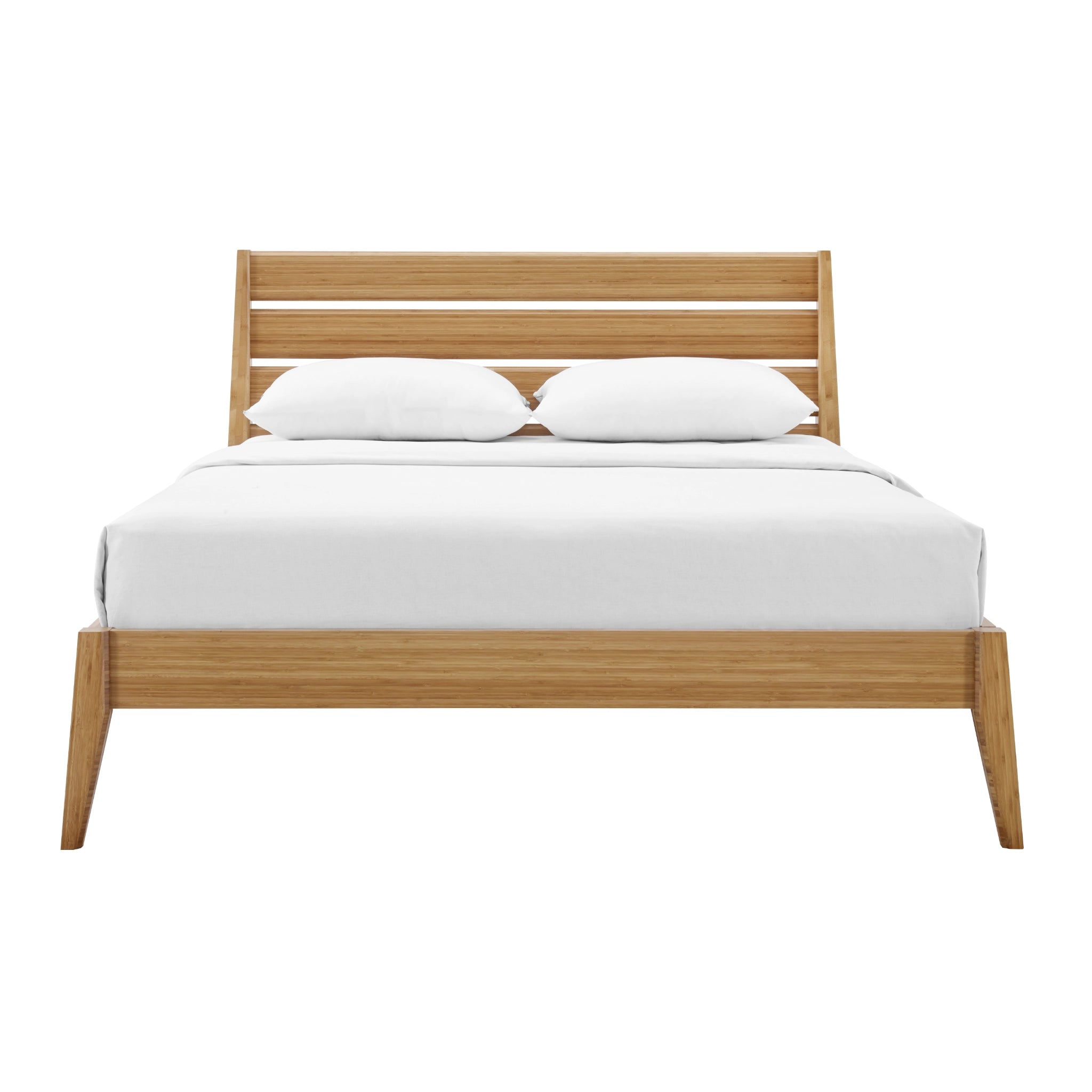

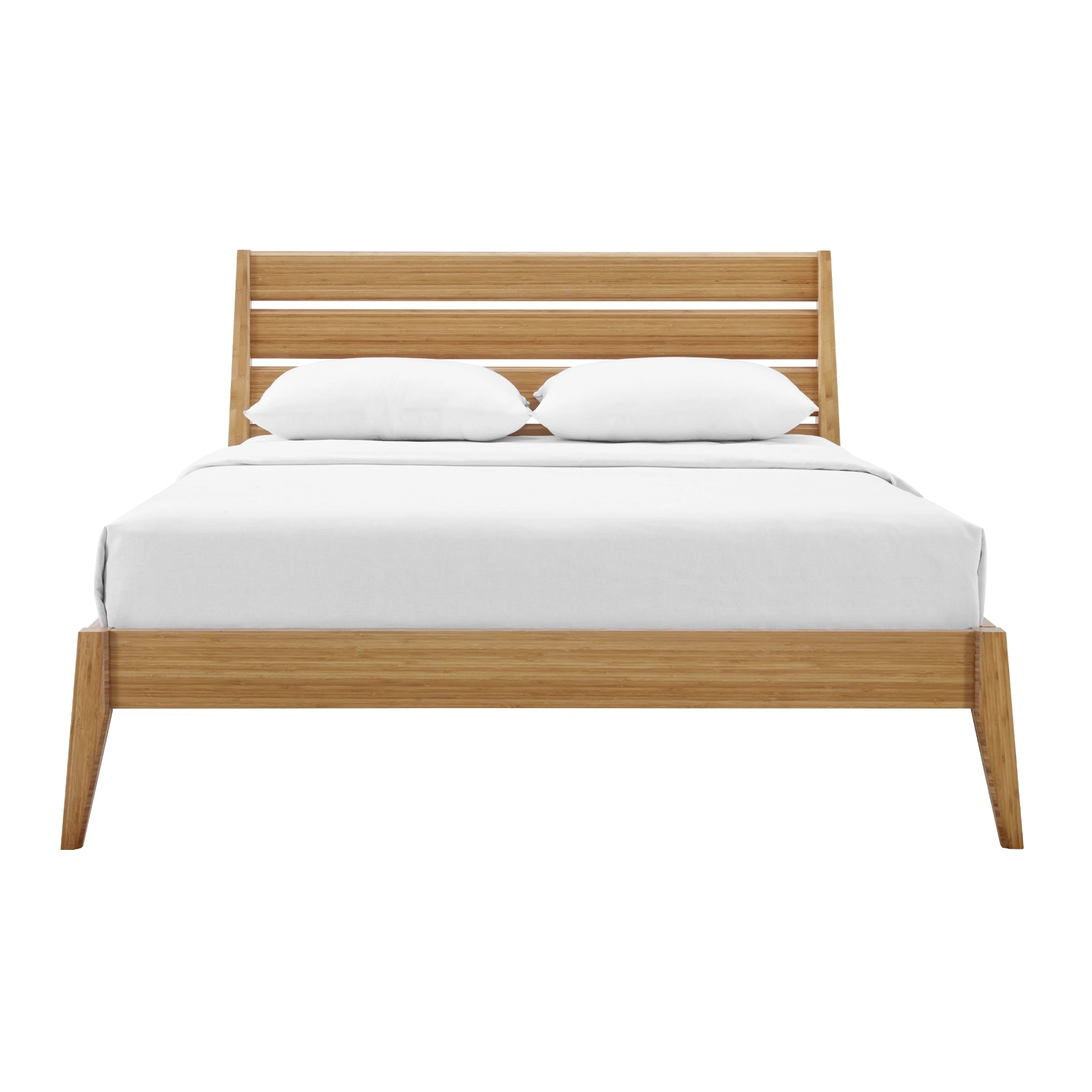

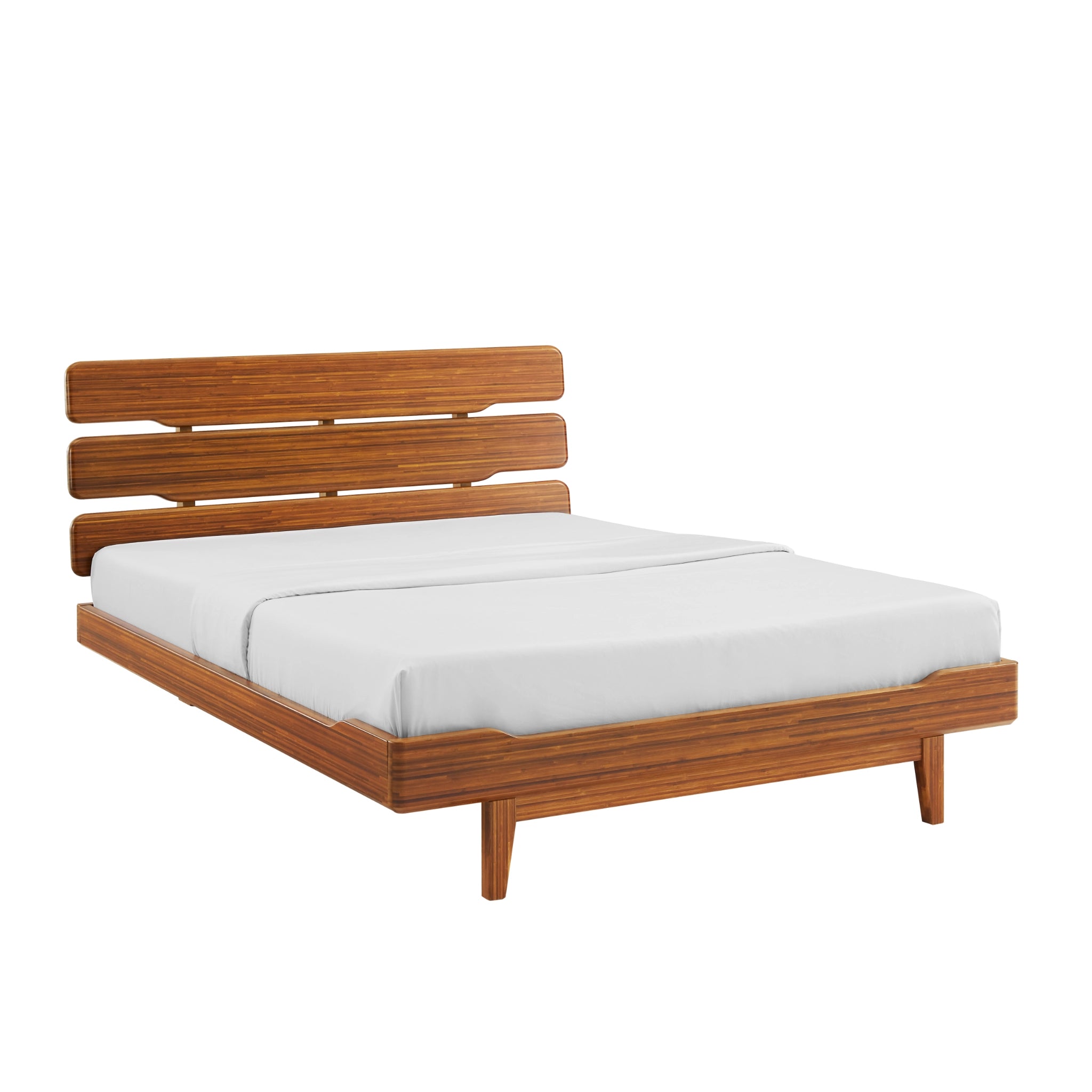

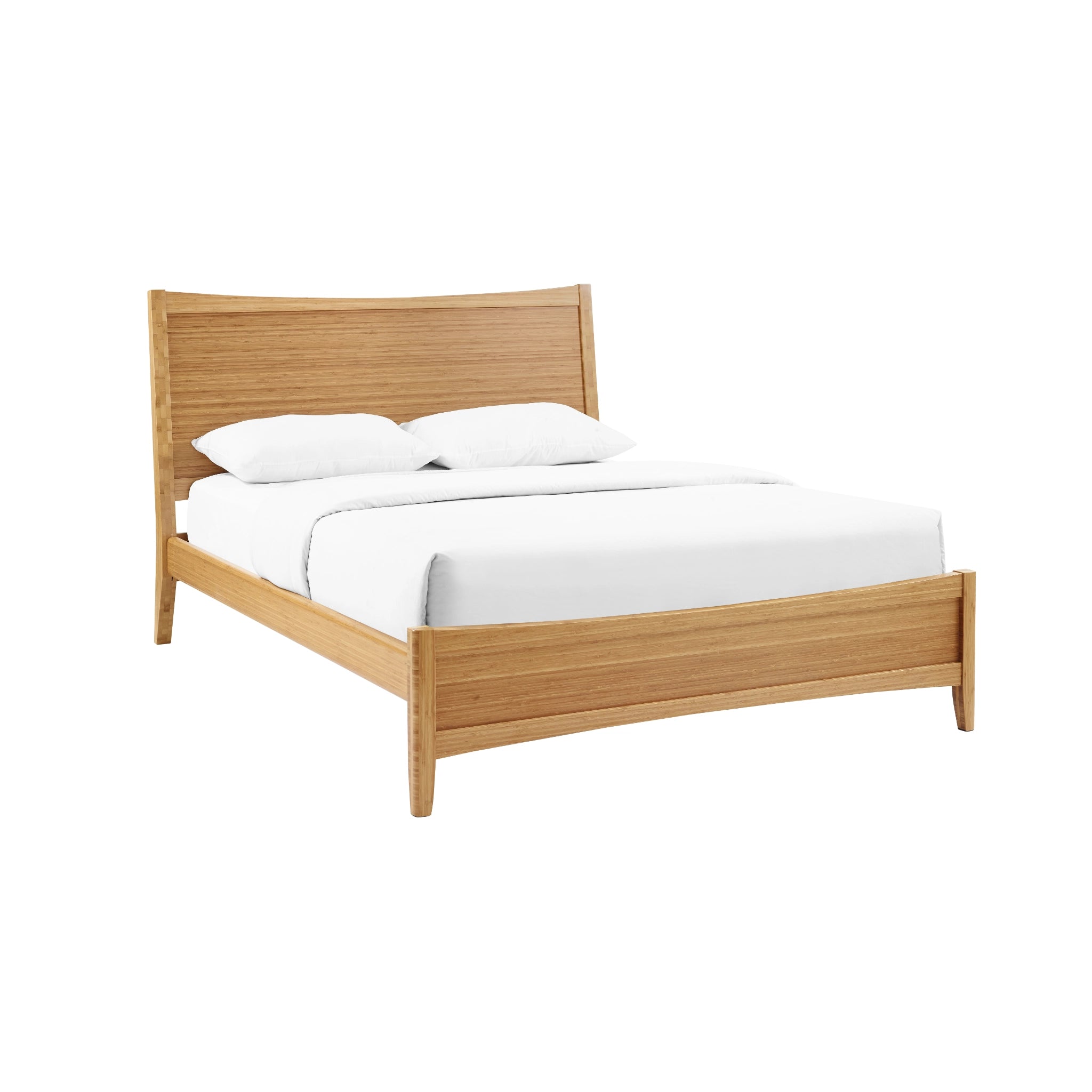











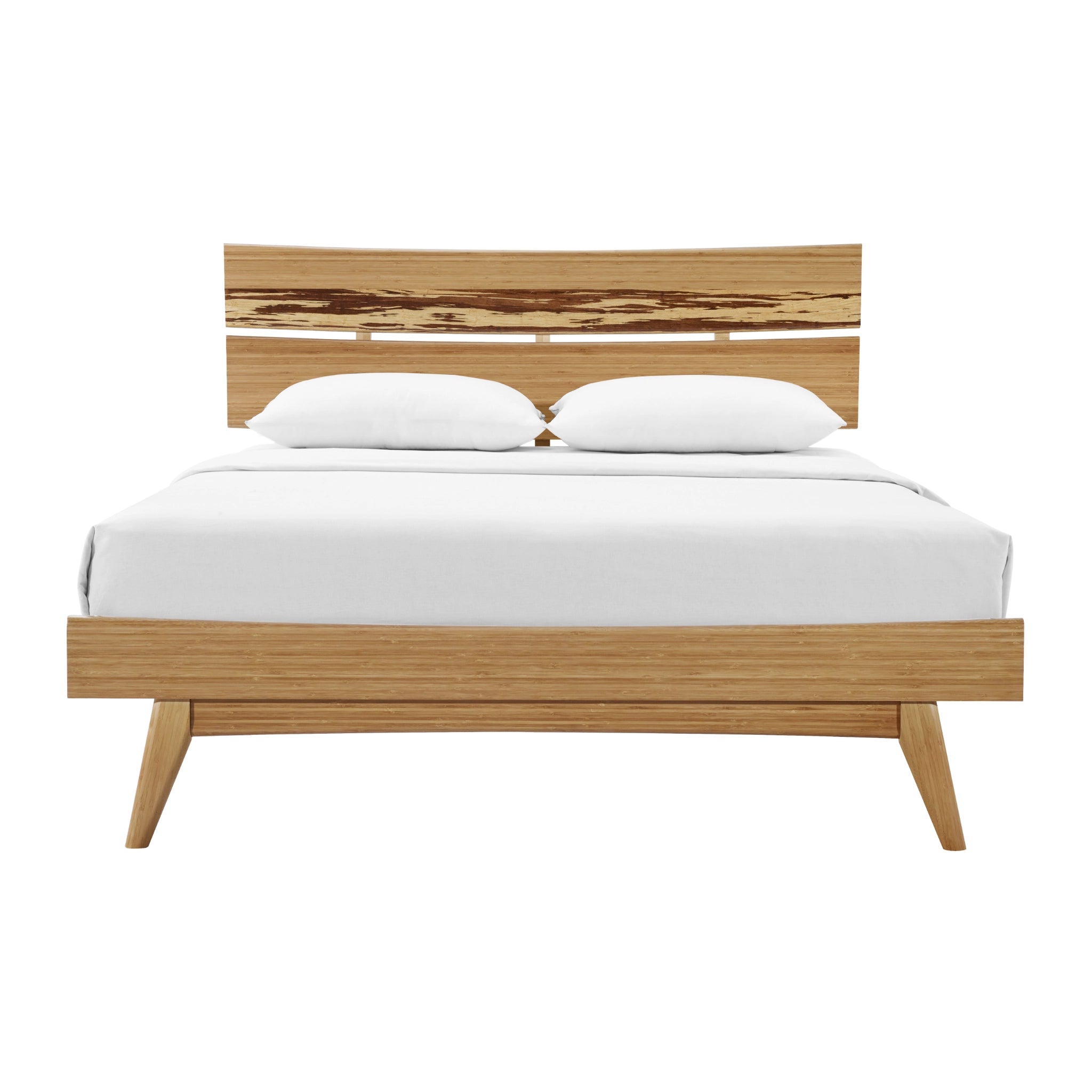

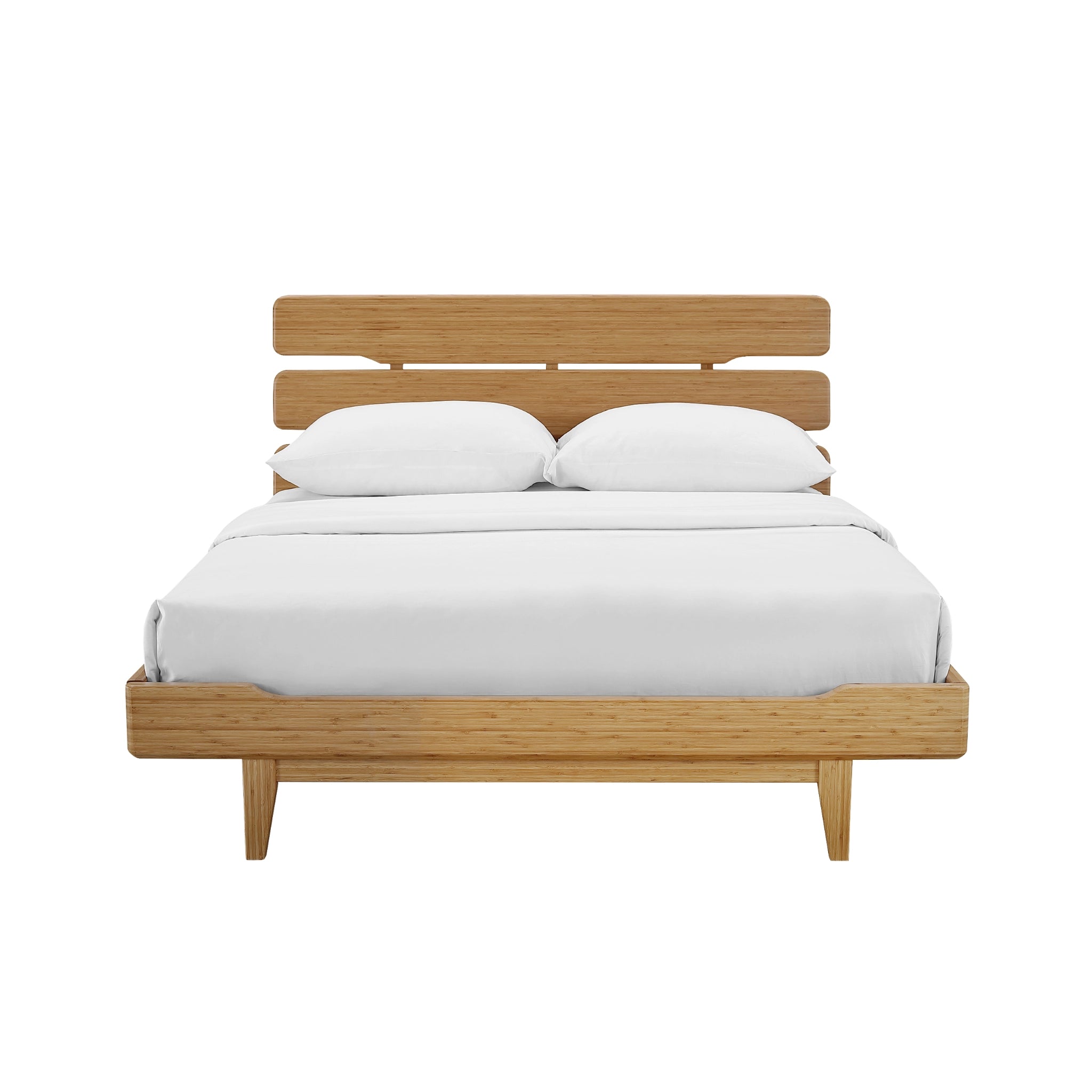

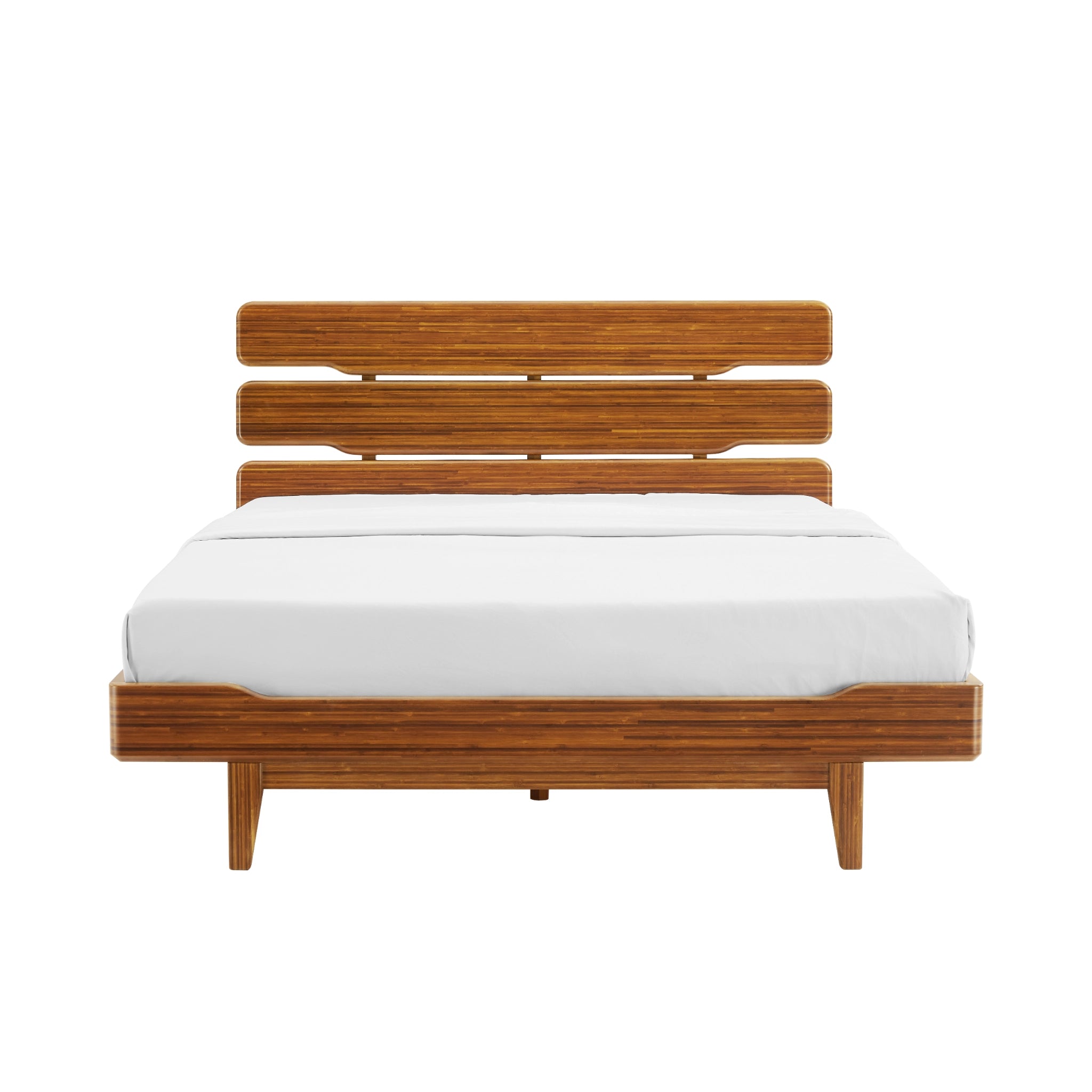

What wood brings to the lowest line in the room
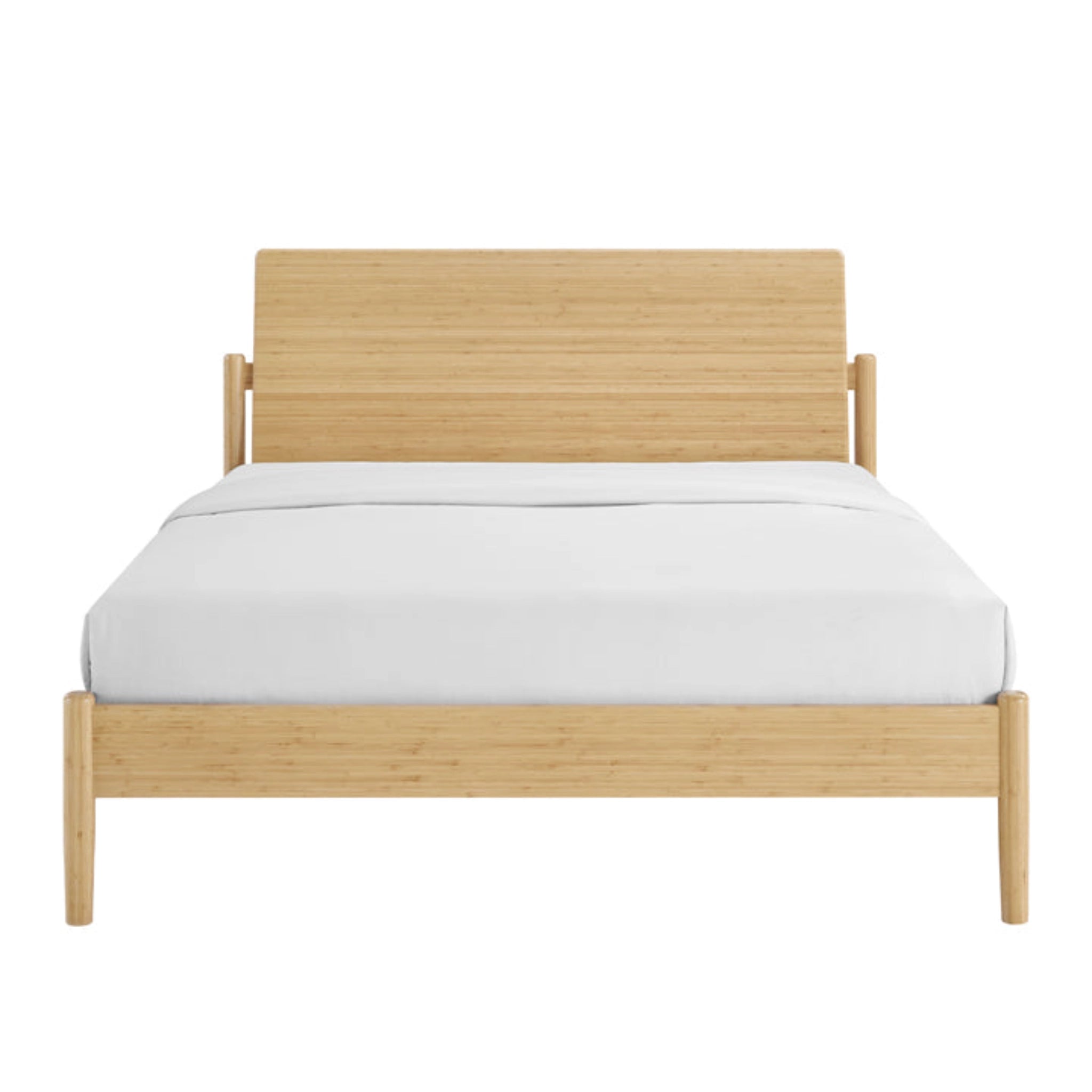
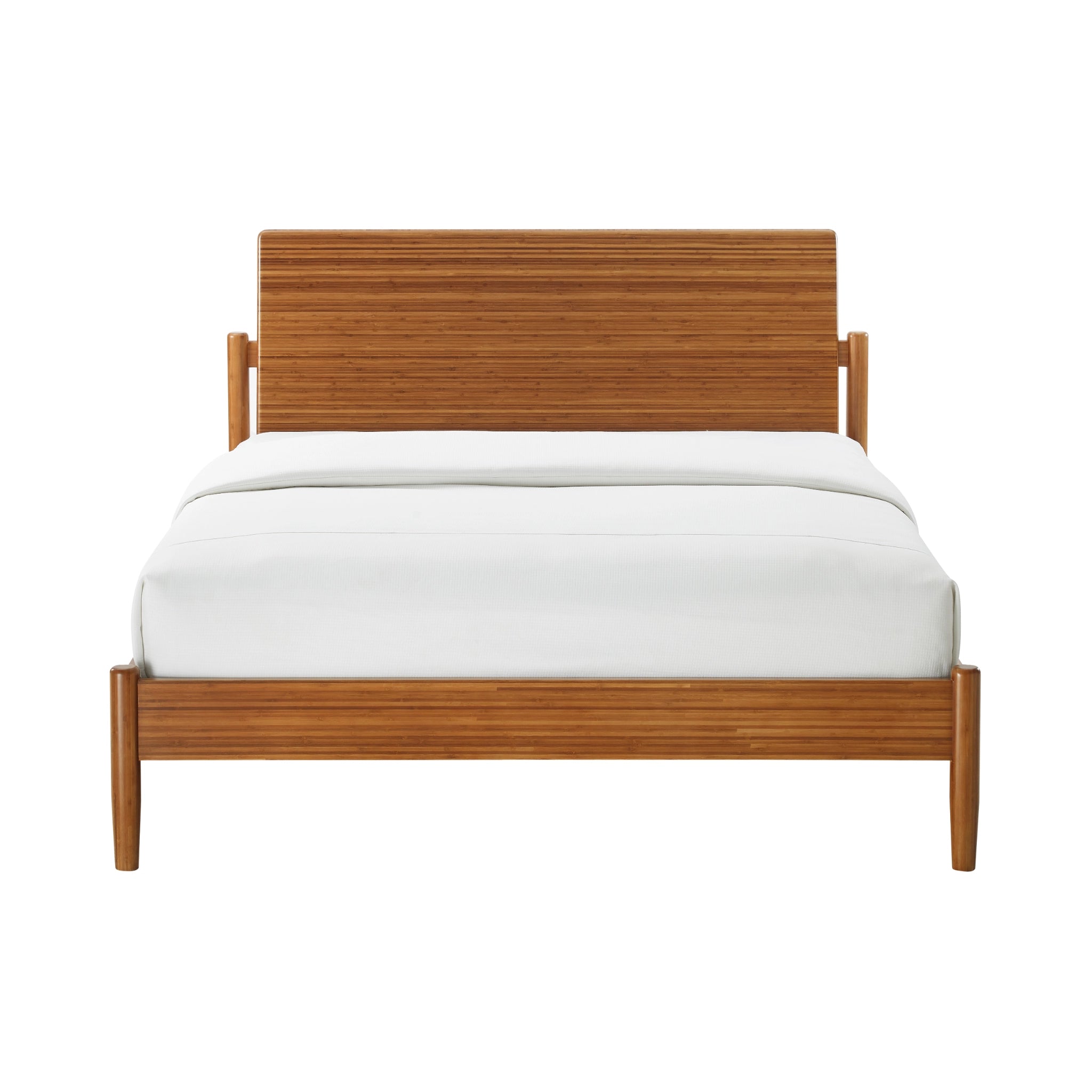
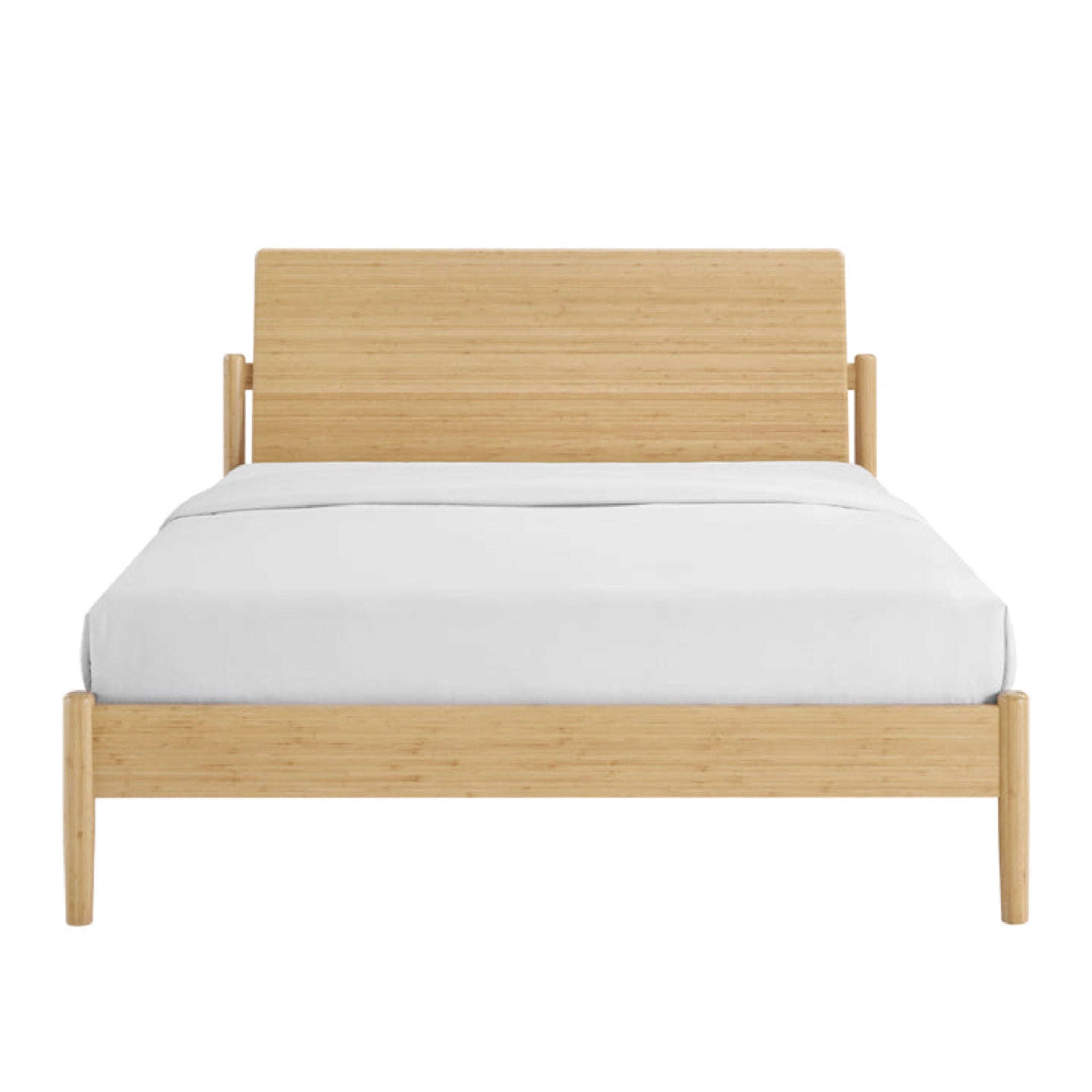
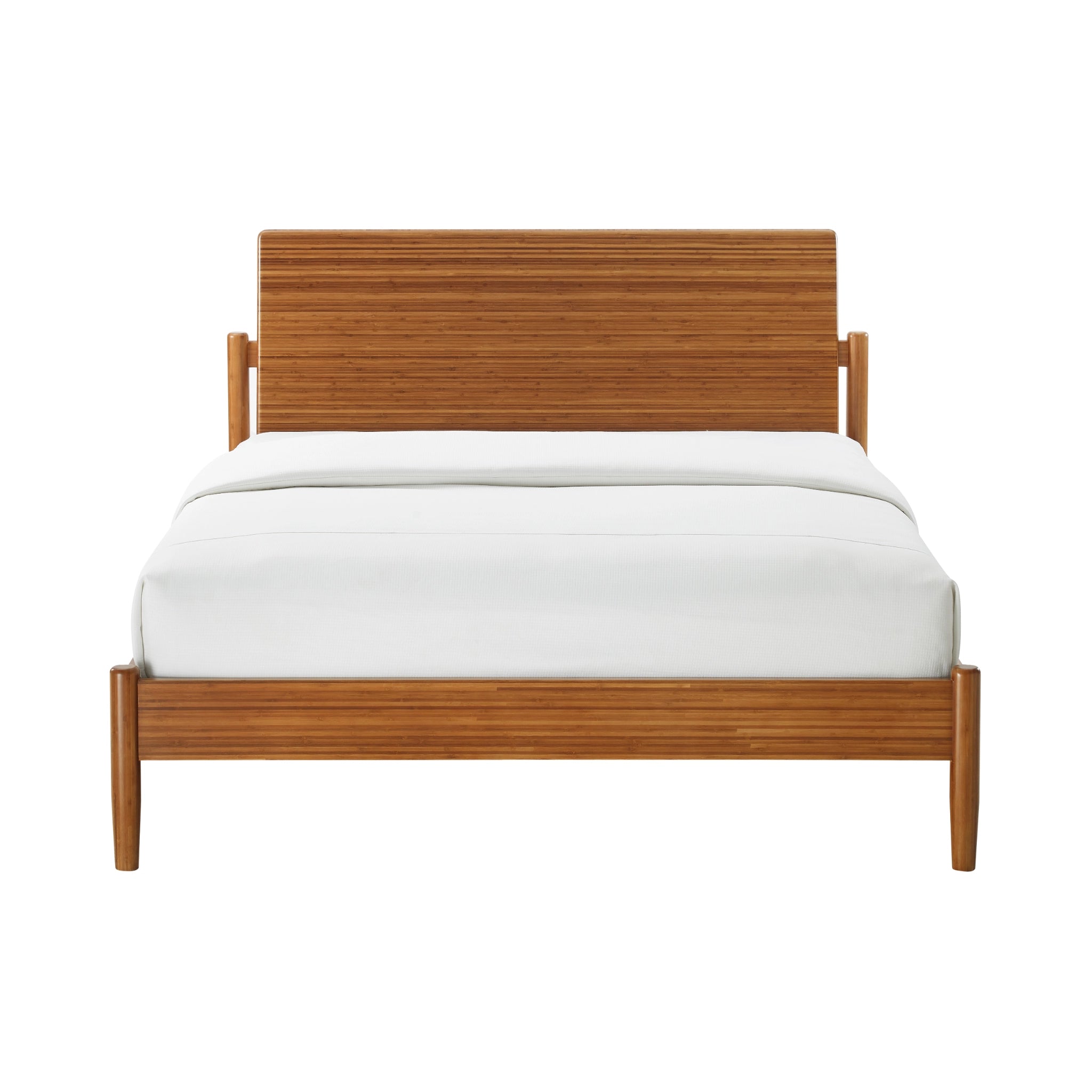
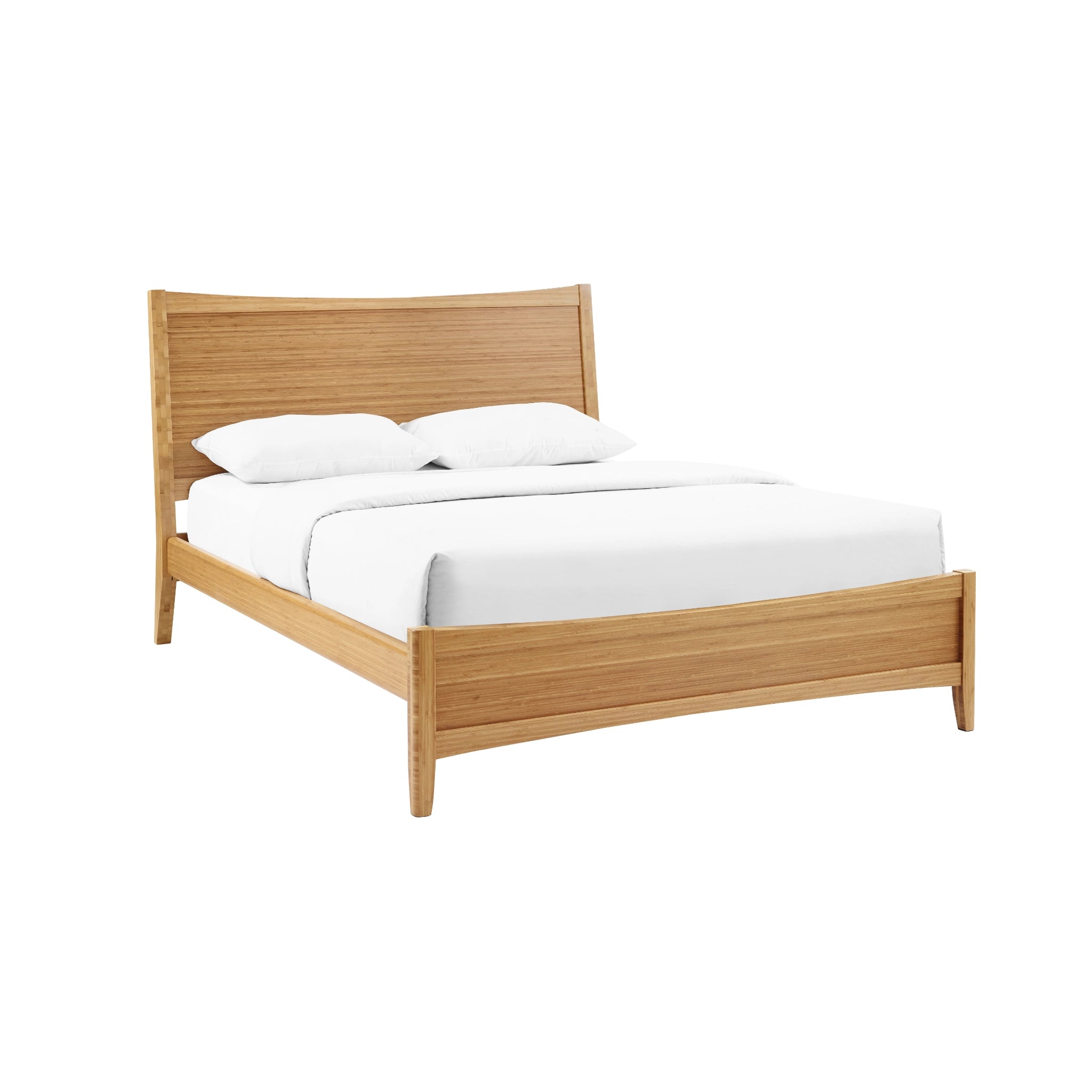
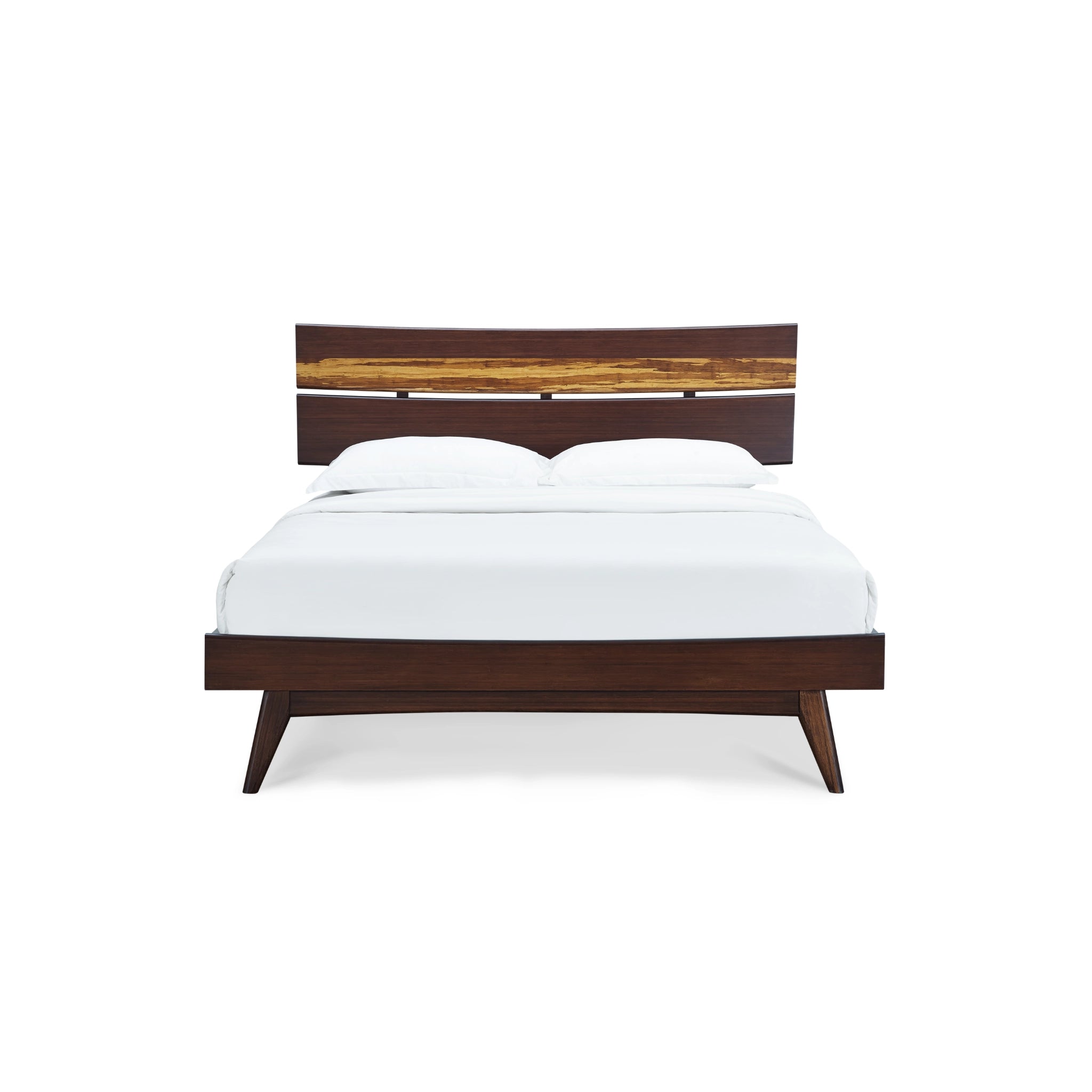
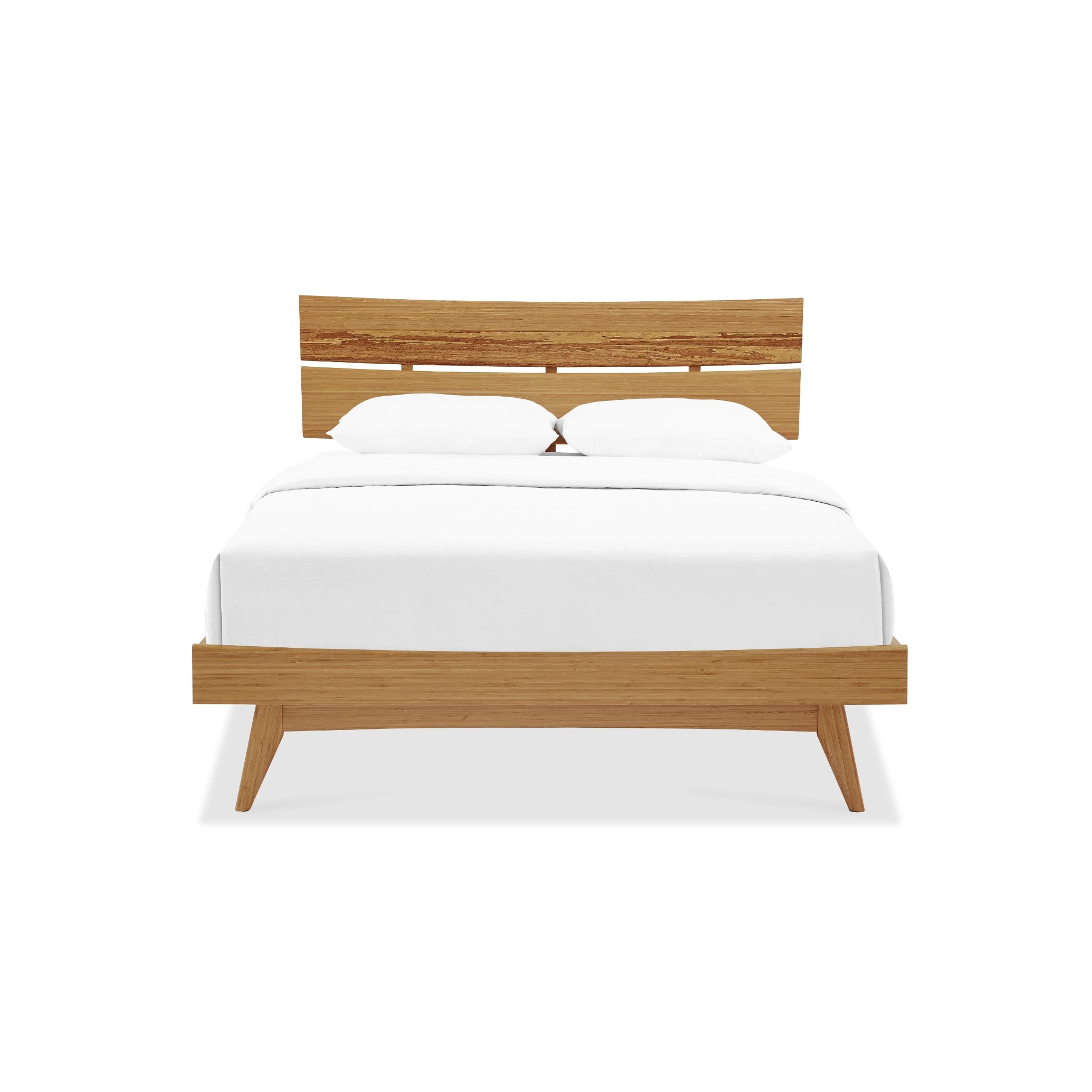
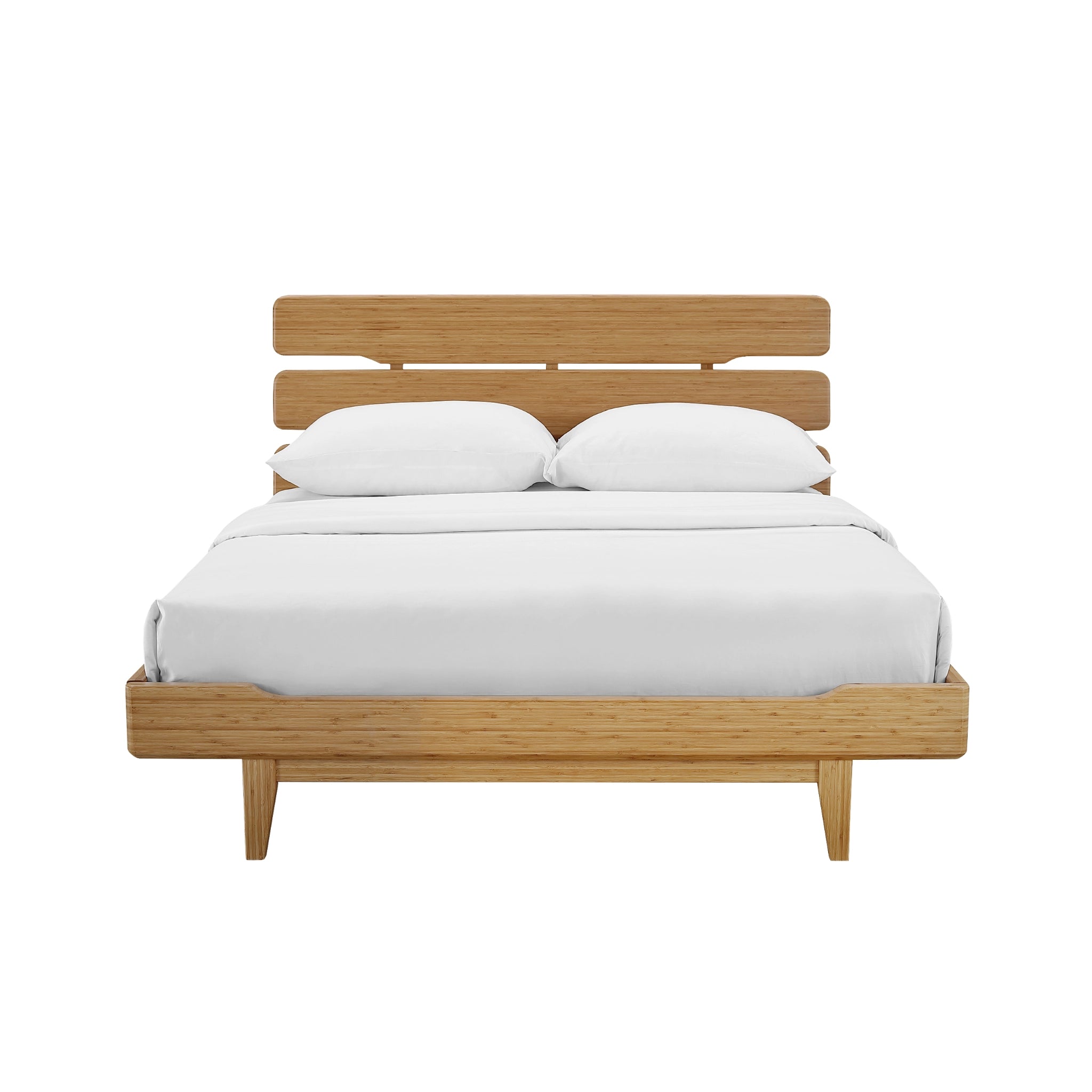
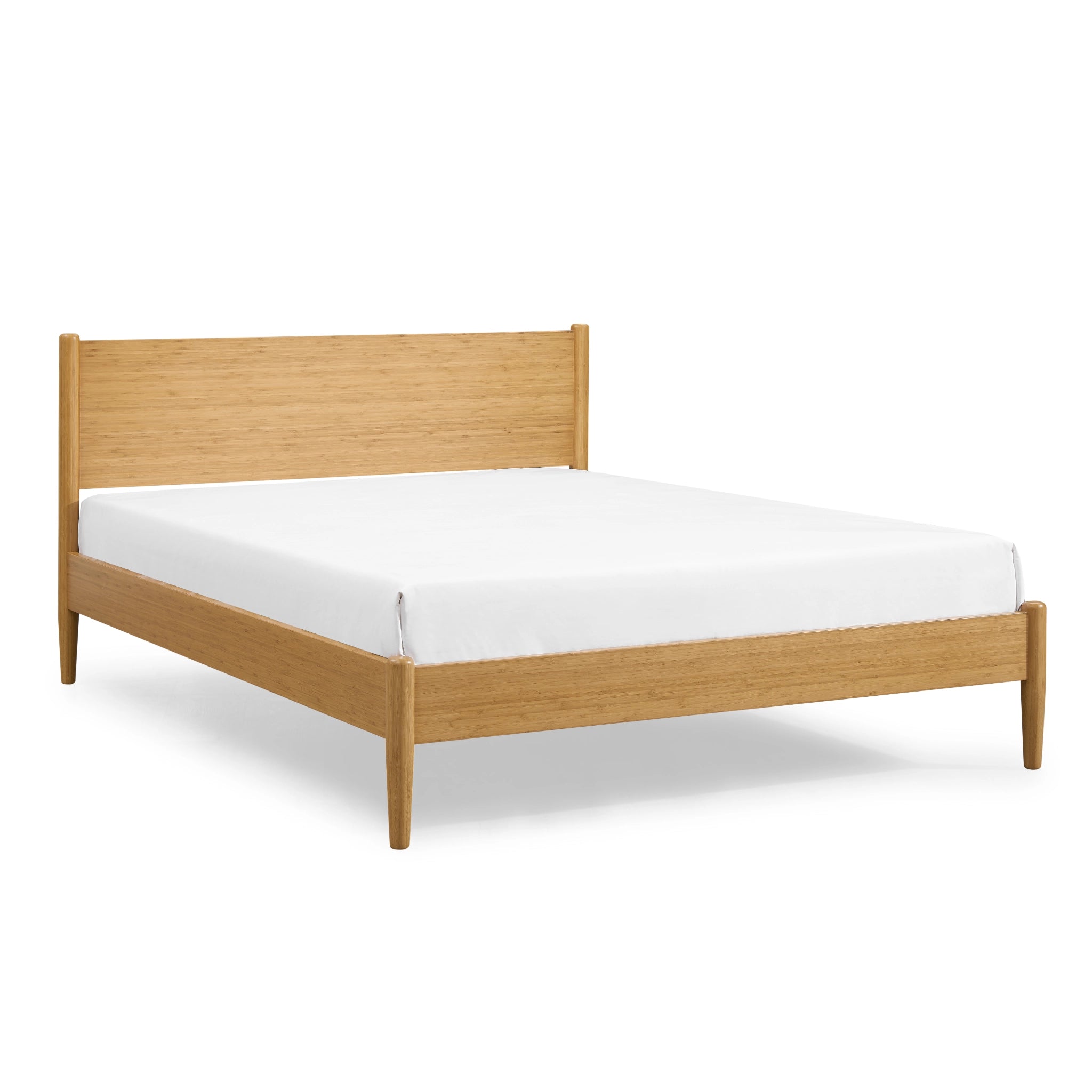
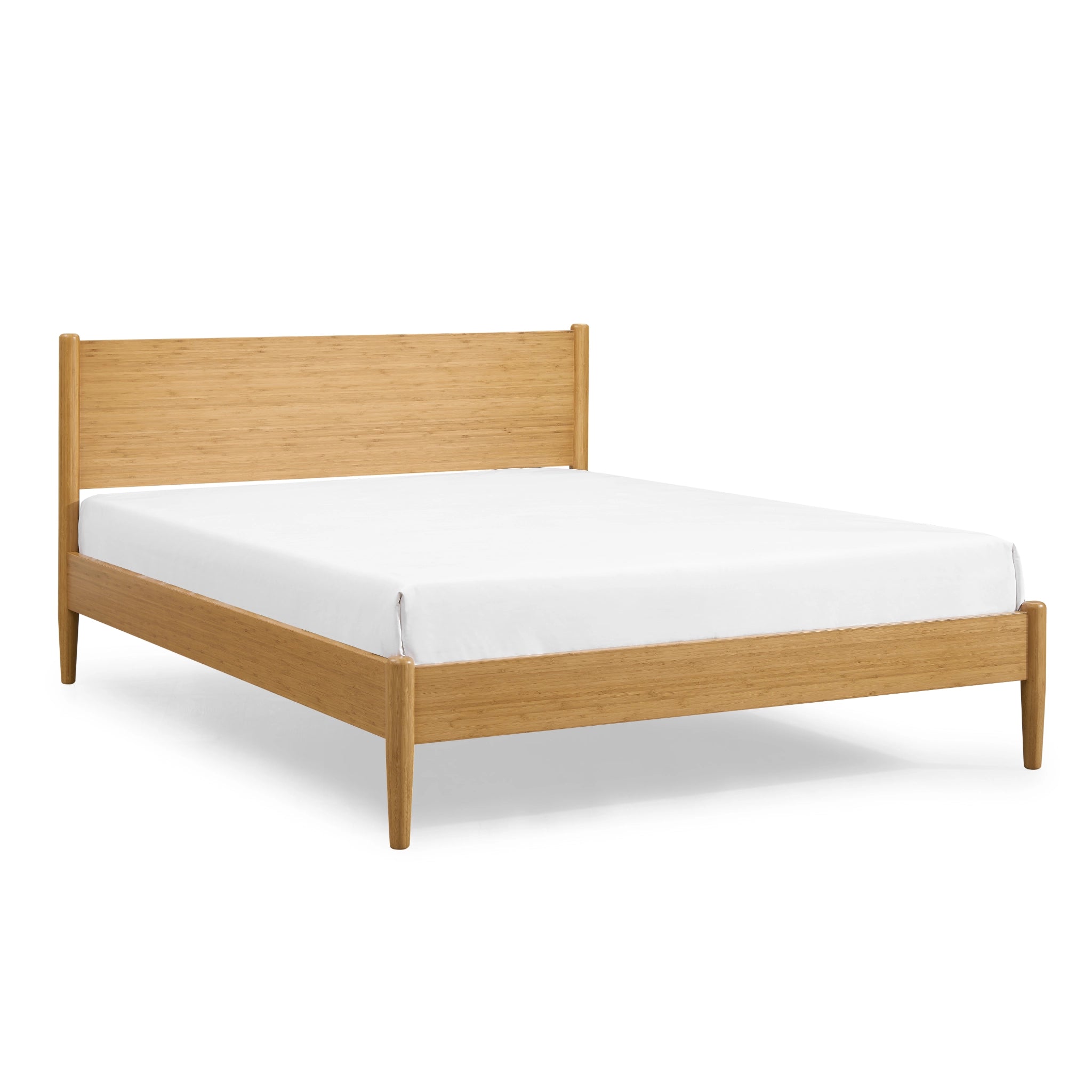
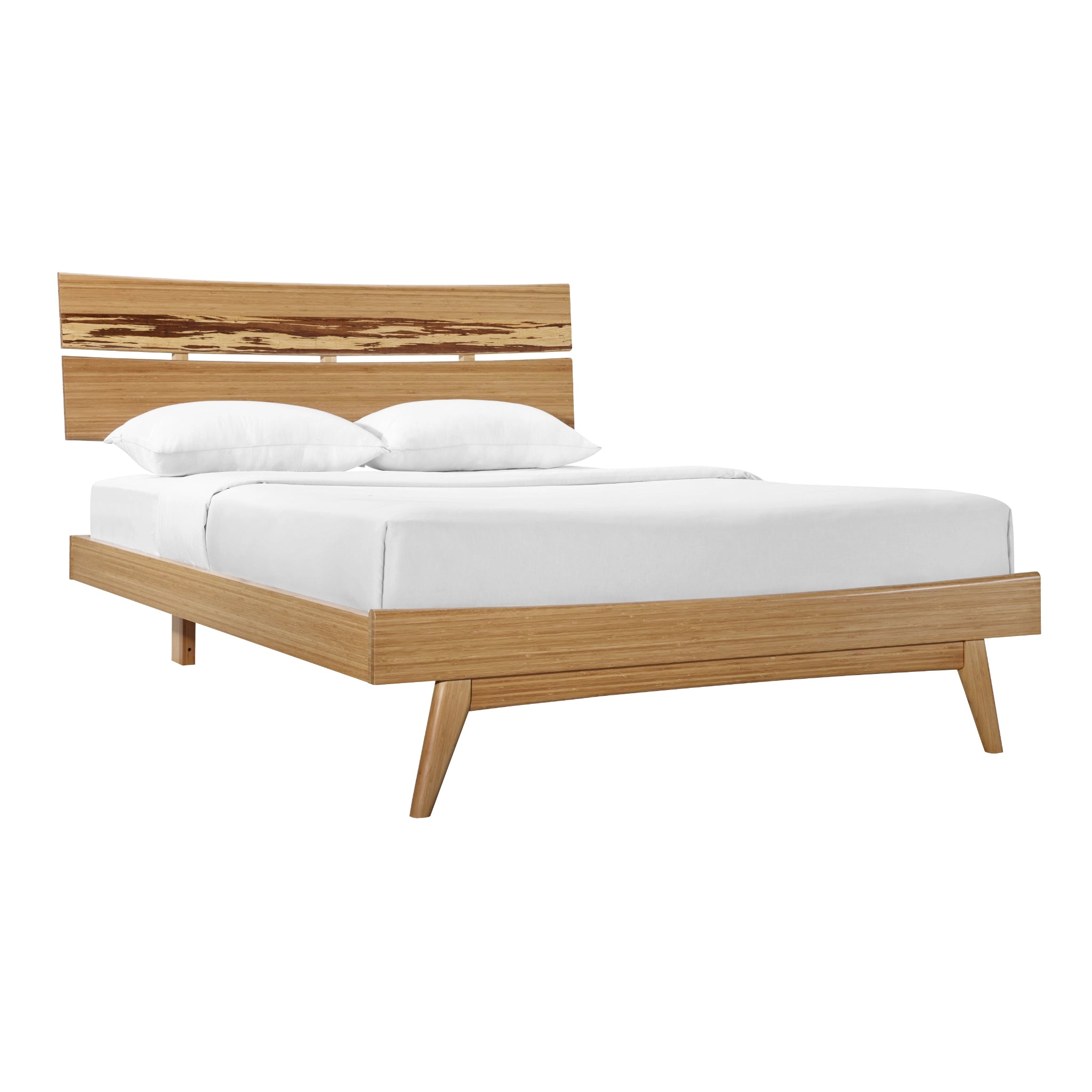
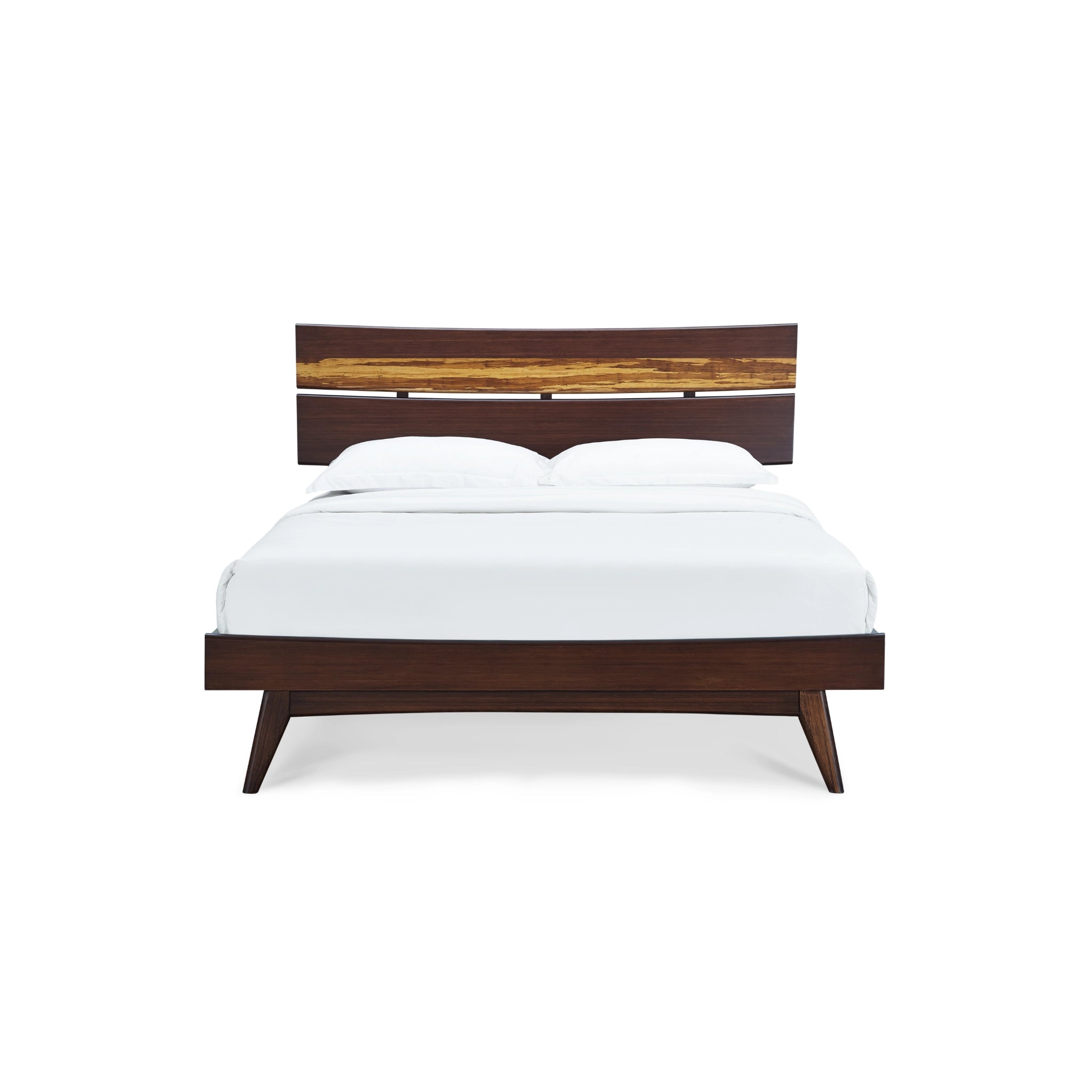
A wood platform bed puts grain and warmth right where the eye lands, along the low horizontal line near the floor. Under a bedside lamp the surface deepens, the joinery catches a little shadow, and a frame that could read as plain furniture starts holding the room together. A painted or upholstered bed recedes into the wall. Wood does the opposite, giving a light or neutral bedroom a warm center it was missing, and it does that with material alone, no pattern or color needed. It is the finish people reach for most often across our range of platform beds.
Solid wood, bamboo, and why the build matters
Not every wood bed is the same underneath, and the difference shows over years rather than weeks.
Solid hardwood
Oak, walnut, acacia, and pine take daily use and turn it into patina instead of wear. Edges soften, tone settles, and the frame usually looks better at year five than on the day it arrived. Solid wood also carries weight, which is part of the appeal, and a solid hardwood platform commonly supports eight hundred to over a thousand pounds once its center rail and legs are set.
Solid bamboo
Bamboo behaves like a fine hardwood but regrows in years rather than decades, so it is the more renewable choice on the shelf. It takes a warm caramelized or amber tone, shrugs off humidity better than many hardwoods, and sits at a lighter visual weight, which suits a room that wants warmth without bulk. If you like walnut but want something more forgiving underfoot, it rewards a closer look.
The veneer question
A veneer wraps a thin layer of real wood over engineered board. It can look right on day one, but once that surface wears it wears through, and it cannot be sanded back the way solid stock can. For a bed you plan to keep a decade, ask whether the frame is solid or veneered before anything else.
The base, and no box spring
A wood platform holds the mattress on a solid deck or on slats spaced about three inches apart, so no box spring is needed. That keeps the frame low and lets the wood, rather than a fabric-wrapped box, define the line at the floor. Close slats and a center rail also steady the feel of the mattress and let air move underneath, which helps foam and hybrids run cooler. If a frame ships with wide gaps, a bunkie board closes them without adding much height. The mistake to avoid is hiding good wood under an unnecessary box spring that lifts the bed and breaks the low silhouette you paid for.
Styling wood so it reads warm, not heavy
A deep wood frame paired with equally dark bedding and heavy curtains can turn a corner murky once the sun drops. Let the wood be the warm note and keep the layers around it lighter, so the grain has something to sit against. Pale linen, one textured throw, and a warm bulb pull the wood forward instead of letting it disappear. If the frame you like sits on tapered legs, it crosses into mid-century modern platform bed territory, where that small lift keeps all the wood from feeling planted on the floor.
Tone, finish, and how the wood ages
Two frames in the same species can read differently depending on finish. An oil or matte finish keeps the grain open and tactile and lets the wood warm over time, while a lacquer seals it under a slight sheen that resists spills but hides some of the texture. Lighter tones like natural oak and caramelized bamboo keep a room feeling airy, the same way they lift the mood across our modern beds; deeper walnut grounds a space and reads richer after dark. Whichever you choose, a solid frame improves rather than degrades. The color deepens, the surface softens where hands and sheets pass over it, and small marks settle into character instead of damage. A quick wipe and the occasional refresh of oil is most of the care a solid wood bed ever asks for.
Sizing wood to the room
Grain rewards a larger surface, so a bigger bed shows more of what you are paying for, as long as the floor can hold it. A queen platform bed suits most primary bedrooms and still shows plenty of figure, while a king wants a genuinely large room and a center support to carry the span. Buy the solid piece, place it against lighter layers, and the grain becomes the part of the room that keeps improving with age.