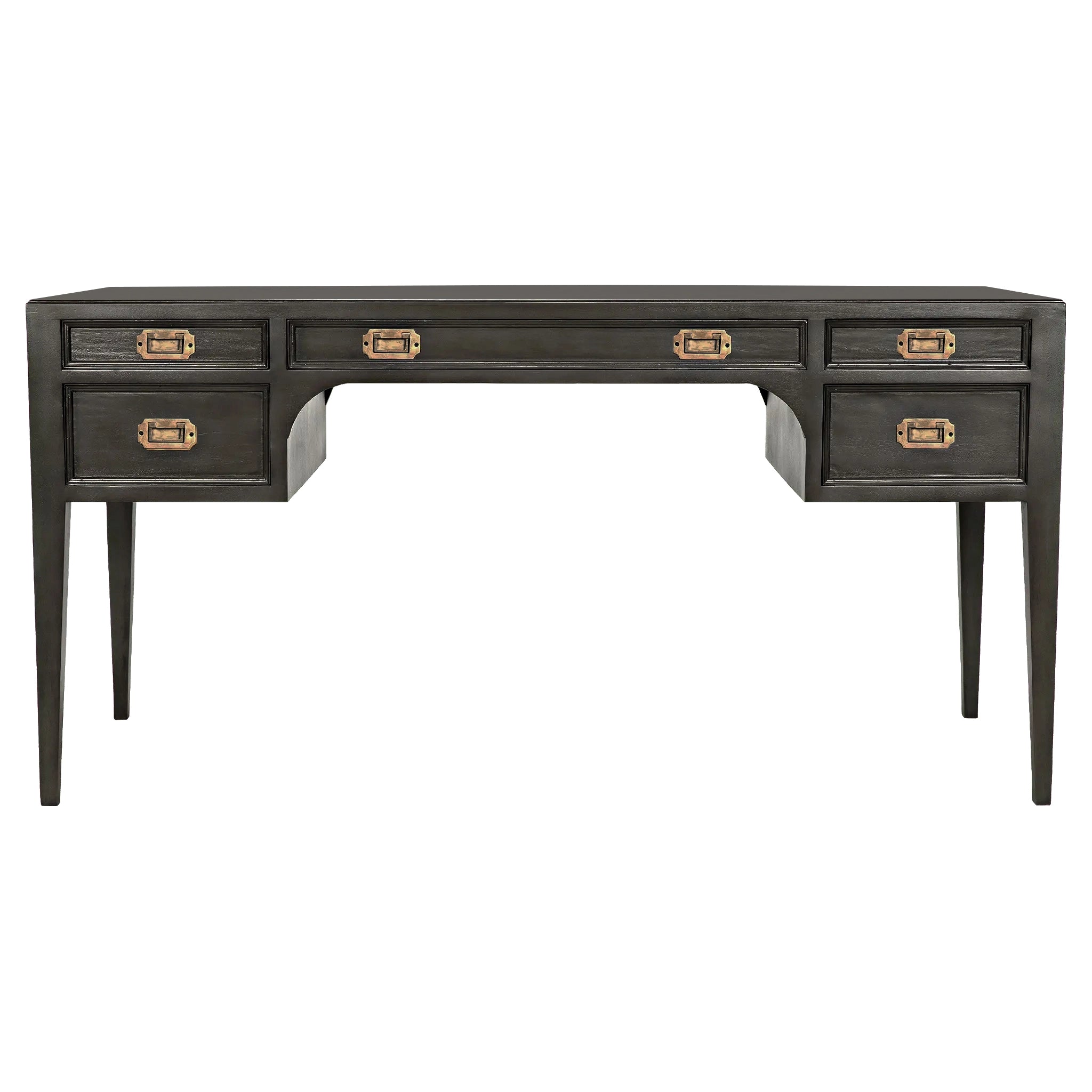
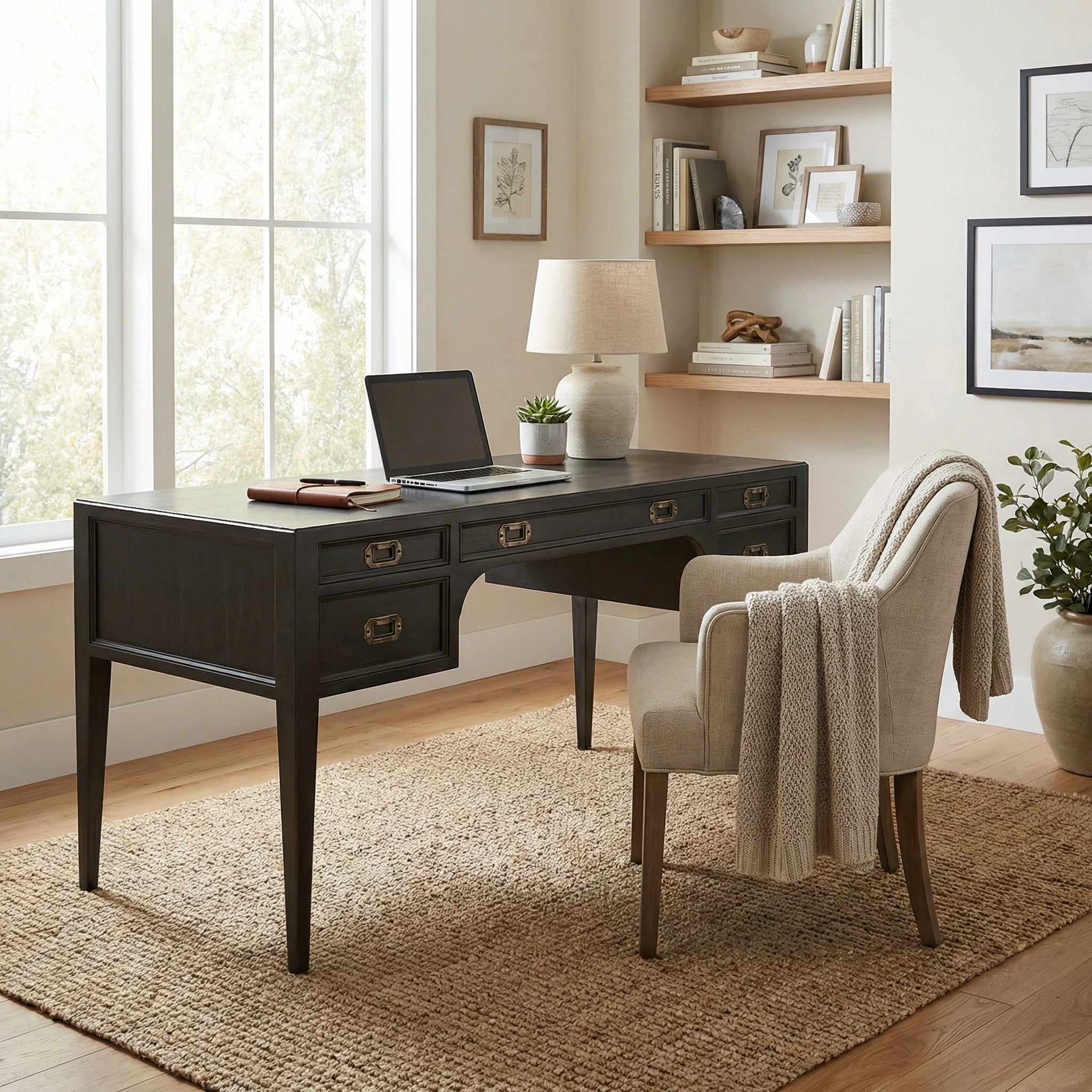
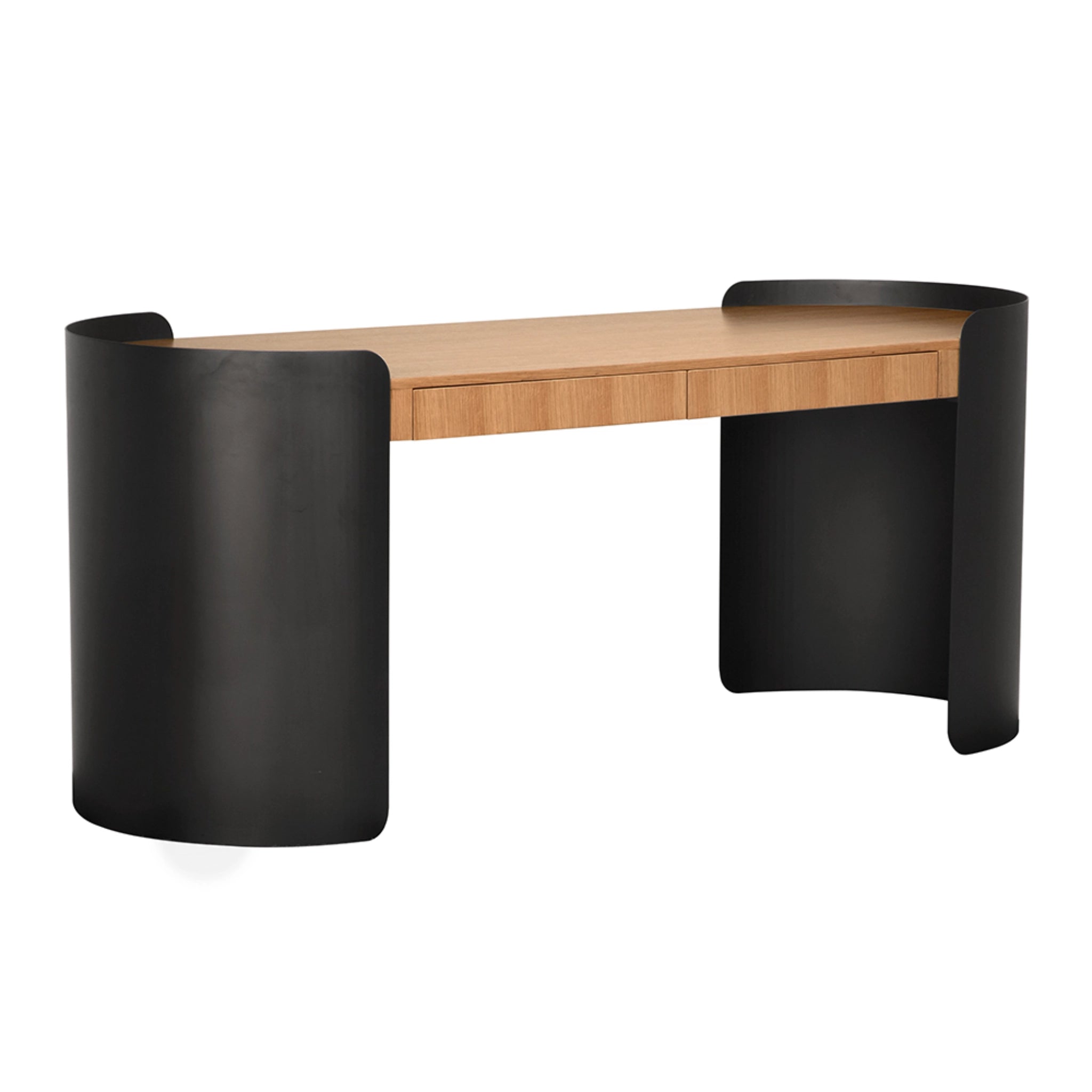
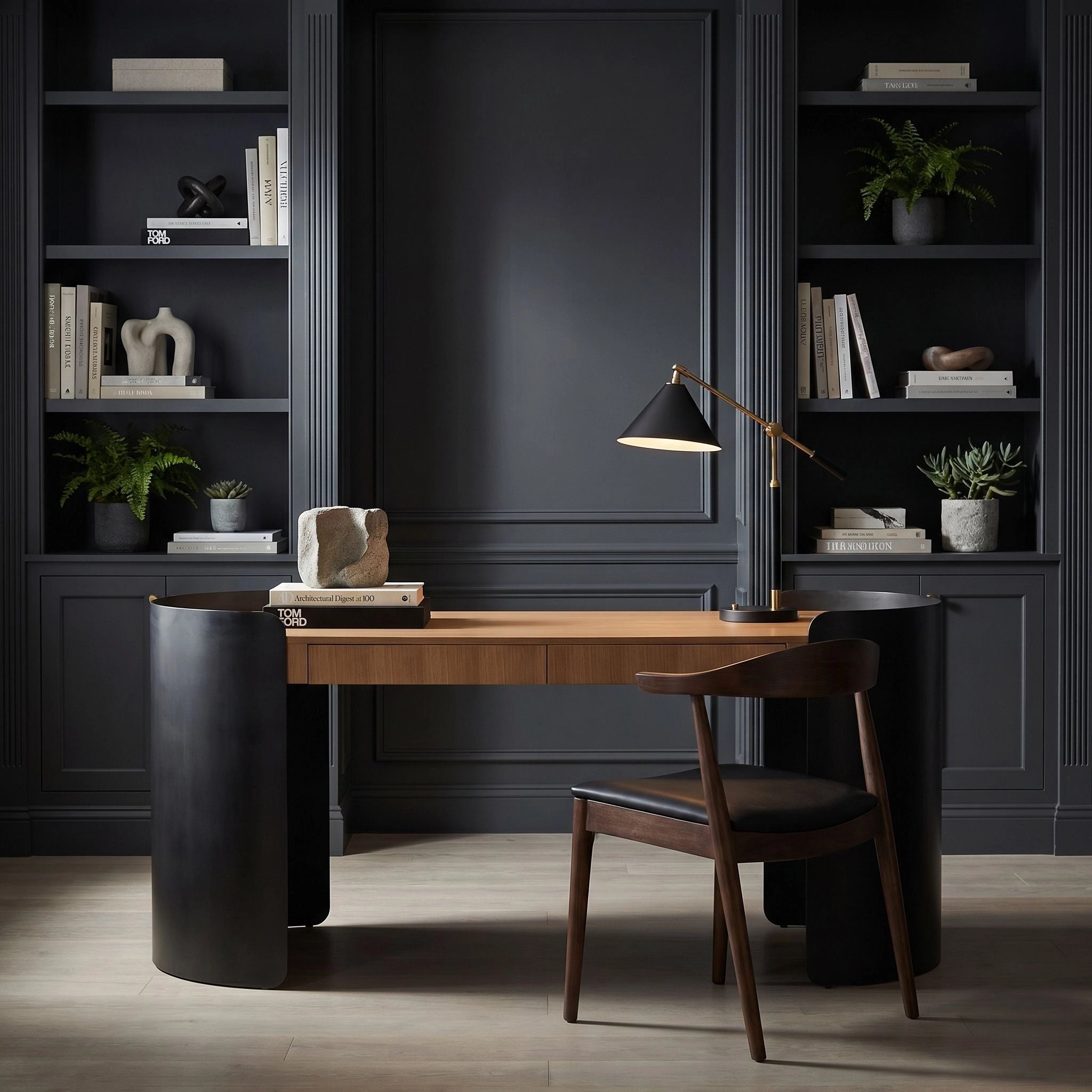
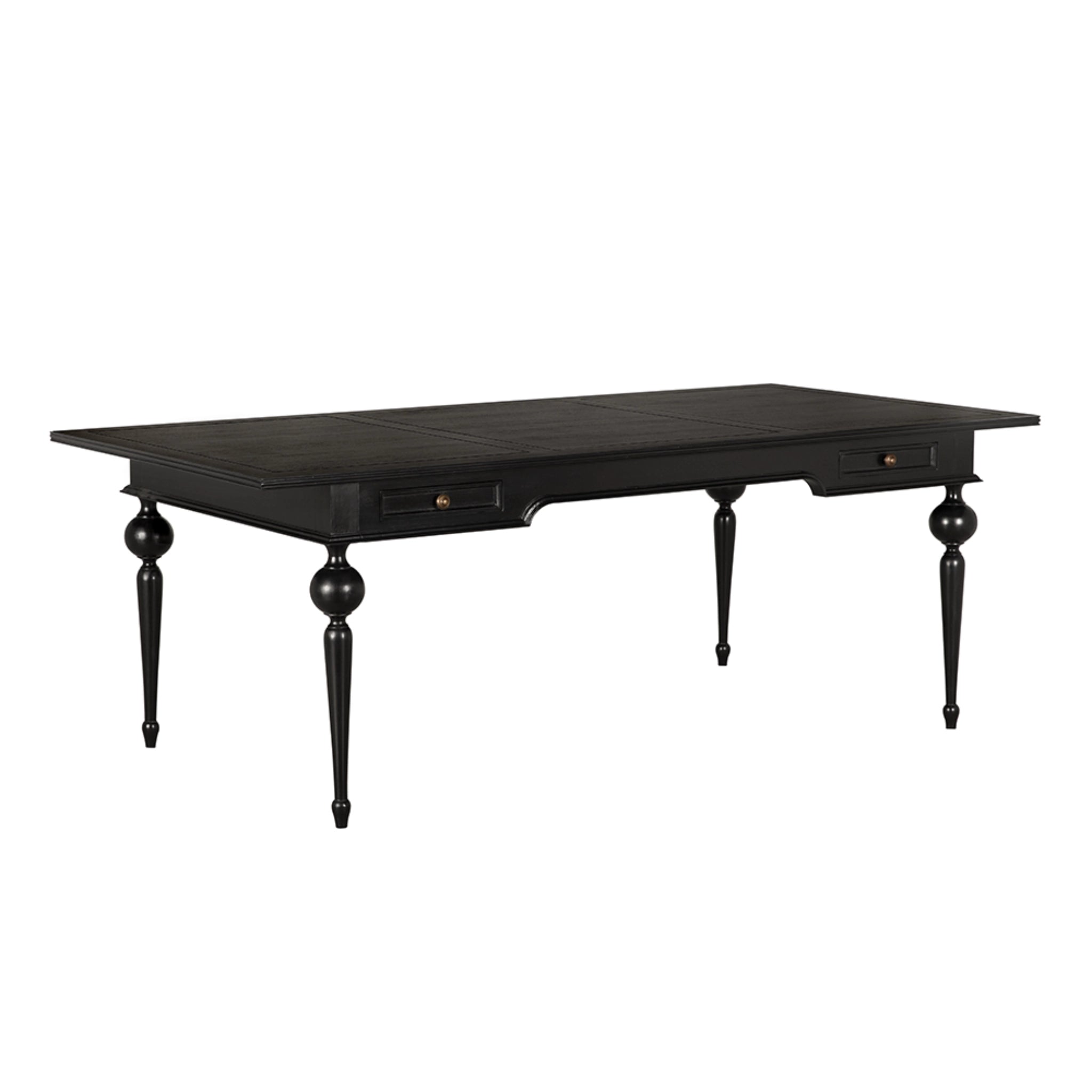
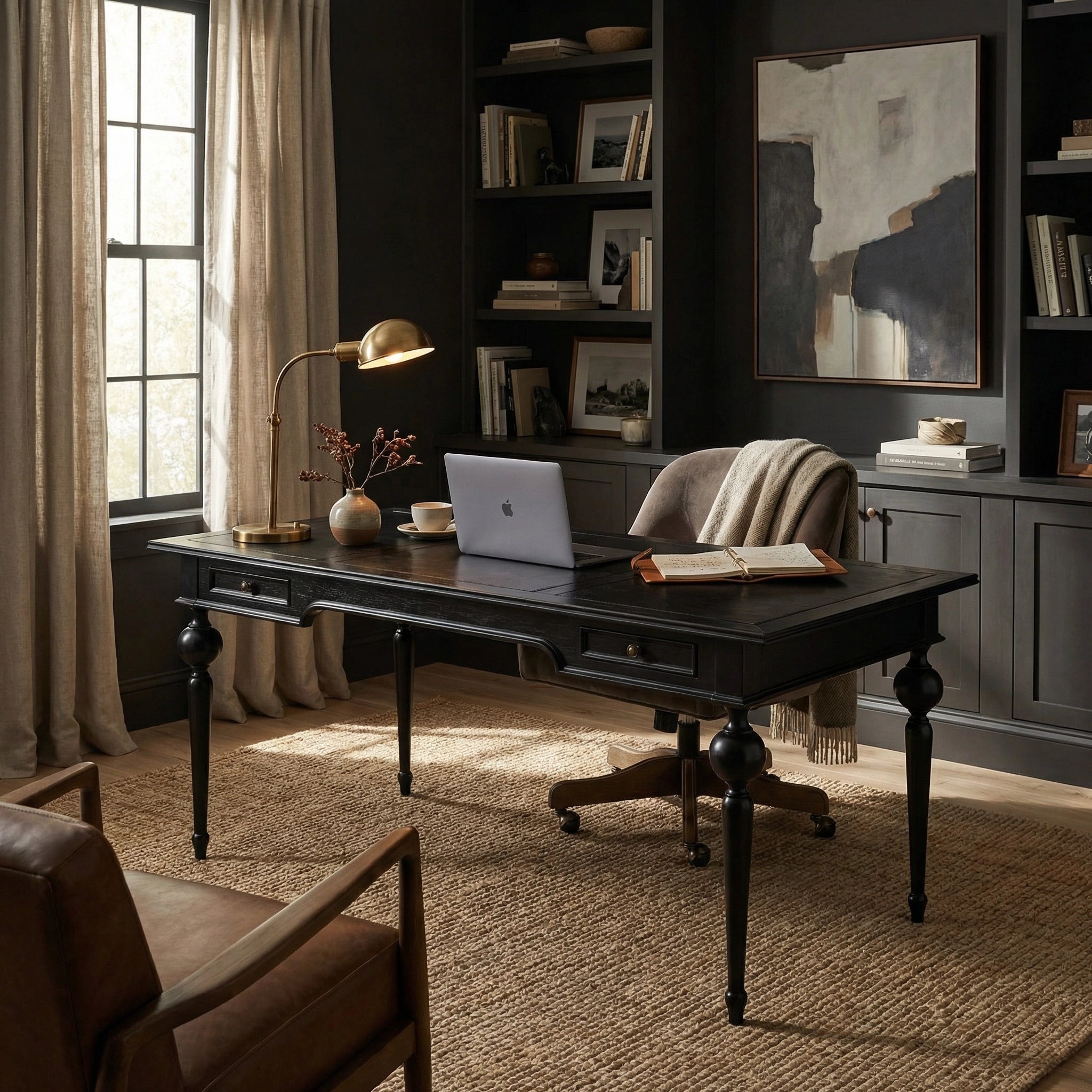
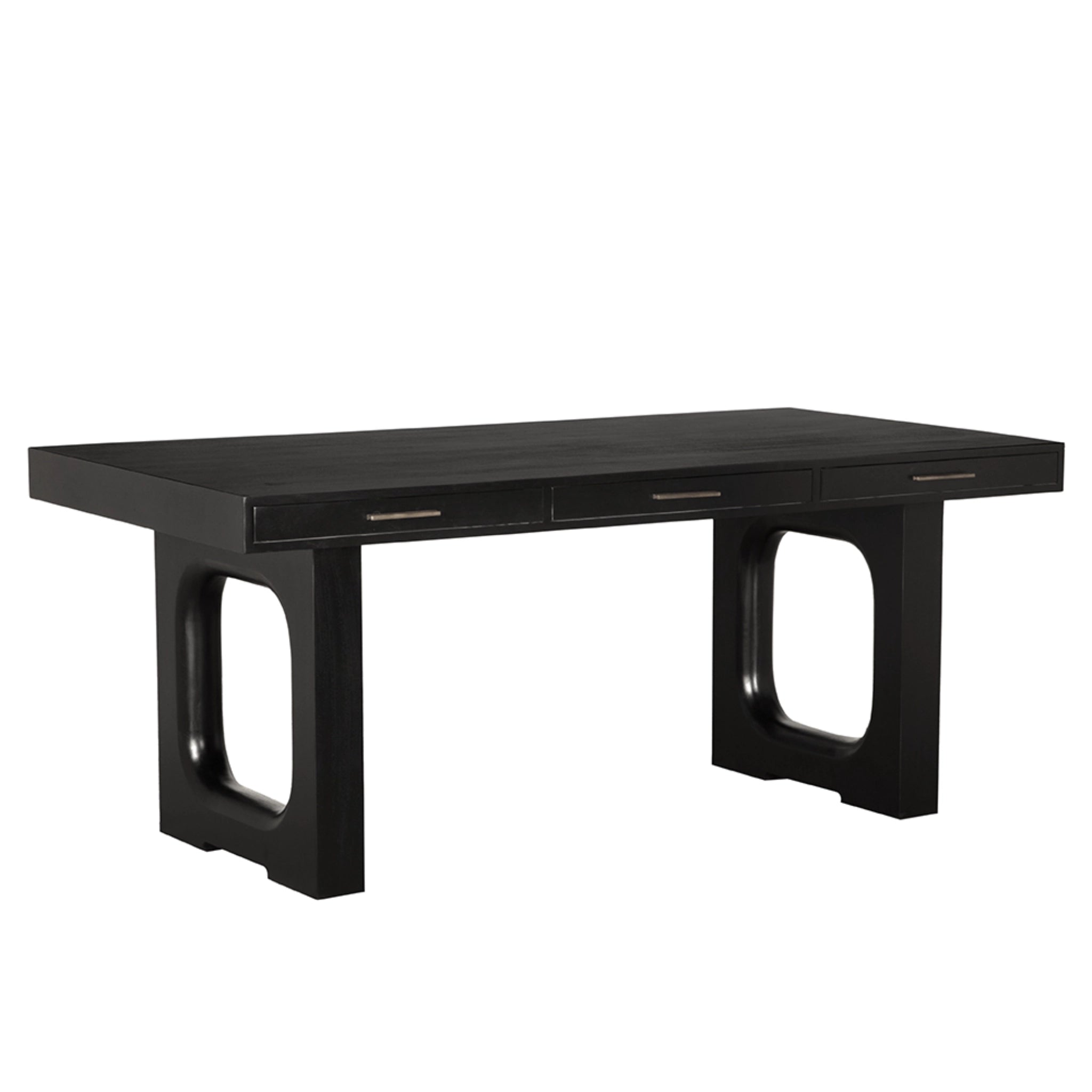
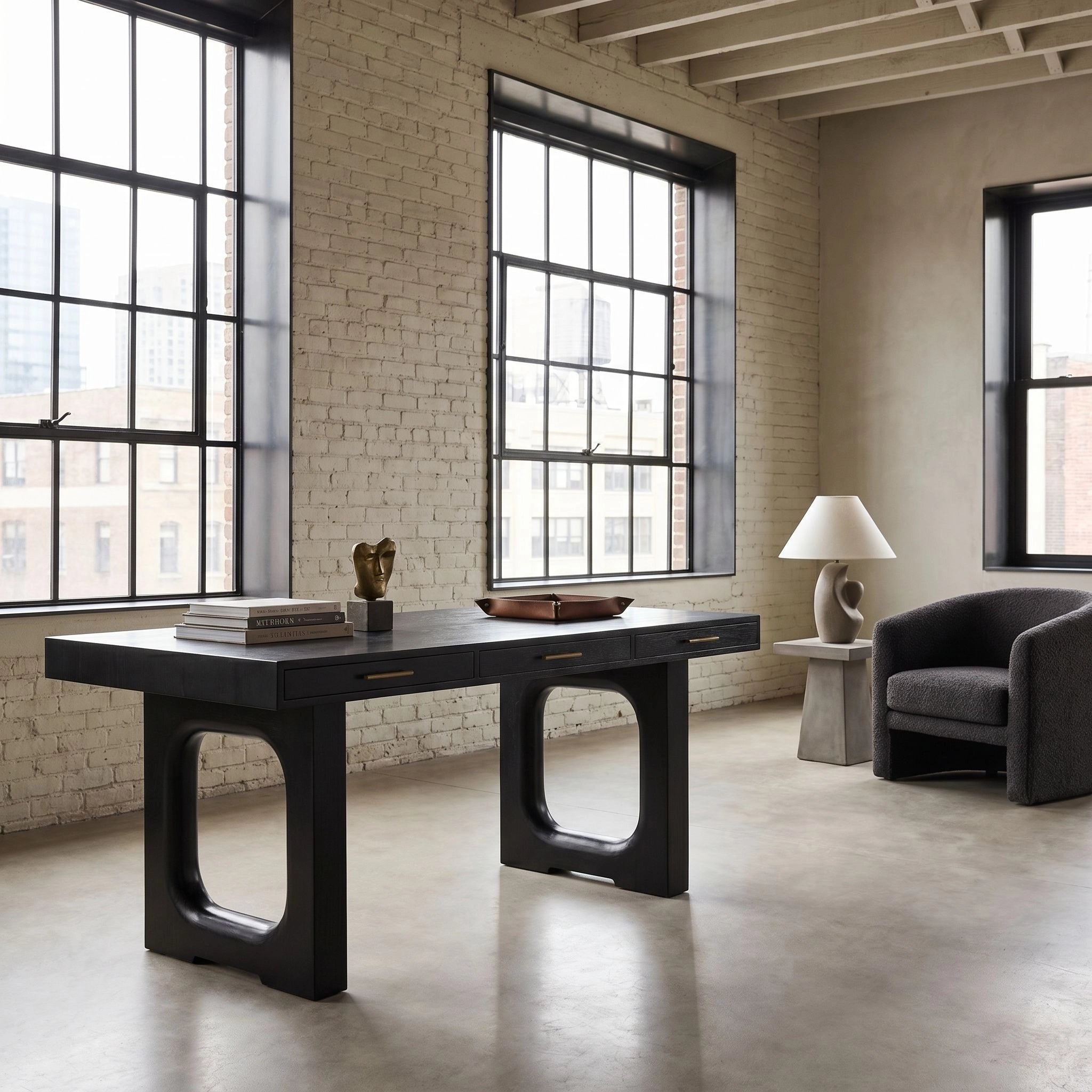
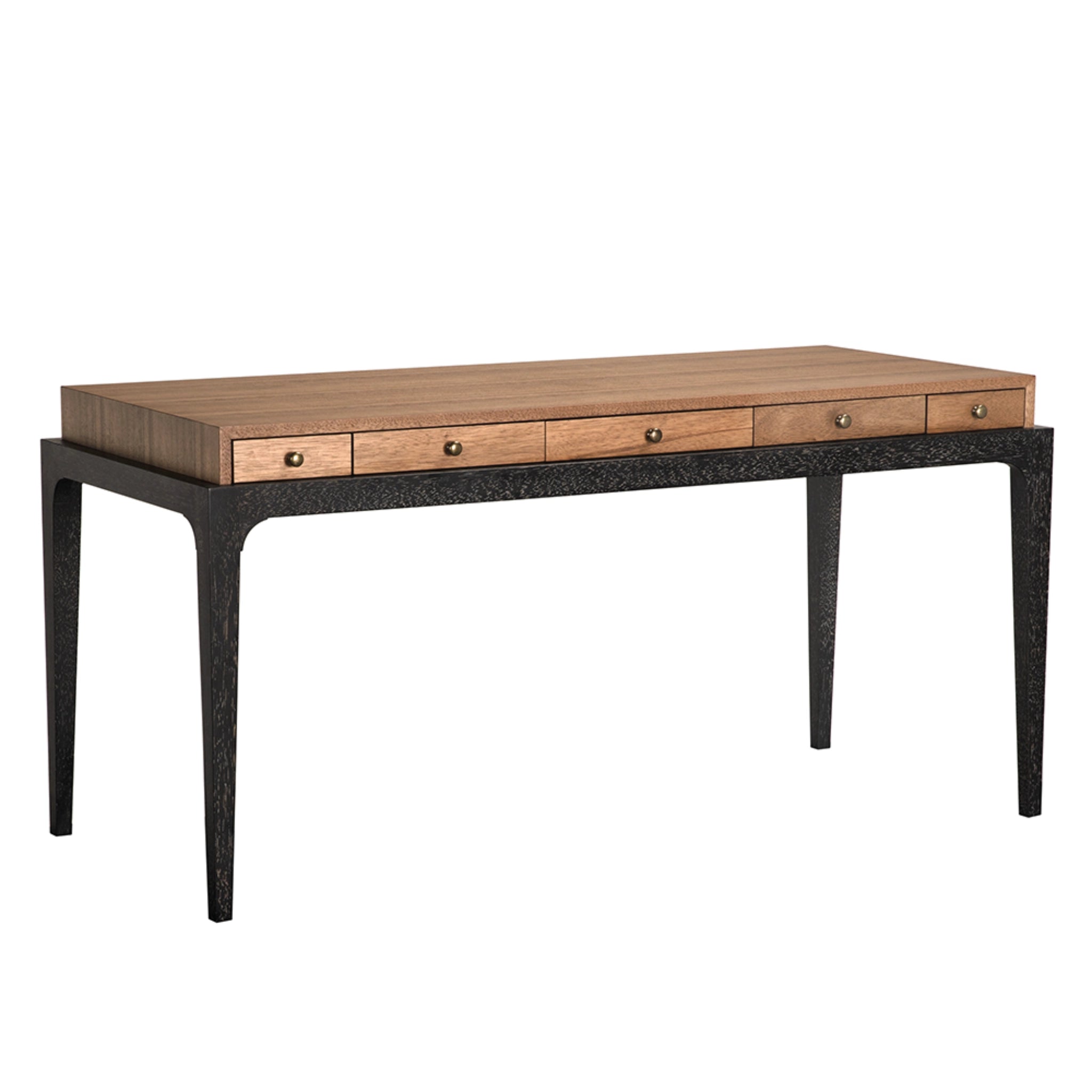
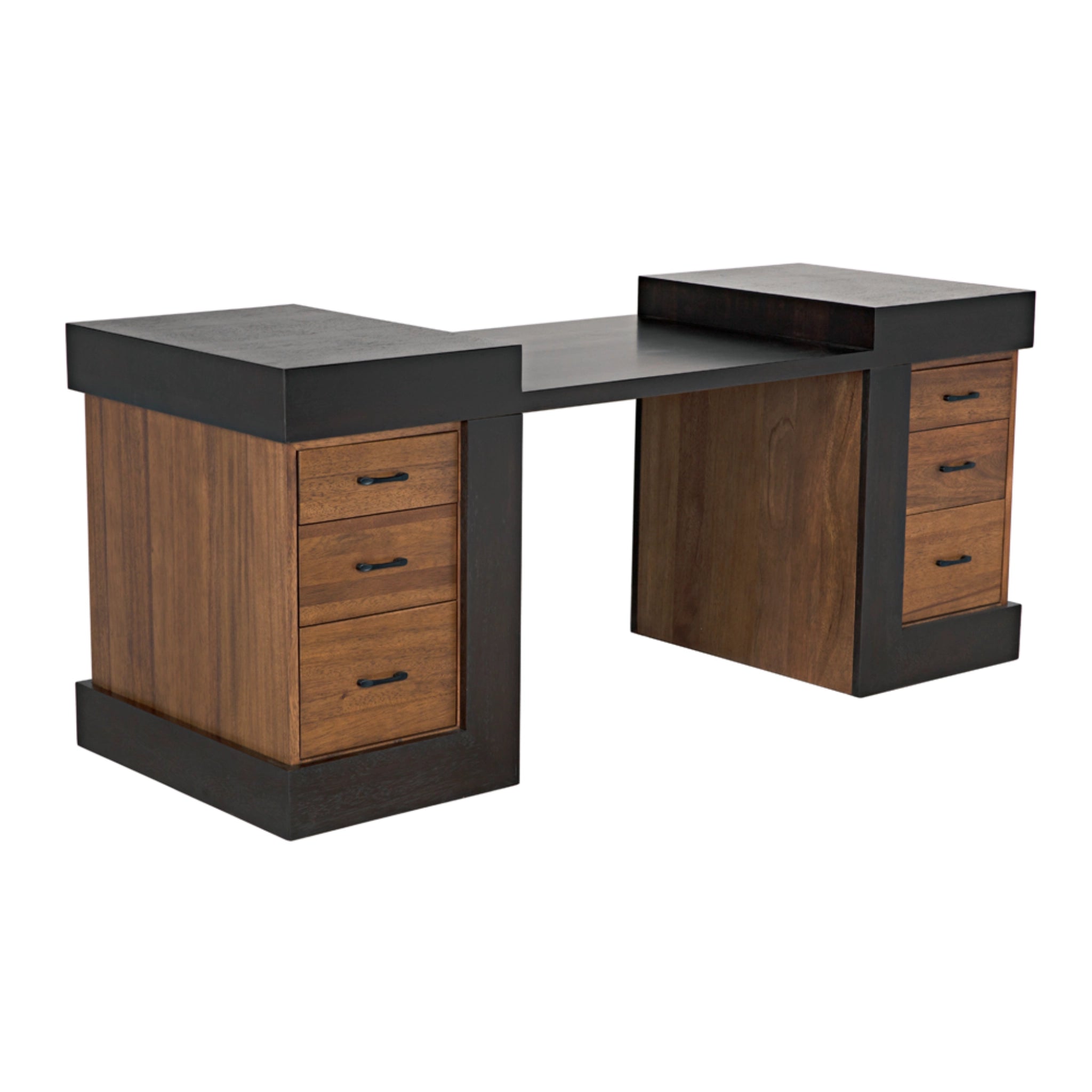
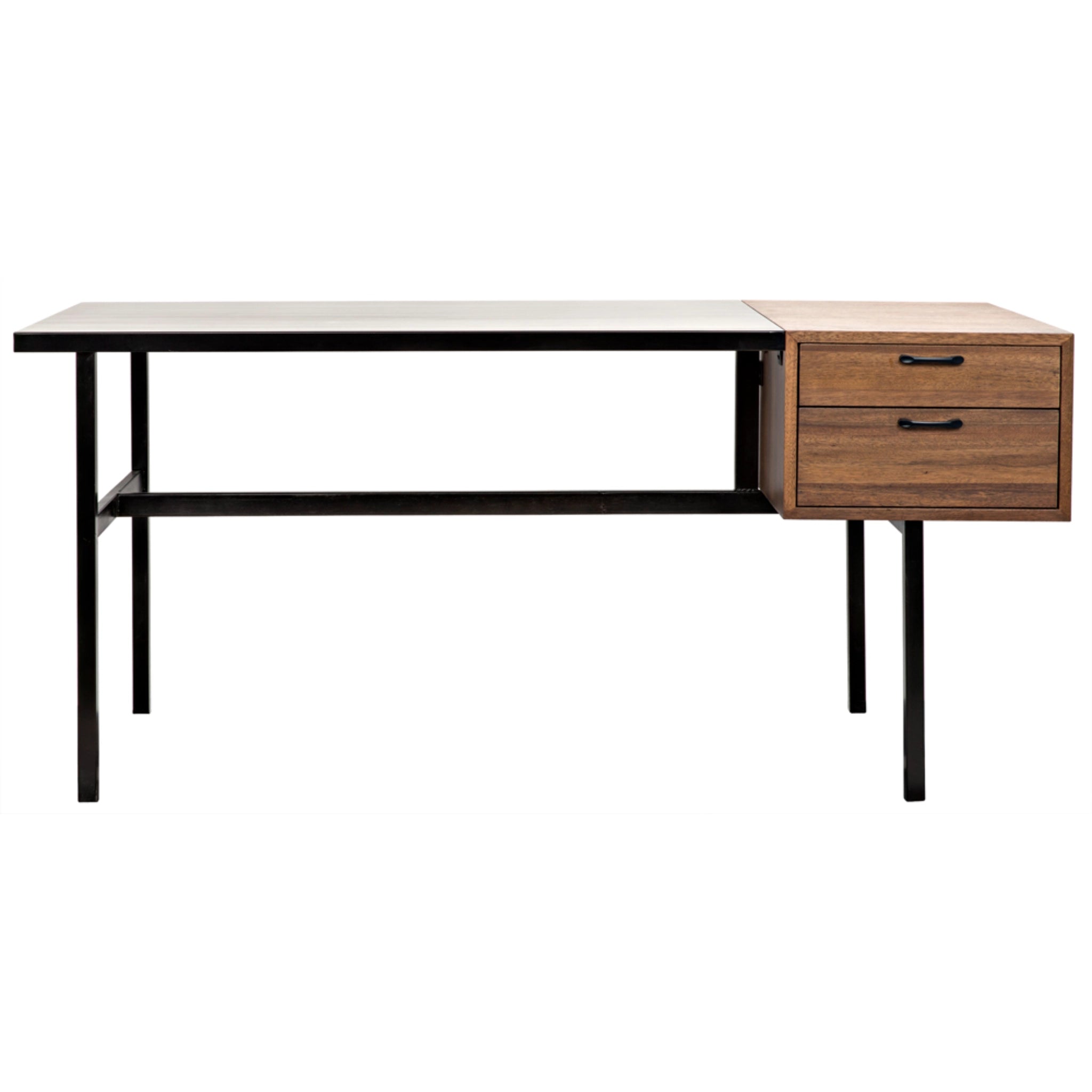
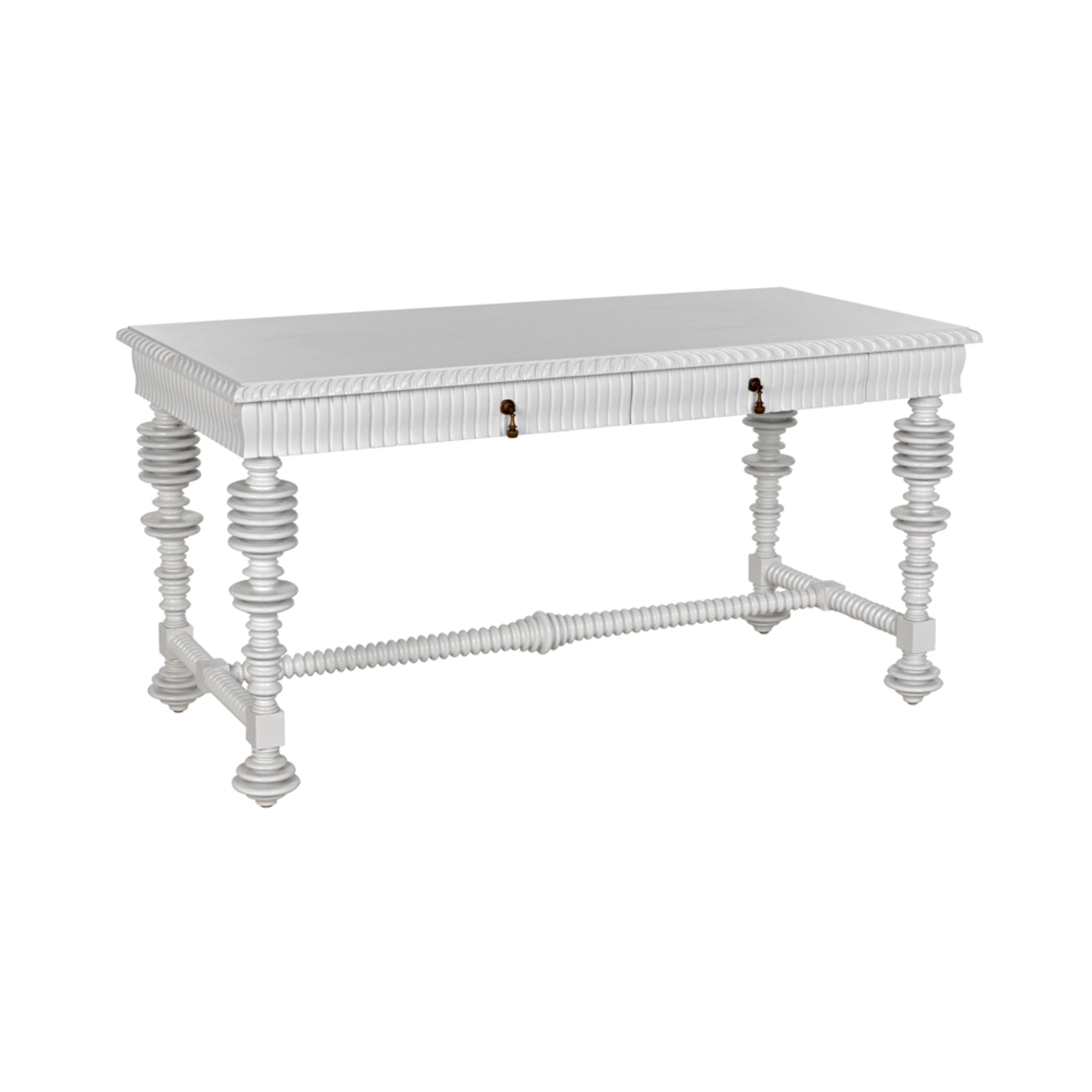
Desk with Drawers
Oops! It seems we’ve gotten ahead of ourselves. This collection is currently in the curation phase meaning we’re polishing every wood and leather piece and perfecting every velvet corner. Check back soon...
Continue shoppingDesk with Drawers for Ordered, Lasting Workspaces
A desk with drawers combines storage, surface area, and structure in one essential piece. It keeps paper, tools, cables, and daily work materials close at hand while preserving a clean top for writing, computer use, and focused work. In a study, home office, or executive setting, the right desk supports productivity without disturbing the visual calm of the room.
A workspace begins with proportion. The desk sets the tone long before the first task starts, and when storage is built into the form itself, the room feels more resolved. That is why a luxury modern furniture collection needs pieces that work with discipline and presence, why thoughtful modern home office ideas often begin with layout and storage, and why a carefully chosen Home Office Desk remains the anchor of a serious workspace.
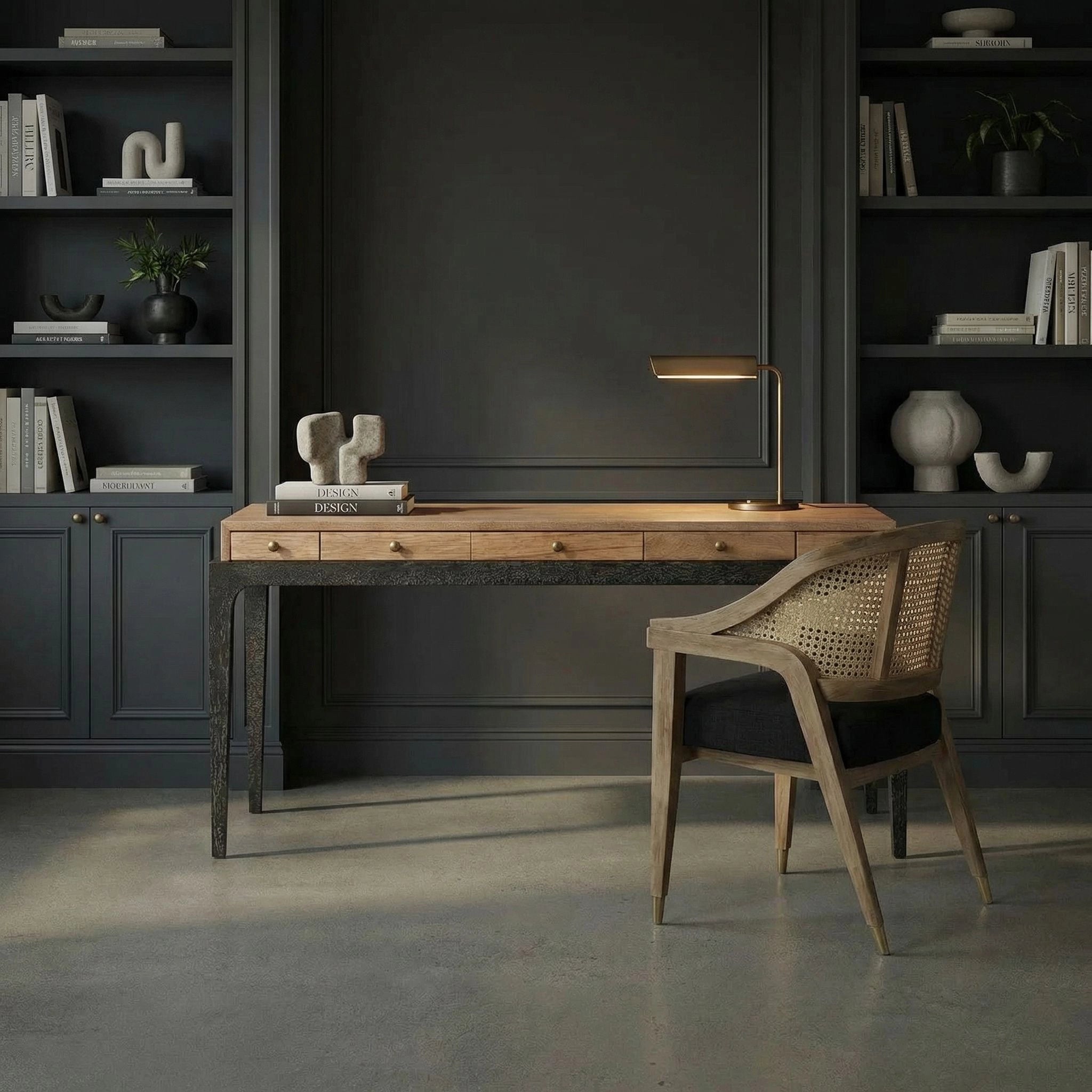
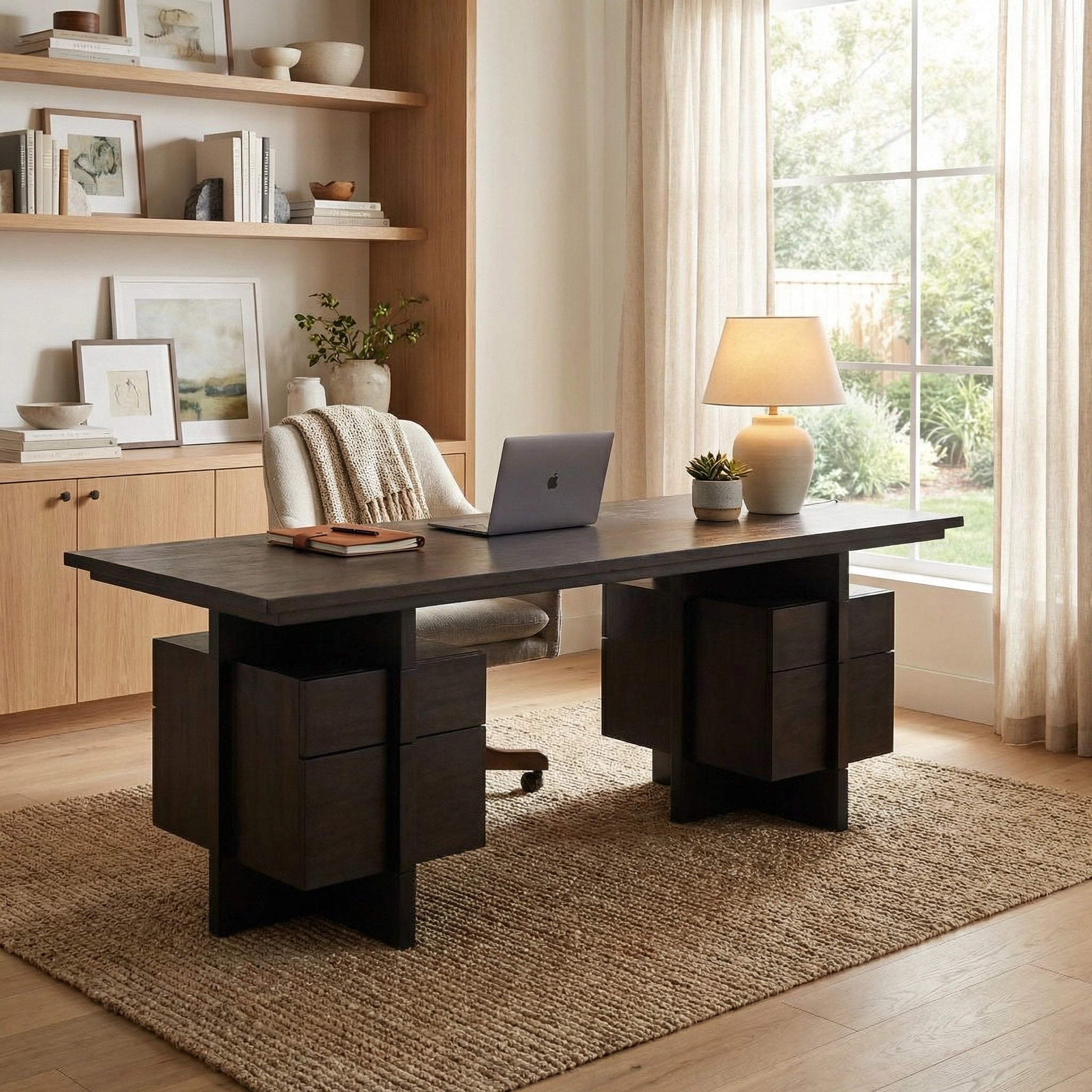
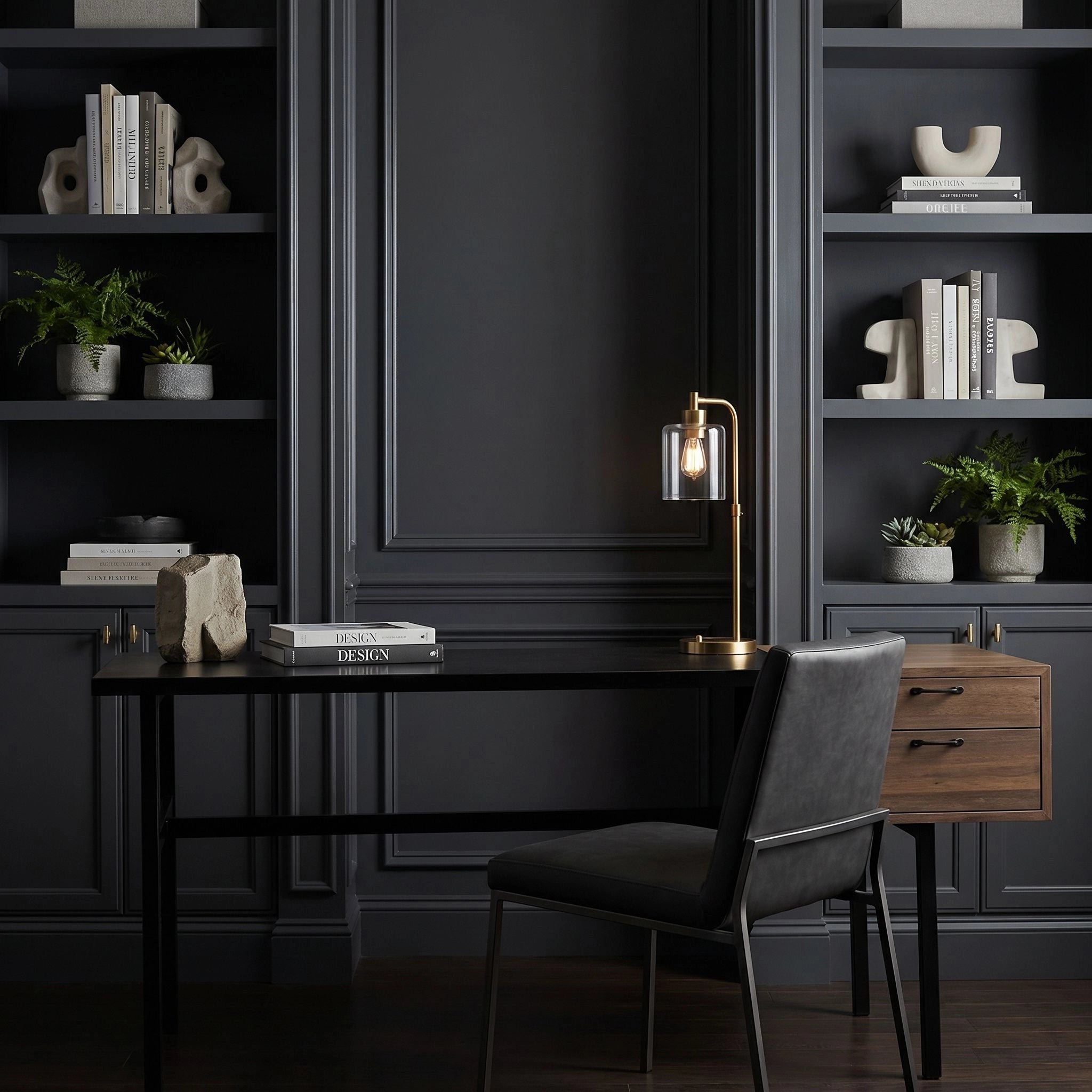
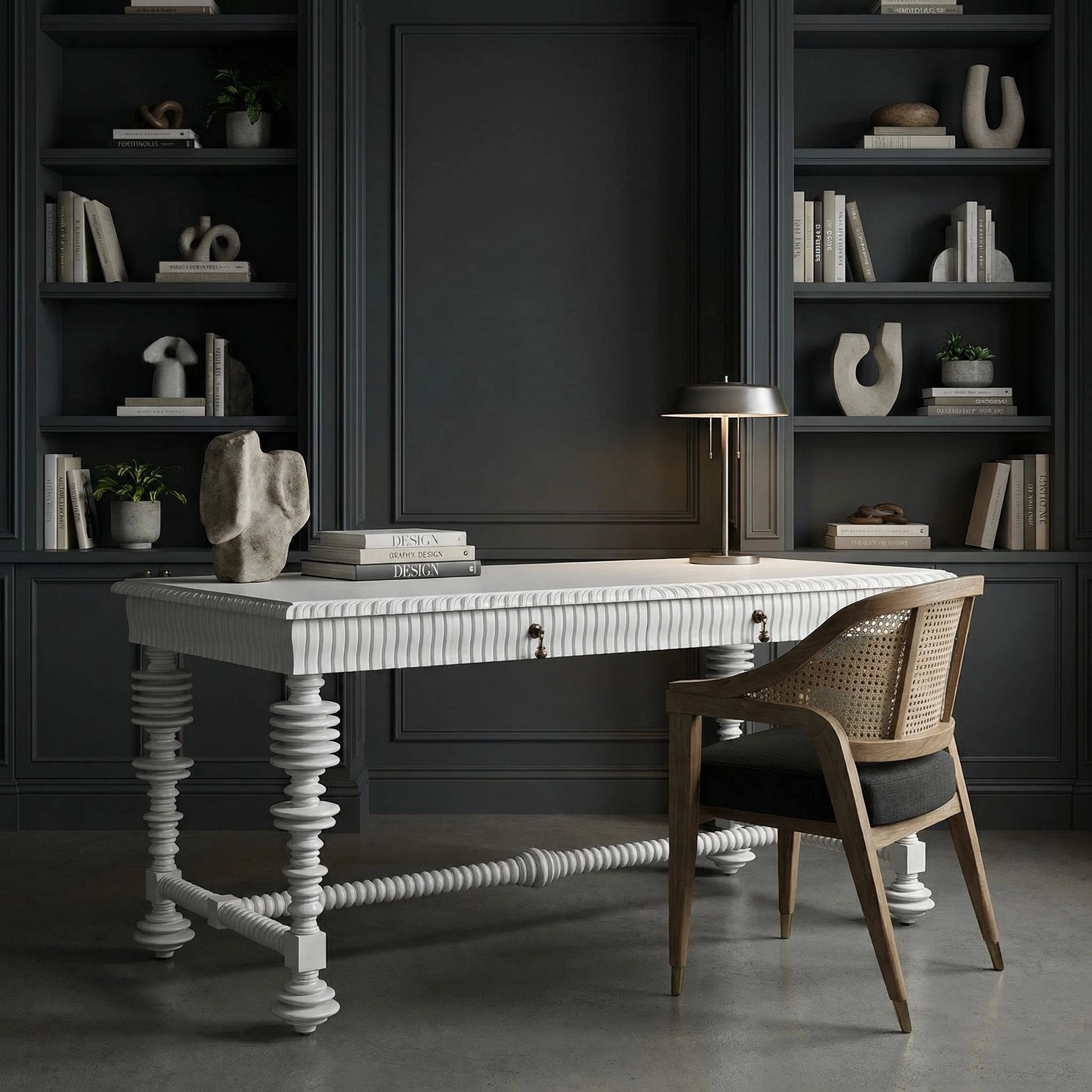
At Aura Modern Home, the desk with drawers is more than a utility piece. It is part architecture, part instrument. In the library dusk, when the room settles into deeper color and the light grows low and exacting, walnut surfaces absorb warmth, drawer fronts fall into a clean rhythm, and the silhouette of the desk gives order to everything around it. Books stay within reach. Paper disappears when the work is done. A lamp casts a narrow pool of light across grain and texture. The room becomes quieter.
That balance is the point. A home office desk with drawers should support concentration without creating visible clutter. A computer desk with drawers should make room for screens, notebooks, charging cables, and the movement of daily work while keeping the atmosphere composed. A wooden desk with drawers should feel grounded enough to shape the room, yet precise enough to serve the smaller rituals of writing, reading, planning, and focused thought.
Good storage changes how work feels. A clear surface invites better attention. A drawer within reach keeps stationery, paper, and office tools where they belong. A cabinet or shelf nearby can hold books and accessories that would otherwise drift across the top. This is the quiet appeal of an office desk with drawers. It gives the room discipline. It gives the work a place to begin.
What Defines a Desk with Drawers
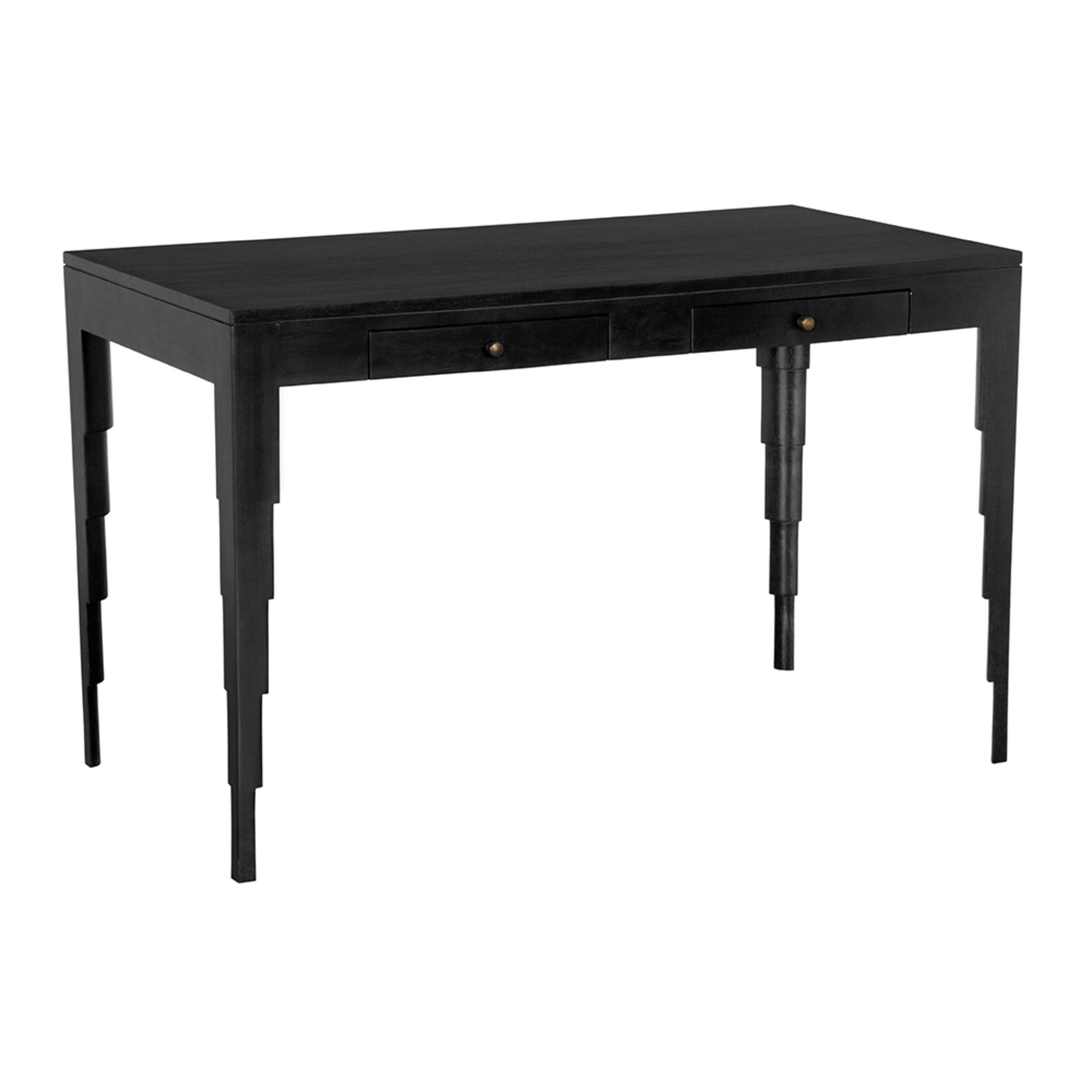
A desk with drawers is a work table with integrated storage beneath or beside the main surface. Common subtypes include writing desks with slim utility drawers, computer desks with equipment storage, executive desks with larger drawer banks, home office desks with mixed filing and accessory storage, and solid wood desks with drawers designed for long-term daily use. Materials often include walnut, oak, dark wood, black metal, leather accents, and supportive structural components selected for stability and durability.
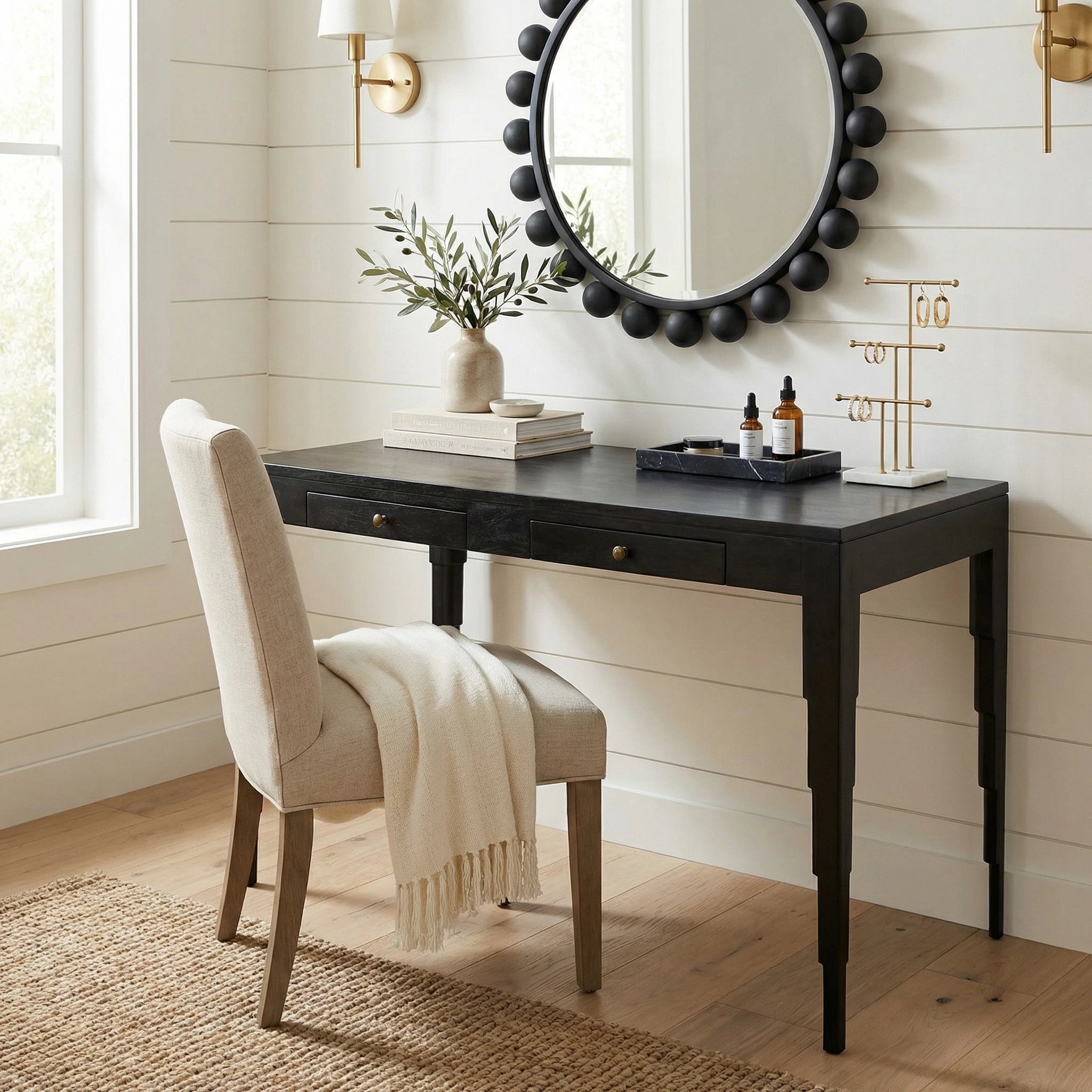
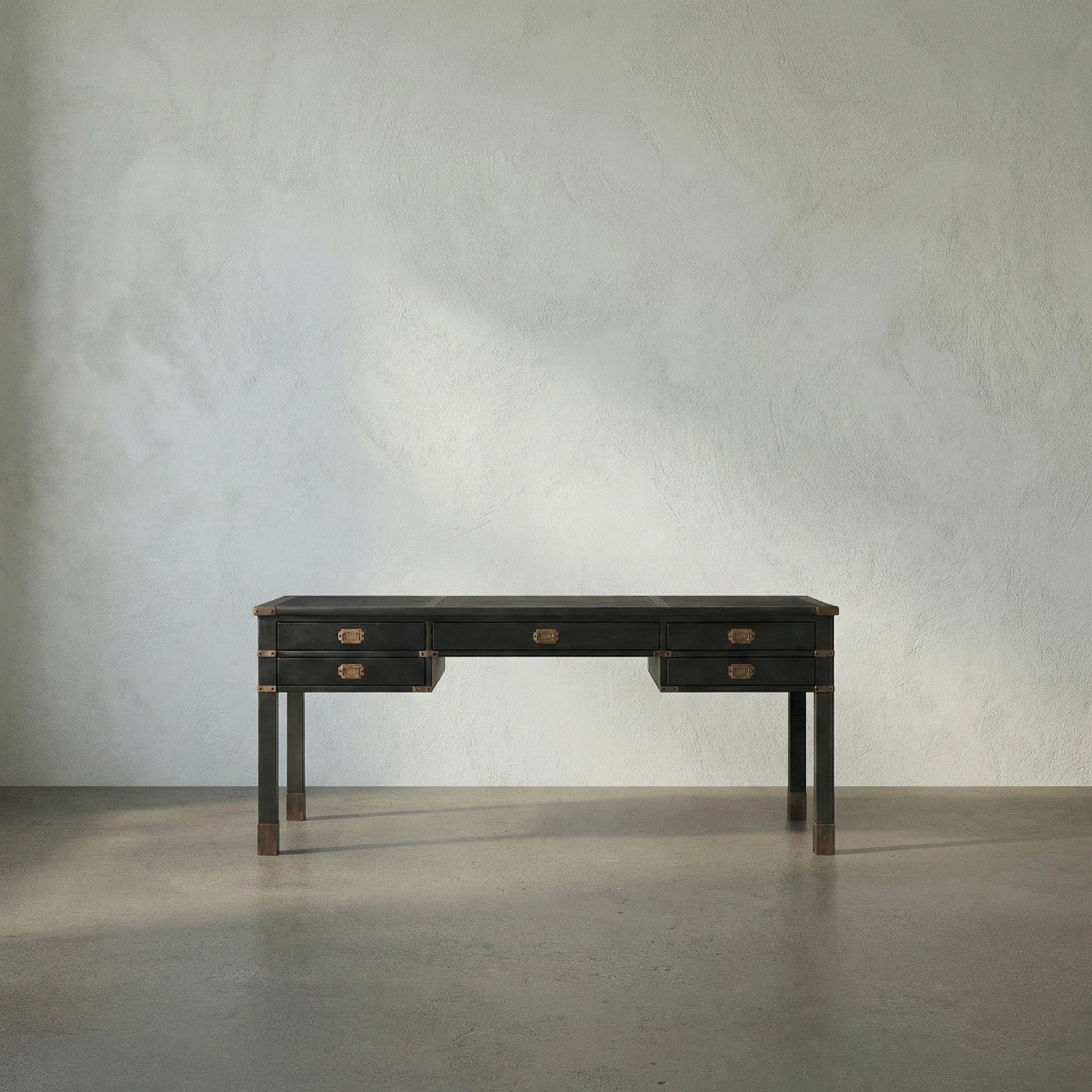
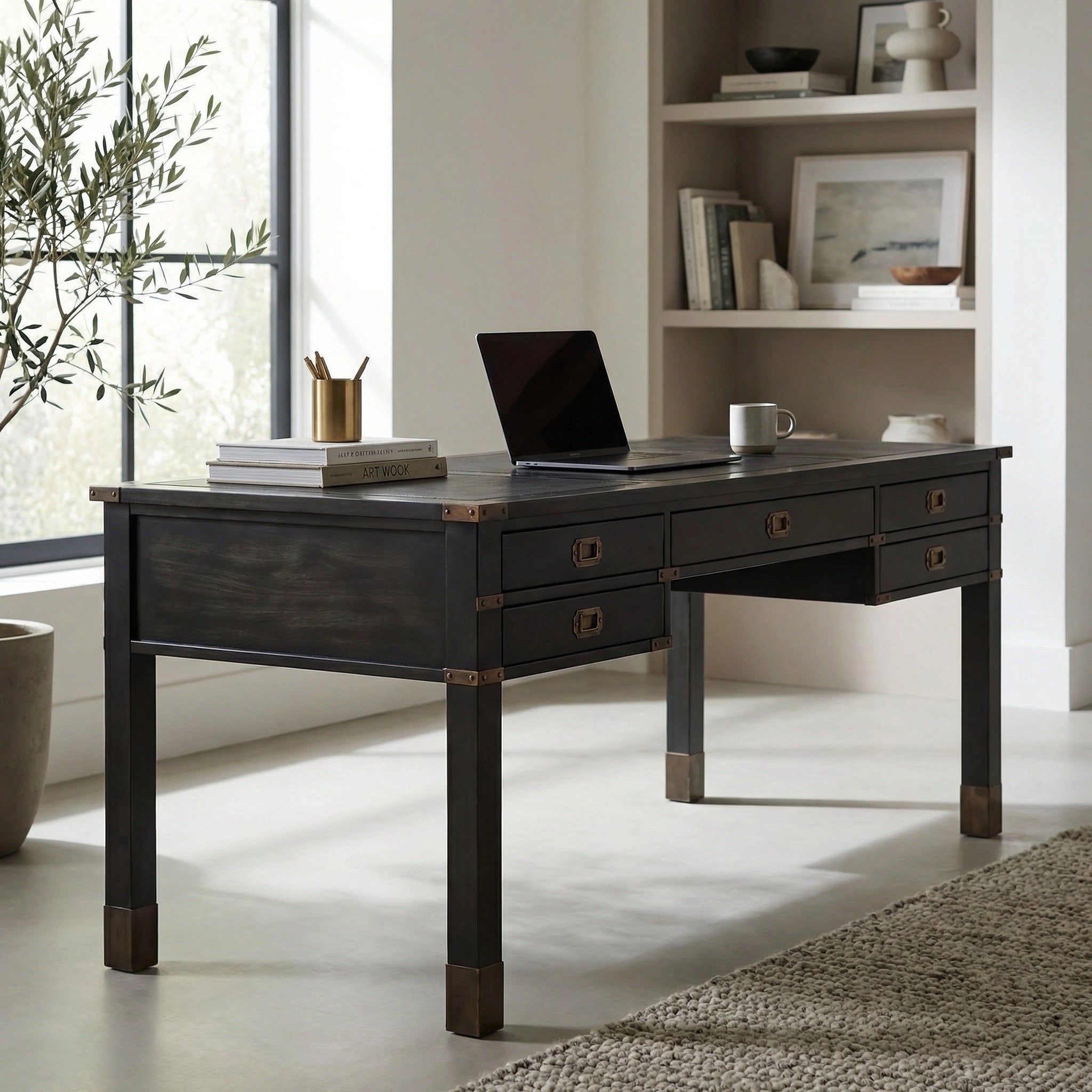
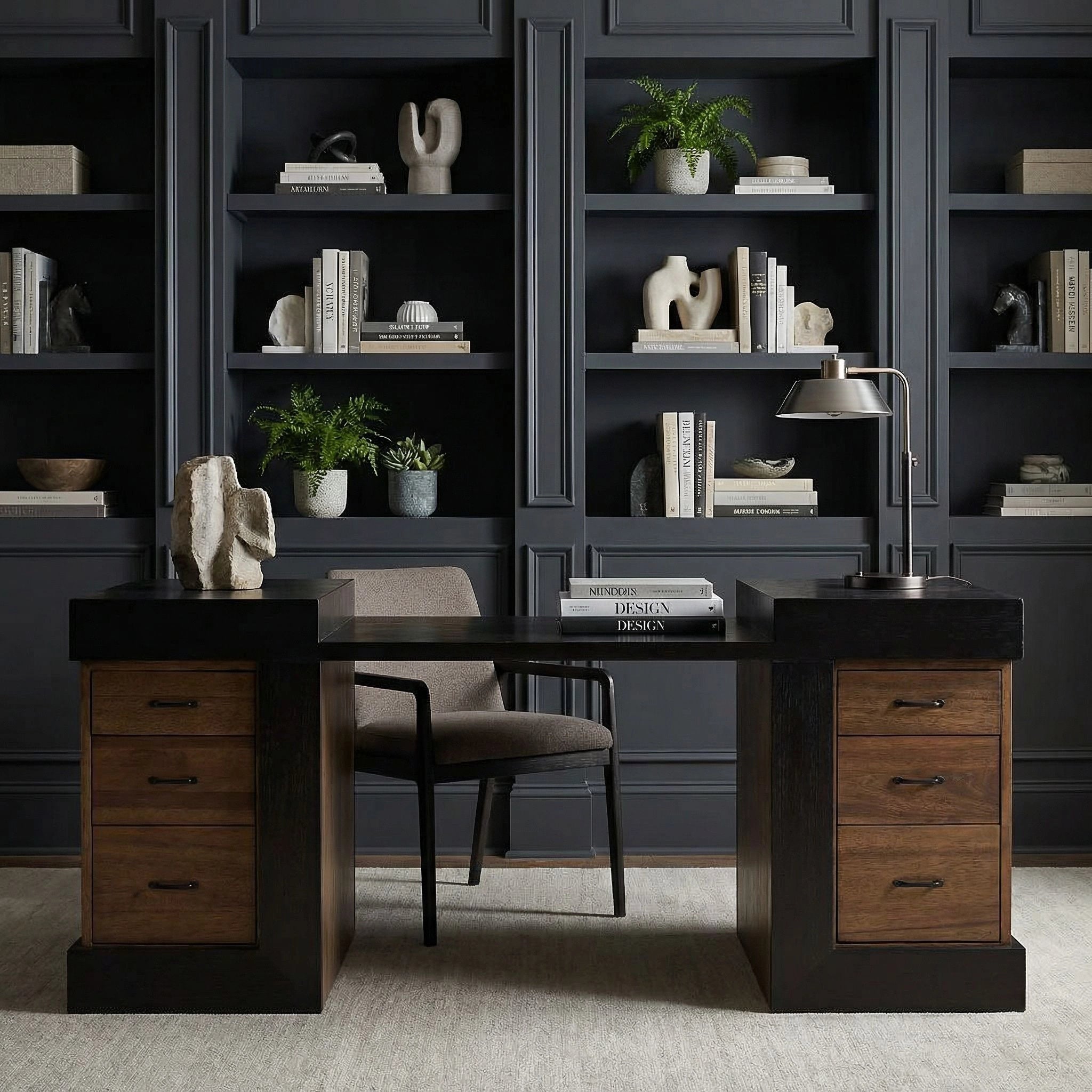
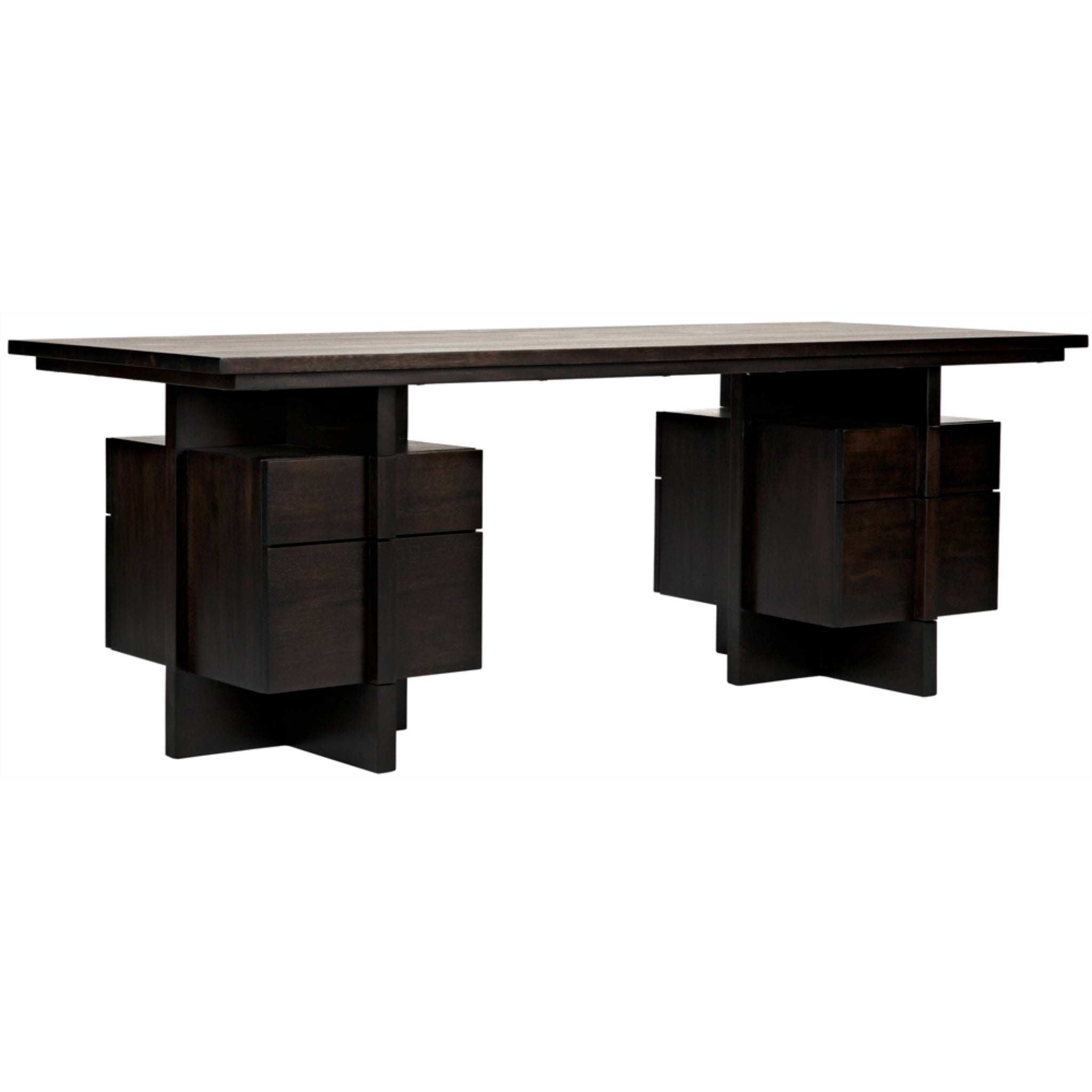
In practice, this category covers several forms. Some desks use a compact footprint with one or two drawers tucked beneath the top. Others expand into a broader executive layout with pedestal storage, deeper filing drawers, or a cabinet integrated into the frame. Under desk drawers can remain nearly invisible from across the room, while more architectural silhouettes may use exposed drawer stacks to create visual weight and symmetry. Across these variations, the best designs balance storage capacity, legroom, surface scale, and material presence. The result is not only a place to work, but a piece of furniture that shapes the character of the room around it.
The Architecture of a Wooden Desk with Drawers
Wood changes the meaning of a desk. Metal can sharpen the profile and introduce contrast, but wood carries the emotional weight of the piece. It softens a workspace without making it casual. It introduces grain, variation, and depth, details that read differently in morning light than they do in the low glow of evening. In a room with books, rugs, art, and layered lighting, a wood desk with drawers holds the center with more permanence than a lighter, thinner form ever could.
Walnut is often chosen for precisely that reason. It carries density in color and a natural tonal range that gives the surface movement without visual noise. In lower light, it feels deep and grounded. In direct daylight, the figure of the grain becomes clearer and the top takes on a more architectural presence. Oak offers a different clarity. Its grain is more open, its effect slightly brighter, its character more structural. Both materials suit a solid wood desk with drawers, though each shapes the room in a distinct way. Walnut feels intimate and composed. Oak feels crisp and open.
The quality of the build matters as much as the species. A well-made frame should feel still under use. Drawer fronts should align with precision. The top should carry enough visual thickness to read as substantial without appearing heavy-handed. Joinery, runner quality, and finish all influence how the desk ages. Better desks do not merely resist wear. They absorb use gracefully. A softened sheen where the hand rests, subtle touchpoints along the pulls, and a finish that deepens with time become part of the desk’s character. That is the difference between temporary furniture and a piece with heirloom potential.
Craftsmanship shows itself in restraint. Not in ornament, but in fit, proportion, and decision-making. A refined wooden desk with drawers offers enough detail to reward a closer look: the way the grain moves across a drawer front, the clean relationship between top and base, the confidence of a drawer that opens smoothly and closes without effort. These details support the price because they support the years ahead. They are not surface decoration. They are the structure of the piece.
And the material does something no specification sheet can fully capture. It steadies the room. A solid wood desk introduces mass without heaviness. It creates a center of gravity for the workspace, especially when paired with a leather chair, a desk lamp in black or brass, and nearby shelves or cabinets in related tones. The room becomes more coherent. More settled. More complete.
Home Office Desk with Drawers and the Ritual of Work
Work is shaped by repetition. The chair is pulled back. A lamp is switched on. A notebook lands on the surface. A drawer opens for paper, pens, reading glasses, charging cables, or the smaller items that would otherwise interrupt the eye. These gestures are modest, but they define how a room functions. A home office desk with drawers supports them with less friction. It keeps the workspace ready.
That readiness separates a proper desk from any table pressed into service. A writing desk with drawers allows the surface to remain clear enough for thought. A study desk with storage gives books, stationery, and work materials an assigned home. An executive desk with drawers offers more capacity, more presence, and a stronger visual authority within the room. Each answers a different mode of work, but all serve the same purpose: to create the conditions for concentration.
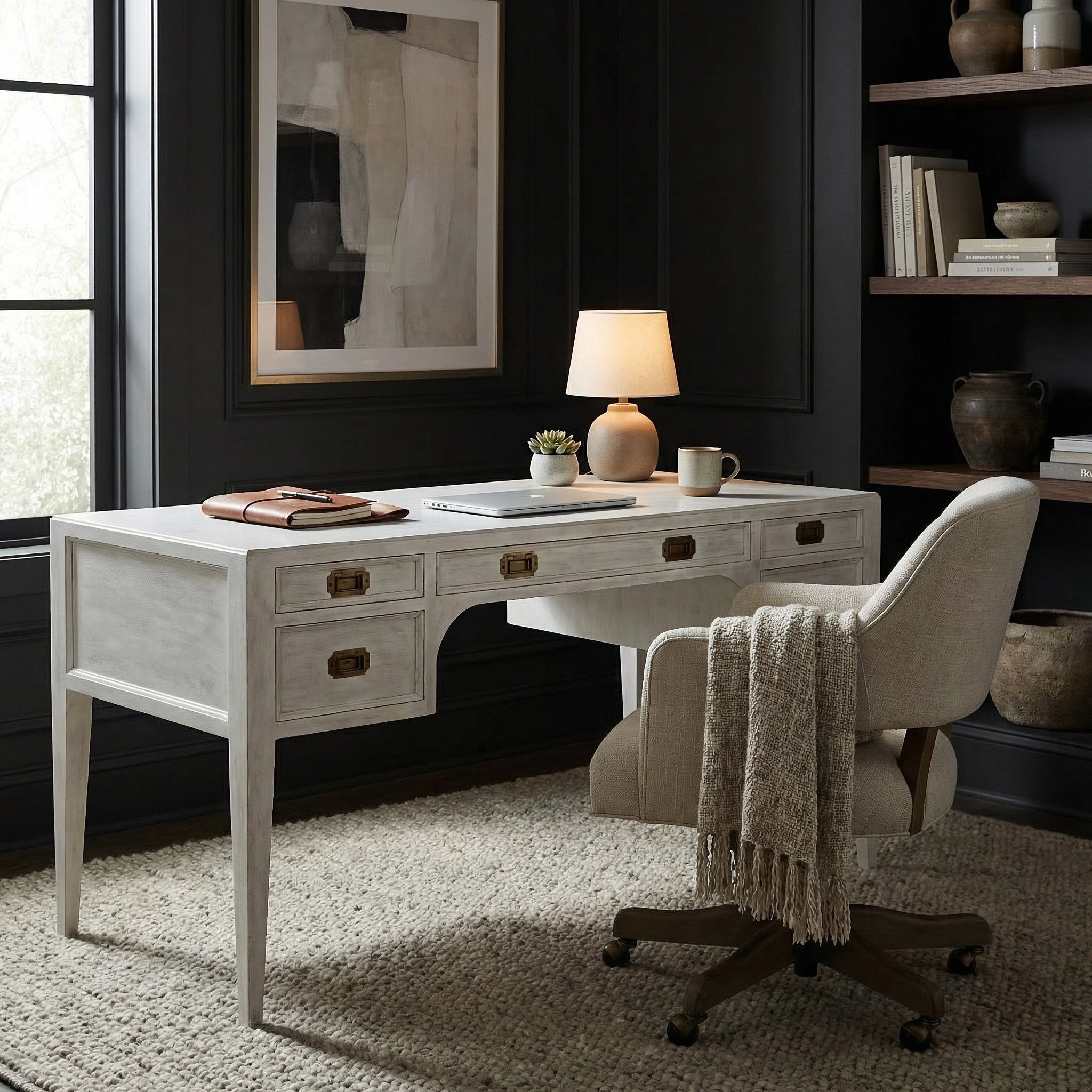
The feeling matters. In a well-designed home office, the desk is not isolated from the atmosphere around it. It sits in relation to the rug, chair, shelving, art, and light. A dark wood desk can bring gravity to a pale room. A black and wood form can sharpen a softer palette. A desk placed near a window benefits from daylight across the top, while one set against a wall can create a more enclosed, library-like sense of focus. These are layout decisions, but they also shape mood.
Storage changes that mood more than most people expect. Without drawers, a workspace often becomes a holding area for loose objects. Pens, cords, notes, devices, receipts, and paper stacks remain visible, even after the day has ended. With drawers, the room can return to quiet in seconds. The top clears. The lines of the desk reappear. The office becomes part of the home again.
This is why home office furniture should not be judged by dimensions and finish options alone. It should be judged by how it supports the rhythm of actual work. Can the surface hold a monitor and a notebook without feeling crowded. Are the items used daily within easy reach. Are the drawers deep enough for papers, accessories, and office tools. Can the piece still look composed when nothing is styled on top. The best home office desk with drawers answers yes without forcing unnecessary bulk into the room.
Computer Desk with Drawers and Modern Workspace Planning
The modern workspace asks more of a desk than the old writing room ever did. Screens, chargers, speakers, task lamps, notebooks, and peripheral devices all compete for the same surface. A computer desk with drawers needs to solve that pressure without becoming an oversized workstation that dominates the room. The answer is usually not more visible storage. It is better storage.
Under desk drawers are especially effective here. They preserve a clean sightline while keeping practical items close. A shallow drawer can hold stationery, adapters, and the smaller tools used every day. A deeper side drawer can store files, larger notebooks, or equipment that does not belong on display. When paired with thoughtful cable management, this arrangement allows the top to remain visually open even in a fully equipped setup.
Cable management deserves more attention than it usually receives. Tangled cords can make even expensive furniture feel unresolved. A desk designed with cable pathways, grommet access, or enough depth behind the working zone supports a cleaner arrangement from the start. That matters in compact rooms, where every visible line affects the overall impression. It matters in professional offices as well, where the desk often sits in view during meetings or calls.
Size should follow the pattern of work. A compact desk with drawers may suit an apartment, guest room office, or smaller study where a laptop and a few essentials define the setup. A larger office desk with drawers makes more sense for dual monitors, substantial paperwork, or a daily business environment where the desk acts as the center of operations. Neither is inherently better. The question is how much surface you need, how much storage you require, and how much visual weight the room can carry.
Good planning keeps the desk integrated with the broader workspace. Leave enough room for lighting, art, and nearby storage. Consider how the chair moves around the frame. Think about shelf placement, drawer clearance, and the relationship between the desk and the rest of the furniture in the room. A desk should support the layout, not fight it. When scale and storage are right, productivity often follows because the environment stops asking for constant correction.
Modern and Mid Century Desks with Drawers
Style determines how the desk speaks in the room. A modern desk with drawers tends to rely on disciplined lines, precise profiles, and an edited material palette. Black metal, dark wood, and smooth surfaces create a look that feels intentional and composed. Hardware is often minimal. The outline does most of the work. This suits interiors where the goal is clarity, restraint, and a strong architectural profile.
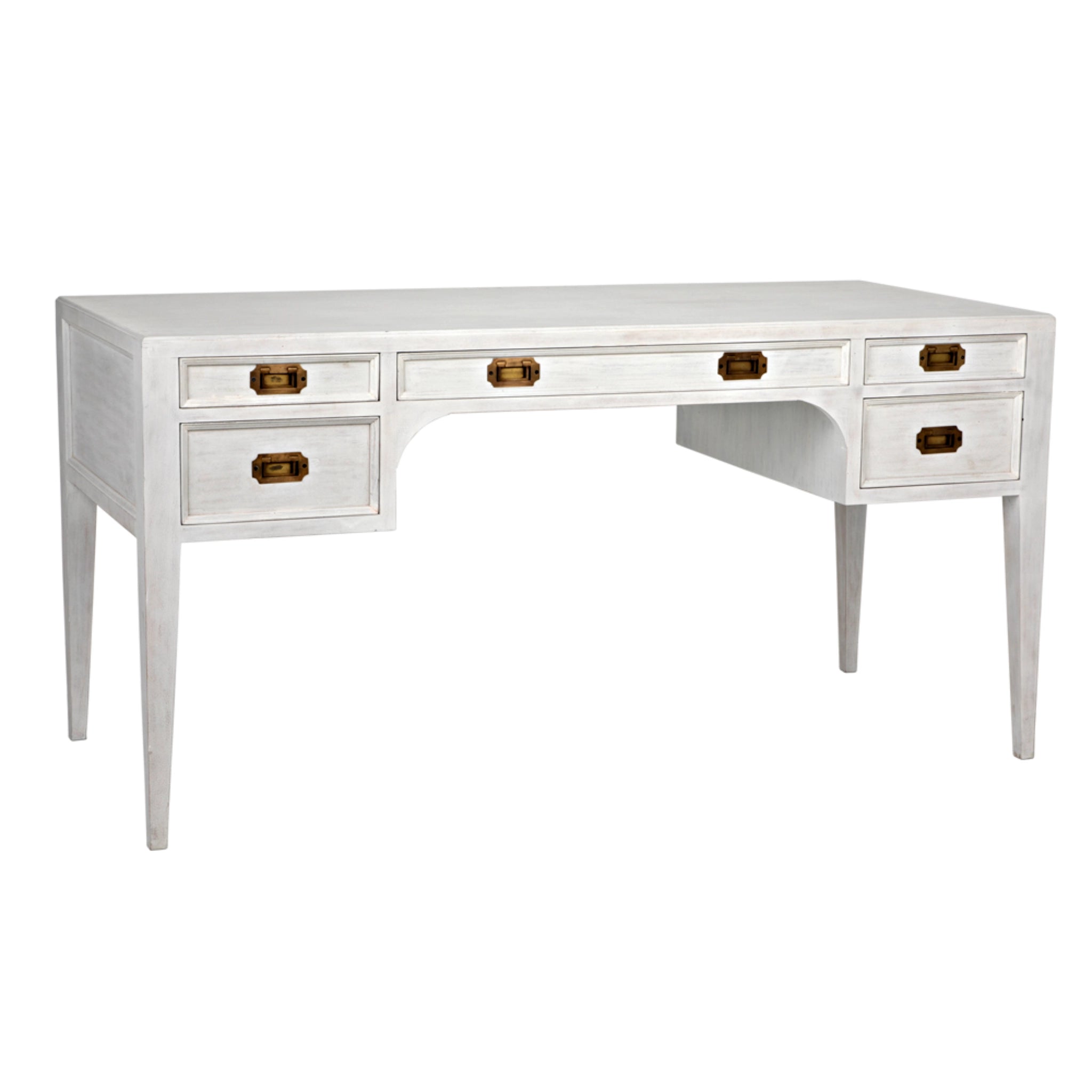
A mid century desk with drawers follows a different logic. The form remains controlled, but it may introduce tapered legs, softer corners, warmer walnut tones, and a more rhythmic relationship between storage and open space. The silhouette often appears lighter, even when the construction is substantial. In a room with lounge seating, bookshelves, and layered lighting, a mid century office desk can feel especially at home because it carries both utility and familiarity.
Many of the strongest desks sit between these two vocabularies. A wood top paired with a lean black base has modern discipline, while a walnut drawer box with subtle shaping introduces mid century warmth. This hybrid language works because most homes are layered rather than pure. A room may hold contemporary art, a classic rug, a leather chair, and a streamlined lamp at the same time. The desk needs enough flexibility to join that conversation without feeling generic.
Details shape the final impression. A recessed pull feels quieter than exposed hardware. A slim reveal between drawer fronts makes the storage feel integrated rather than attached. A top with enough thickness to read as solid gives the piece authority. A base with a little lift keeps that authority from becoming heavy. These are small decisions, but together they determine whether the desk feels refined.
That refinement should never come at the expense of use. A beautiful form with poor storage or awkward proportions does not hold up under daily work. The right design feels resolved visually and practically. It looks correct in the room, and it behaves well under the hand. That union is where lasting furniture lives.
Storage That Works Quietly
The purpose of drawers is not simply to store more. It is to store better. Good organization allows the visible workspace to remain calm, and that calm affects how the room is experienced. A desk top with only the necessary items in view feels more deliberate, more professional, and easier to use. The drawers hold the supporting cast.
Utility drawers are ideal for small daily objects such as pens, chargers, clips, notes, and accessories. Deeper drawers support folders, paper, larger tools, and devices. Some desks include cabinet-style storage or integrated shelving for books and binders. Others remain strict and minimal, using only a few carefully proportioned drawers beneath the writing surface. Both approaches can work, though they create different relationships between the user and the room.
For a home study, a lighter drawer configuration may be enough. For business use, client work, or a more paper-heavy setup, multiple drawers and a stronger storage bank often make better sense. The point is to match the storage to the tasks rather than defaulting to the largest possible footprint. Excess bulk can reduce legroom, close off the room, and make the piece feel more corporate than residential. A desk that stores exactly what it needs to store is usually the more elegant choice.
There is also a visual discipline to good drawer design. Consistent front spacing, clean reveals, and a proportional relationship between the storage and the rest of the form help the desk feel settled. Nothing calls attention to itself. Nothing strains for effect. It simply works. That is often the clearest sign of quality.
How to Choose the Right Desk with Drawers
Begin with the room. Measure the wall, the circulation path, and the clearance required for the chair and drawers to move comfortably. Think about whether the desk will float within the room or sit against a wall. A piece seen from all sides may need a more finished rear view and a stronger overall silhouette. A wall-facing desk may allow more room for shelving, art, or task lighting above.
Then consider the kind of work being done. A writing-focused setup may need little more than a broad, clean top and one or two drawers for essentials. A computer-based setup needs enough surface area for screens and peripherals, along with built-in ways to manage cables and equipment. An executive office often benefits from a larger desk with drawers and greater material presence, especially in rooms with more generous dimensions and a formal furniture plan.
Material and finish come next. Walnut and dark wood add gravity and richness. Oak can feel brighter and more open. Black metal introduces contrast and a sharper modern edge. Leather, whether on the chair or in smaller desk accessories, pairs especially well with wood and helps the workspace feel complete. Consider how the desk will sit with nearby chairs, rugs, tables, lamps, chandeliers, and decor so the office reads as part of the home rather than a separate zone inserted into it.
Look closely at the details. Review dimensions, drawer count, top depth, openness beneath the frame, and whether the proportions suit the room. Study the materials and craftsmanship with the same care you would give a dining table or sofa. A desk sees daily contact. The finish, edge profile, hardware, and joinery all matter. Quality is felt in use long before it is described on a product page.
Choose the piece that will still feel correct after the novelty has passed. That is usually the desk with the clearest structure, the best materials, and the most considered storage. Not the loudest one. Not the one with the longest list of features. The one that gives the work a stable surface and the room a lasting center.
Why a Solid Wood Desk with Drawers Earns Its Place
Some furniture is bought to fill a need. Some is chosen because it changes the room for the better. A solid wood desk with drawers often does both. It gives the workspace function, but it also introduces permanence. There is comfort in that. The desk becomes part of the daily pattern of the home, then part of the memory of it. Morning light across the grain. A lamp lit in the evening. A drawer that always holds pens, paper, and letters. Repetition gives the piece significance.
Wood responds to time in a way manufactured surfaces rarely do. It develops a richer tone. It records use with subtlety rather than damage. It can look even more convincing years later than it did on the day it arrived. This is especially true when the design is restrained, because restrained forms age well. They do not depend on novelty or trend language. They depend on proportion, material honesty, and workmanship.
That is why craftsmanship matters so much in this category. A desk is touched constantly. Hands meet the drawer edge. Forearms rest on the top. Light moves across the finish every day. Weak construction reveals itself quickly. Good construction becomes quieter with time because it continues to do its job without asking for attention. Smooth slides, a steady frame, a durable top, and well-resolved details all support that longer view.
An heirloom does not need ceremony. It needs usefulness, beauty, and staying power. A well-made office desk with drawers offers all three. It can support professional work, hold the tools of daily life, and shape the room with confidence. Years later, it still feels current because it was never trying to chase the moment in the first place.
Frequently Asked Questions About Desks with Drawers
What is the benefit of a desk with drawers?
A desk with drawers keeps work essentials close while preserving a cleaner top surface. It improves organization, reduces visual clutter, and supports a more focused workspace in both home and professional settings.
Is a solid wood desk with drawers worth it?
A solid wood desk with drawers is often worth the investment for its stability, longevity, and material character. It tends to age better than lighter construction and brings greater visual depth to the room.
What size home office desk with drawers should I choose?
The right size depends on room dimensions, equipment needs, and storage requirements. Compact desks suit smaller spaces and laptop use, while larger desks work better for dual monitors, paperwork, and more formal office layouts.
Are computer desks with drawers good for cable management?
Yes. Desks with under desk storage and adequate surface depth make it easier to route cords cleanly while keeping chargers, accessories, and small devices off the top.
What wood is best for a wooden desk with drawers?
Walnut is valued for its rich tone and visual depth, while oak offers a brighter and more structural appearance. The better choice depends on the mood of the room and the surrounding furniture palette.