
That item has been discontinued, but here are similar options.




Japandi Nightstands, Sized to the Bed
A nightstand is the piece you reach for in the dark, so in a Japandi bedroom it is judged by feel before it is judged by looks. It carries the lamp that lights the room after the overheads go off, holds the book and the glass of water, and sits at exactly the height your hand expects. Keep the top near the mattress line and warm light falls across the pillow where you read. Set it too tall or too short and even a calm room feels faintly off once the day ends.
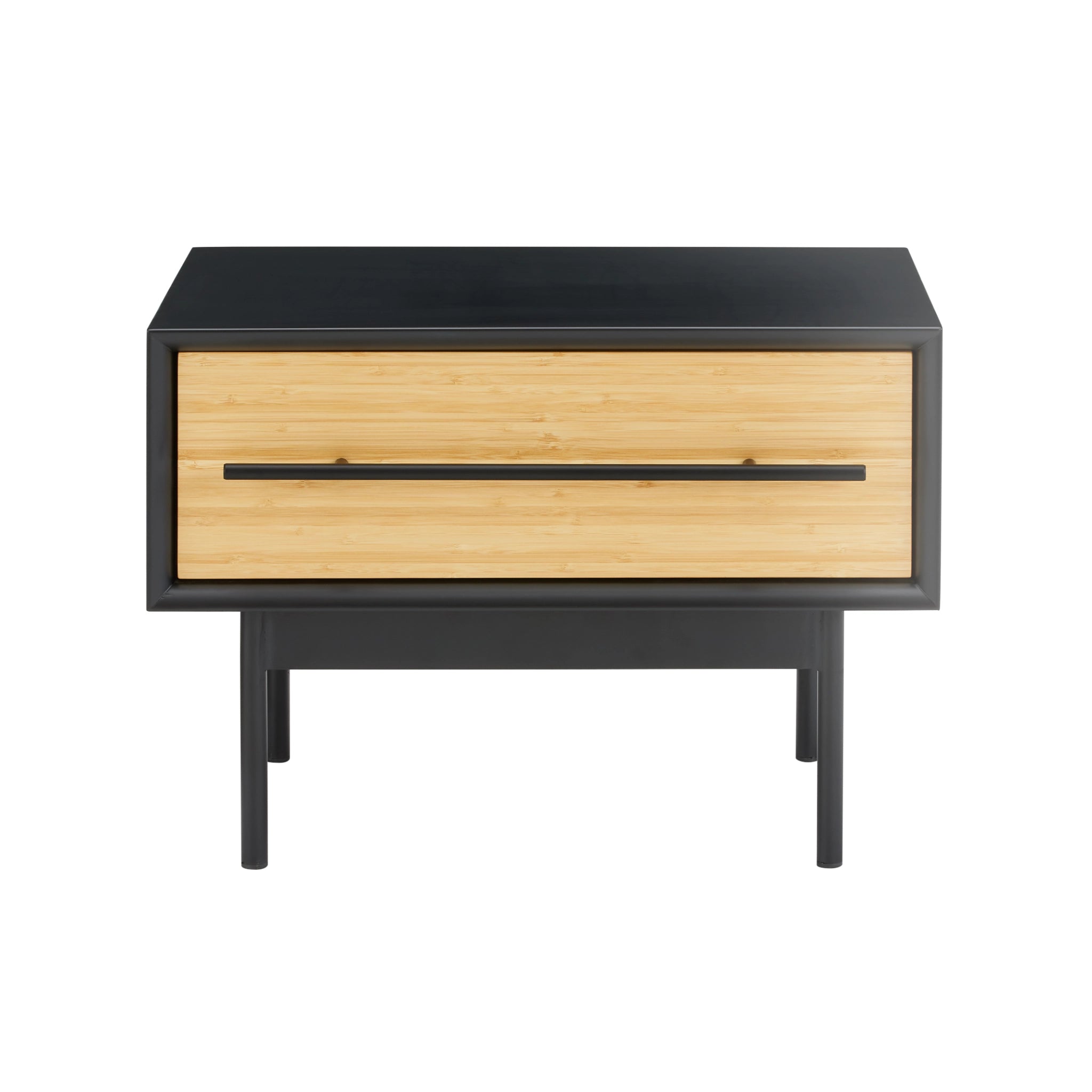
Japandi treats the bedside table as small architecture, part of the same restraint that runs through our wider japandi furniture collection. Legs stay slim so the floor keeps running underneath. A single drawer hides what a bedside collects, while an open shelf keeps a book in reach. In low light the wood does the work, its grain deepening as shadow moves across a matte front.
How to choose a Japandi nightstand
Match the height to the mattress
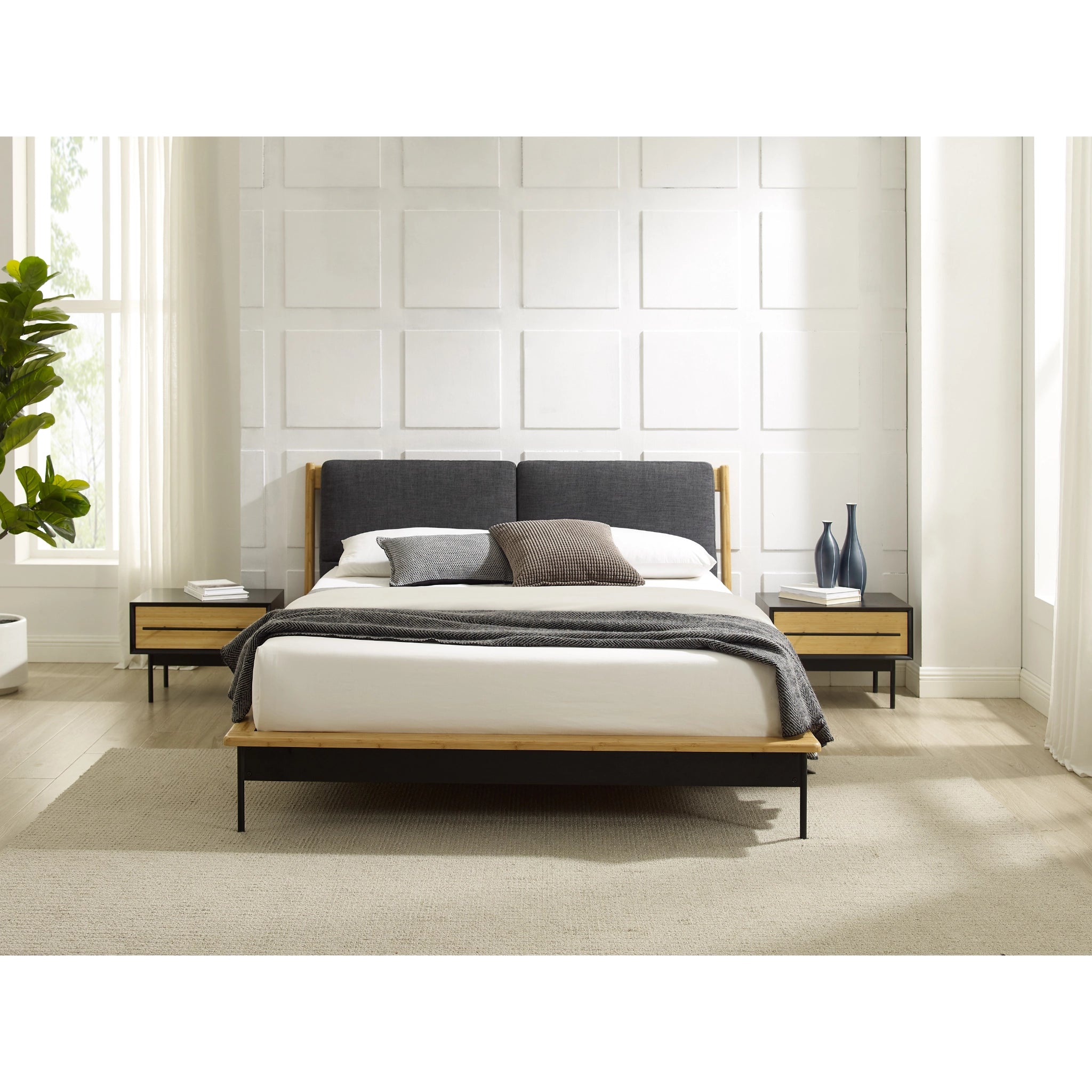
The measurement that matters is the gap between the mattress top and the nightstand top. Keep them close, within an inch or two. A bedside table that reaches well above the mattress pushes the lamp into your eyeline and throws light where you do not want it. One that sits far below makes you reach down for the switch every night. This is the detail most bedrooms get wrong, and the easiest one to get right.
Drawer, shelf, or open frame
A nightstand with a drawer keeps the charger and the reading glasses out of sight. An open shelf keeps a book within reach and lets the piece feel lighter in a small room. Choose by what your side of the bed actually holds, and leave depth for a lamp base plus a phone and a glass, or the top fills the first real night.
Wood and matte finish
Oak and ash read light and keep a room open; walnut and smoked oak deepen the mood in the evening. A matte surface holds the calm that gloss would break. Let the wood follow the japandi beds in the room, and echo the tone in a japandi dresser across the wall, so the pieces read as one quiet decision.
Scale in a small room
In a tight bedroom a floating nightstand or a slim one-drawer table keeps the floor visible and the room breathing. Where the bed sits low, a slightly taller stand brings the lamp back to reading height without adding bulk. The goal is a piece that settles into the room’s rhythm rather than competing with the bed.
Buying the pair
Two matching nightstands frame the bed and steady the whole wall, which is why a set of two usually beats a single stand. They do not have to be identical, but they should share posture and wood tone. These pieces are chosen by AURA Modern Home for proportion, honest joinery, and how they behave once the lamps are the only light left on. Settle the bed first, then let the nightstands and the rest of your japandi bedroom furniture answer it.