

Accent Cabinets


That item has been discontinued, but here are similar options.


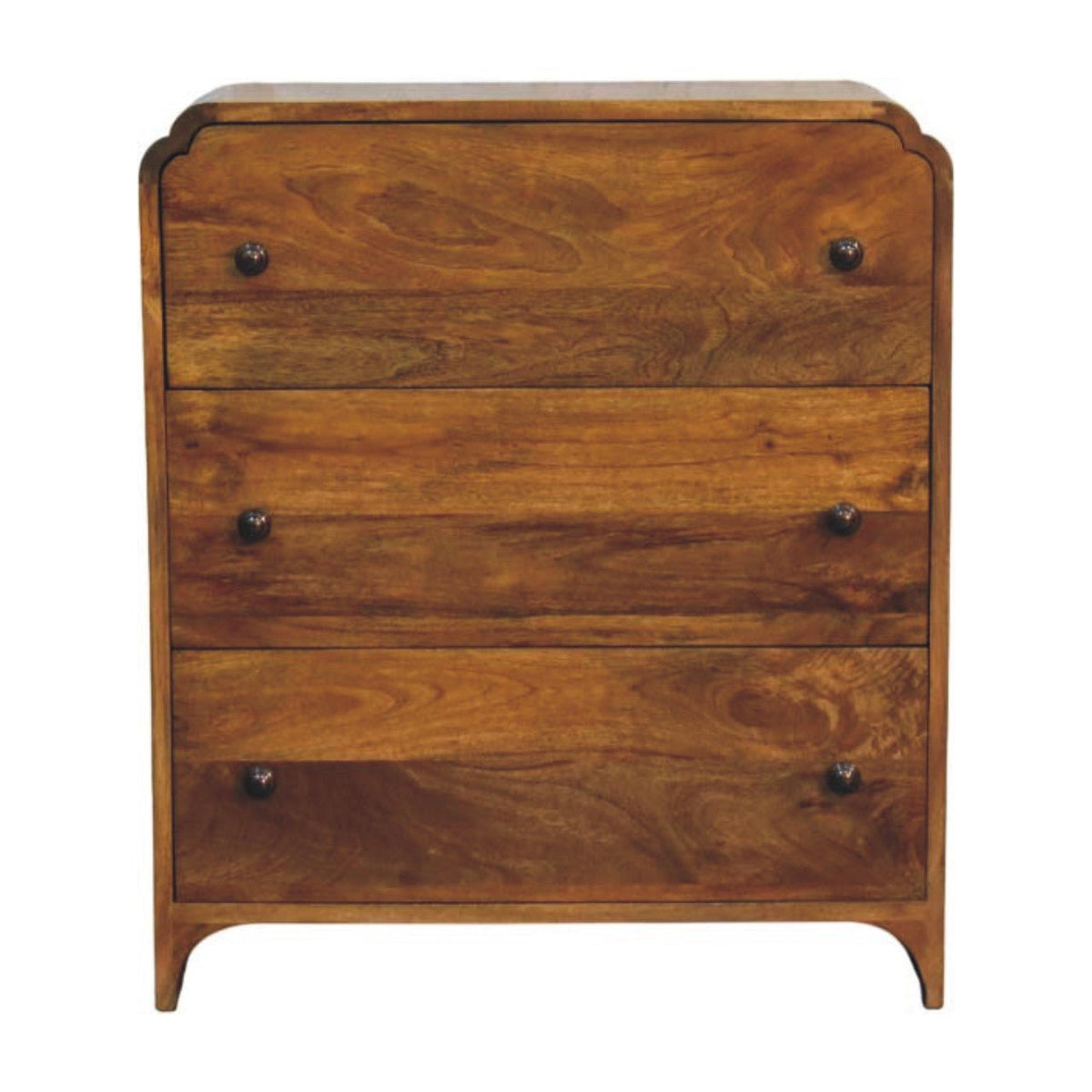

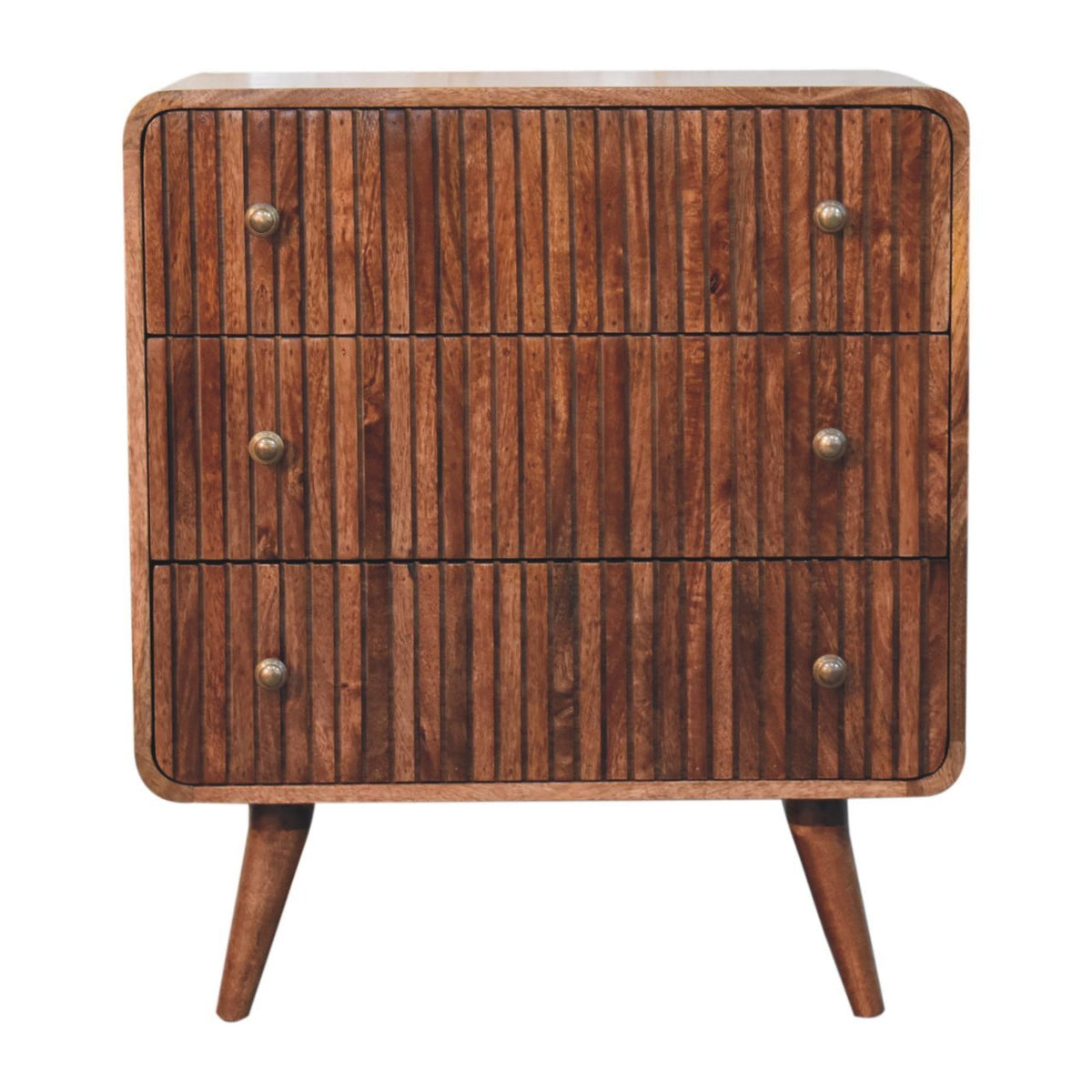

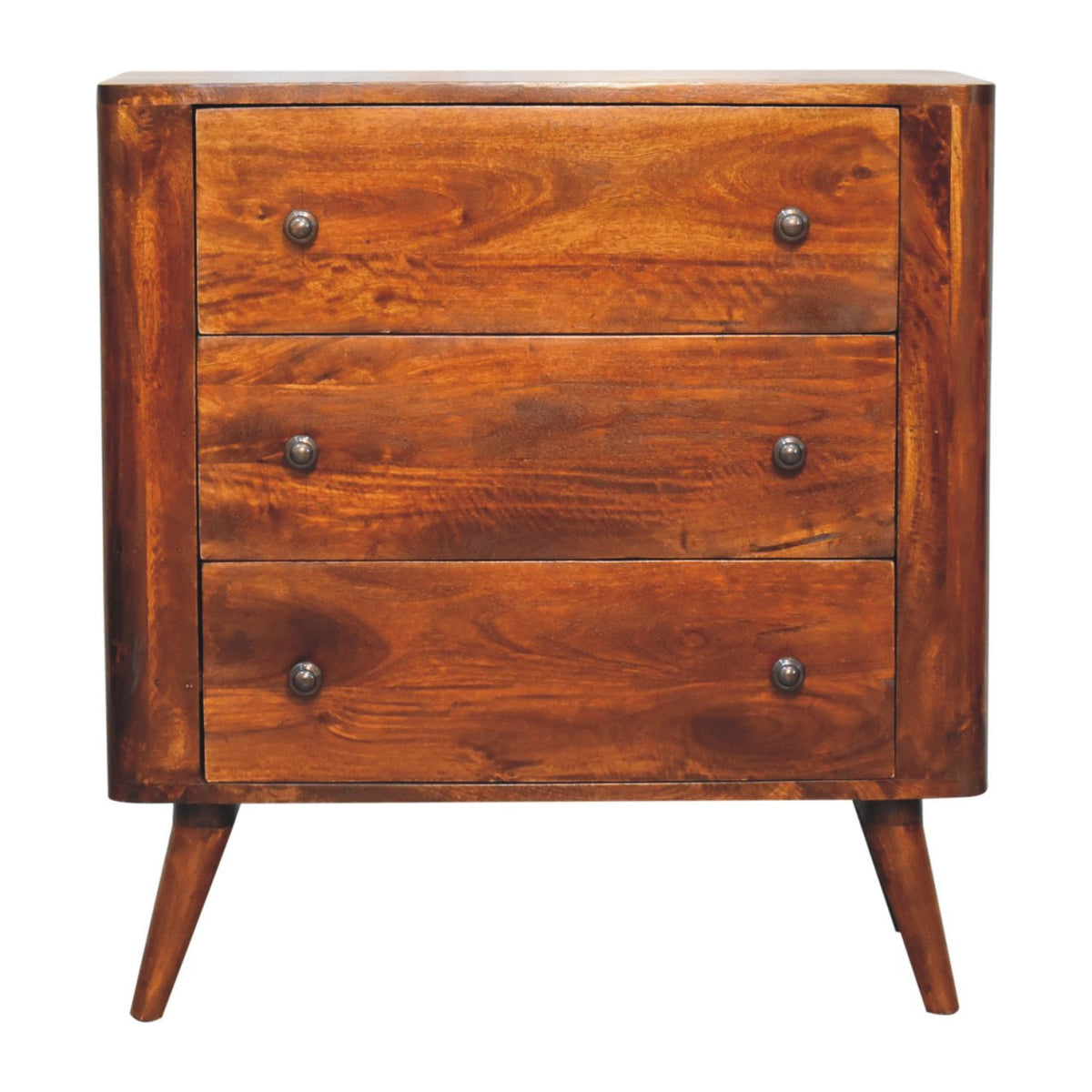

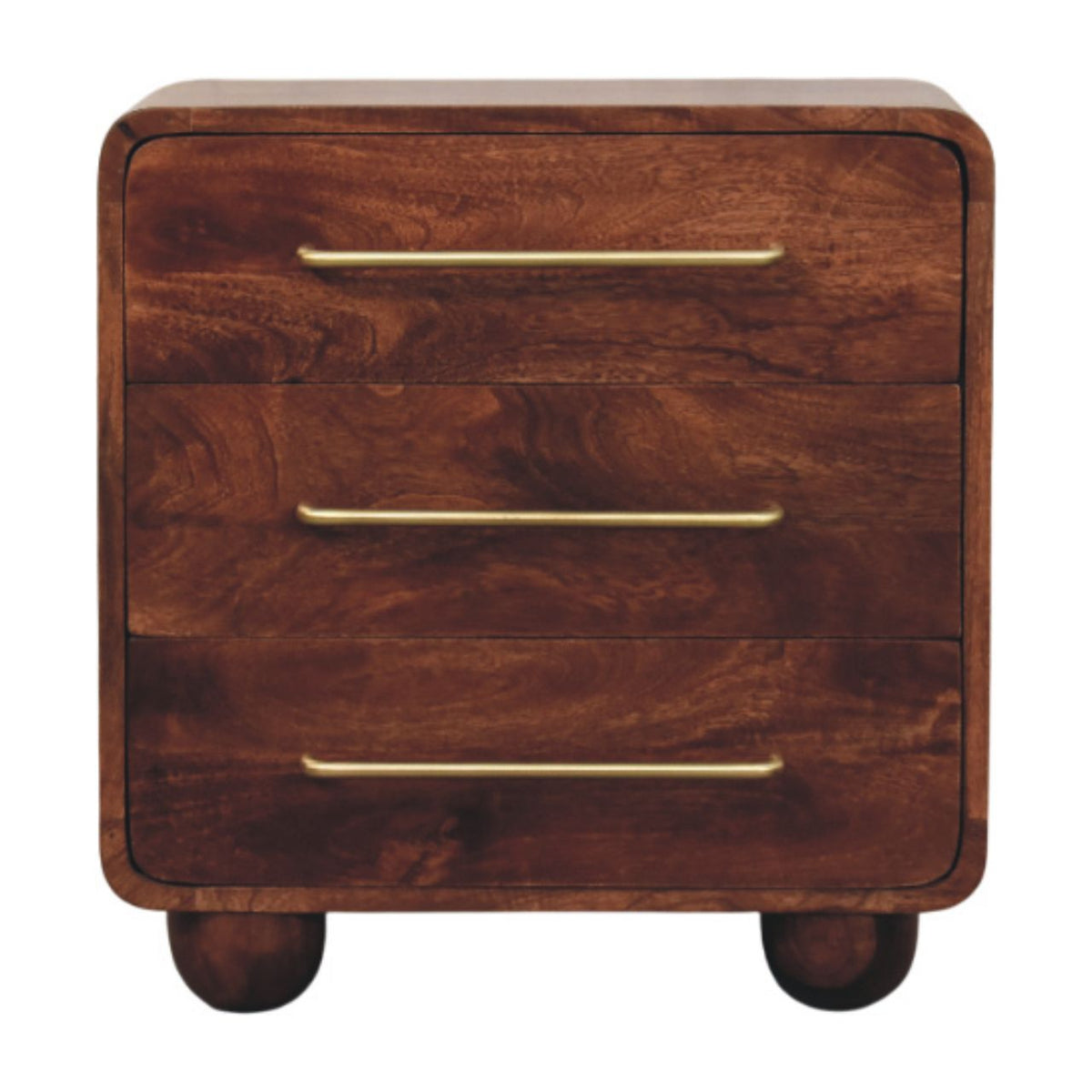

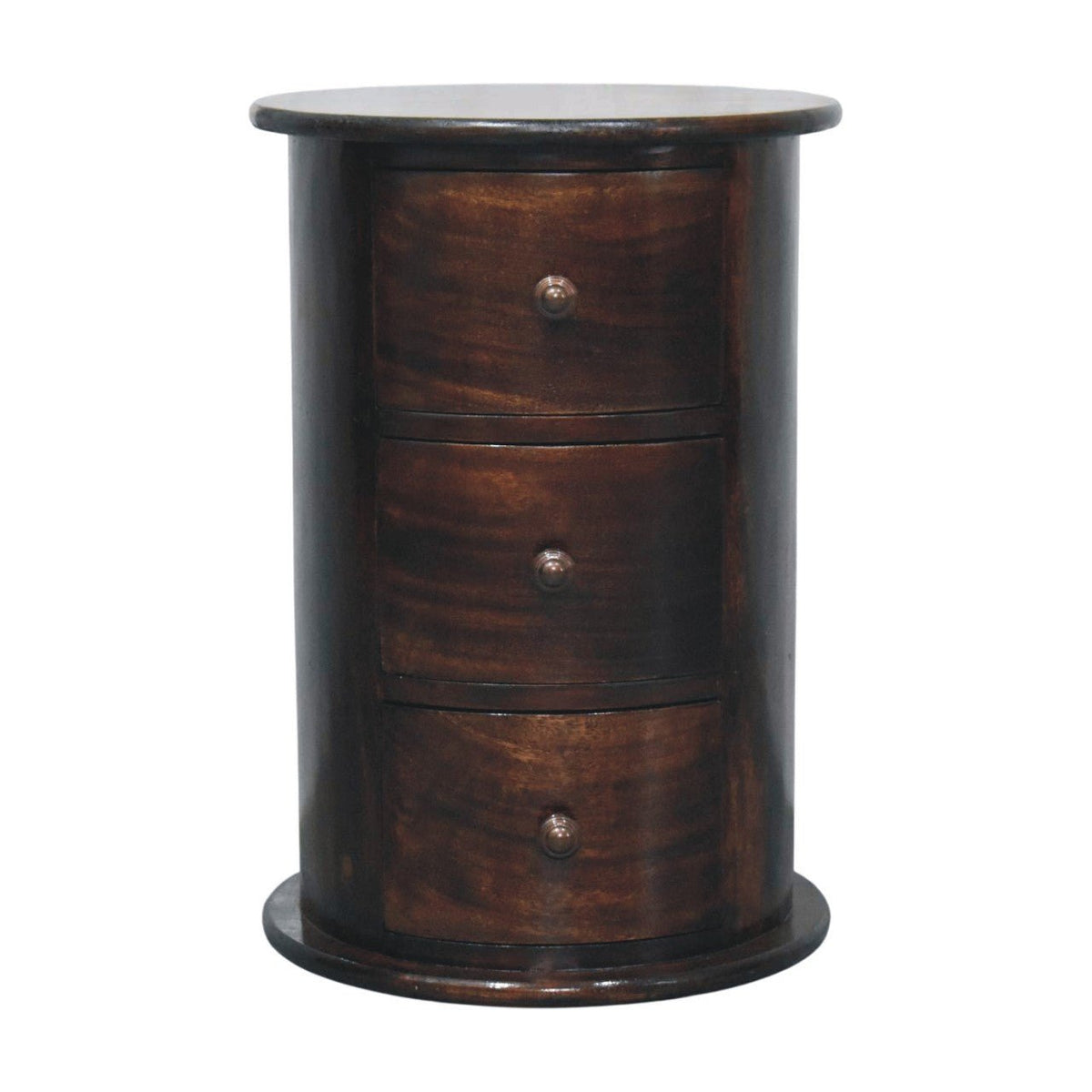


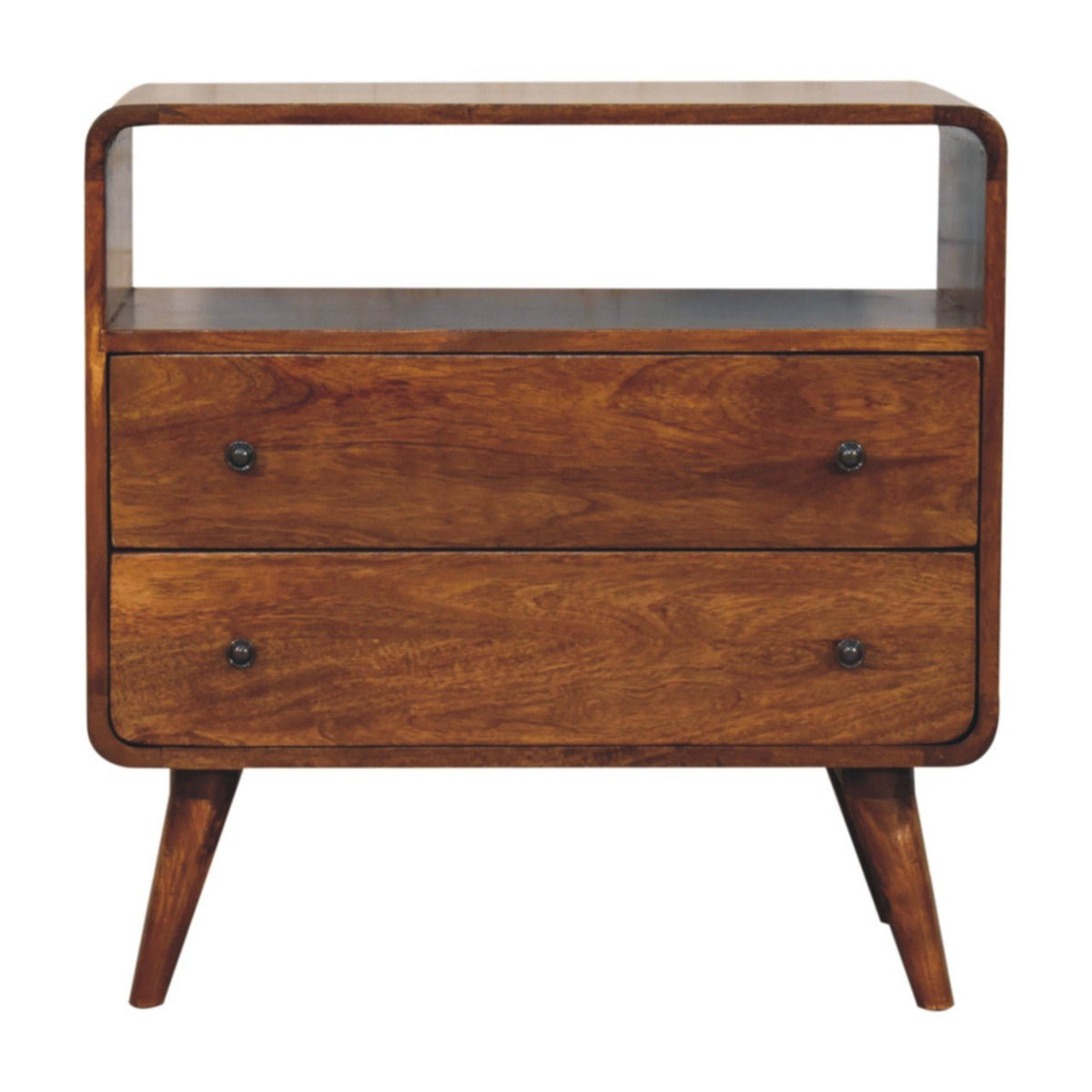

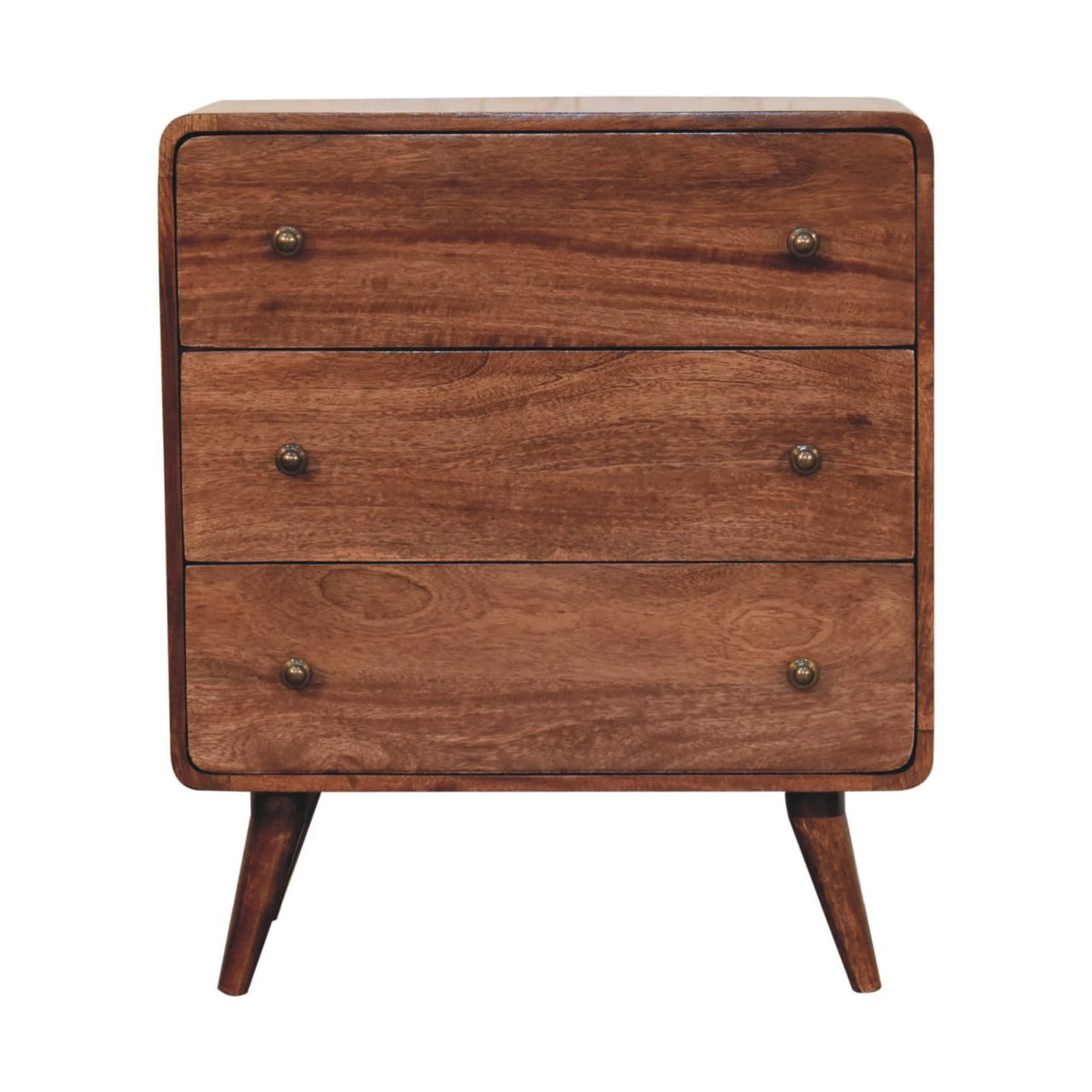

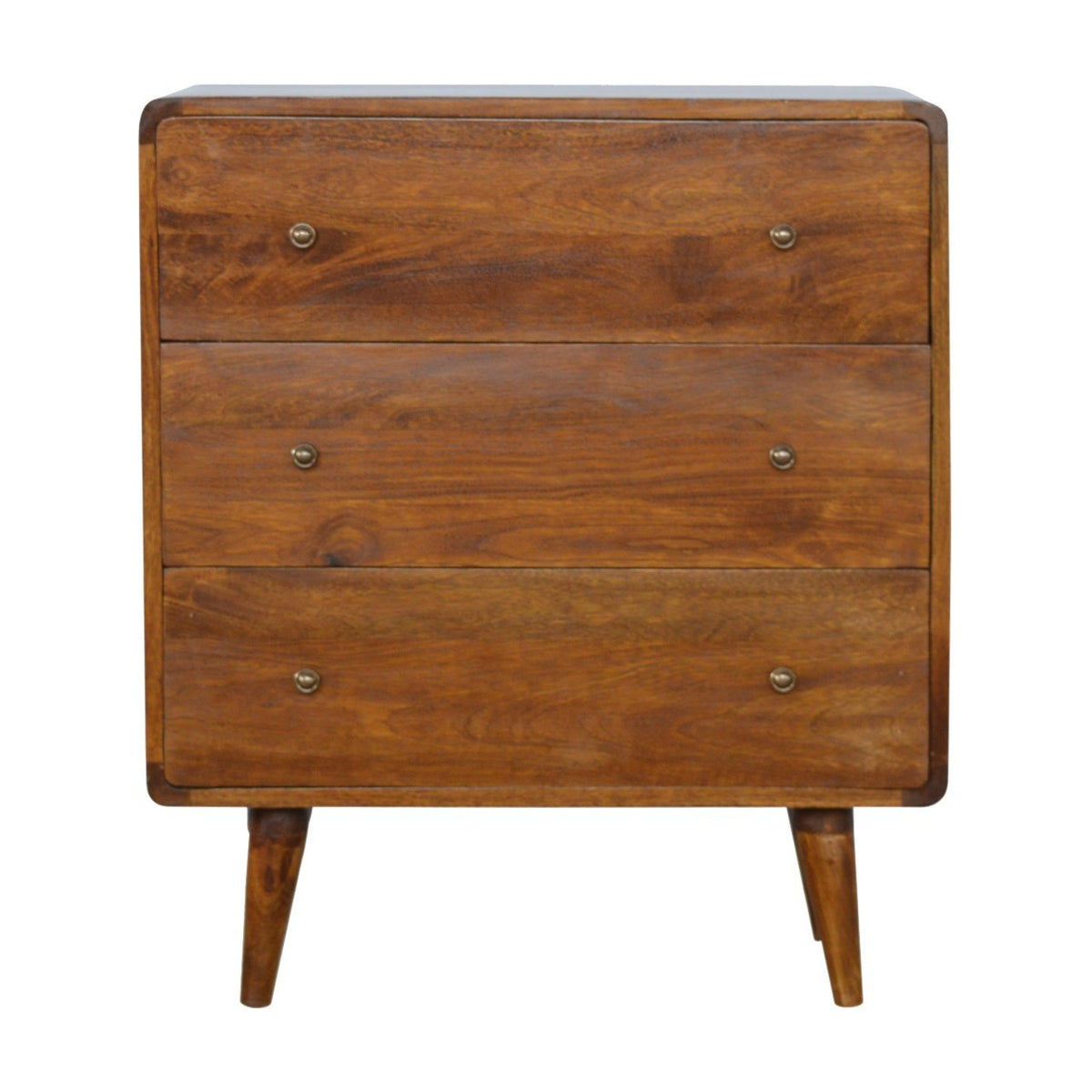


Most rooms have one wall doing nothing, and an accent cabinet is usually how I give it a job. Some lean on drawers, like our accent chests, while others close everything behind doors or glass, and most stand narrower and more upright than a sideboard. Pick by the wall first and the style second.
Reading the wall before choosing an accent storage cabinet
Put a cabinet against a wall and the wall stops being background. A long, low piece pulls the eye sideways and settles the room. A narrow, upright one draws it toward the ceiling and makes an entry or a corner look deliberate. With any accent storage cabinet, that choice comes ahead of finish and hardware. In daylight the difference is subtle. At seven in the evening, with one lamp on, the cabinet is often the shape your eye lands on first, and its outline is what you notice.
Doors are the second decision. Solid fronts give visual quiet and hide the overflow. Glass fronts turn storage into display, and our accent cabinets with doors cover both, including glass front pieces lit from inside.
Choosing an accent cabinet for living room walls
Most living rooms already have one big horizontal in the sofa or a media console. Accent cabinets for living room walls tend to work upright, in a corner or the narrow strip beside a window, where they break that line and the room starts to feel layered rather than lined up.
Height sets the mood before style does
Our tall accent cabinets start at 60 inches, and at that height a tall accent cabinet with doors or an arched display cabinet reads as part of the room's structure. A cabinet at the wrong height looks like a leftover. Measure door frames and window heads first, then choose a piece that lines up with the trim or clearly clears it.
Finish decides how an accent cabinet behaves at night
Wood tones warm up under lamplight. Walnut and mahogany go deeper, while natural oak and caramelized bamboo turn golden. Our black accent cabinets go the other way: hand rubbed black and ebony recede in low light, so brass pulls and edges pick up what glow there is. In a pale room that contrast is the point. In a dark room a black cabinet can vanish, which is fine if that is what you wanted.
Scaling an entryway accent cabinet
An entryway accent cabinet has to hold keys, mail and gloves without swallowing a narrow hall. Our small accent cabinets stay 36 inches wide or less, which leaves room for the door to swing and for someone to get past it.
The long accent cabinet and the sideboard question
A long accent cabinet sits close to sideboard territory, and the line matters. A sideboard serves a dining table. An accent cabinet serves a wall, so it can stand behind a sofa, at the end of a hallway or beside a bed. Depth decides more than width here. A few pieces run as shallow as 12 inches, enough to hold a living room wall without pushing into the walkway, so check depth against your traffic path before you check width against the wall.
Accent cabinets that show their grain
Walnut and mahogany carry the darker end of this group, natural oak and solid bamboo the lighter one, with black oak, mango and acacia in between. Many wear brass hardware. Some fronts are hand carved, ribbed or faceted and throw small shadows when a lamp sits low beside them. Others are plain planes where the grain does the talking. Three busy surfaces in one sight line is too many, so let one cabinet carry the texture and keep its neighbors quiet.
Accent cabinet styles from Japandi to Old Money and Vintage
Japandi and Organic Modern pieces come in pale oak and bamboo. Mid Century cabinets lean on bamboo and acacia, a few on slim steel bases. Dark Academia and Art Deco shapes pair walnut with brass, and Old Money and Vintage pieces bring glass fronts, antique brass and metal leaf. If you match one thing to the furniture already in the room, match the base. Legs make a cabinet look lighter. A plinth or a solid base anchors it, and that one detail often matters more than matching the wood.
One accent cabinet, placed well
In a lot of rooms the accent cabinet is the piece doing the quiet structural work. Give the top a lamp, one object with height and something low, then stop. Set it with a little wall showing on either side so it reads as placed rather than squeezed. If you have to compromise, I would take the right height in a finish I am unsure of over the reverse. You learn to live with a finish. A cabinet that fights the trim line, you notice every time you walk in.