

Modern Office Desks
That item has been discontinued, but here are similar options.
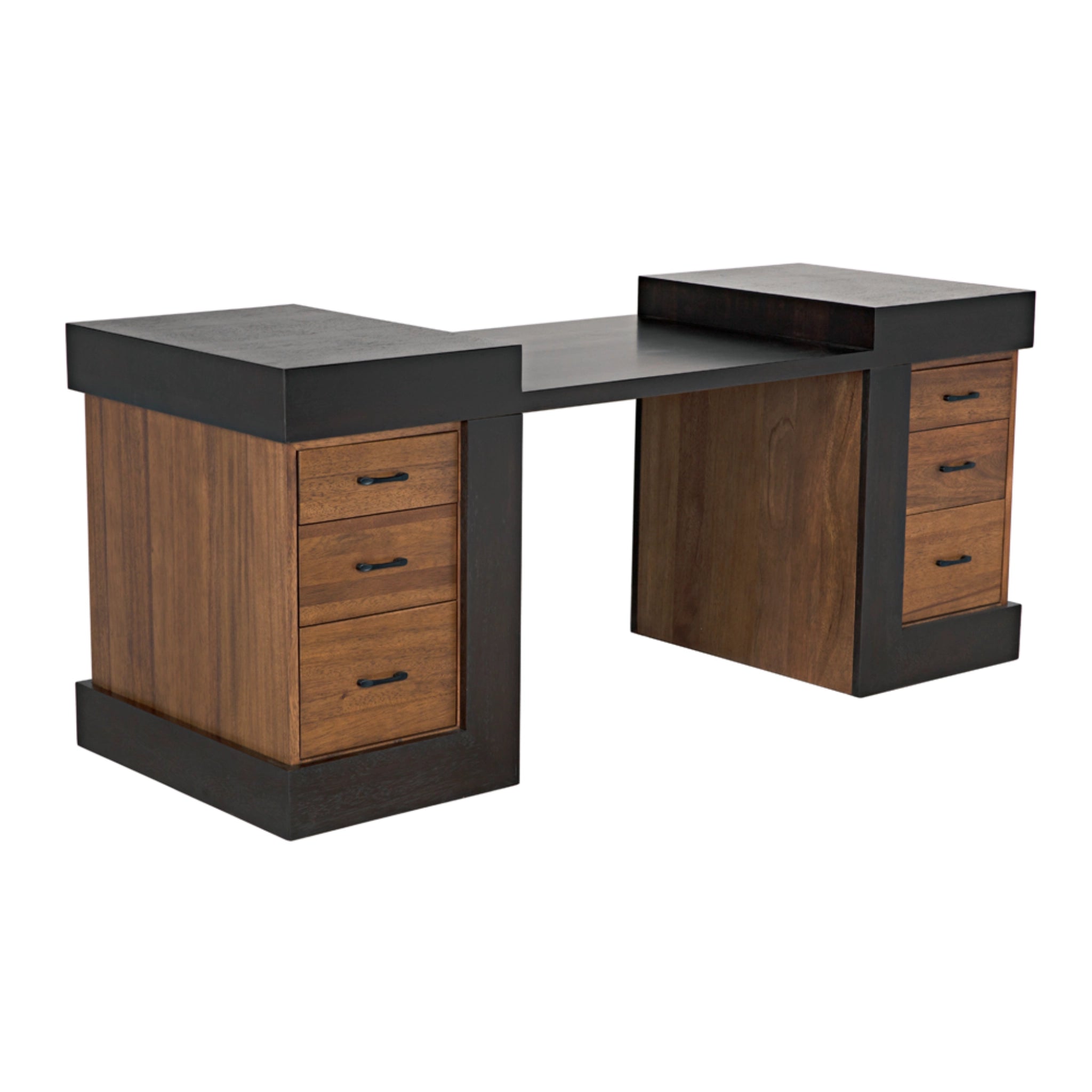
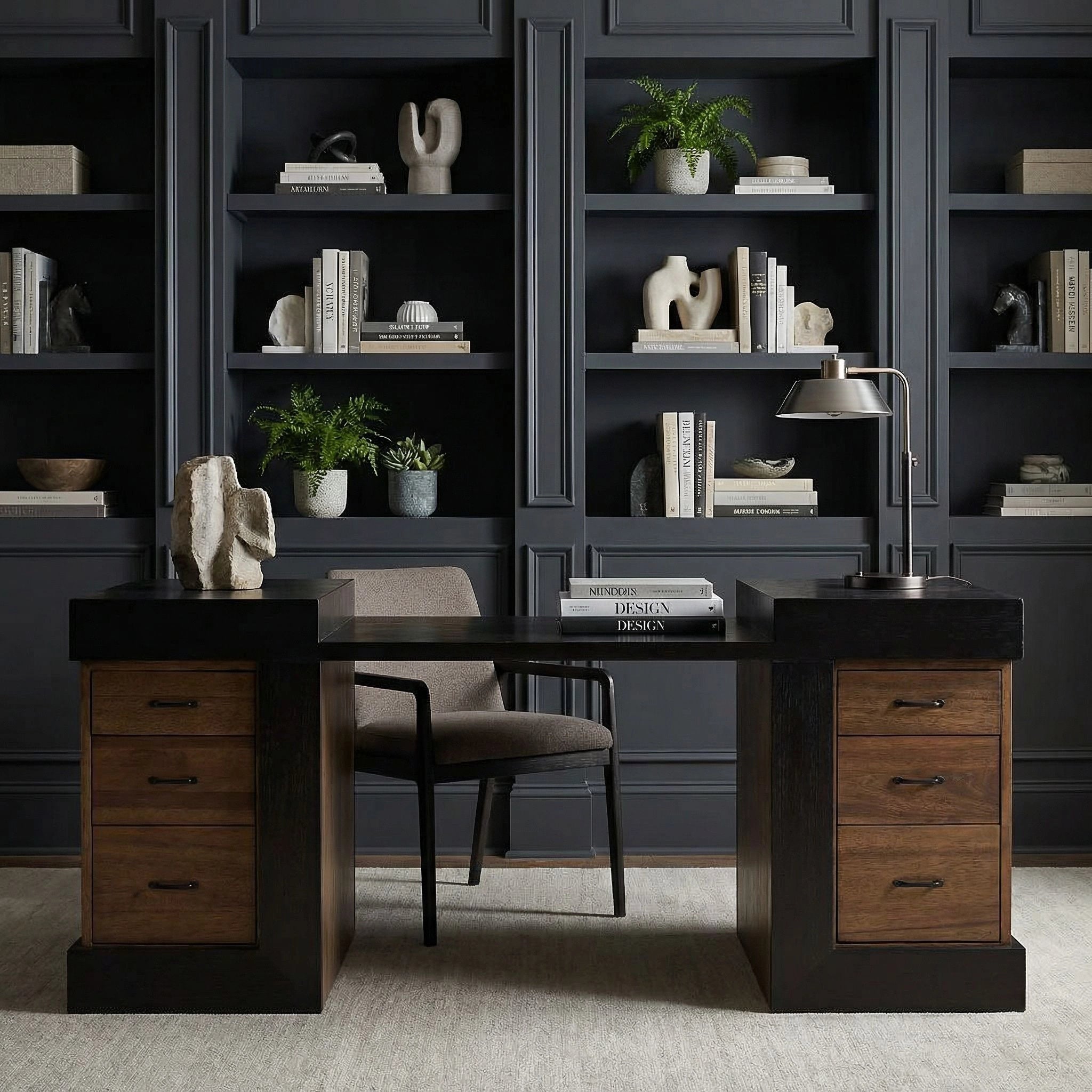


A Modern Desk as the Center of the Workspace
A modern desk brings structure to work through proportion, material clarity, and practical function. The category includes modern office desks, modern writing desks, modern computer desks, and modern executive desks, often shaped in walnut, oak, dark wood, metal, or leather-accented finishes for studies and home offices.
A modern desk is more than a work surface. It is a furniture category defined by use, scale, and design language. Shoppers will find modern office desks for daily productivity, modern home office desks for integrated residential spaces, modern writing desks for lighter visual presence, modern computer desks designed around technology, and modern executive desks for rooms that call for greater depth and authority. Materials commonly include solid wood, wood veneer, oak, walnut, dark wood finishes, black metal frames, and selective leather details. Storage formats range from open silhouettes to desks with drawers, cabinets, shelves, and concealed cable management.
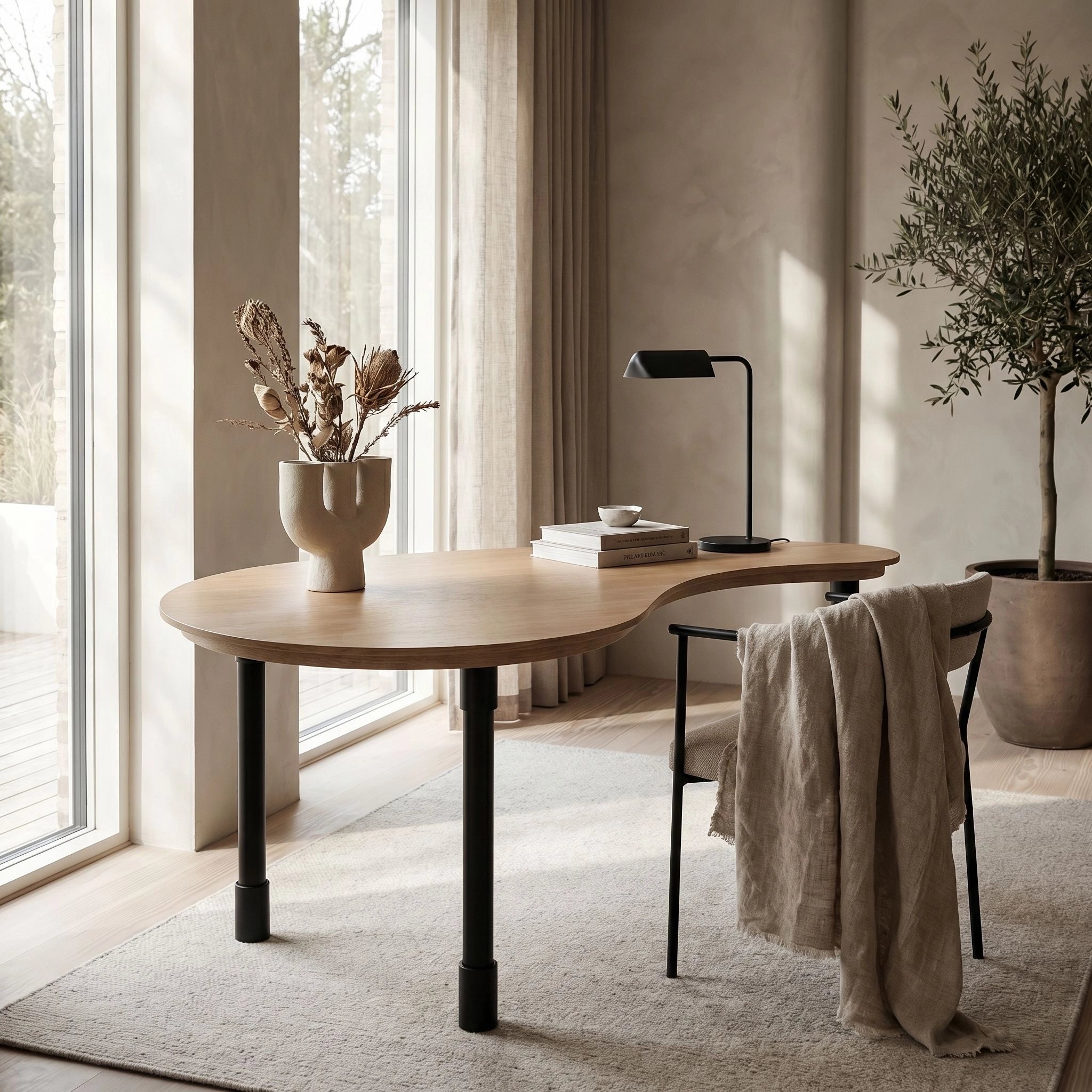
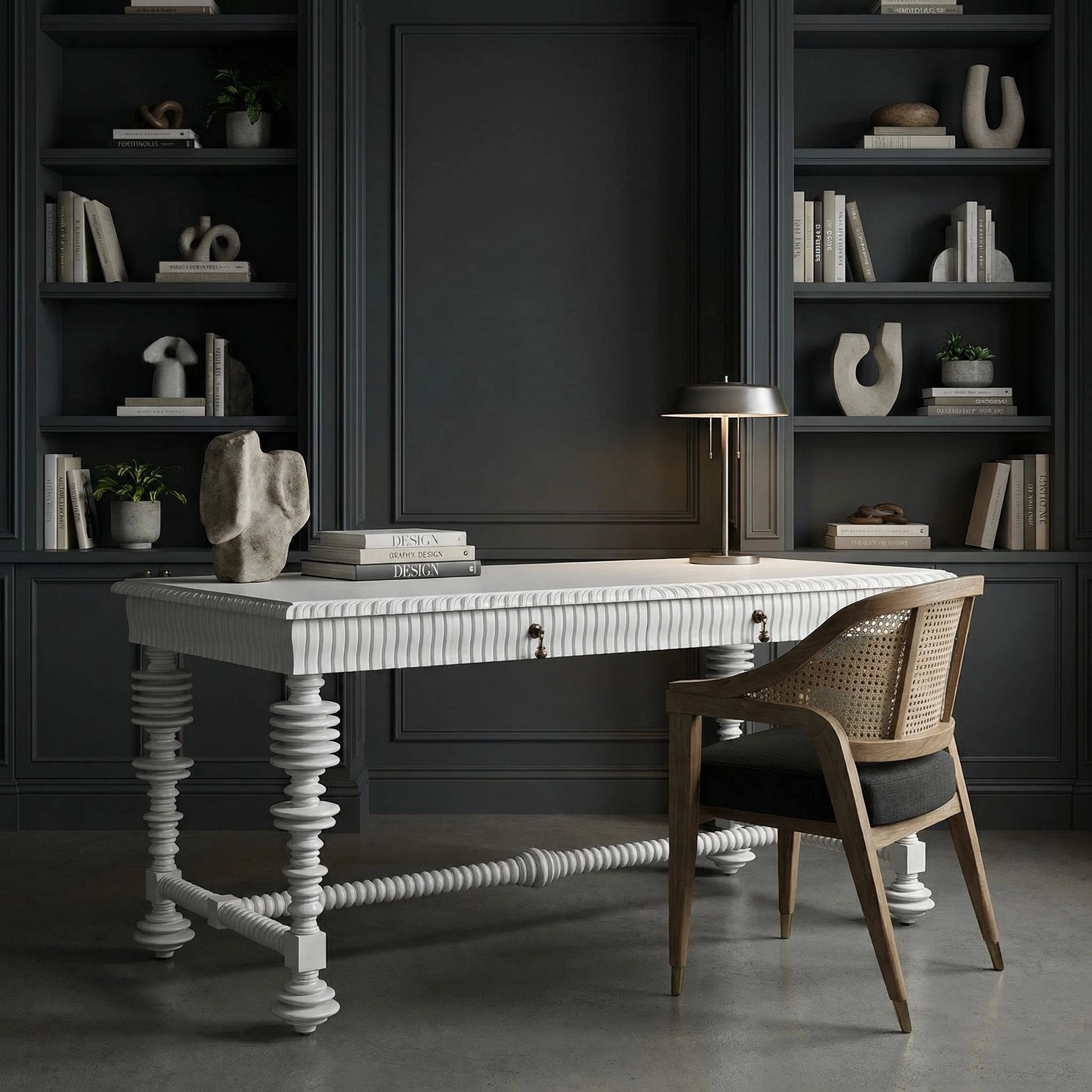
In a well-composed interior, the desk becomes the quiet center of the workspace. It may sit beneath art, opposite shelving, beside a rug, or under a pool of task lighting that reveals the grain of a walnut top late in the evening. For shoppers building a fuller setting, this collection sits naturally alongside modern furniture, a wider selection of home office furniture, the core office desk range, and more specialized modern executive desks.
Proportion, Scale, and the Discipline of Daily Work
A desk succeeds first through proportion. Width, depth, thickness, and negative space determine whether the piece feels composed or intrusive. The best modern desk designs rely on edited lines, measured mass, and enough surface area for a laptop, paper, books, and lighting without creating visual noise.
In the home, proportion shapes behavior. A surface that is too shallow forces the setup outward. A structure that is too heavy can flatten the room. The best modern home office desk anchors the space while leaving enough openness that the room can still breathe around it.
When the Room Needs More Visual Quiet
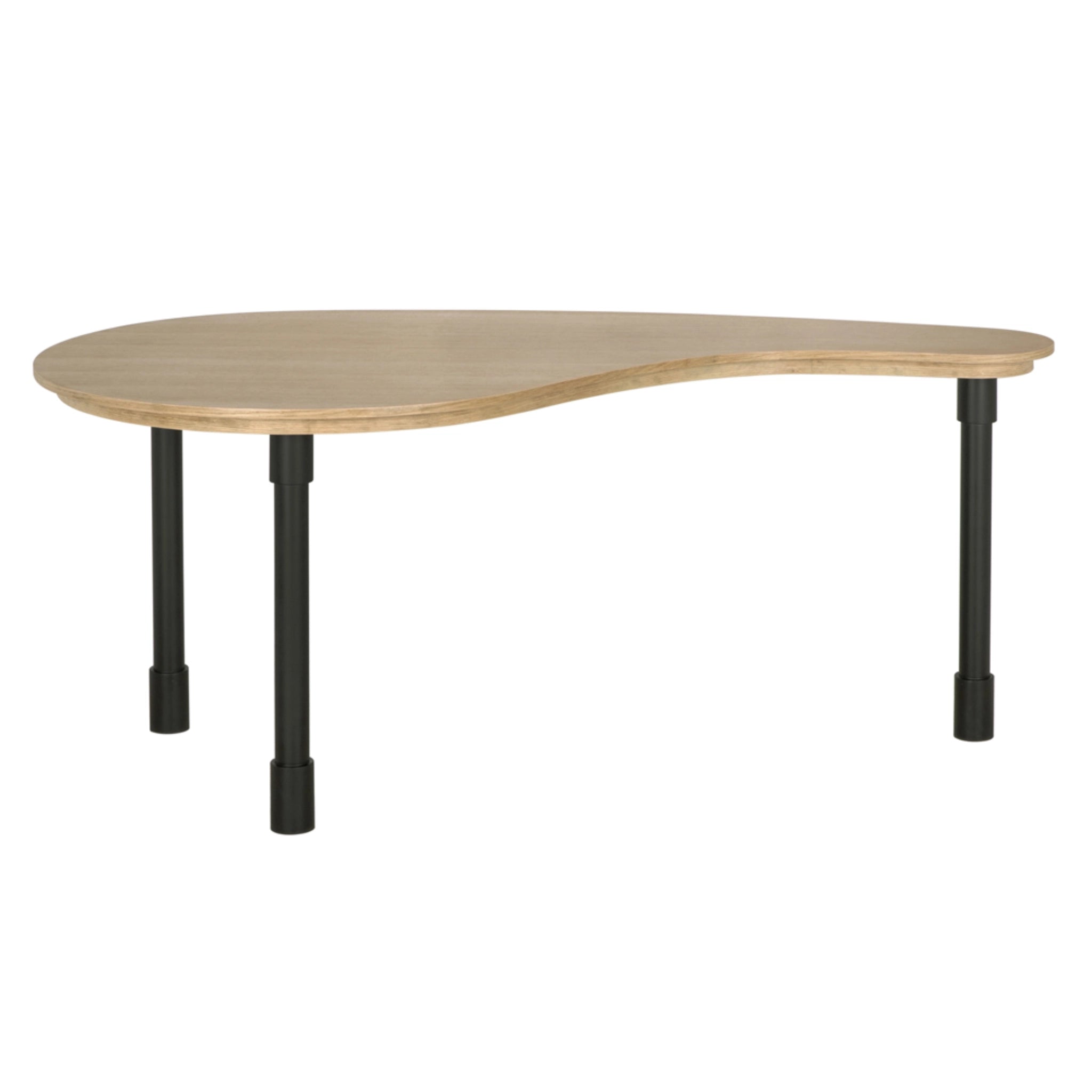
Some spaces ask the furniture to stand back slightly. In those rooms, the desk should feel precise rather than dominant. An open frame, a slimmer top, and a restrained material palette can help maintain visual calm without sacrificing function.
Modern Executive Desk Designs with Greater Presence
A modern executive desk brings a different kind of authority to the workspace. Where a writing desk favors openness and a computer desk often prioritizes technical utility, the executive form establishes presence through scale, storage, and material depth. A long top in walnut or dark wood can settle the room immediately, while panel ends or drawer pedestals introduce a more grounded weight.
Executive desks also support a broader range of needs, from writing and laptop work to document review and video calls, which makes integrated storage and generous surface area more important.
For Private Offices, Libraries, and Focused Home Workspaces
Placement changes how an executive desk performs. In a dedicated office, floating the piece slightly away from the wall can help it read as a focal point. In a study or library, the desk may align with shelving, window lines, or the axis of a rug, creating a room that feels intentional from every angle.
Material Depth in Wood, Metal, and Leather
Material gives a modern desk its lasting emotional weight. Wood remains one of the most compelling choices because it brings warmth to a category defined by discipline and structure. A modern wood desk can feel precise without becoming cold. Walnut is often favored for richness and depth. Oak tends to feel more open and breathable. Dark wood creates greater gravity, which suits libraries, executive offices, and rooms where the desk needs to act as a strong anchor.
Secondary materials should clarify the form rather than compete with it. Metal frames add precision. Leather introduces tactile contrast when used with restraint. Wood leads. Supporting materials sharpen the read of the piece.
Why Walnut and Oak Change the Mood of the Room
A walnut top often feels richer, darker, and more introspective. Oak tends to feel lighter and more expansive, which can be especially effective in a modern home office with daylight and a more open palette. Matte finishes reduce glare and align with a restrained modern sensibility.
Storage That Protects the Surface
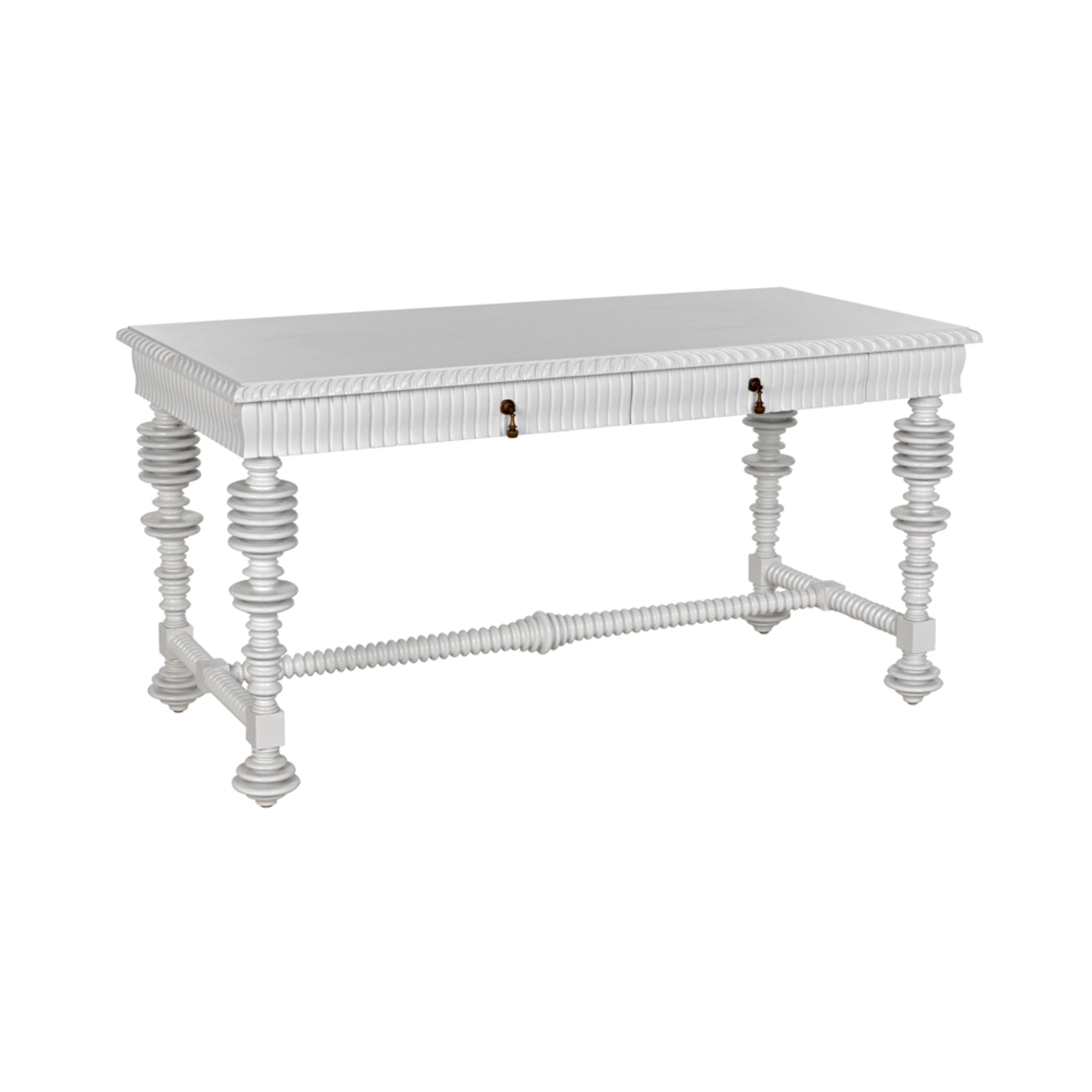
Storage determines whether the desk can stay visually clear over time. A modern desk with drawers allows paper, chargers, writing tools, and smaller daily objects to leave the surface, which helps the workspace remain usable and the room remain composed.
Not every shopper needs heavy storage, but every shopper benefits from the right amount. A writing-focused user may only need a slim drawer for paper and stationery. A business user may require deeper drawers, cabinet storage, or more integrated organization. The strongest forms integrate storage into the architecture of the desk itself.
Keeping Cables, Screens, and Tools in Their Place
A modern computer desk has to handle more technical pressure than a pure writing desk, but the best examples do so without losing visual control. Hidden channels, discreet cutouts, rear trays, and thoughtful drawer placement help preserve the clear surface modern interiors depend on.
The Lighter Appeal of a Modern Writing Desk
A modern writing desk offers a more reduced interpretation of the category. It is typically lighter in mass, more open beneath the top, and less dependent on substantial storage blocks. That makes it especially effective in bedrooms used as offices, study corners, reading rooms, and other spaces where the desk must live alongside softer domestic elements.
Where Openness Matters More Than Mass
Some rooms benefit from a desk that reads almost as a line in space. In those settings, openness below the top can be more important than storage volume or heavier construction. The silhouette leaves more air in the room and keeps sightlines intact.
Choosing a Modern Home Office Desk That Actually Fits
Choosing the right modern home office desk starts with honest use. How much of the day is spent writing. Whether the setup revolves around a laptop or a larger screen. How much storage is needed. Whether the room is dedicated to work or shared with other functions. These questions matter more than trend language because they determine the form that will still feel correct over time.
Dimensions should be judged against both task and architecture. Surface depth needs to support the work comfortably. Width should preserve circulation around the room. Finish should answer atmosphere, walnut for depth, oak for openness, dark wood for gravity, black accents for precision.
Dimensions, Layout, and What the Room Can Hold
Smaller rooms demand stricter editing, but they do not require giving up substance. Open frames often help sightlines continue through the room, which makes the space feel larger. Near a window, a slimmer writing desk can make strong use of natural light. Along a wall, a desk with drawers may offer more practical value while keeping the setup contained.
Questions Worth Asking Before You Buy
What defines a modern desk?
A modern desk is defined by clean lines, disciplined proportions, restrained detailing, and materials such as wood, metal, or leather used with clarity.
What is the difference between a modern writing desk and a modern computer desk?
A modern writing desk is usually lighter and more open, with less built-in storage and a simpler silhouette. A modern computer desk typically provides more surface depth, cable management, and organization for screens and daily technology.
When should I choose a modern executive desk?
A modern executive desk is ideal when the room can support greater scale and when the work calls for more surface area, integrated storage, and a stronger visual center.
Are desks with drawers better for home offices?
For many home offices, yes. Drawers help preserve a clear working surface, reduce visual clutter, and make it easier for the room to feel integrated with the rest of the home.
Which wood is best for a modern wood desk?
Walnut is often chosen for richness and depth, while oak is often chosen for a lighter, more open character.
What size desk should I choose for a home office?
The right size depends on the room, the kind of work being done, and how much surface area is needed for writing, computer use, or both.