

Mid-Century Modern Entryway Furniture


That item has been discontinued, but here are similar options.


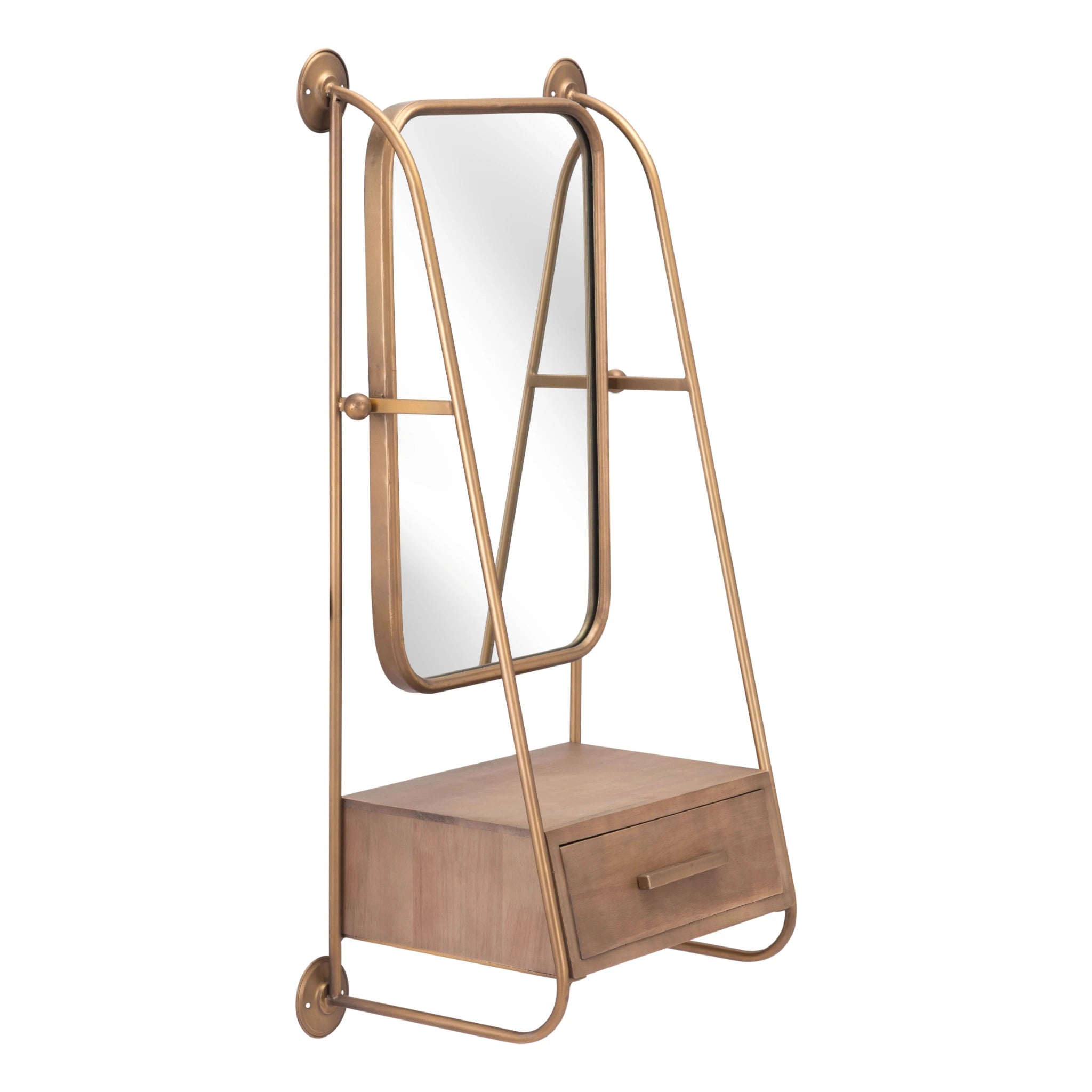
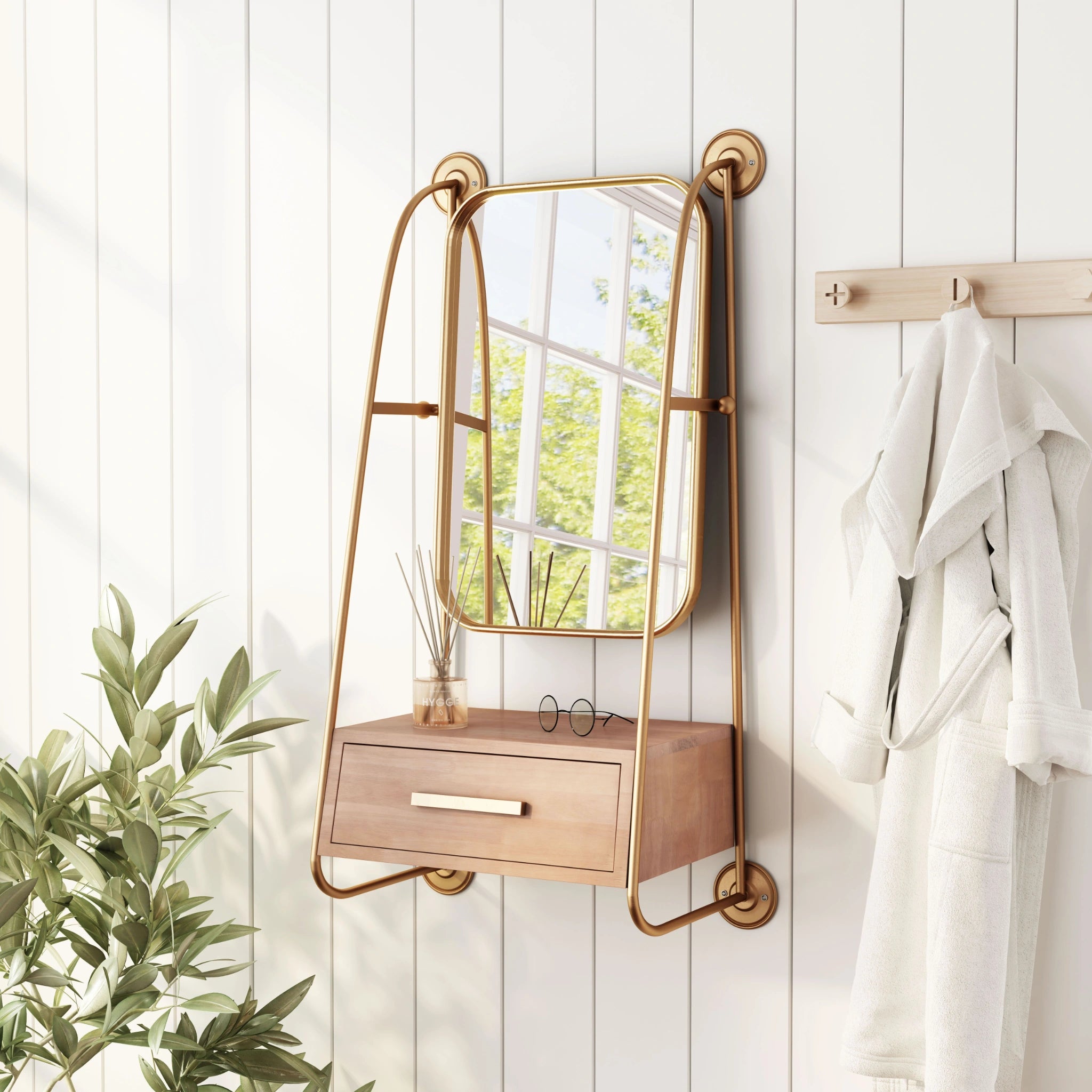


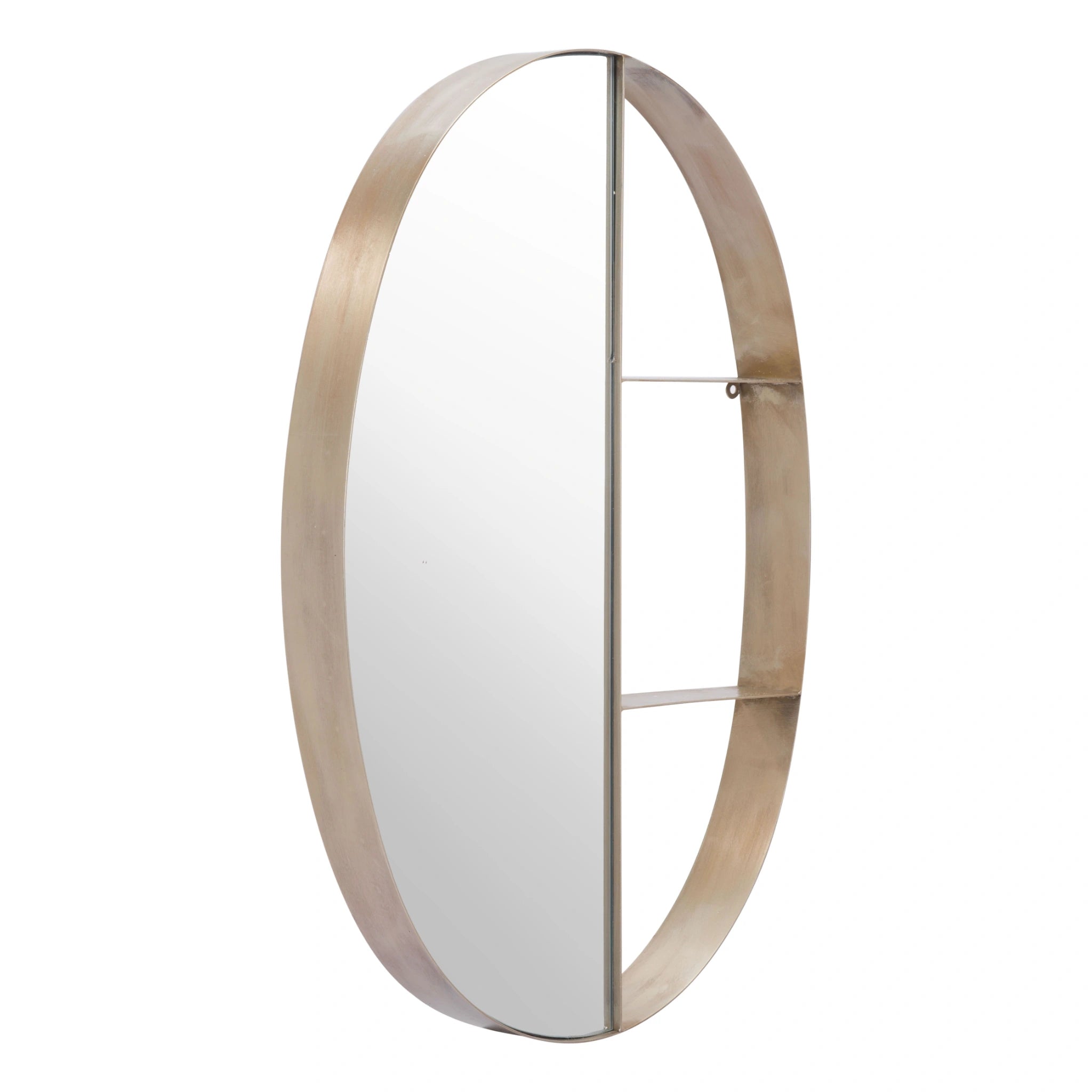
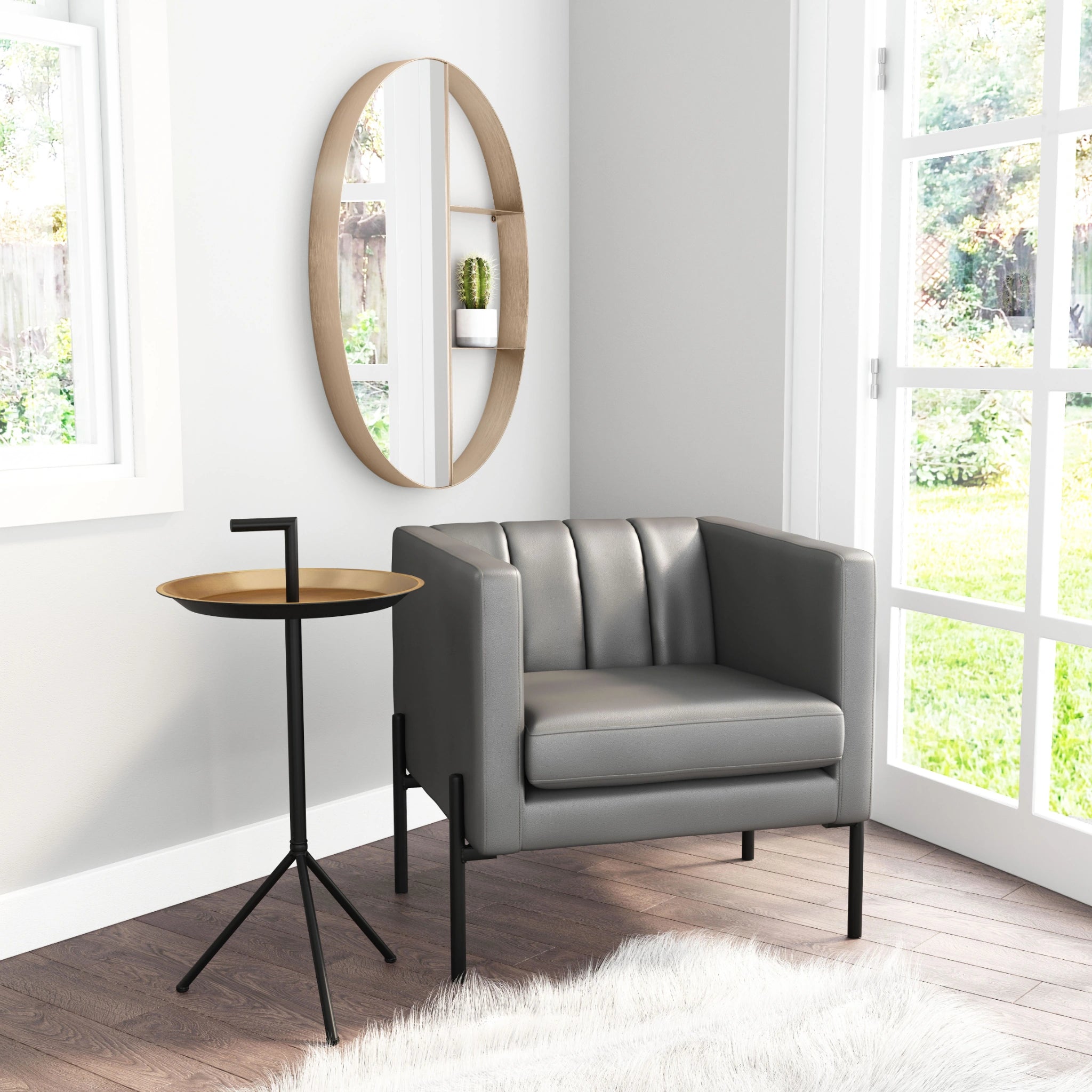


Mid-Century Modern Entryways That Set the Tone
A mid century modern entryway is not a place to decorate. It is a place to settle the house. The best ones feel composed the moment the door closes, with storage that recedes and surfaces that stay clear enough to breathe. At AURA Modern Home, the entry should feel calm before it feels styled.
Mid century modern entryways prioritize proportion, storage discipline, and calm first impressions. This page follows AURA’s curated home design by room philosophy, where each space connects to the next through restraint and material continuity. If you prefer to browse by mood, explore our room decor by aesthetic guide, or return to the Moody home decor homepage to see how AURA builds atmosphere across the house.
This collection is built around mid century modern entryway furniture that holds real life, not a vignette, and it sits inside the wider mid century modern catalog. A mid century modern console table should carry keys and mail without looking busy. A mid century modern entryway bench should add a grounded pause without crowding the floor. When these pieces are right, a mid century modern hallway stops feeling like a corridor and starts feeling intentional.
Mid century modern entryway ideas often focus on decor first, but the room settles when structure arrives first. The mid century modern entryway table establishes rhythm. Closed storage quiets the wall. Lighting softens tone so wood and materials register fully. This is mid century modern entryway design that works in daylight and still feels composed after hours, a modern mid century entryway that holds its posture daily.
Why entryways feel unsettled
Most entryways feel off for predictable reasons. The surface is too narrow, so it reads temporary. Storage is too open, so items never stop showing. Or the lighting is too bright, flattening materials and color.
If the space feels cramped, scale is usually the issue. A longer console table often makes a narrow hallway feel calmer by reducing visual interruption. If the space feels cold, lighting is usually the fix. Warm light changes how wood and walls are perceived.
Console tables and the discipline of the surface
The first surface receives the day. A mid century modern console table should balance function and movement, deep enough to work but not so deep that it blocks circulation. Too shallow and it clutters quickly. Too deep and the hallway stops moving.
Choose an entryway console table with storage if possible. Drawers contain keys, mail, and small items so the surface remains calm. This single decision often eliminates the need for extra shelves or hooks.
Benches, thresholds, and posture
A mid century modern entryway bench creates a pause at the threshold. It gives the body a place to stop and the room an anchor at the floor level.
If the bench feels visually light, pair it with an entryway rug that defines the footprint. In darker interiors, a dark academia entryway rug can ground lighter wood tones without making the space feel heavy.
Cabinets and hallway storage
A mid century modern entryway cabinet works best when it closes. Closed storage reduces visual noise and keeps the entry from feeling busy. Sideboards and credenzas are especially effective in longer hallways where shoes, bags, and baskets need a home.
Storage furniture also resolves the wall. Once the wall has purpose, there is less temptation to over-decorate.
Walls, mirrors, and restraint
Mid century modern hallway furniture needs a resolved wall above it. A mirror sized to the furniture below often works best. Small mirrors centered over long consoles tend to feel temporary.
If art is used instead, treat it as a single decision. One larger piece usually reads calmer than several smaller ones. In moody homes, dark academia entryway wall decor can work when frames and tones repeat elsewhere.
Lighting that completes the space
Entryways often rely on overhead lighting alone, which flattens surfaces. A table lamp on the console creates depth and softens walls. A pendant can mark the transition from outside to inside.
Lighting determines how wood reads. Walnut deepens. Oak softens. The fixture choice shapes the entire experience.
How to build the entry intentionally
Start with the console or cabinet, then build outward. Choose the primary surface first. Add a bench if the space needs grounding. Then introduce light. Hooks, baskets, and smaller items come last, once the structure is settled.
To explore foundational pieces directly, visit AURA’s hall and entry collection collection for entryway tables, benches, cabinets, and hallway storage aligned with this approach.
Selected by AURA for proportion, storage discipline, and how materials age with use, this collection brings together console tables, benches, cabinets, and hallway furniture designed to keep the entry calm and composed. Begin with the surface that receives your day, then let the rest of the space settle around it.