

Art Deco Entryway Furniture
That item has been discontinued, but here are similar options.


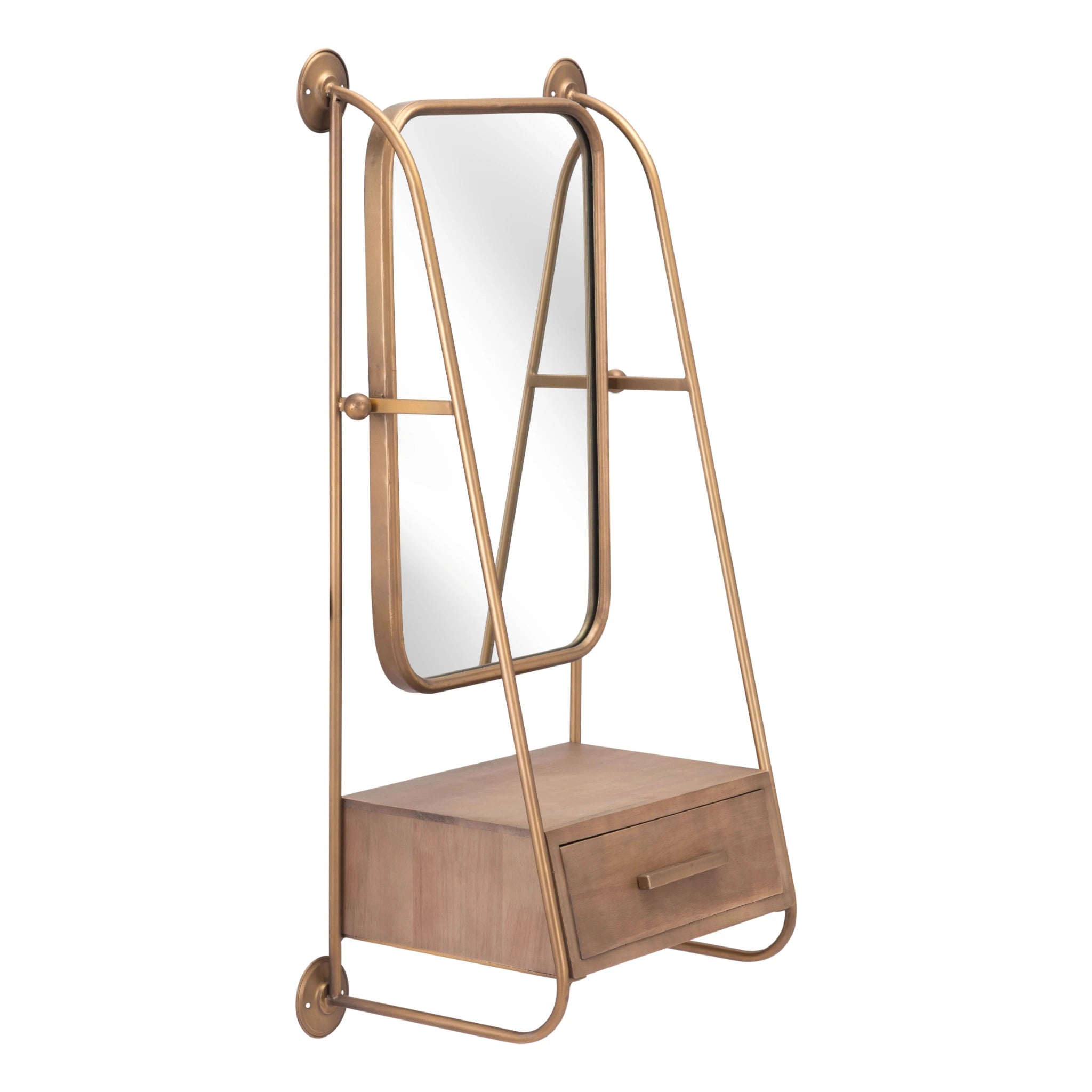
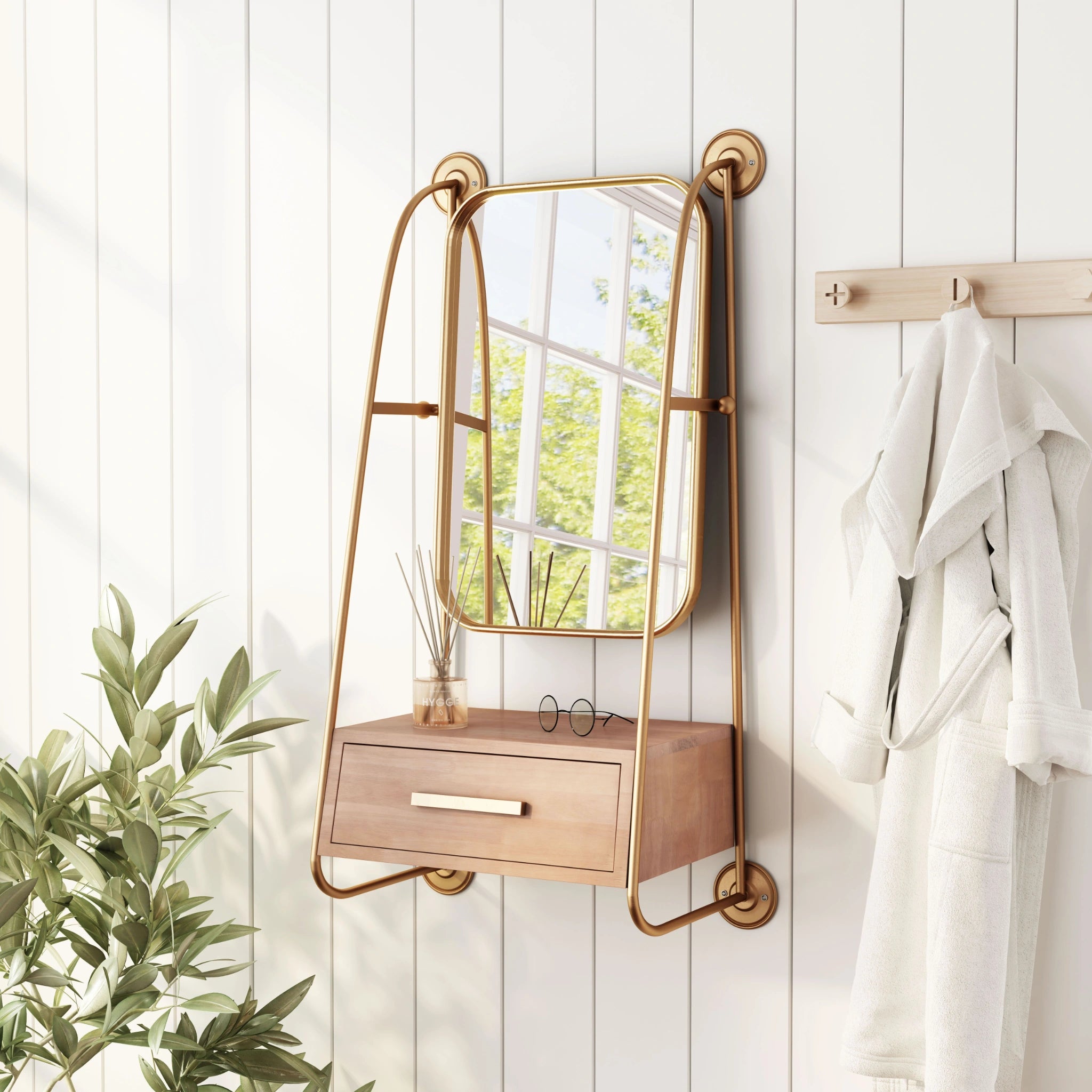
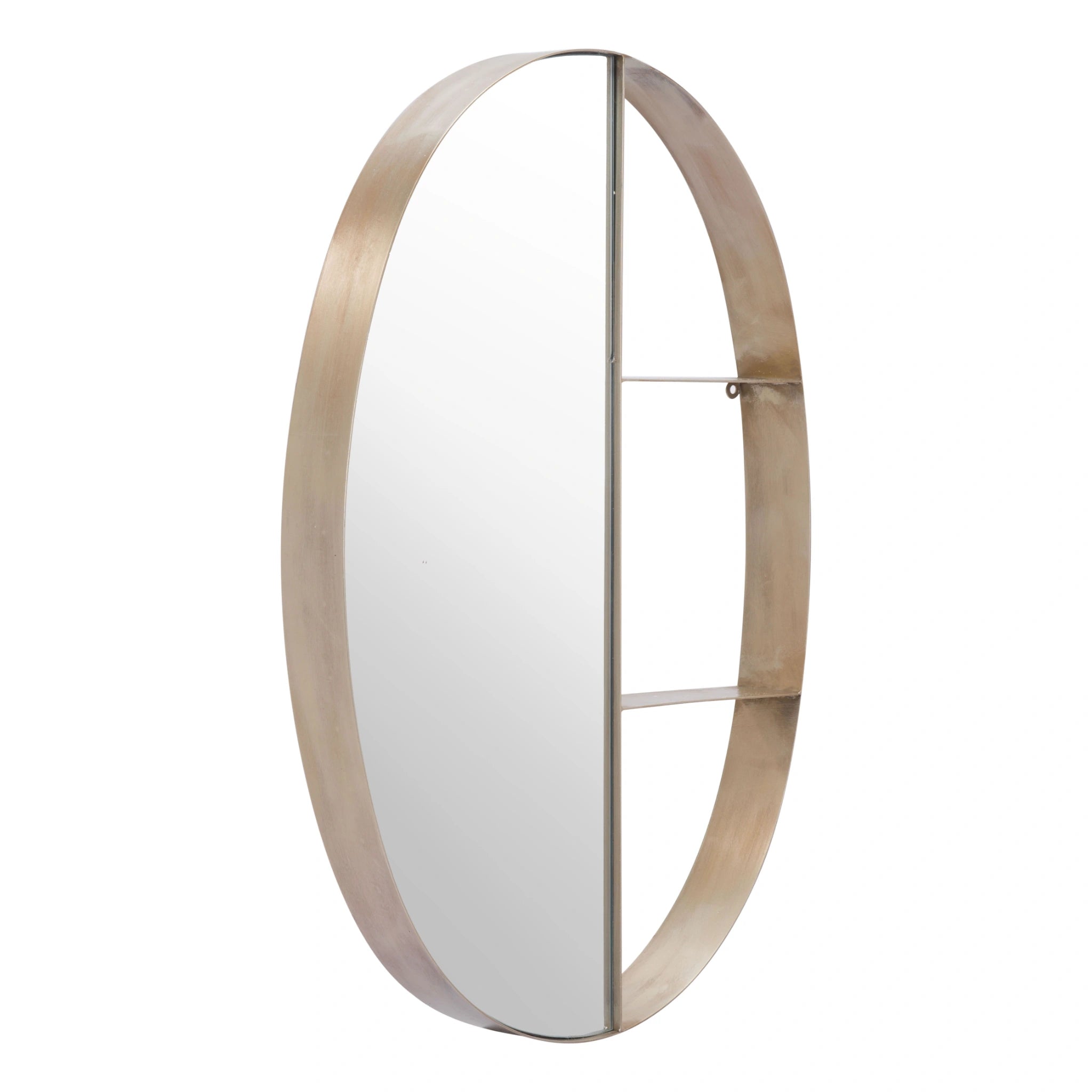
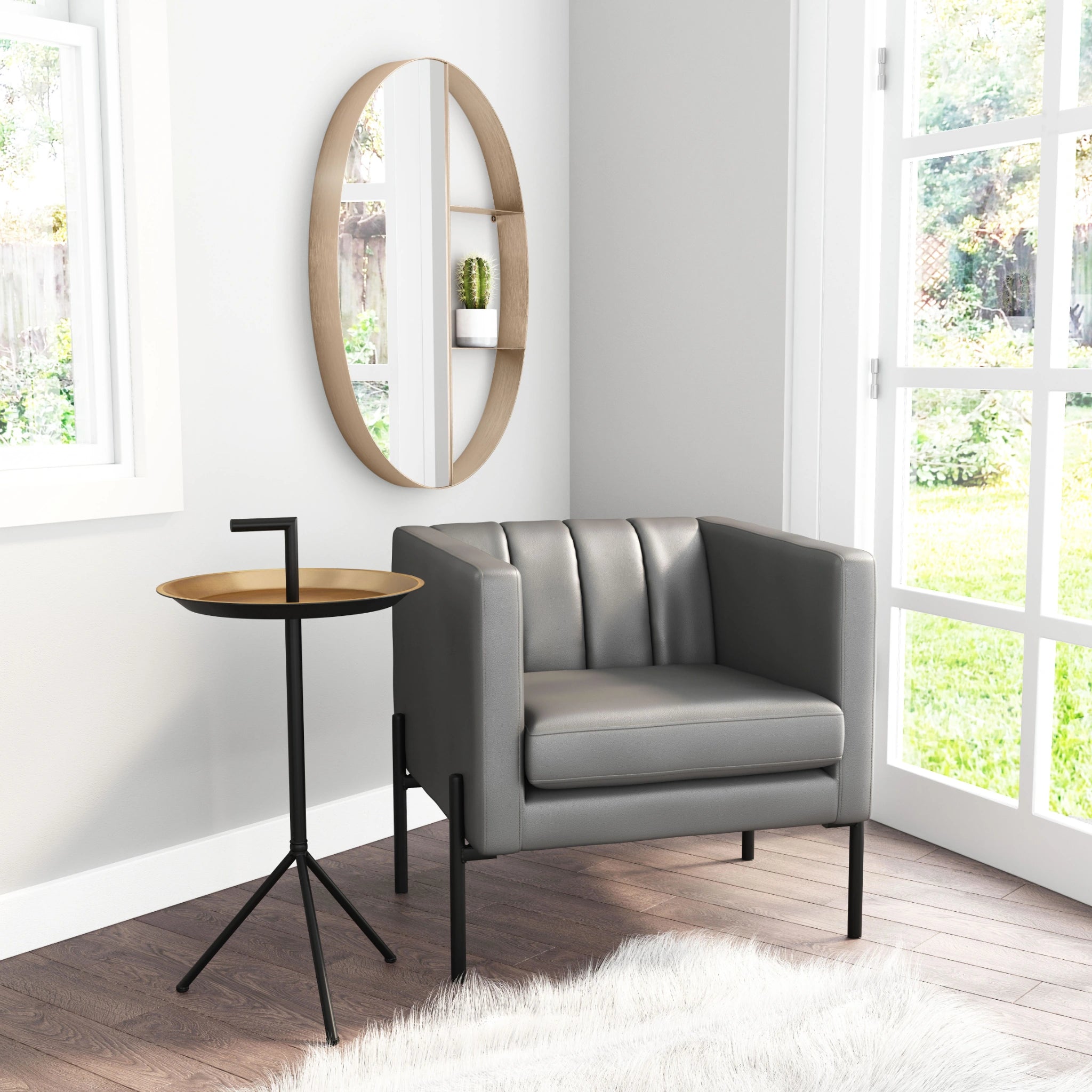


An Art Deco Entryway, Built for Arrival
An art deco entryway sets the tone before the rest of the house is even visible. Geometry does the structural work, materials add warmth, and low light lets surfaces feel deeper rather than loud. AURA Modern Home curates art deco entryway furniture for homes that prefer calm structure over decoration, starting at the door and continuing down the art deco hallway.
This collection includes console tables, credenzas, sideboards, benches, and hallway storage chosen for proportion, durability, and quiet authority.
If you are building across rooms, start with navigation rather than shopping. AURA’s shop modern furniture by room view keeps decisions coherent from entry to living spaces. For a mood-first approach, use our room decor by aesthetic index to browse by sensibility. For the wider house atmosphere, begin at Cinematic interior design shop and move room by room with the same restraint. To explore the full category range, visit our entry collection collection.
If you begin with one anchor, choose an art deco console table that reads as architecture, not a prop. In a modern art deco entryway, the console is supported by storage that reduces clutter, a mirror that holds light, and a rug that quiets the floor. An art deco style entryway works when the first surface you touch feels deliberate, whether it is an art deco entryway table, a credenza, or a low cabinet that controls arrivals.
This collection supports art deco entryway ideas without turning the space into a theme, from an art deco entryway bench for bags and shoes to art deco hallway furniture that keeps mail, keys, hats, and everyday items contained. Art deco entryway decor should add weight, not quantity. Luxury art deco entryway furniture should feel substantial without becoming heavy. Art deco entryway design succeeds when the space stays functional in daylight and settles quietly at night.
As you browse, compare depth, drawer placement, and clearance at the door before you look at finishes. Measure the clear path from the door first, then choose the shallowest piece that solves storage.
Start with the anchor | The arrival sequence | Layout and storage | Lighting and mirrors | Materials and tone | Diagnose what feels off
Start with the anchor surface
The entryway is a working space. A console table is not decoration. It is the first landing zone and the first signal of order. Choose an outline that feels stable and calm, with enough surface area for the items you actually use, and enough restraint to keep the wall from feeling busy.
If the entry is narrow, depth matters more than people admit. A slimmer entryway console table often performs better than a deep cabinet because it protects circulation. If the space is wide, a low credenza or entryway cabinet can add weight and storage without blocking flow. A useful test is the path from the door. If furniture interrupts the approach, the entry will always feel tense regardless of style.
A mental model that keeps the entry calm
AURA treats the entry as a sequence, not a display. Land, store, soften. Land means a surface that catches keys, mail, and bags without spreading them. Store means drawers, baskets, cabinets, and shelves that hide the clutter of arrivals. Soften means light, rug, and one controlled accent that keeps the space from feeling hard.
When that sequence is correct, the room stays calm even when delivery arrives, shoes pile up, or the day runs long. When it is missing, the entry becomes a dumping ground and the house feels noisier than it is.
Layout, storage, and daily friction
Most hallways fail on organization, not design. The space needs a predictable place for arrivals. Keys, mail, bags, shoes, and outerwear should land in the same area every time. When they do not, the surface becomes a catchall and the hallway never settles.
Use storage in layers. A tray or shallow bowl for keys. A drawer for daily items. Baskets below for shoes or bags. Hooks near the door if hats and coats need a dedicated home. If the entry includes an entryway bench, treat it as a functional pause. Seating should support putting on shoes without turning the space into a waiting room.
If you use open shelves, keep them disciplined. A few objects with weight is enough. Closed cabinets and an entryway table with storage reduce visual noise and make the space easier to live with over time.
Lighting and mirrors as structure
Lighting determines whether the entry feels calm or harsh. Overhead fixtures can exist, but a pendant alone often creates glare and shadow in the wrong places. A lamp on a console, or a pair of smaller lamps in a wider entry, widens warmth and makes the space feel settled after sunset.
Mirrors should be treated as structure, not decoration. They pull light deeper into a hallway and help a narrow space feel less tight. The mirror shape should echo the furniture geometry without becoming literal. The goal is quiet repetition, not a themed moment.
Materials, tone, and the difference between shine and noise
Art Deco works when materials carry contrast. Wood adds grounding. Metal adds warmth. Glass can add reflection, but reflection should be controlled in an entryway where light changes throughout the day. Too much shine near the door can feel restless.
Keep the tone coherent with the rest of the home. If the floor and walls are already high contrast, choose furniture that calms the space. If the walls are quiet, a stronger silhouette can hold the entry without additional decor. Plants can soften corners and add life, but they should not block circulation or compete with the anchor surface.
Entryway decor that stays functional
Art deco entryway decor should never block function. One object with presence, one piece of artwork, and then stop. The entry should feel complete even when you remove everything from the console. That is the measure of a well-built space.
A simple test is to watch the space for 24 hours. If the surface stays calm through arrivals, it is working. If it becomes a pile by the end of the day, you do not need more decor. You need stronger storage or a clearer landing zone.
An art deco entryway table should support this discipline. If the table can only hold objects and cannot hide them, the room will always feel louder than it needs to be.
Diagnosing what feels off
If the entryway looks right but feels wrong, start with three checks. Does the furniture interrupt the path from the door. Does storage reduce clutter or simply move it to a visible surface. Does lighting create glare on the console and mirror, or does it widen warmth through the hallway.
The fix is rarely to add more items. It is usually to replace one weak element with a stronger, better proportioned piece or to simplify the arrangement so the entry can breathe.
To connect this space to the rooms that follow, return to AURA’s modern interior design by room framework and build the home with the same logic throughout.