

The Ultimate Guide To Creating a Dark Academia Bedroom
Dark academia works especially well in a bedroom because the room already invites the right rituals: reading, resting, low light, and a sense of retreat. The best versions are not costume sets. They feel quiet, layered, and a little private, like a space built by someone who genuinely lives with books, texture, shadow, and time.
The AURA Blueprint
Dark academia lands when the room feels collected instead of themed. Aim for depth, not darkness for its own sake.
- Start with contrast: Pair one or two deep tones with warm wood, brass, parchment, or cream so the room still breathes.
- Buy weight first: A bed, rug, lamp, or desk with presence will shape the room faster than a shelf full of props.
- Let materials work: Velvet softens light, dark wood adds gravity, and aged metal keeps the room from feeling visually flat.
- Avoid the common mistake: If every surface is equally dark, the room reads muddy, not scholarly.
You might think the look is simply an offshoot of gothic fashion or design, but dark academia is better understood as a modern aesthetic with older references. It borrows from Romantic painting, Gothic architecture, campus novels, library interiors, and the cinematic mood of candlelight against worn wood. In other words, it is not historical reenactment. It is a livable translation of those ideas.

The History of Dark Academia
As a named aesthetic, dark academia is newer than the influences it draws from. Its visual language pulls from Romanticism, old libraries, Gothic and collegiate architecture, and the scholarly mood of classic campus stories. Later pop culture, including Tim Burton’s films, helped keep that atmosphere in circulation, but the appeal is bigger than one director or one era.
So how do you create a dark academia bedroom without making it feel heavy or theatrical? Start by building the room the way this aesthetic actually works in real life, with a disciplined palette, furniture that has presence, layered light, and details that feel earned instead of staged.

Step 1: Get inspired by the dark academia vibes around you
Before you shop, look at real atmospheres. Walk past old buildings, iron fencing, stone facades, cloudy skies, worn leather, dark wood, and vintage silhouettes. Save photos of anything that feels shadowed, intellectual, or slightly timeworn. The goal is not to copy a movie set. The goal is to train your eye.
This step prevents one of the most common mistakes. People often buy a pile of “dark academia” accessories before they know what version of the style they actually want. A room inspired by collegiate Gothic architecture feels different from one inspired by Romantic landscape painting or a moody reading room. Let your references repeat themselves before you spend money.
Step 2: Research
Once you have a few images, widen the lens. Study film interiors, period libraries, old portraiture, campus architecture, and atmospheric art. You do not need a rigid checklist, but you do need a visual filter. This is where the room stops being a trend and starts becoming a point of view.
If you want a useful background read, Britannica’s overview of Romanticism is a solid primer on the mood behind many of the aesthetic’s references. For literary context, JSTOR Daily’s piece on the roots of dark academia helps explain why books, campuses, and intellectual rituals show up so often in the style.

Step 3: Choose a dark color palette
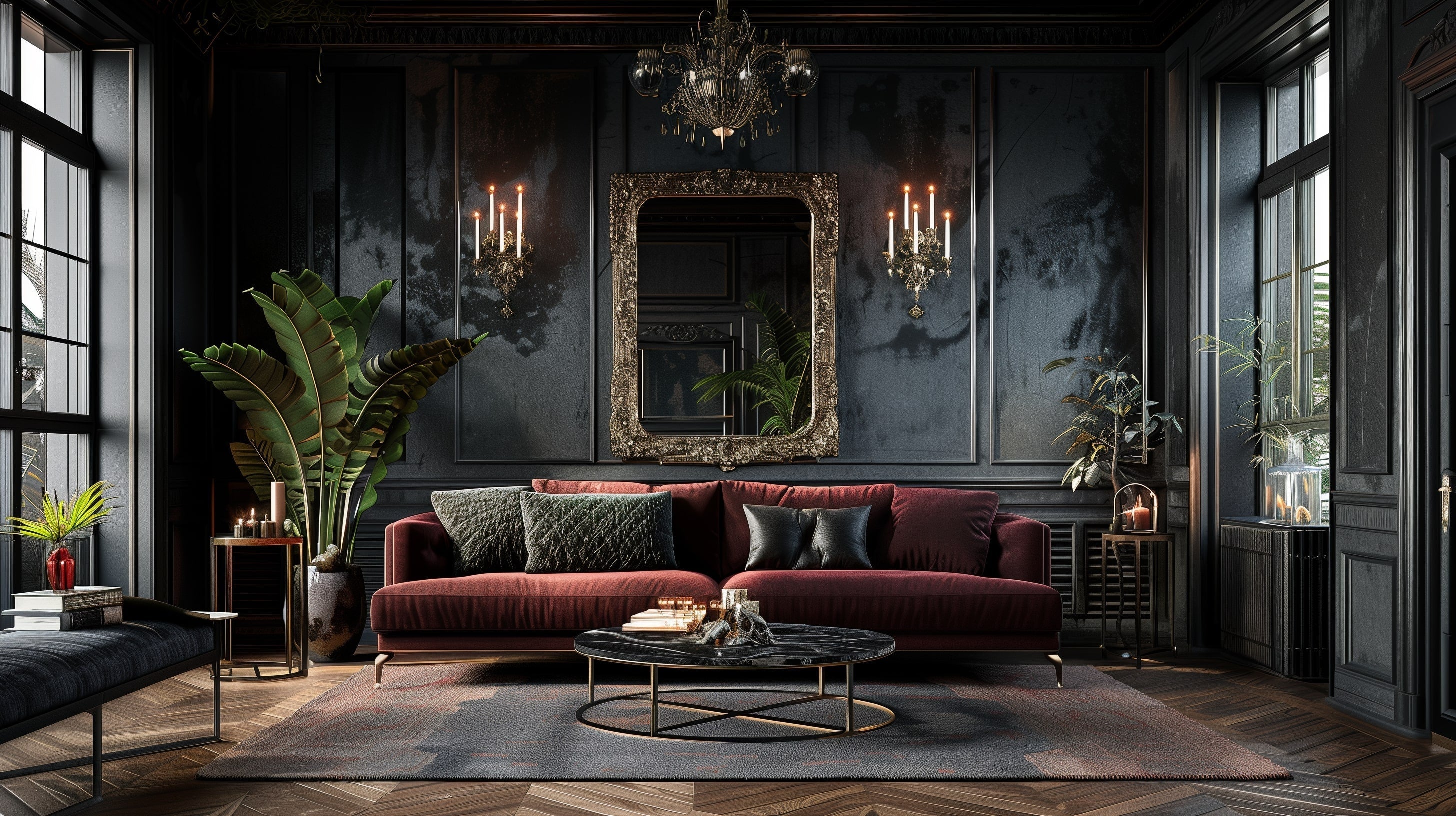
Now choose a palette that feels shadowed, not sealed off. Black, deep olive, oxblood, charcoal, tobacco, ink blue, and brown-black woods all work. Then give those tones relief. Cream bedding, parchment-colored lampshades, antique brass, or warm taupe walls keep the room from collapsing into one heavy block.
Test your colors in morning light and again at night. A shade that feels rich at noon can read dull by lamplight. This is also the stage to think about accessories. Small objects should support the palette, not compete with it.
If you are renting, removable wallpaper or mural panels can get you close without paint. Matte finishes usually look beautiful in low light, but they show wear more easily. In a dorm or high-traffic rental, a slightly more forgiving finish can be the smarter choice.

Step 4: Choose dark and moody furniture
Once the palette is clear, start with the pieces that give the room its weight. Begin with dark academia bedroom furniture that actually shapes the space, usually the bed, one substantial storage piece, and maybe a desk or chair. The convincing version of this aesthetic feels anchored. It does not rely on trinkets to fake substance.
Look for dark-stained wood, blackened metal, velvet, worn leather, and silhouettes with a little age in them. Material variation matters. Walnut beside matte black metal feels layered. Five pieces in the exact same finish usually feel flat.
If you are buying selectively, one antique or consignment piece can do more for the room than a full matching set. An armoire can replace a dresser in a small bedroom. A dark metal bed frame adds structure without visual bulk. A coffee table can create a reading corner if the bedroom has enough floor space.
Explore our Luxury Bedroom Furniture

King Solid Bamboo Platform Bed, Amber - Monterey King Platform Bed by Greenington

Queen Solid Bamboo Platform Bed, Wheat - Monterey Queen Platform Bed by Greenington

Queen Solid Bamboo Platform Bed, Amber - Monterey Queen Platform Bed by Greenington

Eastern King Solid Bamboo Upholstered Headboard, Amber - Mercury Upholstered Eastern King Platform Bed by Greenington


When it comes to rugs...
A rug is often what keeps a dark room from feeling visually cold. Traditional patterns work because they bring softness, color variation, and a sense of age underfoot. If you are browsing statement pieces, start with rugs that have tonal depth rather than hard contrast. If you want the layered look associated with Persian or Oriental rugs, pay attention to how much rust, olive, aubergine, or faded blue they introduce. That variation is what keeps the palette alive.
If you are trying to maximize space, let the rug do more than decorate. It can widen the bed zone visually, soften dark flooring, and make a small desk area feel intentional instead of leftover.

Step 5: Add dark, romantic details and decor
Now bring in accents and the objects that make the room yours. You can already probably guess that dark academia decor works best when it looks collected: framed art, old books, ceramic vessels, smoked glass, brass, dried botanicals, and one or two living plants with deep green leaves. If you are shopping for specifics, our guide on where to buy dark academia decor is a useful next stop.
Plants help because dark rooms can get visually dense. Ferns, philodendrons, and ivy-like forms bring movement into a palette that otherwise relies on still surfaces. Choose planters with weight. Dark ceramic, patinated metal, or weathered stone usually sit more comfortably here than glossy white pots.

Lighting has a major impact on setting
Lighting is often the difference between a bedroom that feels moody and one that simply feels dim. Dark academia rooms usually work better with pools of light than with one bright ceiling fixture. Think bedside lamps, shaded floor lamps, and softer layers that let parts of the room fall back into shadow.
This is also where material behavior matters. Velvet, dark paint, and stained wood absorb light. Brass, glass, and linen throw a little of it back. You need both. If every surface eats light, the room turns murky. Add one parchment shade or one reflective finish and the same palette suddenly feels composed.
Candles are an easy way to add romance, but they work best as part of a lighting mix rather than the whole plan. Use them on a bedside table, dresser, or tray, then let lamps do the real work of making the room livable.
Explore our Dark Academia Lighting: Industrial Pendant Lights & Moody Fixtures


When it comes to art, think about adding some landscape
Art is where the room stops feeling styled and starts feeling personal. Landscape paintings with stormy skies, charcoal portraits, old engravings, botanical studies, and shadow-heavy photography all fit naturally here. Mix frame finishes. A small gold frame can warm a wall of darker woods or black frames and keep the arrangement from feeling too predictable.
Vintage books still matter, but they work best when they are not treated like stage props. Stack a few on a nightstand, use some horizontally on shelves, and leave space around them. Overfilling every surface is another easy mistake. The room should feel thoughtful, not crowded.

Step 6: Take time to build your space
You do not need to create your dark academia bedroom overnight. In fact, the rooms that look best almost never come together in a weekend. Start with one or two pieces you genuinely love, then add the next layer only when it earns its place.
That slower pace matters because dark academia is easy to overstate. A room with too many obvious references can feel theatrical. A room that develops gradually usually feels more convincing, because the patina, contrast, and rhythm are doing the work instead of the label.
What if dark academia doesn't fit in with the rest of your home?
If you love the dark academia aesthetic but the rest of your house leans lighter or more modern, that is not a problem. In most homes, it works best as a concentrated retreat rather than a theme repeated in every room.

Here's what we recommend
- Use dark academic colors as accents in other rooms instead of repeating the full mood everywhere. One deep green pillow, a smoked-glass vase, or a darker lamp base can be enough.
- Bring dark academia decor into shared spaces selectively. Repeat one material, one frame finish, or one color note so the bedroom still feels connected to the rest of the home.
- Use dark academic furniture in other rooms only when the scale makes sense. A side table, console, or desk with similar weight can echo the bedroom without turning the whole house into a set.
The best dark academia bedrooms are not simply dark. They are balanced, textured, and slow to reveal themselves. Keep some softness in the room, let shadow and material do part of the work, and resist the urge to finish everything at once.
For a complete room-by-room walkthrough of the entire aesthetic, including the study, living room, and kitchen, be sure to read our Complete Dark Academia Home Decor Guide.
Frequently Asked Questions

Todd Harmon
Bedrooms like this work when shadow is doing more than mood work, it is shaping proportion, material, and quiet. Todd Harmon approaches dark interiors the same way, as rooms built through depth and restraint rather than gimmick. With over two decades in e-commerce and product curation, Todd’s work is defined by a rejection of sterile minimalism in favor of the "moody interior." As the creative architect behind AURA Modern Home, his focus lies at the intersection of mid-century architecture and contemporary shadow, prioritizing material authority and the psychological impact of a well-composed room.


Leave a comment
This site is protected by hCaptcha and the hCaptcha Privacy Policy and Terms of Service apply.